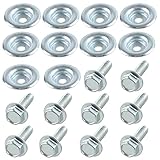
I remember the first time I saw those fancy, impossibly bright am bolts online. The seller swore they were the future of fastening, promising unparalleled strength and ease of use. I was hooked, thinking I’d finally found the silver bullet for all my DIY projects. So, I blew a chunk of change – probably close to $200 – on a few different sets, convinced I was ahead of the curve.
Spoiler alert: I wasn’t. Most of them were garbage. Overhyped, overpriced, and frankly, just not worth the hassle. It took a lot of trial and error, and a few stripped threads along the way, before I figured out what real people actually use and why. This isn’t about shiny new tech; it’s about what gets the job done without making you want to throw your toolbox out the window.
The Real Deal with Am Bolts: Why They Aren’t Magic
Let’s cut to the chase. When people talk about am bolts, they’re usually referring to some kind of specialized fastening system that claims to be better than your average nut and bolt. The marketing hype is insane, painting them as the ultimate solution for everything from furniture assembly to serious construction. I’ve seen claims of ‘self-tightening’ properties, ‘infinite adjustability,’ and ‘unbreakable’ hold. The truth? It’s a mixed bag, and a lot of it is pure snake oil. The common advice often boils down to ‘just buy the expensive ones,’ which is a great way for companies to empty your wallet.
My first real run-in with this was trying to assemble a ridiculously complex shelving unit that came with its own proprietary ‘fastening system.’ It looked like a regular bolt but had a weird, multi-part head. The instructions were vague, and after about an hour of wrestling with it, I’d managed to scratch the furniture and only get half the bolts in. I ended up digging out my old trusty socket set and standard bolts, which took me ten minutes.
The fancy am bolts sat in a little plastic bag, a monument to my wasted money and frustration. It was a harsh lesson that ‘new and improved’ doesn’t always mean ‘better.’ Sometimes, the old way is the best way for a reason.
The sheer variety of what gets lumped under the ‘am bolts’ umbrella is also a huge part of the confusion. You’ve got your quick-release types, your specialized torque-limiting ones, and then just plain old bolts with a slightly different head design that marketing teams have decided to brand.
The core issue for most people is that the term ‘am bolts’ is incredibly broad. It can mean anything from a simple toggle bolt designed for drywall to highly engineered aerospace fasteners. Without a specific context, you’re just chasing a marketing term. Most of the time, what people think they need is just a good quality standard fastener. The demand for something easier and stronger is real, but the solutions presented under this umbrella term often fall short of the hype. It’s a classic case of a problem looking for a solution, and the market is more than happy to provide a shiny, expensive one that might not even fix the original issue.
What to Actually Look for (and What to Avoid)
Forget the buzzwords and focus on what matters. For most DIY and general repair tasks, you’re probably not looking for some futuristic, self-aware fastener. You need something that’s strong, easy to work with using standard tools, and readily available. This means understanding materials and basic types. Stainless steel is your friend for anything exposed to moisture – it’s worth the slightly higher price to avoid rust stains. For sheer strength, hardened steel bolts are the way to go, but be mindful that they can be brittle and may require a bit more torque control to avoid snapping.
The real trick is understanding the application. Are you trying to hang a heavy shelf on drywall? A standard toggle bolt or a molly bolt will work fine.
Are you building a deck? You’ll need structural lag bolts or specialized deck screws. Trying to assemble IKEA furniture? Most of that uses cam locks and dowels, not traditional bolts at all.
The ‘am bolts’ that often disappoint are those that try to be a one-size-fits-all solution. For example, I bought a set of ‘quick-release’ bolts that were supposed to let me assemble a workbench in minutes. In reality, the mechanism was fiddly, prone to jamming, and offered no more holding power than a standard carriage bolt. (See Also: Are All Honda Atv Bolt Patterns The Same )
I ended up swapping them out after the first disassembly.
Here’s a little secret: most of the time, a good quality grade 5 or grade 8 bolt from a reputable hardware store will be more than enough for 90% of what you’ll ever do around the house. Don’t get seduced by kits that promise the moon. If a bolt looks overly complicated, has a dozen tiny parts, or requires a special tool that isn’t included, run the other way.
This is where the ‘People Also Ask’ questions are important. People are asking about specific types, like ‘What is the strongest type of bolt?’ and ‘Can you reuse am bolts?’ These questions reveal the underlying concerns: strength and practicality. The strongest bolt is usually a high-tensile, hardened steel bolt, but its ‘reusability’ depends entirely on the type and how it was used.
Over-torquing or using it in a situation where it’s under immense stress can damage the threads, making reuse problematic. The best advice is to inspect any fastener carefully before reusing it.
I also ran into a situation where I needed to attach a metal bracket to a brick wall. I bought some ‘special’ masonry anchors that were advertised as superior to anything else. They looked like a glorified screw with a plastic sleeve. They failed within a week. I then went back and bought standard wedge anchors, which are a common type of masonry fastener, and they’ve held perfectly for years. The ‘specialty’ product was just a more expensive version of something I could get easily and reliably elsewhere.
| Type of Fastener | Best Use Case | Opinion/Verdict |
|---|---|---|
| Standard Hex Bolt (Grade 5/8) | General construction, machinery, anything needing solid hold. | Your go-to. Reliable, strong, affordable. Don’t overthink it. |
| Carriage Bolt | Wood-to-wood, furniture, where a smooth, snag-free head is needed. | Great for its smooth finish and anti-rotation. Simple and effective. |
| Toggle Bolt | Hollow walls (drywall, plaster). For lighter loads. | Decent for basic hanging, but don’t trust it for heavy items. |
| Wedge Anchor | Concrete, brick, solid masonry. For secure, heavy-duty attachment. | Rock solid. The workhorse for attaching things to concrete. |
| Proprietary ‘am bolt’ Kits | Often marketed for specific furniture or quick assembly. | Buyer beware. Usually overpriced and less versatile than standard fasteners. Often a pain. |
Common Mistakes People Make with Fasteners
The biggest mistake I see, and one I’ve made myself, is buying fasteners based on looks or marketing rather than function. That shiny, complex-looking ‘am bolt’ might seem impressive, but if it doesn’t fit the actual job, it’s useless. People often overspend on fancy versions of standard bolts because they think ‘special’ means ‘better.’ My friend Sarah once spent over $100 on a set of supposed ‘self-locking’ nuts for a garden gate, only to find out regular lock washers and standard nuts would have held just as well, for about $10. She was so frustrated when the gate still rattled loose after a few weeks.
Another huge error is using the wrong material for the environment. Putting standard steel bolts on an outdoor project, especially near the coast, is a recipe for rust. Within a year, you’ll have a corroded mess that’s a nightmare to remove. Conversely, using stainless steel where it’s not needed is just a waste of money. For indoor furniture, regular zinc-plated steel is perfectly fine and much cheaper. The ‘People Also Ask’ question, ‘How do I choose the right am bolts for outdoor use?’ is a perfect example. The answer is almost always to look for stainless steel or a heavily galvanized coating, and to avoid anything that looks like it will trap water.
People also frequently mess up by not using the correct tools or not understanding torque. Forcing a bolt in with the wrong size wrench, or using an impact driver on delicate materials, can strip the threads on both the bolt and the hole.
I once tried to tighten a bolt on a bicycle frame with a wrench that was just a hair too big. I ended up rounding off the bolt head so badly I had to cut it off with a Dremel tool. That took an hour and nearly ruined the frame.
It’s about having the right tool for the job and using it properly. A good set of metric and imperial sockets and wrenches is more valuable than any fancy, single-purpose fastener system. (See Also: Are Ak Bolts Interchangeable )
Finally, there’s the classic ‘over-tightening’ or ‘under-tightening’ issue. Over-tightening can strip threads, weaken the bolt, or even crack the material you’re fastening into. Under-tightening means the joint is loose and will likely fail over time. While many ‘am bolts’ claim to eliminate this problem, the reality is that understanding the required tension is part of good fastening practice, regardless of the bolt type. For important applications, a torque wrench is your best friend, and it’s a tool that often gets overlooked in favor of just ‘making it tight.’
Real-World Use Cases: Where They Shine (and Where They Don’t)
So, where do these so-called ‘am bolts’ actually earn their keep? Honestly, very rarely in the way their marketing suggests. Some specialized types do have legitimate uses. For instance, certain types of quick-release pins and bolts are fantastic for temporary fixtures, like mounting accessories on a camera rig or quickly disassembling a camping table. They save time and fiddling when you need to repeatedly take things apart and put them back together.
I’ve also found specific tension-controlled or self-locking bolts useful in environments with heavy vibration, like on machinery or certain vehicle components. In these situations, standard nuts can vibrate loose over time. Using a good quality self-locking fastener (like a nylon insert nut or a prevailing torque nut) can be a real lifesaver, preventing costly failures. However, these are often standard, well-understood fasteners, not some newfangled ‘am bolt.’ The term itself is often just a marketing ploy to sell you a slightly modified version of something that already exists.
Where they absolutely do not shine is in general construction or everyday household fixes. If you’re building a fence, assembling a bookshelf, or mounting a TV, you’re almost always better off with standard, high-quality bolts, screws, and anchors. The ‘am bolts’ you’ll encounter in these categories are usually just a more expensive, less reliable version of something that’s been proven to work for decades.
I was helping a buddy assemble a new shed, and he’d bought a whole kit of ‘high-strength, easy-assembly’ bolts. They looked cool, with weird heads and integrated washers. We spent twice as long fumbling with them as we would have with standard lag bolts and washers. They offered no discernible advantage in strength or ease of assembly, and they cost him about $50 more.
The ‘People Also Ask’ question, ‘Are am bolts stronger than regular bolts?’ is a common one, and the answer is usually no, or only marginally so in very specific, niche applications. A standard high-tensile steel bolt (like a Grade 8) is incredibly strong for most purposes. The ‘am bolts’ that might be stronger are often highly specialized, expensive, and overkill for everyday use. Think aerospace or high-performance automotive applications – not your garage workbench.
Practical Tips for Using Am Bolts and Beyond
If you’ve already bought into some of these specialized fasteners, or if you’re determined to try them, here are a few tips. First, read the instructions carefully. This sounds obvious, but with confusingly designed hardware, it’s easy to skip steps or assume you know how it works. I once tried to install a set of specialty drawer slides that came with unique mounting bolts, and I completely missed a tiny retaining washer that was important for them to function. The drawers kept falling out until I found the instruction manual again.
Second, test in a non-important area first. If you’re using a new type of fastener for the first time, try it on a scrap piece of material or in a less visible spot. This lets you get a feel for how it works, how much torque it needs, and if it actually holds. This saved me a lot of grief when I was trying out some obscure wall anchors a few years back. I tested one in a spare piece of drywall, and it immediately started to crumble. I saved myself from a disaster by not putting it on the actual wall I needed to hang something on.
Third, keep the original packaging and any special tools. Many ‘am bolts’ come with unique tools or are designed to work with specific accompanying hardware. Losing these can make future disassembly or repair impossible. I learned this the hard way when I couldn’t find the tiny Allen key that came with a set of handlebar grips on my bike; I ended up having to drill out the bolt to get them off. It’s a pain, but holding onto those specialized items is often necessary.
Finally, and this is my biggest piece of advice for any fastener, including those marketed as ‘am bolts’: don’t be afraid to go back to basics. If a specialty bolt is causing you endless headaches, costing too much, or not performing as advertised, swap it out for a standard, high-quality bolt, nut, or screw that you know will work. Your sanity and your project will thank you. I’ve spent way too much time and money on fancy fasteners only to end up using a simple hex bolt and washer because it was the only thing that reliably did the job. (See Also: Are All Bolt Patterns The Same )
The ‘People Also Ask’ question, ‘Where can I buy am bolts?’ is almost always answered with online marketplaces or specialty hardware stores. While you can find them, the real question is should you, for your specific need.
Faq: Your Burning Questions About Am Bolts Answered
What Is the Strongest Type of Bolt?
For general purposes, high-tensile steel bolts, particularly those rated Grade 8 or higher (in the US system), offer exceptional strength. For specialized applications, materials like titanium or certain advanced alloys can be stronger, but these are typically very expensive and used in aerospace or high-performance engineering. The context of the application is key; a strong bolt is useless if its threads are wrong or it’s in the wrong material.
Can You Reuse Am Bolts?
Whether you can reuse any type of fastener, including those marketed as ‘am bolts,’ depends entirely on the specific type and how it was used. Standard bolts and nuts can often be reused if they haven’t been over-tightened, stripped, or subjected to extreme stress that might have altered their molecular structure. Specialized fasteners with locking mechanisms or unique designs may be compromised after a single use, or their effectiveness can be reduced. Always inspect fasteners for damage or deformation before considering reuse.
How Do I Choose the Right Am Bolts for Outdoor Use?
For outdoor applications, corrosion resistance is most important. Look for fasteners made from stainless steel (various grades exist, 18-8 is common and good), brass, or those with a solid protective coating like hot-dip galvanization. Avoid standard zinc-plated or plain steel bolts, as they will rust quickly. The specific type of ‘am bolt’ matters less than its material composition and coating when exposed to the elements.
Are Am Bolts Stronger Than Regular Bolts?
The term ‘am bolts’ is a broad marketing catch-all, and there’s no definitive answer. Some specialized fasteners marketed under this umbrella might offer superior strength in very specific scenarios, like extreme vibration or shear forces. However, for most common applications, a standard high-strength bolt (like a Grade 8) is often just as strong, if not stronger, and far more practical and cost-effective. Many ‘am bolts’ are simply standard fasteners with a slightly different head or a fancy name.
Where Can I Buy Am Bolts?
You can typically find a wide variety of fasteners marketed as ‘am bolts’ on large online marketplaces like Amazon, eBay, and specialized industrial supply websites. Some larger home improvement stores or dedicated hardware stores might carry a limited selection of specialty fasteners. However, for the most common and reliable fastening needs, your local, well-stocked hardware store remains the best bet for standard bolts, nuts, and screws.
Verdict
Look, the world of fasteners can feel like a minefield of over-promising marketing. For every genuinely useful specialized fastener, there are ten overpriced gadgets that do little more than complicate things. My own wallet has felt the sting of buying into the hype more times than I care to admit.
The takeaway is simple: don’t get swept up in the fancy names or supposed ‘revolutionary’ designs. Nine times out of ten, a good quality standard bolt, screw, or anchor from a reputable brand will be your best bet. Focus on understanding your material, the load requirements, and the environment, and you’ll usually find that the tried-and-true options are the most reliable and cost-effective.
Before you click ‘buy’ on that next set of ‘am bolts,’ ask yourself if you really need the complexity. Often, the simplest solution is the strongest one. If you’re still unsure, a quick trip to a good hardware store and a chat with someone who knows their stuff can save you a lot of headaches and money.