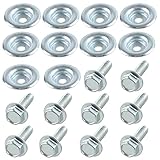
I remember the first time I bought an aftermarket fuel line for my old pickup. The package boasted of ‘unparalleled flow’ and ‘performance gains.’ All I wanted was a replacement for a leaky connection. What I got was a banjo bolt that looked suspiciously like the one I already had, but cost me three times as much. That’s when I learned that not all am 04 banjo bolt fittings are created equal, and sometimes, the simplest parts are the most important, and the most rip-offs.
This isn’t about shiny chrome or fancy branding. It’s about whether a part will do its job, reliably, without costing you an arm and a leg for marketing fluff. We’re talking about those little fittings that connect brake lines, fuel lines, or oil cooler hoses. They seem minor, but when they fail, your whole day, or worse, your whole vehicle, can be toast.
So, let’s cut through the noise and talk about what really matters when you’re looking for an am 04 banjo bolt.
Why That Tiny Am 04 Banjo Bolt Matters More Than You Think
Look, I’ve been wrenching on cars and motorcycles for longer than I care to admit. I’ve seen pristine engine bays and I’ve seen absolute nightmares cobbled together with duct tape and hope. Through all of it, one thing has remained consistent: the importance of the small, often-overlooked parts.
The am 04 banjo bolt is one of those. It’s the humble connector, the gatekeeper between your fluid system and its destination. Whether it’s the hydraulic clutch on a track car, the fuel rail on a performance engine, or the simple brake line on your daily driver, a failure here isn’t just an inconvenience; it’s a potential disaster. I once had a banjo bolt on an oil cooler line loosen up ever so slightly on a long road trip.
Didn’t notice it at first, just a faint smell of oil. Then, a drip. By the time I pulled over, I’d lost nearly half the oil in my engine. The good news?
No catastrophic failure, just a very expensive tow and a lengthy rebuild. The lesson?
These things aren’t just metal rings; they’re important seals.
The common advice you’ll find online is often to just buy the ‘best’ or ‘high-performance’ version. But what does that even mean for a banjo bolt? Usually, it means a higher price tag and maybe some fancy plating. I’ve learned the hard way that ‘high-performance’ often just means ‘more expensive’ without a tangible benefit for most applications. For a standard street car or a mild build, the fancy titanium or anodized aluminum options are often overkill and can even be weaker in certain circumstances. Steel, when properly manufactured, is perfectly adequate and much more cost-effective. My mistake was assuming that because it cost more, it had to be better. It wasn’t. It was just shinier.
The actual function is simple: it allows a hose or line to connect to a fitting at a 90-degree angle, using a washer (or crush washer) to create a seal. The ’04’ designation, in the context of an am 04 banjo bolt, typically refers to a specific thread size and pitch, often M10x1.0mm. This is a very common size, especially in European and some Japanese applications for things like brake systems, clutch lines, and fuel injection. Understanding the thread pitch is most important. Guessing or using the wrong size means you won’t get a seal, or worse, you’ll strip the threads on your expensive component.
I’ve found that a good quality, standard steel am 04 banjo bolt from a reputable automotive supplier, paired with new, correct crush washers, is more than enough for 90% of applications. The key is quality of manufacture and material. A poorly machined bolt, even if it’s steel, can have microscopic imperfections that prevent a proper seal, leading to leaks. So, while the ’04’ tells you the size, the quality of the metal and the machining dictates its effectiveness. Don’t get blinded by marketing jargon; focus on the specs and the reputation of the seller.
What to Actually Look for When Buying
When you’re standing in the parts aisle, or scrolling through an online catalog, trying to find the right am 04 banjo bolt, it’s easy to get lost in the sea of options. The first thing you absolutely must know is the thread size and pitch. For the ’04’ designation, this is almost universally M10x1.0mm. But always double-check if you’re unsure. Measure the threads on your existing fitting or consult your vehicle’s service manual. Using the wrong thread size is like trying to fit a square peg in a round hole – it just won’t work and can damage your components.
Next up is material. Most standard banjo bolts are made of steel.
This is perfectly fine for most applications. It’s strong, relatively inexpensive, and provides a good sealing surface when used with the correct washers. Stainless steel is an upgrade, offering better corrosion resistance, which is great for exposed applications or in areas with harsh weather conditions.
However, stainless steel can be softer than high-carbon steel, so you need to be a bit more careful not to overtighten, which can strip the threads. For high-pressure or high-temperature applications, like certain racing fuel systems or turbo oil feeds, you might consider specialized alloys, but for the average DIYer, quality steel is your best bet. I learned this when I tried using a fancy stainless steel one for a clutch line, thinking it would look cooler.
It worked, sure, but it didn’t perform any better than the cheap steel one I replaced, and it cost me an extra $15. (See Also: Are All Honda Atv Bolt Patterns The Same )
The other important component is the crush washer. You cannot reuse old crush washers.
They are designed to deform and seal once. Trying to reuse them is a recipe for leaks. You’ll typically need one or two washers depending on the fitting type – some use a single washer on the bolt head, while others have the bolt pass through a bracket and need washers on both sides.
Always buy new, correct-sized crush washers along with your banjo bolt. They are usually made of aluminum, copper, or a composite material. Aluminum is common for many automotive applications.
Copper washers offer excellent sealing properties but can be more expensive and harder to find. Stick with what the manufacturer specifies or what is commonly used for your application.
Finally, consider the length of the bolt. Banjo bolts come in various lengths, measured from under the head to the tip of the threads. This is important because the bolt needs to engage enough threads in the receiving fitting to be secure, but not so much that it bottoms out and prevents proper sealing. Measure the depth of the threaded hole in your fitting and the length of the bolt you’re replacing. It’s usually not something you can be off by much. A bolt that’s too short won’t have enough thread engagement, and one that’s too long might bottom out and create a leak path.
Here’s a quick comparison chart to help you decide:
| Type | Pros | Cons | Verdict |
|---|---|---|---|
| Standard Steel | Affordable, strong, widely available. | Can rust if not plated or maintained. | Excellent for most daily drivers and mild builds. |
| Stainless Steel | Corrosion resistant, looks good. | Softer, can be more prone to thread damage if overtightened, slightly more expensive. | Good for exposed areas or if rust is a major concern. |
| Anodized Aluminum | Lightweight, looks trick. | Can be weaker under high stress, anodizing can flake, often overpriced for function. | Mostly for show cars or very specific, low-stress applications. |
Common Mistakes That Lead to Leaks (and Frustration)
I’ve made my fair share of mistakes in the garage, and dealing with banjo bolts has definitely been a learning experience. The most common error I see, and one I’ve been guilty of myself, is reusing old crush washers. These little rings are designed to crush and form a seal the first time they’re tightened.
Once they’ve done their job, they’re basically deformed and won’t seal properly again. You’ll get a slow drip, or worse, a steady leak. I once spent an entire afternoon chasing a phantom brake fluid leak, only to realize I’d reused the crush washers from the old line.
Swapping them out for new ones solved the problem instantly. It was a humbling reminder: always use new washers.
Another frequent pitfall is overtightening. It seems logical – tighten it more, it’ll seal better, right? Wrong.
Banjo bolts, especially the smaller M10x1.0mm ones, have fine threads. Overtightening can strip the threads on the bolt itself or, more disastrously, in the fitting it screws into. This can turn a simple hose replacement into a much more expensive repair, potentially requiring replacement of the entire manifold, caliper, or fuel rail. The correct torque specification is important.
If you don’t have a torque wrench, or if the spec isn’t readily available, a good rule of thumb is ‘snug, then a quarter turn.’ For steel bolts, you might go a touch more, but be gentle. For stainless steel, be even more cautious. Always check your service manual for the correct torque value if possible.
Improper thread engagement is another classic blunder. This happens when the bolt is too long, bottoming out in the fitting before it can properly seat the crush washer, or too short, not providing enough thread purchase for a secure connection.
Always make sure the bolt you select is the correct length for your application. If you’re unsure, compare it to the original bolt you removed.
Sometimes, the banjo bolt fitting itself has a small ‘step’ or chamfer inside that the bolt needs to seat against. If this is damaged, or if the bolt doesn’t match the profile, you’ll have issues. I once bought a kit that claimed to be for my car, but the banjo bolt was just a hair too long. It looked like it threaded in fine, but the brake pedal felt spongy. (See Also: Are Ak Bolts Interchangeable )
It took me ages to figure out why, until I pulled the bolt and saw the threads were slightly deformed where it had bottomed out.
Finally, contamination. Dirt, debris, or even old sealant on the mating surfaces of the bolt, the fitting, or the crush washer will prevent a proper seal. Before assembling, always clean the threads of the banjo bolt and the receiving fitting thoroughly. Make sure the crush washers are clean and free of any nicks or imperfections. A little bit of brake fluid or clean oil on the threads and washer can help them seat properly, but avoid excessive amounts of thread locker unless the application specifically calls for it, as it can interfere with the seal and make future removal a nightmare.
Real-World Use: Banjo Bolts in Action
Let’s talk about where you’ll actually find these little guys and what they’re doing. The most common place is in the hydraulic braking system.
Your brake caliper has a fitting where the flexible brake hose connects. This connection often uses a banjo bolt. The am 04 size is very prevalent here on many European and some Japanese makes. The banjo bolt passes through the caliper’s brake line adapter, and a crush washer on each side of the adapter creates a seal against the caliper.
This is a high-pressure application, so a good seal is a must. A leak here means a loss of braking power, which is terrifying.
I’ve replaced countless brake line banjo bolts over the years, and it’s always the crush washers that are the culprits when leaks develop. The bolt itself rarely fails unless it’s been overtightened or cross-threaded.
Clutch systems on manual transmission vehicles are another major user. Similar to brakes, the slave cylinder or master cylinder will have a connection point for the hydraulic clutch line, often employing an am 04 banjo bolt and crush washers. The pressure here isn’t as high as in the brakes, but reliability is still key. A leaking clutch line means you can’t disengage the clutch, leaving you stranded.
I had a friend who was about to head out on a long road trip, and he swore he heard a slight grinding noise when he shifted. Turned out his clutch fluid was low. We traced it back to a weeping banjo bolt connection on the slave cylinder. A quick tightening (and new washers) saved him a major headache.
Fuel systems, particularly on older fuel-injected cars and performance setups, can also use banjo bolts. Fuel rails, fuel pumps, and fuel pressure regulators might have banjo fittings. These are often more robustly built due to the nature of fuel and the pressures involved, sometimes using larger bolts or specialized sealing methods. However, the M10x1.0mm am 04 size can still appear.
Leaks here are not just messy; they’re a fire hazard. I recall a project car where the fuel pump had a banjo fitting. It was a cheap replacement part, and the threads were a bit rough.
After installing it, I could smell gas immediately. It turned out the banjo bolt wasn’t seating properly due to the poor machining, and fuel was seeping out.
It was a stark reminder that when it comes to fuel, you don’t skimp.
Oil cooler lines are another common application, especially on performance vehicles or motorcycles. The cooler itself or the adapters that sandwich it into the oil system might use banjo fittings. These bolts are often larger than brake line banjo bolts, but the principle is the same. A leak here can lead to dangerously low oil levels. I’ve seen people use banjo bolts on custom turbo oil feed and return lines. These can see significant heat and pressure, so using the correct high-temperature resistant bolts and washers is most important. For most street applications, a good quality steel am 04 banjo bolt with proper sealing washers will perform admirably.
Practical Tips for a Leak-Free Install
Let’s get down to brass tacks. You’ve got your new am 04 banjo bolt and your shiny new crush washers. Now what? First off, clean everything. I mean everything. Take a clean rag, maybe a little brake cleaner or degreaser, and wipe down the banjo bolt threads, the threads in the fitting it’s going into, and the surfaces where the crush washers will sit. Any dirt, grit, or old gasket material is an enemy of a good seal. I’ve seen mechanics use compressed air to blow out threads, which is also a good move if you have it.
Next, apply a tiny bit of lubricant. For brake or clutch lines, a dab of clean brake fluid on the bolt threads and the crush washers is perfect. For fuel lines, a small amount of clean gasoline or fuel-safe lubricant works. This helps the bolt thread in smoothly and allows the crush washer to seat properly without galling or binding. Don’t go crazy with the lube; you don’t want it oozing everywhere. Just enough to coat. (See Also: Are All Bolt Patterns The Same )
When you’re ready to install, thread the bolt in by hand as far as you can. This is the best way to make sure you haven’t cross-threaded it. If it feels stiff or you hit resistance immediately, back it out and try again. Once it’s snug by hand, it’s time for your wrench. If you have a torque wrench, this is where you want to use it. Consult your vehicle’s service manual for the exact torque specification for that particular banjo bolt fitting. For an M10x1.0mm, it’s often in the range of 15-25 Nm (11-18 ft-lbs), but this can vary wildly. Don’t guess if you can avoid it.
If you don’t have a torque wrench, use the ‘snug and a bit more’ method. Tighten it until you feel firm resistance, then give it about a quarter to a half turn more. For steel bolts, you can usually go a bit firmer than for stainless steel. The goal is to deform the crush washer enough to create a seal, but not so much that you damage the threads or the fitting. You’ll often feel a subtle ‘give’ when the washer starts to crush. Stop shortly after that.
After you’ve tightened the bolt, cycle the system. For brakes, pump the pedal until it firms up. For fuel, turn the ignition on (without starting the engine) to let the fuel pump prime. Then, inspect the connection meticulously for any signs of weeping or leaking. It might take a few minutes for a very slow leak to become apparent. If you see anything, even a tiny bead of fluid, you’ll likely need to loosen the bolt, check the washer and mating surfaces, and retighten. Sometimes, a slightly firmer turn is all it needs, but be cautious. If it still leaks, you might have a damaged fitting, a faulty bolt, or a bad batch of washers.
What Is an Am 04 Banjo Bolt?
An am 04 banjo bolt is a type of fastener primarily used in automotive and hydraulic systems. The ’04’ designation typically refers to its thread size and pitch, most commonly M10x1.0mm. It features a hole through its body that aligns with a banjo fitting, allowing fluid to pass through at a 90-degree angle when used with sealing washers.
Where Are Am 04 Banjo Bolts Commonly Used?
These bolts are frequently found in automotive hydraulic systems such as brake lines and clutch lines, particularly on many European and some Japanese vehicles. They can also be used in fuel lines, oil cooler lines, and other fluid transfer applications where a flexible hose needs to connect to a rigid fitting at an angle.
Do I Need New Crush Washers for an Am 04 Banjo Bolt?
Yes, absolutely. Crush washers are designed to deform and create a seal only once. Reusing old crush washers is a common cause of leaks and should be avoided. Always install new, correctly sized crush washers every time you remove and reinstall a banjo bolt fitting.
How Tight Should an Am 04 Banjo Bolt Be?
The correct tightness, or torque, is important. Overtightening can strip threads or damage the fitting, while undertightening will cause leaks. Consult your vehicle’s service manual for the specific torque value. If a manual is unavailable, a general rule for steel bolts is ‘snug, then about a quarter to a half turn,’ but always prioritize the manufacturer’s specification if you can find it.
When to Just Buy the Expensive One (rarely)
I’ve spent years telling people to avoid overpriced parts, and for the most part, that advice holds true for the am 04 banjo bolt. For 99% of street cars, trucks, and even most mild performance builds, a good quality steel or stainless steel banjo bolt from a reputable automotive parts supplier is all you need. The fancier, anodized aluminum, or exotic alloy versions are usually a waste of money. They don’t offer better sealing, and the weight savings are negligible for anything less than a dedicated race car where every gram counts.
However, there are a few niche situations where paying a premium might make sense. If you’re building a high-performance race car that competes in a class with very strict regulations on material types, you might be forced into using specific alloys. For example, some racing series might mandate specific types of bolts for safety reasons, or they might disallow certain materials. In these cases, the ‘expensive’ option is the only compliant option, and its price reflects the engineering and certification required, not just marketing hype.
Another scenario is extreme temperature or pressure. If you’re working with a highly specialized fluid system that operates at extreme temperatures (both hot and cold) or pressures far beyond typical automotive applications, you might need bolts made from materials with specific thermal expansion properties or higher tensile strength. Think aerospace applications, certain industrial hydraulics, or very exotic racing engines. For these situations, specialized banjo bolts are engineered for those specific demands, and their cost reflects that advanced material science and manufacturing. But let’s be honest, if you’re dealing with that level of complexity, you’re probably not buying your parts based on a random internet article.
For the rest of us, sticking to quality, standard materials like steel or stainless steel, making sure you have the correct M10x1.0mm thread size, and most importantly, using new, correct crush washers, will give you a leak-free and reliable connection. Don’t let the ‘performance’ labels fool you. Functionality and proper installation are king when it comes to these small, but mighty, connectors.
Final Thoughts
So, there you have it. The humble am 04 banjo bolt. It’s a part that can cause a world of headaches if you get it wrong, but is incredibly simple if you know what to look for. The biggest takeaway for me, after years of trial and error and a few costly mistakes, is that the quality of the crush washer and the diligence of your installation matter far more than any fancy plating or brand name.
Don’t get suckered into buying the most expensive option just because it looks ‘trick.’ Unless you’re building a specialized race car or dealing with extreme conditions, a good quality steel or stainless steel bolt with new crushers is your best bet. Focus on getting the thread size right (M10x1.0mm is common), clean your parts, and torque it down correctly. A little bit of care goes a long, long way.
Next time you’re tackling a brake line or a fuel hose, remember this little piece of advice. It’ll save you time, money, and a whole lot of greasy frustration.