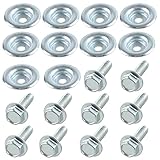
I remember staring at the pile of hardware after a particularly frustrating IKEA assembly. A dozen different types of screws, bolts, and dowels, and none of them seemed to fit what I needed. That’s when I first truly appreciated the humble, yet sometimes baffling, world of fasteners. For most DIYers, the term ‘bolt’ conjures up images of hex heads or carriage bolts. But there’s a whole other category, and understanding one specific type, a 2 socket bolt, can save you a heap of headaches.
These aren’t your everyday finds at the local big box store, and that’s part of their charm, and sometimes, their curse. They’re specialized, and when you need one, you really need one.
When a Regular Bolt Just Won’t Cut It
Look, most of us can get by with a standard hex bolt, a wingnut, or even a good old-fashioned lag screw. They’ve held together sheds, furniture, and countless projects for decades. But sometimes, the physics of the situation, or the aesthetic you’re going for, demands something a bit more specific.
That’s where the 2 socket bolt comes in. It’s not some exotic piece of engineering; it’s a bolt with a head designed for a specific type of wrench – a hex key, also known as an Allen wrench.
What makes it distinct is the shape of that socket. Instead of the common six-sided internal hexagon, it’s a square hole. This might sound odd, even wrong, but bear with me. A square drive bolt, as it’s often called in the trade, has a very particular purpose.
Why a square hole? It’s all about torque and grip. For certain applications, particularly in older machinery, plumbing fixtures, or even some antique furniture restoration, a square socket provides a more positive engagement with the wrench than a hex socket. It’s less likely to slip under high torque, especially if the socket has seen some wear or the wrench isn’t a perfect fit.
I once wrestled with a stubborn valve on an old industrial compressor. The hex bolts holding the housing were just rounding off, and I was ready to throw in the towel.
Then I remembered seeing a set of square drive bits for my socket wrench. Swapping those out was a revelation. The square drive dug in, and I was able to break that corroded bolt loose without further damaging the housing. It felt like cheating, but it was just using the right tool for the job.
The ‘2’ in ‘2 socket bolt’ typically refers to the size of that square socket, usually measured in fractions of an inch, though metric equivalents exist. It’s a niche thing, sure, but when you need it, it’s the only thing.
Think about it: why would anyone design a bolt with a square head? The common wisdom, and it’s usually right, is that a hexagonal socket offers a better grip across more angles. Six points of contact versus four. But sometimes, those four points are exactly what you need for extreme torque or when dealing with components that might have slightly non-standard dimensions. It’s not about elegance; it’s about function. The square drive bolt offers a very secure, non-slip engagement, particularly when tightening or loosening with a breaker bar. It’s a design choice driven by specific mechanical needs, often found in applications where reliability under stress is most important.
The Nitty-Gritty: How They Work and Where You’ll Find Them
So, how does this square socket actually work? It’s pretty straightforward. The bolt itself has a head with a recess shaped like a perfect square.
You then use a corresponding square drive wrench – which can be a socket wrench attachment or a specific L-shaped tool – to engage with that recess. When you turn the wrench, the square shape of the drive forces the bolt to turn. The magic here is in the corners.
Unlike a hex socket, where the wrench can sometimes cam out if not perfectly seated or if the socket is worn, a square drive has a very positive lock. The corners of the square socket on the bolt are engaged by the corners of the square drive on the wrench.
This makes it incredibly resistant to slipping, even under significant rotational force. It’s a design often favored in environments where vibration is common, or where a bolt might need to be tightened to extreme tolerances. (See Also: Are All Honda Atv Bolt Patterns The Same )
Where do you actually encounter these things? They aren’t in your typical home improvement store bin next to the carriage bolts. You’re more likely to find them in older industrial equipment, some types of hydraulic systems, or specialized machinery.
I’ve seen them on heavy-duty vises, certain agricultural implements, and even in some older automotive applications where engines or transmissions needed to be secured with absolute certainty. Plumbing is another area. Think of certain types of valve bonnets or pressure fittings; the need for a secure, non-stripping connection can lead engineers to specify a square drive bolt.
It’s a detail that often gets overlooked until you’re the one trying to fix something that uses them. Finding the right size can be a challenge, and that’s where the frustration often begins for a DIYer.
I had a real ‘aha!’ moment with a heavy-duty clamp I inherited from my grandfather. It was built like a tank, but one of the adjustment bolts was seized.
It looked like a standard hex head, but my Allen wrenches just spun. After a bit of head-scratching and a near-miss with a hammer, I realized the socket was slightly deeper and had a distinct square shape. A quick trip to a specialized tool supplier, and I had a square drive bit that fit perfectly.
That single bolt was the linchpin of the entire clamp’s functionality. It taught me that sometimes, the most solid designs use the most unassuming features.
The ‘2 socket bolt’ nomenclature, while not universally standardized, often refers to the size of that square recess, typically meaning 2/8ths of an inch (or 1/4 inch) in diameter for the square opening.
Choosing the Right Square Drive Bolt: What to Look For
When you’re on the hunt for a 2 socket bolt, or any square drive bolt for that matter, the first thing to consider is the material. Just like regular bolts, they come in various strengths and corrosion resistances. Steel is the most common, but you’ll find options in stainless steel for wet environments or applications where rust is a concern. Brass is sometimes used for electrical connections or decorative purposes where extreme strength isn’t needed. The grade of the steel is also important – you’ll see markings on the head indicating its tensile strength. For important applications, you’ll want a higher grade, usually indicated by numbers like ‘8.8’ or ‘10.9’ for metric, or specific ASTM standards for imperial sizes.
Then there’s the thread type. Are you looking for coarse threads (UNC) or fine threads (UNF)? Coarse threads are more forgiving and faster to install, while fine threads offer greater strength and resistance to vibration loosening.
The length of the bolt is obviously important – measure from the underside of the head to the tip. And don’t forget the head style.
While the square socket is the defining feature, the head itself can vary. Common styles include socket head cap screws (where the head is cylindrical with the socket on top) and button head cap screws (where the head is rounded and lower profile).
The choice depends on the space you have and the aesthetic you’re aiming for. I once spent an entire afternoon trying to find a square drive bolt with a particular flange head for a custom manifold on a vintage car. The flange was there to distribute pressure over a larger area, and without it, the seal wouldn’t hold. It was a lesson in not compromising on the details.
Here’s a handy little comparison table I’ve put together. It’s not exhaustive, but it covers the main points you’ll likely be weighing up: (See Also: Are Ak Bolts Interchangeable )
| Feature | Consideration | My Verdict |
|---|---|---|
| Material | Steel (various grades), Stainless Steel, Brass | Stainless steel for anything exposed to moisture. Standard steel is fine for dry, indoor use. |
| Thread Type | Coarse (UNC) vs. Fine (UNF) | Coarse for general use. Fine for high-vibration environments or when extra security is needed. |
| Head Style | Cap Screw (cylindrical), Button Head (rounded), Flange Head | Cap screw is most common. Button head for low clearance. Flange for distributed load. |
| Size (Socket & Thread) | Must match your tool and the receiving thread. | Measure twice, buy once. Get a caliper if you’re unsure. |
| Corrosion Resistance | Galvanized, plated, or inherent to material (stainless). | Don’t skimp here if it’s going outside. A rusty bolt is a broken bolt. |
The specific ‘2 socket bolt’ usually implies a 1/4-inch square drive, which corresponds to a specific thread size, often around a 1/4-inch or 5/16-inch diameter bolt. Always verify the exact dimensions with the supplier’s specifications.
Common Mistakes and How to Avoid Them
The biggest mistake people make with a 2 socket bolt, or any specialized fastener, is assuming it’s just like everything else. They’ll grab the wrong size wrench, try to force it, and end up damaging both the bolt and their tool. Remember that square drive? It needs a perfectly matching square wrench. If you try to use a hex key, you’re going to strip out that socket in a heartbeat. That’s a mistake I made early on trying to adapt a tool. It cost me a bolt and a lot of wasted time. The frustration of a stripped fastener is something nobody needs. It’s far better to walk away, find the right tool, and come back prepared.
Another common pitfall is buying from the wrong source. You won’t find a good selection of square drive bolts at your average hardware store.
You’ll need to look at specialized industrial suppliers, fastener distributors, or reputable online retailers that cater to mechanics, machinists, or restoration enthusiasts. I learned this the hard way when I needed a specific size for a antique sewing machine. I wasted a Saturday driving to three different stores before finding a small, dusty shop that had exactly what I needed in a drawer full of oddities.
It’s worth the effort to find a supplier who actually knows their inventory. The quality of the bolt itself matters too. Cheap, poorly manufactured square drive bolts can have imprecise sockets that don’t grip well, defeating the purpose.
Look for brands you trust or ask for recommendations from people who use these fasteners regularly.
Finally, and this applies to all fasteners but especially niche ones, don’t mix and match threads. Just because the bolt head looks right doesn’t mean the threads will match the hole. Always confirm the thread pitch and diameter. This is especially important if you’re replacing a bolt on a piece of equipment where the original specifications are hard to find. I once had to re-tap a hole because I’d bought a bolt with the wrong thread pitch. It seemed close, but it cross-threaded and ruined the threads in the housing. It’s a simple check, but one that saves immense grief. Always verify the thread specification to avoid costly mistakes.
Real-World Applications and DIY Successes
I’ve found that square drive bolts, including the specific ‘2 socket bolt’ size, are incredibly useful for certain DIY tasks where you need a really solid, non-slip connection. One of my proudest moments involved restoring an old metal workbench. It had some severely worn bolts that were causing the whole structure to wobble. The original bolts were square drive. After cleaning out the sockets and using the correct square drive tools, I was able to tighten everything up to a degree I never thought possible. The workbench felt like new. It was a small project, but the satisfaction of using the right, albeit unusual, fastener made it feel significant.
Another instance was building a custom jig for my table saw. I needed to secure some important alignment components with absolute rigidity. Standard hex bolts were okay, but I worried about them loosening over time with the vibrations of the saw. I opted for some smaller square drive bolts for those key connections. The difference in stability was noticeable. They just felt more ‘locked in’. It’s that feeling of security that these bolts provide. They’re not just holding things together; they’re holding them together with conviction. This kind of application shows how a seemingly obscure fastener can solve a practical problem for a home workshop enthusiast.
I also used them when reinforcing the frame of an old garden gate. The hinges were under a lot of stress, and the original bolts had started to loosen. Replacing them with stainless steel square drive bolts meant I didn’t have to worry about them rusting and seizing up again anytime soon. The square socket allowed me to apply considerable force to make sure the hinges were firmly attached to the gate’s metal frame.
It’s these kinds of projects where you appreciate the specific advantages of a fastener like a 2 socket bolt – offering a reliable, secure mechanical connection that stands up to real-world demands. They’re a testament to the fact that sometimes, the best solution isn’t the most common one.
Practical Tips for Working with Square Drive Bolts
When you’re dealing with square drive bolts, the right tools are a must. You’ll need a set of square drive sockets or wrenches that match the size of your bolt. These aren’t as common as hex sets, so you might need to seek them out from tool suppliers or online. A good quality set will have precise dimensions, making sure a snug fit and preventing damage to the bolt head. I always recommend investing in decent tools; cheap ones strip out easily and can ruin fasteners.
Before you even attempt to turn a square drive bolt, especially an old one, clean out the socket. Rust, paint, or debris can make it difficult for the wrench to engage properly. A small wire brush or a pick can work wonders. (See Also: Are All Bolt Patterns The Same )
If a bolt is particularly stubborn, apply a penetrating oil – something like PB Blaster or Kroil – and let it soak. Sometimes, a gentle tap with a hammer on the head (not the socket!) can help break the corrosion bond.
When you’re tightening, apply steady, even pressure. Avoid jerky movements.
For very high torque applications, a torque wrench with the appropriate square drive adapter is your best friend. It makes sure you’re not over-tightening, which can weaken the bolt or damage the threads, or under-tightening, which can lead to loosening.
Here’s a quick process for tackling a seized square drive bolt:
- Assess the Socket: Visually inspect the square socket for debris, rust, or damage.
- Clean the Socket: Use a wire brush, pick, or even compressed air to clear out any obstructions.
- Apply Penetrating Oil: Spray a good quality penetrating oil into and around the bolt head. Let it sit for at least 15-30 minutes, or even overnight for severely seized bolts.
- Select the Right Tool: Choose a square drive wrench or socket that fits snugly. Avoid any play.
- Apply Steady Torque: Gradually apply force. If it doesn’t budge, try tightening slightly first, then loosening.
- Heat (Optional): For extreme cases, carefully applying heat to the surrounding material (not directly to the bolt head if possible) can help expand the material and break the bond. Use caution with heat, especially around flammable materials.
- Impact (Careful Use): A small hammer impact on the wrench handle while applying torque can sometimes help.
Remember, patience is key. Rushing the process will only lead to frustration and potential damage. If you’re unsure about a specific application, it’s always a good idea to consult the equipment’s manual or seek advice from someone experienced with specialized fasteners.
People Also Ask:
What Is a 2 Socket Bolt?
A 2 socket bolt is a type of fastener that has a head with a square-shaped recess designed to accept a square drive wrench (like an Allen wrench, but with a square tip). The ‘2’ in the name typically refers to the size of this square socket, commonly meaning a 2/8ths of an inch, or 1/4 inch, opening.
Are Square Drive Bolts Stronger Than Hex?
Square drive bolts are not inherently stronger in terms of material tensile strength than hex bolts. However, the square socket often provides a more positive, non-slip engagement with the wrench, which can allow for higher torque to be applied without the wrench camming out or stripping the socket. This makes them more reliable in high-torque applications.
Where Are Square Drive Bolts Used?
Square drive bolts are commonly found in older industrial equipment, specialized machinery, certain plumbing fixtures, heavy-duty vises, and some automotive or agricultural applications. They are chosen for their secure, non-stripping grip, especially where vibration or high torque is a factor.
Can I Use a Regular Wrench on a 2 Socket Bolt?
No, you cannot use a regular wrench (like a standard open-end or box wrench) on a 2 socket bolt. You need a specific square drive wrench or socket that precisely matches the square recess in the bolt head. Using the wrong tool will damage the bolt head and the tool.
Conclusion
So, there you have it. The humble 2 socket bolt might seem like a bit of an oddity, but understanding its purpose and how to use it can save you a significant amount of hassle. They’re not for every job, but when the situation calls for that specific, non-slip grip, they’re invaluable.
Don’t be afraid to seek out specialized suppliers if you need one. Investing in the right square drive tools will pay off in the long run, preventing stripped heads and wasted effort. It’s a small corner of the fastener world, but knowing about it makes you a more capable DIYer or mechanic.
Next time you encounter one, you’ll know exactly what you’re dealing with and how to tackle it head-on.