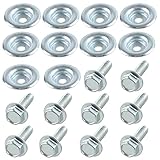
You’ve probably seen them. Maybe you’ve even cursed them. That unassuming fastener, the 7/16 inch bolt. It’s not the biggest, not the smallest, but it’s damn common. A 7/16 inch long bolt is used in a machine more often than you might think, quietly holding together everything from your lawnmower to that industrial press at work.
I’ve spent more hours than I care to admit wrestling with hardware, trying to make things stick together like they’re supposed to. And let me tell you, not all bolts are created equal, and not all advice you read online is worth the electrons it’s printed on.
So, let’s cut through the noise. What’s the real deal with this particular size of bolt and where does it actually earn its keep?
Why Your Machine Might Be Using a 7/16 Inch Bolt
Look, the world of fasteners is vast and frankly, pretty boring to most people. But if you’re building, fixing, or just trying to understand how things work, you learn to appreciate the unsung heroes.
The 7/16 inch bolt is one of them. It’s not a monster bolt meant for bridge construction, nor is it a tiny screw for electronics.
It sits in that sweet spot for a lot of mechanical applications. Think about it – you need something strong enough to handle moderate stress and vibration, but not so massive that it adds unnecessary weight or requires gigantic tools. That’s where a 7/16 inch diameter, and often a length in the ballpark of 7/16 inch long, comes into play. It’s a size that offers a good balance.
The 7/16 inch diameter means it can take a decent amount of torque and shear force without snapping. Combined with a reasonable length, it provides enough thread engagement to create a secure connection.
I remember assembling a custom workbench frame a few years back. I’d bought a kit that came with what seemed like a million bolts, washers, and nuts. A lot of them were this exact size.
At first, I thought, “Why so many of this specific bolt?” But as I went through the assembly, I noticed how they were used in important joint areas, connecting the main support beams. They weren’t the primary load-bearing bolts in the legs, but they were locking down the cross-members that kept everything square and stable. If those 7/16 inch bolts had failed, the whole thing would have wobbled like a drunkard.
It was a real eye-opener. It’s not just about holding things together; it’s about making sure the integrity and stability of the entire assembly under normal use.
You’ll find these bolts in machine tool components, agricultural equipment, and even in certain automotive applications where specific sub-assemblies need to be rigidly connected but don’t require the brute strength of a 1/2 inch or larger bolt. The key is the application: where a good grip and moderate load-bearing capacity are needed, this size often hits the mark.
The common advice is often to just buy the biggest, strongest bolt you can find. That’s usually wrong. It’s overkill, makes things heavier, and often requires specialized, larger tools. For many applications, a 7/16 inch bolt offers the precise strength needed without the drawbacks of being over-engineered. It’s about finding the right tool for the job, and in mechanical engineering, that often means a “just right” size like the 7/16.
Choosing the Right 7/16 Bolt: Materials and Grades Matter
Okay, so you’ve identified that you need a 7/16 inch bolt for your machine. Great. Now comes the fun part: realizing there are a million different kinds. You can’t just grab any old hunk of metal that’s the right size. (See Also: Are All Honda Atv Bolt Patterns The Same )
This is where most DIYers and even some pros go wrong, and it costs them time and money. I once tried to save a few bucks by buying a bulk pack of what looked like generic 7/16 bolts for a trailer hitch reinforcement. Big mistake.
They looked fine, but after a few months of bouncing down rough roads, I started noticing rust, and then one of them actually started to stretch. It was horrifying. The material grade was clearly too low for the stress and exposure.
When you’re looking at 7/16 inch bolts, pay attention to the material and the grade. For general-purpose use, especially in environments that aren’t too harsh (indoors, dry conditions), plain steel bolts are usually fine. But if your machine is going to be outside, exposed to moisture, salt, or chemicals, you’re going to want something more solid. Stainless steel (like 304 or 316 grade) is your friend. It costs more upfront, sure, but it’ll save you the headache of dealing with rust and corrosion down the line. I’ve learned to budget for stainless steel on anything exposed. It’s just not worth the gamble.
Then there’s the grade. This is marked on the bolt head, usually with a series of dots or lines. For standard hardware store bolts, you might see grades like 2, 5, or 8.
Grade 2 is your basic, run-of-the-mill bolt. Grade 5 offers decent strength, and Grade 8 is significantly stronger, often used in automotive and heavy-duty applications.
The higher the grade, the higher the tensile strength. If your machine experiences significant vibration or load, you absolutely need to consider the grade. For a 7/16 inch bolt, you’re often looking at Grade 5 or Grade 8 for anything that’s going to see real work. Don’t guess on this.
Check the original specifications for your machine if you can, or consult with someone who knows the loads involved. The common advice to just match the original bolt is generally good here, but understanding why is key. It’s about matching the material strength to the application’s demands.
| Bolt Feature | Description | When to Use | My Verdict |
|---|---|---|---|
| Material: Plain Steel | Basic, affordable carbon steel. | Indoor, dry, non-important applications. |
Fine for a shelf bracket in the garage. Avoid for anything exposed. |
| Material: Stainless Steel (304) | Good corrosion resistance, common. | Outdoor use, humid environments, general machinery. |
My go-to for anything not in a sterile lab. Worth the extra cash. |
| Material: Stainless Steel (316) | Superior corrosion resistance, especially to salt and acids. | Marine applications, chemical processing, harsh industrial. |
Overkill for most, but if you need it, you NEED it. Pricey. |
| Grade: Grade 5 | Medium strength, common in general construction. | Moderate load applications, where some vibration is expected. |
A solid middle-ground. Good for many machine parts. |
| Grade: Grade 8 | High strength, higher tensile strength. | Heavy-duty equipment, high vibration, important structural joints. |
When you need something to absolutely NOT fail. Use sparingly, it’s tough stuff. (See Also: Are Ak Bolts Interchangeable ) |
Common Mistakes When Using 7/16 Inch Bolts in Machines
Alright, let’s talk about the screw-ups. Because I’ve made them, and I’ve seen them. The biggest mistake I see people make, hands down, is using the wrong tools. Just because a 7/16 inch bolt head fits a wrench doesn’t mean any wrench will do. Using a worn-out, cheap adjustable wrench or a socket that’s slightly the wrong size is a recipe for stripped heads and frustration. I’ve lost countless minutes, probably hours of my life, trying to get a rounded-off bolt head loose. It’s infuriating. Invest in good quality sockets and wrenches that fit snugly. A good 12-point socket is often better than a 6-point for these sizes, giving you more angles to work with in tight spaces.
Another common blunder is over-tightening or under-tightening. You’d think it’s simple, but there’s an art to it. Over-tightening, especially with the wrong torque wrench (or no torque wrench at all), can stretch the bolt, weaken it, or even damage the threads in the material it’s screwing into.
I once tightened a 7/16 bolt holding a guard on a piece of machinery so much that the threads in the aluminum housing started to strip. The whole housing had to be replaced. It was a costly lesson. Conversely, under-tightening means the connection isn’t secure, leading to vibration loosening the bolt over time, or worse, the parts shifting and causing damage.
The rule of thumb? Tighten it until it feels snug, then give it another quarter to half turn, depending on the bolt grade and application. If important, use a torque wrench set to the manufacturer’s specification.
Don’t just crank on it until your arm hurts.
People also forget about the environment. I’ve seen 7/16 inch bolts used in machinery that’s constantly splashed with coolant or hydraulic fluid.
Unless those bolts are made of a compatible material (like stainless steel or a specific coated alloy), they’ll corrode, seize up, and eventually fail. It’s like buying a fancy car and then filling it with cheap gas. You’re setting yourself up for problems.
Always consider the operating conditions. Is it wet? Greasy?
Subject to extreme temperatures? The bolt needs to survive those conditions just as much as it needs to hold things together. A little foresight here saves a massive headache later.
This includes using the correct washers, too – a lock washer or a flat washer can make a big difference in distributing load and preventing loosening.
Practical Tips for Working with 7/16 Inch Bolts
Let’s get practical. You’ve got a machine, you’ve got a 7/16 inch bolt that’s probably a bit grubby and definitely needed. What’s the best way to handle it? First off, always clean your threads. Whether it’s on the bolt itself or in the tapped hole in the machine, dirt, old grease, or rust can prevent proper engagement and lead to inaccurate torque readings. A wire brush is your best friend here. For tapped holes, a thread chaser or a tap of the correct size can clean them up beautifully. I keep a set of taps and dies handy for exactly this reason. It’s amazing what a difference clean threads make to a secure fit.
When you’re tightening, especially if you’re using a ratchet or impact wrench, take it slow at first. Get a few threads started by hand. This prevents cross-threading, which is another one of those “oh crap” moments where you’ve damaged the threads and now have a bolt that’s going in crooked and will never be truly secure. (See Also: Are All Bolt Patterns The Same )
Once it’s threaded on smoothly for a bit, then you can use your tools. For important applications or high-vibration environments, thread-locking compounds are a lifesaver.
Blue threadlocker (like Loctite 242 or equivalent) is generally what you want for most mechanical assemblies. It’s strong enough to prevent loosening but can still be disassembled with reasonable force. Red threadlocker is permanent and should be used sparingly, if at all, on machine components unless you’re absolutely sure you’ll never need to take it apart again.
Green threadlocker is for wicking into already assembled parts to prevent vibration loosening.
Here’s a handy trick I learned the hard way: have spares. Not just one or two, but a small stash. When you’re working on a machine and discover you need a specific length and grade of 7/16 inch bolt, it’s a pain in the neck to stop, drive to the hardware store, and hope they have what you need. Buying a small assortment of common lengths (say, 1 inch, 1.5 inch, 2 inch) in the grade and material you use most often can save you hours of downtime.
Keep them organized in a toolbox or a dedicated bin. I’ve got a small plastic organizer with compartments filled with various common bolt sizes, and it’s been a sanity saver more times than I can count. It’s a small investment that pays off big time when you’re in the middle of a repair.
Faq: Common Questions About 7/16 Inch Bolts
What Is the Thread Pitch of a 7/16 Inch Bolt?
For a standard 7/16 inch bolt, you’ll typically encounter two common thread pitches: coarse (UNC) and fine (UNF). The coarse thread is 14 threads per inch (TPI), making it more solid and faster to thread. The fine thread is 20 TPI, offering a more secure hold in thinner materials and requiring more turns to thread. Always check if you need coarse or fine thread for your specific application, as they are not interchangeable.
How Much Torque Can a 7/16 Inch Bolt Handle?
The torque a 7/16 inch bolt can handle depends heavily on its grade and the material it’s threading into. For a Grade 5 bolt, the recommended torque is around 55-60 foot-pounds. For a Grade 8 bolt, this can increase to about 85-95 foot-pounds. However, these are general guidelines. Always consult the manufacturer’s specifications for your specific machine or application, as improper torque can lead to fastener failure or damage to the assembly.
Are 7/16 Inch Bolts Metric or Imperial?
The 7/16 inch measurement is an imperial unit of measurement. It signifies a diameter of seven-sixteenths of an inch. In the metric system, a comparable diameter would be around 11mm. When working with machines that use imperial fasteners, it’s important to stick to imperial sizes and threads to make sure proper fit and strength. Mixing imperial and metric can lead to serious compatibility issues.
Can I Use a 7/16 Inch Bolt in a 1/2 Inch Hole?
Generally, no, you should not use a 7/16 inch bolt in a 1/2 inch hole if you want a secure connection. A 7/16 inch bolt has a diameter of approximately 0.4375 inches, while a 1/2 inch hole is 0.5 inches. This significant gap means the bolt won’t have enough material to thread into properly, and the connection will be loose and unstable, prone to failure under load or vibration.
How Do I Know If I Need a Fine or Coarse Thread 7/16 Inch Bolt?
The choice between fine and coarse thread for a 7/16 inch bolt depends on the application. Coarse threads (14 TPI) are generally stronger in softer materials, are easier to assemble, and are less prone to stripping. Fine threads (20 TPI) offer greater resistance to vibration and loosening, and can provide more precise adjustments. If the original fastener was fine thread, it’s usually best to replace it with another fine thread bolt for compatibility and to maintain the original design integrity of the machine.
Conclusion
So, there you have it. The humble 7/16 inch bolt. It’s easy to overlook, but vital when it’s the right fastener for the job. It’s not just about size; it’s about the material, the grade, and the thread pitch. Get those wrong, and you’re asking for trouble.
My advice? Treat every bolt, no matter how small, with respect. Clean your threads, use the right tools, and always consider the environment your machine operates in. If you’re ever in doubt about the grade or type of bolt your machine needs, check the manufacturer’s documentation or consult with someone experienced in that particular type of machinery.
Next time you’re working on something, take a second look at those 7/16 inch fasteners. They’re probably doing more work than you realize. What’s the most unexpected place you’ve found a 7/16 inch long bolt is used in a machine?