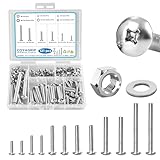
I remember hauling a bucket of old bolts and nuts from a ’78 pickup I was dismantling years ago. They were heavy, greasy, and I was just tossing them in the scrap bin, wondering if they were even worth the effort. It got me thinking: are bolts and nuts from a car considered short iron, and does anyone actually care about them beyond their immediate automotive purpose?
For a long time, the answer felt like a resounding ‘who cares?’ But as scrap prices fluctuate and the world gets more interested in recycling every last bit of metal, it’s a fair question.
So, let’s cut to the chase. The short answer is yes, they are iron, and in the grand scheme of scrap, they fall into categories that definitely have value, even if it’s not a king’s ransom.
What’s Actually in Your Toolbox (or Under Your Car)
When you’re wrestling with a stubborn bolt or a stripped nut on your car, you’re dealing with something forged for a specific job. These aren’t just random pieces of metal; they’re engineered components. Most automotive fasteners – bolts, nuts, washers, even some of the smaller bracketry – are made from various grades of steel. Steel, at its core, is an alloy of iron and carbon. So, technically, yes, they are iron-based products.
The ‘short iron’ terminology isn’t something you’ll hear much in everyday conversation, but in the scrap metal world, it generally refers to smaller, often irregularly shaped ferrous (iron-containing) metal items that aren’t large structural pieces or heavy machinery parts. Think of things like turnings, shavings, small castings, and yes, bags of old fasteners. They’re still ferrous, they still have value, but they’re not the prime, heavy-duty stuff that fetches the highest per-pound rates. I’ve seen guys at the scrap yard sort through bins of old bolts, separating them from other junk, and while they won’t get rich doing it, it all adds up.
The composition of these bolts and nuts can vary. You’ve got standard carbon steel bolts, which are common for most general-purpose applications.
Then there are alloy steels, which might contain elements like chromium, molybdenum, or nickel to give them extra strength, corrosion resistance, or heat tolerance. Some specialized fasteners, especially on high-performance vehicles or in areas exposed to extreme conditions, might be made from more exotic alloys. However, for the vast majority of nuts and bolts you’ll find holding your car together, it’s variations on steel. This means they’re all going to be accepted at a ferrous scrap yard.
The key is understanding that while they are iron, the specific grade and presence of other alloys can slightly affect their market price, though for small quantities, the difference is often negligible.
When I was rebuilding a motorcycle engine a few years back, I ended up with a massive coffee can full of old bolts and nuts. I thought about meticulously cleaning them up and selling them online as ‘reusable parts,’ but honestly, the time involved versus the potential profit just wasn’t there. So, they went into the scrap bin. It’s a practical consideration: is the effort to sort, clean, and categorize worth the extra few bucks per pound? For most DIYers, the answer is probably no.
The Scrap Yard Sorting Game: What They’re Really Looking For
Scrap yards operate on volume and efficiency. When you bring in a load of metal, it gets sorted into different categories. This is where the ‘short iron’ concept becomes more relevant. They’re not just dumping everything into one giant pile and hoping for the best. Ferrous scrap is broadly divided into categories like heavy melt, light iron, shredded scrap, and cast iron. Nuts and bolts from a car, being relatively small and not particularly heavy per piece, would likely fall into the ‘light iron’ or ‘shredded scrap’ categories if mixed with other car parts. (See Also: Can I Buy A Full Auto Bolt Carrier )
If you were to take them in a separate, clean container, they might be classified as ‘bolts and nuts’ or a similar sub-category of light ferrous. The price difference between these categories can be significant. Heavy melt, for instance, might be thicker, denser steel that can be melted down efficiently. Light iron, on the other hand, requires more processing, like shredding, to get it ready for the furnace. I’ve seen scrap yard operators eyeball a pile of mixed car parts and give a price based on the overall density of usable steel. A car full of tiny bolts won’t weigh as much as a car with large frame components, so the price per pound reflects that.
The reason ‘short iron’ or light ferrous items fetch less is that they often contain more contaminants (like rubber, plastic, paint, or grease) and require more energy and processing to get them to a usable state for foundries. A pile of greasy, mismatched bolts? That’s going to be a lower grade than a pallet of clean, sorted industrial steel bolts.
Most yards will have a minimum weight requirement for certain categories, and a small bag of car bolts might not even meet that threshold to be priced separately. They’ll just get lumped in with whatever other light ferrous material you have.
It’s not about the ‘iron’ being shorter, but about the form factor and density of the material. A single, massive engine block is definitely not ‘short iron’; it’s prime heavy ferrous.
Here’s a simplified breakdown you might see at a yard:
| Scrap Category | Typical Components | Notes |
|---|---|---|
| Heavy Melt Steel | Engine blocks, frame rails, large castings, thick sheet metal | High density, low contamination. Best prices. |
| Light Iron / Shredded Scrap | Car bodies (post-shredding), appliances, thin sheet metal, mixed fasteners | Requires shredding or extensive sorting. Moderate prices. |
| Cast Iron | Pans, engine blocks (some types), brake rotors, manifolds | Different melting point and properties than steel. Separate pricing. |
| Specialty (e.g., Stainless, Aluminum) | Not applicable here | Non-ferrous metals, handled separately. |
So, while your car’s nuts and bolts are indeed ferrous, they are usually part of the ‘light iron’ or ‘shredded scrap’ category. This isn’t a technical classification of the iron itself, but rather how the metal is sorted and valued in the scrap market.
Why Common Advice Might Lead You Astray
There’s a lot of online chatter about maximizing scrap value, and some of it is just plain wrong or overly optimistic for the average person. You’ll see people suggesting you meticulously sort every single washer and bolt, clean them with wire brushes, and try to sell them as ‘high-grade steel scrap.’ Honestly, unless you have a commercial operation or a massive stockpile, the time and effort involved will likely cost you more than you’ll gain. I learned this the hard way after spending an entire weekend cleaning hundreds of small parts from an old lawnmower, only to get about $7 at the scrap yard. It felt like I’d paid myself $1.40 an hour.
The real advice, the kind that saves you time and sanity, is to focus on the bulk. If you’re bringing in a car for scrap, the yard is going to weigh the whole thing. The value of the individual nuts and bolts is baked into that overall weight. If you’re doing a small teardown and just have a bucket of fasteners, it might be worth bundling them with other light ferrous items you’re getting rid of, like old shelving or appliance parts. Trying to get a premium price for a small quantity of ‘clean’ car bolts is usually a fool’s errand. The scrap market operates on scale, not on the pristine condition of a few handfuls of hardware.
Another common piece of advice is to separate non-ferrous metals (like copper, aluminum, brass) from ferrous. This is absolutely true and very important. Non-ferrous metals are worth significantly more. But within the ferrous category, the distinctions are less about the ‘type’ of iron and more about its density, cleanliness, and form. So, while separating your copper wiring from your steel exhaust pipe is a no-brainer, spending hours trying to differentiate between a Grade 5 and a Grade 8 bolt for scrap purposes is usually not worth your time. The scrap yard will likely classify them both as light iron anyway. (See Also: Are Mercruiser 5 7 Engines Four Bolt Mains )
My contrarian take? Don’t obsess over the tiny stuff. If you’re scrapping a whole car, the nuts and bolts are incidental. If you’re doing a small project and have a few handfuls left over, toss them in with your general steel scrap. It’s the big pieces – the engine block, the transmission, the body panels – that contribute the most weight and value to your ferrous scrap load. Focus your energy where it makes the biggest difference.
Real-World Use Cases and Practical Tips
Beyond the scrap yard, are there other reasons to care about car bolts and nuts being considered iron? Absolutely. For hobbyists, restorers, and even some mechanics, understanding the material can be important. For instance, if you’re restoring a classic car, using correct original fasteners is part of the authenticity. While they are iron, the specific markings on them can denote their grade and manufacturer, which is a big deal for purists. These aren’t just generic bolts; they’re pieces of the car’s history.
For general maintenance, knowing they’re steel means you can use magnetic tools to pick them up, and you know they’ll respond to standard threading tools. You also know they’re susceptible to rust, which is why you see so many different coatings on modern bolts – zinc plating, cadmium plating, phosphating. These coatings aren’t just for looks; they’re there to protect the iron from the elements. A rusty bolt is still an iron bolt, but its structural integrity can be compromised. This is why, when replacing important fasteners, using new, properly coated bolts is almost always the right move, even if it costs a few bucks more than trying to salvage a rusty original.
A practical tip: when you’re working on a car and removing a lot of fasteners, especially if they’re all going to be put back on, get some magnetic trays or even a cheap magnetic sweeper. They’re fantastic for keeping track of small parts like nuts and bolts. You won’t lose them under the car, and they’ll be ready for reinstallation. These tools work precisely because the fasteners are made of ferrous material. If you’re dealing with aluminum or stainless steel parts (less common for standard fasteners, but possible), magnets won’t help.
Another tip: always keep a small selection of common sizes of new, quality bolts and nuts on hand. Things like M6, M8, and M10 bolts in various lengths and thread pitches, along with corresponding nuts and washers. You’ll inevitably need to replace a snapped bolt or a damaged nut, and having spares means you don’t have to stop your project to run to the auto parts store. Store them in a compartmentalized box. They’re cheap insurance against project delays. And yes, these new ones are also iron-based, with protective coatings.
Faq Section
Are Car Bolts and Nuts the Same as Hardware Store Bolts?
Generally, yes, they are made from similar grades of steel and are ferrous. However, automotive fasteners are often manufactured to tighter tolerances and may have specific coatings or material compositions for strength and corrosion resistance demanded by vehicle applications. Hardware store bolts are more general-purpose.
Can I Mix and Match Different Grades of Car Bolts?
For non-important applications, you might get away with it, but it’s not recommended. Different grades of bolts have different tensile strengths. Using a lower-grade bolt where a higher-grade one is specified can lead to failure. Always try to use the correct grade specified by the manufacturer, especially for safety-related components like suspension or brakes.
How Do I Dispose of Old Car Bolts and Nuts?
The most common and practical way is to take them to a local scrap metal recycler. They are considered ferrous scrap. If you have a very small quantity, you can often just add them to other household steel items you’re taking for recycling. Just make sure they are relatively free of excessive grease and other contaminants for better scrap value.
What Is the Difference Between Iron and Steel in Car Parts?
Steel is an alloy primarily made of iron and carbon. Most car bolts and nuts are made of steel because it’s stronger and more durable than pure iron. The percentage of carbon and the addition of other alloying elements determine the specific grade and properties of the steel used. (See Also: Can Am Merverick X3 Max Xrs Wheel Bolt Pattern )
Are All Car Bolts Made of Iron?
Almost all standard car bolts and nuts are made of steel, which is an iron alloy. However, some specialized or high-performance vehicles might use fasteners made from titanium or high-strength aluminum alloys, which are not iron-based. But for the vast majority of cars, you’re dealing with steel fasteners.
The Weight of Metal: Understanding Scrap Value
When you talk about the value of car bolts and nuts in the context of scrap metal, you’re talking about their weight. The scrap market prices are almost entirely based on the weight of the material you bring in, divided into categories. As we’ve established, nuts and bolts from a car fall into the light ferrous category. This means their per-pound value is lower than heavy melt steel or cast iron.
Let’s say, for argument’s sake, that heavy melt steel is fetching $300-$400 per ton (that’s 2000 lbs), and light iron is going for $150-$250 per ton. A ton of just nuts and bolts would take up an enormous amount of space.
You’d need thousands and thousands of them to even get close to a ton. I remember a guy at the yard once showing me a huge tote bin, easily a few hundred pounds, filled with nothing but old spark plugs and similar small metal bits.
He said it was mostly aluminum and copper, but even then, the value per pound was far less than clean, solid blocks of those metals. So, if you think a car body is going to be mostly heavy melt, a bucket of bolts is definitely on the lighter end of the ferrous spectrum.
The actual monetary value of a few pounds of car bolts is minimal. If you take 10 pounds of mixed nuts and bolts to a scrap yard, and the light iron rate is $200 per ton ($0.10 per pound), you’re looking at a whole dollar. Now, if you have a whole car, the frame, engine block, and thicker metal components will contribute far more to the overall weight and value. The nuts and bolts are just a tiny fraction of that total. So, while they are ‘iron’ and have a value, it’s not enough to get excited about unless you’re collecting them by the ton.
This is why the common advice to separate non-ferrous metals is so important. Copper wiring from your car’s harness could be worth $3-$4 per pound, aluminum wheels might fetch $0.50-$1.00 per pound, and steel is currently in the $0.10-$0.20 per pound range (prices fluctuate wildly). So, your small pile of iron bolts is at the bottom of the hierarchy, but still better than just throwing them in the trash if you’re already at the scrap yard.
The key takeaway here is that while your car’s nuts and bolts are indeed considered iron (specifically, steel), and they do have a scrap value, they are generally classified as light ferrous material. Their value is based on weight, and individually, they contribute very little to the overall scrap price compared to larger, denser steel components. Unless you’re dealing with commercial quantities or have a specific need to sell them, their scrap value as individual items is usually negligible compared to the effort involved in sorting and cleaning them.
Conclusion
So, to wrap this up, yes, those little metal guys holding your car together are indeed iron-based, making them ferrous scrap. They’re not ‘short iron’ in a technical material science sense, but in the scrap world, they fit into the lighter, less dense categories. Trying to get rich off a bucket of old bolts is a pipe dream; their value is truly in the aggregate, contributing to the overall weight of a larger scrap load.
My advice? If you’re scrapping a whole vehicle, let them go with the rest. If you happen to have a surplus from a project, toss them in with your other steel. Don’t sweat the small stuff when it comes to scrap. Focus on the bigger, denser pieces for any real return. They’re iron, they have value, but don’t get lost in the details of every single nut and bolt.
For most of us, their primary value is in keeping our cars running, not in the pennies they might fetch at the junkyard. So next time you’re under there, give a nod to the humble fastener – it’s doing its job, made of iron, and contributing to the whole picture.