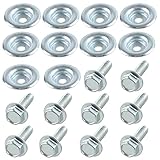
I remember staring at the endless rows of ‘am bolts’ online, feeling like a kid in a candy store that only sold disappointment. I’d spent a small fortune over the years on shiny, overhyped hardware that promised the moon and delivered a slightly rusty pebble. Some folks swear by certain brands, others by specific materials, but frankly, a lot of the ‘expert’ advice out there is just noise.
The truth is, finding good am bolts phoenix can feel like a scavenger hunt with a rigged map. You want something that works, lasts, and doesn’t require a second mortgage. This isn’t about fancy marketing; it’s about getting your hands dirty and knowing what actually holds up.
My First Real Test with Am Bolts Phoenix
My journey into the world of specialty fasteners really kicked off when I was building a custom workbench. I needed something solid, something that wouldn’t warp or strip under serious load. Naturally, I hit Amazon, and the term ‘am bolts phoenix’ kept popping up. It sounded official, like a specific type of high-strength bolt, maybe even some secret military spec.
I ended up buying a pack of what looked like the most promising ones. They looked good, felt heavy, and the seller’s description was practically a love letter to their tensile strength. Fast forward two weeks, and one of the bolts holding a important joint decided to part ways with its thread. Not a dramatic failure, just… done. I was annoyed, sure, but mostly, I was confused. What did I miss?
This wasn’t some cheap, flimsy hardware. This was supposed to be top-tier. It dawned on me that ‘am bolts phoenix’ wasn’t a secret code for ultimate strength. It was just a search term, and like any broad search, it pulls in a lot of junk. My mistake was assuming the term itself guaranteed quality. I learned that day that you have to dig deeper than the keywords. The real magic, or lack thereof, is in the specs and the actual material science, not just the catchy name.
Deconstructing the ‘am Bolts Phoenix’ Hype
So, what are people actually looking for when they type ‘am bolts phoenix’ into a search bar? For starters, they’re probably after fasteners that are known for their durability and reliability, especially for applications where standard hardware might fail. This could be anything from automotive repairs to serious DIY projects, or even industrial uses. People want bolts that can handle stress, resist corrosion, and maintain their integrity over time.
The ‘phoenix’ part, I suspect, is aspirational. It implies a rebirth of strength, a bolt that rises from the ashes of lesser fasteners. It’s a marketing angle, plain and simple. But it points to a genuine need: users are frustrated with bolts that strip easily, snap under pressure, or corrode into uselessness. They want something that feels like it was forged in fire and built to last. This usually translates to specific material types like high-grade alloy steels or stainless steel varieties that offer superior strength and corrosion resistance.
Common advice you’ll find online often gets tangled up in jargon. You’ll see mentions of SAE grades and metric classes, tensile strength figures, and yield strengths. While these are important, they can be overwhelming. For the average person, it’s about understanding the practical implications: Will it hold that heavy shelf? Will it survive a winter in the salt belt? Will it torque down properly without the head rounding off?
I’ve seen too many product descriptions that tout ‘high strength’ without giving concrete numbers or specifying the exact alloy. This is where the disappointment creeps in. When a bolt looks good but performs poorly, it’s a sign that the marketing is outstripping the substance. The ‘phoenix’ is often just a shiny coat of paint. Real strength comes from metallurgy, not just a good name.
Why Material Matters More Than the Name
It’s easy to get caught up in brand names or fancy packaging, but when it comes to fasteners, especially those you’d search for using a term like ‘am bolts phoenix’, the material is king. Forget the marketing fluff; understand what the bolt is actually made of. This is where the real durability and strength lie.
High-carbon steel is a common choice for strength, but without proper treatment, it can be brittle and prone to rust. This is where grades come into play. For instance, SAE Grade 5 and Grade 8 bolts are standard in the US. Grade 8 is significantly stronger and more ductile than Grade 5, making it suitable for heavier-duty applications. If you see something that claims to be super strong but doesn’t mention its grade or equivalent metric class (like Class 8.8, 10.9, or 12.9), be skeptical. Higher numbers generally mean higher strength.
Then there’s stainless steel. It’s not inherently stronger than all alloy steels, but its corrosion resistance is a huge advantage in many environments. However, not all stainless steel is created equal. 304 stainless is common and offers good resistance, but for more demanding corrosive environments, 316 stainless steel, which contains molybdenum, is superior. I once used standard stainless bolts for an outdoor gate, and within two years, they were showing significant pitting. Swapping to 316 made a world of difference. If your application involves moisture, salt, or chemicals, don’t skimp on the stainless grade. (See Also: Are All Honda Atv Bolt Patterns The Same )
Alloy steels are where you get into the really high-performance stuff. These bolts have elements like chromium, molybdenum, nickel, or vanadium added to enhance properties like hardness, toughness, and resistance to temperature extremes. These are often what people are actually after when they search for something like ‘am bolts phoenix,’ hoping to find that perfect blend of strength and resilience. Without knowing the specific alloy and heat treatment, you’re just guessing.
My ‘never Again’ Stainless Steel Blunder
I had a project where I was building an outdoor furniture set from reclaimed barn wood. It looked fantastic, rustic and solid. For the hardware, I decided to go with what I thought was a smart choice: stainless steel bolts. I figured, ‘Outdoor furniture? It’s going to get wet, maybe rained on, definitely exposed to humidity. Stainless is the way to go.’ I bought a bulk pack of what the seller described as ‘premium stainless steel bolts,’ and they looked beautiful – shiny and clean.
About a year later, I went to tighten a few things on the bench because it had settled a bit. To my horror, several of the bolt heads were showing rust spots, and some of the threads were starting to seize up. It wasn’t just surface rust; it was actual corrosion eating into the metal. I was shocked. I had spent extra for stainless steel, expecting it to last indefinitely outdoors, and it was failing within a single season.
It turns out I hadn’t paid close enough attention to the type of stainless steel. I had likely bought 304 or even a lower grade, which, while decent for many indoor applications or mild outdoor exposure, is not sufficient for constant dampness and potential salt spray (even from road salt if it’s near a driveway). The lesson hit hard: not all stainless steel is created equal, and assuming it is can lead to expensive mistakes. If you’re serious about corrosion resistance in harsh environments, you need to be looking at specific grades like 316, and even then, understand its limitations. This experience taught me to be way more discerning about material specifications, especially when a broad search term like ‘am bolts phoenix’ could yield a wide range of quality.
What to Actually Look for (beyond the Buzzwords)
Okay, so you’ve bypassed the marketing fluff and understand that material and grade are key. Now, how do you actually translate that into picking the right am bolts phoenix for your job? It boils down to a few practical checks:
First, specifications. Don’t buy anything without clear specs. Look for:
- Material: Stainless Steel (specify grade like 304, 316), Alloy Steel (specify grade like 8, 10.9, 12.9), or plain Carbon Steel (with grade).
- Grade/Class: SAE Grade 2, 5, 8, or Metric Class 4.6, 8.8, 10.9, 12.9. Higher numbers are generally stronger.
- Thread Type: Coarse (UNC) or Fine (UNF) thread for imperial, or the metric pitch. Coarse is more common and forgiving, fine is stronger and less prone to loosening.
- Head Style: Hex bolt, carriage bolt, button head, socket head cap screw, etc. Each has its use. Hex is versatile.
- Size: Diameter and length. Measure carefully!
Second, manufacturer reputation. While you might not find a ‘Phoenix Bolt Company’ that’s a household name, look at the seller or manufacturer. Do they have other products? Are reviews generally positive across their offerings, not just for one specific item? Sometimes, smaller, specialized fastener companies offer better quality than mass-market brands that are just trying to hit a price point.
Third, price as an indicator (but not the only one). If a pack of high-strength bolts is ridiculously cheap, something is wrong. Either the material is substandard, the manufacturing is poor, or they’re not what they claim to be. Conversely, the most expensive option isn’t always the best. Find that sweet spot where quality materials and good reviews meet a reasonable price.
I’ve learned to avoid listings that are vague. If it just says ‘heavy duty bolts’ with no grade or material specified beyond ‘metal,’ I move on. It’s not worth the gamble. I’d rather spend a few extra bucks on something with clear specifications than have a fastener fail when I need it most. Sometimes, buying a small quantity from a local, reputable hardware store is better than a huge online pack of unknowns.
A Table of Common Bolt Types and My Take
Here’s a quick rundown of common bolt types you might encounter when searching for reliable fasteners, with my personal take on their typical use and value:
| Bolt Type | Common Materials | Typical Use | My Verdict |
|---|---|---|---|
| Hex Bolts | Steel (various grades), Stainless Steel | General construction, machinery, automotive. Very versatile. | The workhorse. Reliable if you get the right grade/material. My go-to for most projects. |
| Carriage Bolts | Steel, Stainless Steel | Wood construction, fencing, where a smooth, tamper-resistant head is needed. | Great for preventing turning when tightening from the other side, but limited in strength compared to hex. Good for specific applications. |
| Socket Head Cap Screws | Alloy Steel (high tensile), Stainless Steel | Machinery, tight spaces, where a low-profile, high-strength fastener is needed. | Excellent for precise applications and where you need maximum clamping force in a small package. Can be pricey. |
| Set Screws | Steel, Stainless Steel | Securing pulleys, gears, or knobs to shafts. No head, driven by Allen wrench. | Specialty item. Not for structural loads, but perfect for preventing relative motion. Easy to strip if overtightened. |
Common Mistakes When Buying Fasteners Online
The internet is a blessing and a curse for buying hardware. You have access to seemingly endless options, but it also makes it incredibly easy to make costly mistakes. When you’re hunting for something specific like ‘am bolts phoenix,’ be aware of these common pitfalls: (See Also: Are Ak Bolts Interchangeable )
1. Not Verifying the Grade/Material: This is the big one. Many listings are vague, especially on auction sites or with less reputable sellers. They might say ‘high-strength steel’ but not specify SAE Grade 5, 8, or the metric equivalent. Without that number, you’re flying blind. I once bought a pack labeled ‘industrial grade’ that performed worse than basic hardware store bolts. They were probably just standard carbon steel with a fancy sticker.
2. Overpaying for Unnecessary Features: Sometimes, you’ll see bolts with special coatings (like black oxide, zinc plating, or fancy proprietary finishes) that look cool but don’t add significant structural integrity for your needs. Unless you’re dealing with extreme corrosion or specific environmental factors, paying a premium for a coating you don’t need is money down the drain. A plain Grade 8 bolt is often stronger and more cost-effective than a coated lesser-grade bolt.
3. Assuming ‘Made in USA’ Means Superior Quality: While there are excellent US manufacturers, the ‘Made in USA’ label doesn’t automatically guarantee a superior product. Quality control can vary. Similarly, just because something is imported doesn’t mean it’s bad. It’s the specific manufacturer, their processes, and their material sourcing that matter, not just the country of origin.
4. Ignoring Reviews (or Reading Only the Good Ones): Reviews are your best friend and your worst enemy. Skim the reviews, but don’t just look at the star rating. Read the negative ones. Are people complaining about stripped heads, inconsistent sizing, or rust? Those are red flags. Conversely, positive reviews that mention specific use cases where the bolts performed well can be very reassuring. I learned to look for reviewers who sound like they actually used the product for a similar purpose to mine.
5. Buying Too Few or Too Many: It’s tempting to buy the absolute smallest quantity available if you only need a couple, but often the per-bolt price drops significantly when you buy in larger packs. However, don’t buy a thousand bolts if you only need ten, just because it’s cheaper per unit. You might end up with a surplus of hardware that’s not quite right for future projects, or worse, a giant box of bolts you’ll never use. Always try to estimate your needs accurately and factor in a few spares.
My ‘overkill’ Bolt Purchase Regret
I was building a sturdy shelf for my garage, the kind that could hold a small car. I wanted it to be absolutely bombproof. So, I scoured the internet for the strongest bolts I could find, eventually landing on a pack of 12.9 grade metric bolts. These are seriously high-tensile strength fasteners, usually found in performance automotive applications or industrial machinery. The listing was impressive, detailing incredible shear and tensile strengths.
I installed them, and the shelf was, without a doubt, incredibly secure. I could hang from it, bounce on it, and it wouldn’t budge. The problem? I spent about $40 on a dozen bolts that cost maybe $0.50 each in material value. For a garage shelf that was holding paint cans and gardening tools, it was ridiculous overkill. The sheer strength was entirely unnecessary, and I could have achieved 95% of the stability with basic Grade 8 hex bolts for a fraction of the price.
It was a classic case of letting the pursuit of ‘the best’ blind me to the actual requirements of the job. I learned that sometimes, the most expensive, highest-spec bolt isn’t the smartest choice. It’s about matching the fastener’s capability to the load and environment, not just chasing the highest number. I still have those leftover 12.9 bolts, a constant reminder of my expensive lesson in practical engineering.
Practical Tips for Using Your Fasteners
Once you’ve selected the right am bolts phoenix for the job, how you use them makes a big difference. It’s not just about screwing them in and walking away. Proper installation makes sure longevity and safety.
1. Use the Right Tools: This sounds obvious, but using a worn-out wrench or an improperly sized socket can round off bolt heads, making them impossible to tighten or remove later. Invest in a decent set of sockets, wrenches, and if applicable, torque wrenches. For Allen head bolts, make sure your hex keys are a snug fit. A loose hex key is a fast track to stripped sockets.
2. Torque Properly: Over-tightening can strip threads, weaken the bolt, or even damage the material you’re fastening. Under-tightening means the connection is loose and will likely fail under load. If the application is important (like automotive suspension or structural elements), use a torque wrench to tighten to the manufacturer’s recommended specification. For less important DIY, get a feel for it, but always err on the side of firm rather than loose. (See Also: Are All Bolt Patterns The Same )
3. Use Washers: Washers are often overlooked but are important for several reasons. They distribute the clamping force over a larger area, preventing the bolt head or nut from digging into the material. This is especially important with softer woods or metals. They also help prevent loosening due to vibration. Use hardened washers with high-strength bolts, as regular washers can deform. A lock washer can help prevent loosening in high-vibration environments, though they aren’t a perfect solution.
4. Consider Threadlocker: For applications subject to significant vibration or shock, consider using threadlocker (like Loctite). It’s a chemical compound that hardens between the threads, preventing loosening. It comes in different strengths, from removable (blue) to permanent (red). Always clean the threads before applying. This can be a lifesaver for outdoor equipment or anything that rattles.
5. Protect Against Corrosion (Even with Stainless): Even stainless steel can corrode under certain conditions. For important outdoor applications, applying a light coat of anti-seize compound or a marine-grade lubricant to the threads can help prevent galling (where the threads seize) and offer an additional layer of corrosion protection. If you’re using dissimilar metals (like aluminum and steel), always use an isolative compound to prevent galvanic corrosion.
Faq Section
What Is the Difference Between Sae and Metric Bolt Grades?
SAE (Society of Automotive Engineers) and Metric grades indicate a bolt’s strength. For SAE, grades like 2, 5, and 8 are common, with 8 being the strongest. For Metric, classes like 4.6, 8.8, 10.9, and 12.9 are used, with 12.9 being the strongest. While they don’t directly map one-to-one, a general comparison is that SAE Grade 5 is roughly equivalent to Metric Class 8.8, and SAE Grade 8 is similar to Metric Class 10.9. Always check specific tensile strength figures for precise comparisons.
Can I Reuse Bolts?
It depends. For low-stress applications or fasteners that haven’t been overtightened or damaged, reusing bolts is often fine. However, high-strength bolts, especially those used in important applications like automotive or structural components, are designed to be used once or a limited number of times. Repeated torquing can fatigue the metal, and overtightening can stretch the bolt, weakening it. If a bolt shows any signs of wear, damage, or deformation, it’s best to replace it.
What Is the Best Material for Outdoor Bolts?
For general outdoor use, 304 stainless steel is a good starting point, offering decent corrosion resistance. However, for harsher environments involving salt, moisture, or chemicals, 316 stainless steel is superior due to its molybdenum content, which enhances corrosion resistance. For very high-strength applications outdoors where corrosion is a concern, you might look at specialized coated alloy steels or high-grade stainless alloys, but 316 stainless is often the best balance of strength, corrosion resistance, and cost for most outdoor DIY.
How Do I Know If a Bolt Is Strong Enough?
You determine if a bolt is strong enough by matching its specified strength (grade and material) to the anticipated load and stress of the application. Manufacturers provide tensile strength and yield strength ratings for bolts. You need to calculate the forces your project will exert on the fasteners and then select bolts with ratings that significantly exceed those forces to provide a safety margin. Consulting engineering tables or online calculators for specific applications can help, but for most DIY, understanding the common grades (SAE 8 or Metric 10.9/12.9 for heavy duty) is a good start.
Final Verdict
So, when you’re typing ‘am bolts phoenix’ into your search bar, remember you’re not looking for a magic bullet, but for specific qualities: strength, durability, and corrosion resistance. This often means understanding material grades like SAE 8 or Metric 10.9/12.9, and knowing when to opt for specific stainless steel grades like 316.
Don’t get fooled by fancy names or vague descriptions. Check the specs. If it’s not there, or if the price seems too good to be true, walk away. A few extra dollars spent on quality fasteners upfront can save you a massive headache, and potentially a dangerous failure, down the line.
Next time you’re buying hardware, take a moment. Read the fine print. Your project – and your sanity – will thank you for it. It’s about making informed choices, not just finding the cheapest or flashiest option.