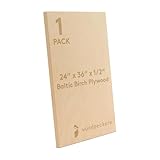
I remember the first time I tried to tackle a custom built-in shelving project. I’d seen all these glossy magazine spreads and Instagram posts, and I figured, how hard could it be? I walked into the lumberyard, looked at the stacks of plywood, and felt utterly overwhelmed. Most of it looked… well, like wood. I ended up grabbing what I thought was a good deal from a big box store, only to realize later it was absolute junk. That’s how I learned that not all plywood is created equal, and when you’re looking for something reliable, a place like a and m supply plywood might be your best bet.
It’s easy to get lost in the jargon and the sheer variety. You’ve got your hardwoods, your softwoods, your fancy veneers, and your everyday construction stuff. My goal here is to cut through the noise and tell you what actually matters when you’re buying plywood for real projects, not just for show.
Why You Should Care Where You Buy Plywood
Look, I’ve made the mistake. I’ve stood in a hardware store, squinting at tiny stamps on a sheet of plywood, trying to decipher what the hell “CDX” even means and whether it’s going to hold up my workbench or disintegrate if a single drop of water hits it. It’s a gamble I’m not willing to take anymore, especially when time and money are on the line.
For me, the search for reliable sources led me to explore places that specialize, and that’s where outfits like a and m supply plywood come into the picture. These aren’t the guys trying to sell you pre-cut 2x4s and garden gnomes. They’re focused on wood. That focus usually means better quality and more knowledgeable staff, which is gold when you’re trying to figure out the best material for your specific needs.
Think about it: when you go to a specialist, whether it’s for tires, coffee, or lumber, you generally get better advice and a more consistent product. Plywood isn’t a commodity where every sheet is identical.
There are different grades, different core materials, different glues, and different manufacturing processes. A dedicated supplier, one that understands the nuances of wood products, is more likely to stock a range that caters to actual builders and serious DIYers, not just people slapping together a quick shed.
They’ll know the difference between a good utility grade and something that can actually take a finish and look decent. I once bought a sheet of what was labeled “cabinet grade” from a general big-box store, and the veneer was so thin and full of voids you could practically see through it. It was a complete waste of money and effort.
That’s a mistake you don’t make twice.
Furthermore, the way plywood is stored matters. Is it out in the rain? Is it warped from being stacked improperly? A specialist yard usually has better storage facilities, protecting the product from the elements and making sure it stays flat and true. This might seem like a small detail, but when you’re trying to get perfectly square cuts or assemble complex joinery, a warped sheet of plywood is a nightmare. It’s the kind of frustrating reality that can turn a fun project into a bitter slog. So, yes, the origin of your plywood matters. A lot.
Decoding the Plywood Alphabet Soup: Grades and Types
Alright, let’s get down to the nitty-gritty. You walk into a place that actually knows plywood, and you’re still going to see letters and numbers. Don’t let it scare you. Understanding the basic grading system is your first real defense against buying garbage.
The most common system you’ll see, especially for construction and utility grades, involves two letters. The first letter describes the face veneer (the pretty side), and the second describes the back veneer. Think of it like this: A is the best, D is the worst.
So, AA is going to be pretty much flawless on both sides. AC means the face is good, but the back might have some knots or patches. CDX?
That’s usually a C grade face and a D grade back, with ‘X’ meaning exterior glue, which is important if it’s going to see any moisture. It’s not meant to be pretty, it’s meant to be functional. (See Also: Can A 4x8 Plywood Fit In A Honda Pilot )
For furniture or projects where you want a smooth finish, you’re looking at different codes. Cabinet-grade plywood often uses the Hardwood Plywood & Veneer Association (HPVA) grading system, which can be more complex. You might see grades like A-1, A-2, B-1, etc.
Generally, the lower the number, the better the grade. An A-1 panel is going to have a very smooth, knot-free veneer on one side. An A-4 panel might have some small knots or minor imperfections. The core construction also matters.
You’ve got your common pine or fir plywoods, which are good for structural stuff. Then there are hardwood plywoods like birch, oak, or maple, which are typically used for cabinets, furniture, and decorative panels.
These often have a softwood or composite core, but the face veneer is the hardwood you’re paying for.
Here’s a little table I put together to give you a rough idea. Remember, this is a simplification, and specific manufacturers might have slight variations. But it’s a good starting point.
| Grade | Face Veneer | Back Veneer | Typical Use | My Verdict |
|---|---|---|---|---|
| AA | Smooth, uniform, minimal defects | Smooth, uniform, minimal defects | High-end cabinetry, furniture, paneling | The best, but overkill for most projects and pricey. |
| A-B | Smooth, uniform | Minor imperfections, small knots | Cabinet doors, furniture, high-quality shelving | A solid choice for good looks without breaking the bank. |
| CDX | Some knots, minor repairs | More knots, some repairs | Sheathing, subflooring, basic construction, utility boxes | Functional, but don’t expect it to look nice. Good for the bones of a project. |
| BC | Smooth, uniform | Some knots, minor repairs | Shelving, utility furniture, cabinet carcasses | A good all-rounder for DIY projects that need decent looks and function. |
| AC | Smooth, uniform | D grade or better | General construction, sheds, basic shelving | Similar to BC, a decent utility grade if you can’t find BC. |
When I was building a simple desk, I ended up using a BC grade birch plywood. The face was nice enough to take a clear coat and look respectable, and the back was good enough for the underside where no one would see it. It was a good balance of cost and appearance. Don’t overspend on AA grade if you’re building a workbench, and don’t use CDX for a fancy display cabinet.
Common Plywood Pitfalls and How to Avoid Them
I’m going to tell you about a project where I, a supposedly experienced woodworker (ha!), completely botched a plywood purchase. I was building some floating shelves for my living room. I wanted them to be strong, and I thought, “Plywood is strong, right?”
So, I went to a general lumber yard, not a dedicated supplier, and picked out a sheet of what looked like decent birch plywood. It was heavy.
It felt solid. I got it home, cut it, routed the edges, and started applying a nice clear varnish. That’s when I saw it.
On the edges, where I had cut, the layers started to delaminate. Not everywhere, but in spots.
And on the surface, under the varnish, I could see tiny little voids, like pinprick holes, that were visible because of the light hitting them just right. It looked amateurish. I had bought plywood with a weak glue bond and a face veneer that wasn’t perfectly solid.
The big mistake? Not checking the core. Many cheaper plywoods use a lower-quality core material, sometimes with large voids between the plies. When you cut into it, or when you apply finish, these voids become apparent. Also, the glue matters. For any project that might be exposed to even a hint of moisture (spilled drinks count!), you need exterior glue or a waterproof glue. Standard interior glue will delaminate over time, and you’ll end up with a warped, peeling mess. That’s another reason to trust a supplier that knows their stuff—they’ll steer you towards the right glue type. (See Also: Can Bondo Be Applied To Plywood )
Another trap is buying the cheapest option available. I’ve done it.
You see a price that seems too good to be true, and you grab it. Usually, that means you’re getting a lower grade of veneer, more internal voids, or a weaker glue.
I once spent about $70 on a sheet of what was supposed to be cabinet-grade oak plywood. It was so full of voids and the veneer was so thin that I could barely get a smooth finish. I ended up having to fill it with wood filler, which took forever, and it still didn’t look quite right.
That $70 sheet cost me about $120 in time and filler. Always factor in the time and effort you’ll spend fixing defects versus the upfront cost of better material. Sometimes, paying a bit more for quality upfront saves you a ton of headaches later.
Real-World Plywood Uses: What Works, What Doesn’t
So, what’s plywood actually good for? A lot, but you need to pick the right type. For structural stuff – subflooring, roof sheathing, framing walls – you’re going to be looking at utility grades like CDX or equivalent. These are designed for strength and durability, not beauty. The exterior glue is a must here because the building envelope is exposed to weather during construction and sometimes long-term. I’ve used CDX for building simple, rough-and-tumble storage boxes in the garage, and it’s perfect for that. It takes a beating, it’s cheap, and I don’t care if it gets a little dusty or scratched.
For furniture and cabinetry, the game changes. You want something that looks good and holds up. Birch plywood is a workhorse.
It’s relatively affordable, the veneer is usually quite smooth and consistent, and it takes finishes well. I’ve built countless shelves, cabinet carcasses, and even a few simple tables out of birch ply. It’s a no-brainer for most DIY furniture projects.
Maple and oak plywood are also excellent, offering a more premium look, but they come with a higher price tag. If you’re building something high-end, like a custom kitchen or a fine piece of furniture, the hardwood veneer plywoods are your friend.
Just be sure to check the core; sometimes even high-end plywood can have a less desirable core material, which can affect stability and weight.
What about projects that require precision and a really smooth surface? This is where you need to be extra picky. For jigs, templates, or even speaker enclosures where every millimeter counts, I prefer Baltic Birch plywood. It’s constructed differently, with more plies and no voids in the core. It’s incredibly stable and strong, and the edge banding looks great. It’s more expensive, but the quality is undeniable. I used it for a router table insert and some zero-clearance inserts for my table saw, and the precision and stability were exactly what I needed. It really makes a difference when your tool’s performance depends on the flatness and rigidity of your material.
People Also Ask: Common Plywood Questions Answered
How Do I Know If Plywood Is Good Quality?
Good quality plywood will have a smooth, consistent face veneer with minimal knots, voids, or repairs. When you look at the edges, you should see evenly spaced plies with no large gaps or delamination. A reputable supplier, like a and m supply plywood, will be able to tell you about the core construction and the type of glue used. For structural applications, look for the appropriate grade and exterior glue. For visible projects, focus on the face veneer quality and the absence of internal defects.
What Is the Best Plywood for Furniture?
For furniture, the best plywood depends on your budget and desired look. Birch plywood is a fantastic all-rounder, offering good quality and a smooth surface at a reasonable price. For a more premium look, consider oak or maple veneer plywood. If stability and a clean edge are most important, Baltic Birch plywood is an excellent, albeit more expensive, choice. Always check the grade and make sure it’s suitable for finishing if you plan to paint or stain. (See Also: Can Cat Plywood Be Used For Exterior Siding )
Can I Use Cdx Plywood for Shelves?
You can use CDX plywood for shelves, but it’s generally not recommended for anything where appearance matters or where the shelves will be heavily loaded and frequently used. CDX is a utility-grade plywood meant for structural applications like sheathing. The face veneer is often rough, with knots and patches, and it’s not designed for a smooth finish. If you need shelves for a garage or a workshop where aesthetics aren’t a concern, it might suffice. For anything else, opt for a higher grade like BC or cabinet-grade birch.
What Does “voids” Mean in Plywood?
Voids in plywood refer to empty spaces or gaps within the internal layers (plies) of the wood core. These occur during the manufacturing process when the wood veneers are glued together. Cheaper plywoods often have more and larger voids, which can weaken the panel, affect its stability, and become visible when the edges are cut or when finishes are applied. High-quality plywood, like Baltic Birch, is manufactured with fewer or no voids for maximum strength and a clean appearance.
Practical Tips for Buying and Using Plywood
Okay, you’ve navigated the grading system, you’ve found a decent supplier, now what? Here are a few practical tips that have saved me time and frustration. First, inspect every sheet. Don’t just grab the first one off the stack.
Lay it flat if possible, or at least prop it up so you can look down the length of it. Check for flatness; any significant bowing or cupping is a red flag.
Run your hand over the face veneer – feel for any rough spots, delamination, or excessive filling. Look at the edges for any signs of voids or weak glue lines. A good supplier won’t mind you taking a moment to inspect the material. If they do, that’s a bad sign.
Second, plan your cuts. Plywood comes in standard sheets, usually 4×8 feet. Before you buy, sketch out your project and figure out the most efficient way to cut the pieces you need from a sheet. This is called “nesting” your cuts. It not only minimizes waste (saving you money) but also helps you avoid cutting across major defects or voids if you happen to get a sheet with minor imperfections. Most lumberyards will cut plywood for you, but they often charge for it, and they might not be as precise as you’d like. It’s usually worth investing in a decent circular saw with a good blade and a guide if you plan to do a lot of DIY work.
My third tip, and this is a big one: don’t be afraid to ask questions. If you’re at a place like a and m supply plywood, the people working there are usually enthusiasts or professionals who know their wood.
Tell them what you’re building. Are you making cabinets?
A workbench? A toy box?
They can recommend the right type, grade, and even suggest the best way to finish it. I once went in asking for something for a shop cabinet, and the guy pointed me to a specific type of melamine-coated particle board that was way cheaper and more suitable for that application than the plywood I was initially going to buy. Saved me a bunch of cash and hassle. That’s the benefit of dealing with people who actually know their stuff.
Conclusion
Plywood can be a fantastic material, but it’s not a one-size-fits-all deal. The difference between a project that looks great and holds up, and one that falls apart or looks shoddy, often comes down to choosing the right sheet from the right place. Don’t get caught out by misleading labels or the lure of the cheapest price. A little knowledge goes a long way.
Take the time to understand what you’re buying, inspect it carefully, and don’t hesitate to ask for advice. Whether you’re building a simple shelf or a complex piece of furniture, getting your plywood right is a foundational step.
Next time you’re staring down a stack of plywood at a supplier, you’ll know what to look for. And trust me, your future self will thank you for it.