I remember staring at a pile of lumber at the hardware store, completely overwhelmed. Two stacks, both looking… wooden. One was labeled ‘plywood,’ the other ‘cedar.’ I needed something for a workbench, something solid, something that wouldn’t warp into oblivion. The guy behind the counter mumbled something about ‘strength’ and ‘natural resistance,’ but honestly, it all sounded like marketing speak. I ended up buying the plywood, and let me tell you, I regretted it a week later. This whole are plywood and cedar question is more important than most people realize, and a wrong choice can cost you time, money, and a whole lot of frustration.
It’s not just about looks, either. The properties of these woods dictate what they’re good for, and more importantly, what they’re absolutely terrible for. Knowing the ins and outs can save you from building something that falls apart or rots away before its time.
So, What’s Actually Going on with These Woods?
Let’s cut to the chase. Plywood and cedar are fundamentally different beasts.
Plywood, at its core, is an engineered wood product. Think of it as a layered sandwich. You take thin slices of wood veneer – usually from trees like birch, pine, or fir – and glue them together. The trick is that the grain of each layer runs in a different direction.
This cross-graining is what gives plywood its incredible strength and stability. It’s significantly less likely to warp, twist, or shrink compared to a solid piece of wood.
When I built that workbench I mentioned earlier, I went with a standard ¾-inch birch plywood. It felt sturdy enough, right? Wrong.
While it held up structurally for a while, the edges started to fray, and any moisture made it swell up like a sponge. It wasn’t the ‘natural resistance’ I was hoping for, if you catch my drift.
Cedar, on the other hand, is a naturally occurring softwood. We’re talking aromatic red cedar, western red cedar, eastern white cedar – names you’ll see on the tags. What sets cedar apart, and why people pay a premium for it, is its natural oils.
These oils make it incredibly resistant to decay, rot, and, best of all, insects. Moths hate it. Termites aren’t thrilled.
This is why cedar is the go-to for closets, chests, outdoor furniture, and anything that needs to stand up to the elements or critters. I once built a small outdoor planter box entirely out of western red cedar.
Even after a few brutal winters and scorching summers, it looked almost as good as the day I built it. No rot, no warping, just a beautiful, slightly weathered look. The smell alone is a bonus; it’s that classic, pleasant cedar scent that makes you feel like you’re in a fancy closet.
The biggest misconception I hear is that plywood is ‘stronger’ than cedar. Yes, in terms of sheer dimensional stability and resistance to bending under load, a good quality plywood can outperform a single plank of cedar. However, ‘strength’ is relative. Cedar’s ‘strength’ lies in its durability against environmental factors and pests. Plywood’s strength is its structural integrity and resistance to warping. You wouldn’t build a high-end dining table out of the cheapest construction-grade plywood, and you wouldn’t build a shed wall solely out of thin cedar planks. It’s about choosing the right tool for the job, and understanding what ‘strength’ means in each context.
What to Look for When You’re Buying
Alright, you’ve decided you need one or the other (or maybe you’re still on the fence, which is fine, I’ll help). Here’s the real deal on picking good stuff.
With plywood, you’ll see grades like A, B, C, and D, often followed by a number (like A-C or B-D). Don’t let the letters confuse you; they refer to the quality of the veneer on each side.
‘A’ means a smooth, knot-free surface, perfect for painting or staining. ‘D’ means it’s pretty rough, with potential knots and imperfections. For general DIY projects where appearance isn’t most important, like the inside of a cabinet or a subfloor, a rougher grade is fine and much cheaper.
If you’re making furniture, you’ll want at least one side that’s A or B grade. Another thing to check is the core. Interior plywood uses glues that aren’t waterproof, while exterior or marine-grade plywood uses waterproof adhesives. (See Also: Can A 4x8 Plywood Fit In A Honda Pilot )
I learned this the hard way when a cheap plywood shed panel I used for a small outdoor storage bin started delaminating after just one rainy season. For anything exposed to moisture, pay the extra for exterior or marine grade.
You’ll thank yourself later.
Now, cedar. This is where the variety can be a bit mind-boggling.
Western Red Cedar is king for outdoor projects because it’s stable, rot-resistant, and beautiful. It’s also pricier. Eastern White Cedar is a bit softer and less dense but still offers good rot resistance.
Aromatic Red Cedar is what most people think of for moth-repelling closet lining. It’s beautiful but can be brittle and isn’t as durable for structural outdoor use. When you’re buying cedar, look for clear, tight grain. Knots are okay, especially in decorative pieces, but too many can weaken the wood and be a point where rot can start.
Also, check for moisture content. Wood that’s too wet will warp and shrink as it dries.
Reputable lumberyards will have their wood properly seasoned or kiln-dried. Don’t be afraid to ask. I once bought some cedar planks that looked great, but they were still damp. I stacked them in my garage, and a month later, they had twisted into abstract sculptures.
Lesson learned: always check moisture content, especially for outdoor or fine woodworking projects. The smell is also a good indicator – good cedar should have that distinct, pleasant aroma.
Common Mistakes People Make (and How to Avoid Them)
Okay, let’s talk about the screw-ups. Number one on my personal ‘Oops’ list: using interior-grade plywood for anything remotely exposed to the elements. I built a simple outdoor bench for my patio out of what I thought was decent plywood. It looked fine for about six months. Then, after a couple of spring showers, the edges started to fuzz up, and the whole thing began to sag in the middle. It was an expensive lesson in material selection. If it’s going outside, or anywhere it might get wet, make sure you’re using exterior-grade plywood with waterproof glue. Period. Don’t gamble on this; the savings aren’t worth the eventual soggy mess.
Another big mistake is treating cedar like regular lumber. People sometimes think because it’s rot-resistant, they can just slap it up anywhere without proper finishing or construction methods. While cedar is naturally durable, it’s still wood. For outdoor structures, proper drainage is key.
Make sure your cedar project has good airflow and isn’t sitting directly on the ground where it can wick up moisture. I also see folks trying to build structurally demanding items, like load-bearing beams for a deck, out of cedar. While some thicker cedar can handle some load, it’s generally not as strong or as dimensionally stable as construction-grade lumber or engineered products like plywood for those specific applications.
Think of cedar’s strength as its resilience, not its load-bearing capacity for everything. My neighbor once tried to use cedar fence pickets as the main support for a very ambitious treehouse. It held for a while, but after a few strong winds, it was a disaster waiting to happen. Stick to its strengths: natural resistance and beauty.
Overpaying for cedar is another common pitfall. Not all cedar is created equal, and you don’t always need the most expensive stuff.
If you’re lining a closet, aromatic red cedar is fantastic, but you don’t need western red cedar. If you’re building an outdoor deck railing where appearance is key, western red cedar is a good choice. If you just need some rustic-looking, rot-resistant trim for a garden bed, eastern white cedar might be more budget-friendly and perfectly adequate. Always consider the end use.
I once saw a guy buying premium clear western red cedar to build a simple doghouse. He could have gotten away with a much cheaper, knotty grade of cedar or even exterior plywood and saved himself a bundle. (See Also: Can Bondo Be Applied To Plywood )
Do your homework on the specific type of cedar and its intended purpose.
Real-World Applications: Where Do They Shine?
Let’s get practical. Plywood, in my book, really shines for structural applications where stability and strength are most important, and aesthetics are secondary, or can be addressed with a finish.
Think subflooring – that’s its bread and butter. It provides a solid, stable base for your finished flooring.
Cabinet carcasses are another huge one. You get a strong box that won’t rack or warp, and you can then put nice solid wood or veneer fronts on it. It’s also used extensively in furniture making, especially for drawer boxes, cabinet backs, and internal framing. When I built a custom bookshelf unit for my office, I used ¾-inch birch plywood for the main cabinet and shelves.
It was sturdy, held up to the weight of all my books, and I painted it a nice matte black. You can’t tell it’s plywood unless you’re inspecting the edge banding.
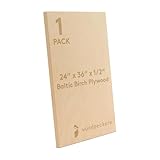
Another great use is for temporary structures, shop jigs, and even speaker boxes. The key is choosing the right grade and type for the job. For instance, Baltic birch plywood is a favorite among woodworkers for its strength, stability, and smooth, void-free plies, making it suitable for high-end cabinet carcasses and even some furniture pieces where the edges are left exposed.
Cedar, as we’ve touched on, is all about its natural defenses. Its primary applications are where exposure to the elements or pests is a concern.
Outdoor decks, fences, siding, and pergolas are prime candidates for cedar. It weathers beautifully, turning a lovely silvery gray if left unfinished, or it can be stained and sealed to maintain its original color.
I built a small garden shed using western red cedar siding. It’s been through hail, torrential rain, and scorching sun, and it still looks fantastic.
The scent it gives off after a rain is also a nice bonus. Cedar chests and closet lining are classic uses because of the moth-repelling properties of aromatic red cedar. It’s also used for outdoor furniture, planters, and even roofing shingles in some regions. The key here is that cedar provides a natural, low-maintenance durability that many other woods just can’t match without significant chemical treatment.
It’s a sustainable choice too, as many cedar species are readily available and renewable.
Here’s a quick comparison table to help you visualize:
| Feature | Plywood (General Purpose) | Cedar (Western Red) | My Verdict |
|---|---|---|---|
| Primary Use | Structural, cabinet boxes, subflooring | Outdoor projects, siding, fencing, aromatic lining | Plywood for structure, Cedar for durability. |
| Moisture Resistance | Poor (interior) to Good (exterior/marine) | Excellent (natural oils) | Cedar wins hands down for raw moisture protection. |
| Insect Resistance | Poor | Excellent (natural oils) | Cedar is the clear winner against bugs. |
| Dimensional Stability | Excellent (resists warping/twisting) | Good to Very Good (can warp if not dried properly) | Plywood is king for staying flat and true. |
| Strength (Load Bearing) | Very Good | Moderate (depends on species and thickness) | Plywood often has a higher strength-to-cost ratio for pure structural load. |
| Aesthetics | Varies by grade (can be painted/veneered) | Excellent (natural beauty, distinct grain) | Cedar has a natural, attractive look that’s hard to replicate. |
| Cost | Low to Moderate | Moderate to High | Plywood is generally more budget-friendly for its strength. |
A Few Practical Tips From the Trenches
When you’re working with plywood, especially the thicker stuff, remember it’s heavy. Don’t try to manhandle a full sheet of ¾-inch plywood by yourself unless you want a chiropractor’s phone number on speed dial. Get a helper, or invest in a hand truck or dolly.
For cutting, a sharp table saw blade will give you the cleanest edges. If you’re using a circular saw, use a guide to keep your cut straight; plywood can chip out easily on the exit side. Edge banding is your friend for hiding those plies if you want a finished look.
I used iron-on birch edge banding on my bookshelf project, and it made a world of difference. It’s tedious, but worth it. (See Also: Can Cat Plywood Be Used For Exterior Siding )
Also, remember to seal all edges of exterior-grade plywood, even if it’s waterproof glue. The edges are the most vulnerable part to moisture intrusion.
For cedar, if you’re planning to paint or stain it, pre-conditioning the wood with a stain-blocking primer is often a good idea. Cedar can bleed its natural oils, which can sometimes interfere with paint adhesion or the final color. My uncle tried to paint a cedar fence directly without priming, and the knots bled through the paint in a matter of months.
As for finishing, a good quality exterior varnish or sealer will protect it and enhance its natural beauty. If you’re going for that silvery weathered look, just leave it unfinished and let nature do its thing. When sanding cedar, wear a mask.
The dust can be irritating to some people, and it’s got that strong scent that can linger. A simple dust mask will do wonders. Finally, if you’re building something for a food garden, like raised beds, cedar is a great choice because it’s naturally rot-resistant and doesn’t require chemical treatments that could leach into the soil. Just make sure it’s untreated lumber.
Frequently Asked Questions About Plywood and Cedar
Can I Use Plywood for Outdoor Projects?
You absolutely can, but you must use exterior-grade or marine-grade plywood. These use waterproof glues that won’t break down when exposed to moisture. Standard interior plywood will delaminate and fall apart quickly outdoors. Always seal the edges thoroughly for maximum longevity.
Is Cedar More Expensive Than Plywood?
Generally, yes, cedar is more expensive than most common grades of plywood. This is due to its natural rot and insect resistance, desirable aroma, and the time it takes to properly dry and mill. The price difference can be significant, especially for clear, knot-free grades.
Which Wood Is Better for a Workbench: Plywood or Cedar?
For a workbench, plywood is usually the better choice, especially a thicker grade like ¾-inch birch or maple plywood. It offers a very stable, flat, and durable surface that can handle the abuse of tools and projects. Cedar is too soft and prone to denting and scratching for a typical workbench top.
Can I Mix Plywood and Cedar in the Same Project?
Yes, absolutely. It’s very common to use plywood for the structural, hidden parts of a project and cedar for the visible, exterior, or decorative elements. For example, you might use plywood for the frame of an outdoor bench and cedar for the seating slats and armrests to combine strength with natural beauty and durability.
Faqs
Can You Paint Plywood or Cedar?
Yes, you can paint both plywood and cedar. For plywood, using a good primer is key, especially on the edges, to make sure even paint adhesion and prevent the plies from showing through. Cedar can be painted, but it’s often recommended to use a stain-blocking primer first, as cedar’s natural oils can sometimes bleed through lighter paint colors over time. Many people prefer to stain or seal cedar to showcase its natural beauty.
What Is the Best Wood for Outdoor Furniture?
Cedar, especially western red cedar, is one of the best woods for outdoor furniture due to its natural resistance to rot, decay, and insects. Teak and redwood are also excellent but can be even more expensive. For a more budget-friendly option that still offers decent outdoor durability, exterior-grade plywood can be used for frames, but cedar or similar naturally resistant woods are preferred for seating and exposed surfaces.
How Do You Seal Plywood for Outdoor Use?
To seal plywood for outdoor use, start with exterior-grade plywood. Apply at least two coats of a high-quality exterior wood sealer, stain, or paint. Pay special attention to sealing all edges, as they are the most vulnerable to moisture. For maximum protection, a marine-grade varnish or epoxy can be used, especially for projects that will be in constant contact with water.
The Verdict: Plywood vs. Cedar
So, where does that leave us in the great are plywood and cedar debate? It’s not about which one is ‘better’ overall, but which one is better for your specific needs. Plywood is the workhorse for structural integrity, stability, and cost-effectiveness when you need a solid, flat surface that won’t warp or twist. It’s the backbone of many projects, hidden or finished. Cedar, on the other hand, is the premium choice when natural durability against moisture, insects, and decay is the priority, and its natural beauty is a bonus. It’s your go-to for things that need to stand up to the elements without constant fuss.
I’ve learned over the years that cutting corners on material selection is a false economy. That workbench I built with cheap plywood ended up costing me more in the long run when I had to replace parts of it. And while cedar can be an investment upfront, its longevity in outdoor applications often makes it cheaper over the lifespan of the project. Understanding the unique properties of each – plywood’s engineered strength and stability versus cedar’s natural resilience – is the key to making the right choice. Don’t just grab the cheapest board; think about what you’re building and how it will perform over time.
Conclusion
Ultimately, the choice between plywood and cedar boils down to the job at hand. Plywood offers the structural muscle and stability for projects where things need to stay flat and strong, like cabinet boxes or subfloors. It’s the reliable, no-nonsense option for building the guts of a project. Cedar brings its natural defenses to the table, making it the star for anything exposed to the weather or the bug world, offering both beauty and brawn against the elements.
I’ve personally wasted money on both ends of the spectrum – cheap plywood that failed and overly expensive cedar for applications that didn’t need it. The real win comes from understanding what each material does best. When you’re faced with that lumber rack again, asking yourself if you need engineered stability or natural resistance will guide you to the right choice.
So, next time you’re staring at those stacks, remember this: are plywood and cedar different? Absolutely. And knowing that difference will save you headaches, money, and build projects that actually last. Think about what you want the finished product to do, and pick your wood accordingly.