Remember that cheap ceiling fan I bought on impulse? The one that looked decent enough online but sounded like a tiny helicopter taking off every time I dared to turn it on past speed two? Yeah, that one. The blades, I later found out, were some kind of pressed wood material that warped faster than a politician’s promise. It got me thinking about fan blades in general, and specifically, are plywood fan blades good? Most people just assume ‘fan blade’ means ‘fan blade,’ but the material matters. A lot. And frankly, the common advice out there often misses the mark.
I’ve spent more money than I care to admit on fans that looked fancy but performed like garbage. I’ve learned what’s a waste of cash and what actually, you know, moves air without sounding like it’s about to fall apart. So, let’s cut to the chase about plywood fan blades. Are they worth your hard-earned dough, or are they just another way for manufacturers to cut corners?
The Lowdown on Plywood Fan Blades: What You’re Actually Getting
Look, when you’re shopping for a ceiling fan, the blades are probably not the first thing that grabs your attention. You’re looking at the style, the finish, maybe the light kit. But the material of those blades is the workhorse, and if it’s made poorly, the whole damn fan is a dud.
So, what exactly are we talking about when we say ‘plywood fan blades’? Usually, it refers to blades made from a composite material that’s basically layers of wood veneer glued together. Think of it like a really dense, engineered wood product.
On the surface, it can look convincing. It can be painted, stained, or finished to mimic real wood, or even plastic. The idea is to give you a material that’s relatively stable and can be manufactured consistently.
However, the quality of that plywood can vary WILDLY. You’ve got your cheap, particle-board-adjacent stuff that’s basically sawdust and glue.
Then you have higher-grade plywoods with more layers and better adhesives, which are inherently more durable. The problem is, most consumers have no idea which is which, and manufacturers aren’t exactly shouting about the specific grade of plywood they’re using. They’ll just say ‘wood composite’ or ‘engineered wood,’ which sounds fancy but can mean anything from decent to downright shoddy.
I once bought a fan that promised ‘premium wood blades’ and within six months, the edges started to fray and peel. It looked like it had been through a sandblaster, despite only being used in a normal living room. That’s the gamble with these materials – you’re trusting the manufacturer to use something that won’t disintegrate or warp under normal humidity changes or stress.
The appeal for manufacturers is clear: it’s often cheaper to produce than solid wood or certain types of high-impact plastics. It’s also lighter, which can reduce the strain on the motor. But from a user’s perspective, that cost saving can come back to bite you in the form of reduced lifespan, poor performance, or just plain looking cheap after a short while. The common advice you’ll find is that wood-look blades are fine, but that’s too broad. It’s like saying ‘cars are fine’ – well, yeah, but a beat-up minivan isn’t the same as a sports car, and neither is a cheap plywood blade the same as a solid maple one.
When Plywood Blades Go Wrong: My Personal “oh Crap” Moment
Let me tell you about the time I decided to save a few bucks on a bathroom fan. It was one of those humid environments, you know? (See Also: Can A 4x8 Plywood Fit In A Honda Pilot )
Lots of steam from showers. The fan itself looked pretty standard, but the blades were this smooth, painted composite material that felt a bit lighter than I expected. The salesperson assured me it was a ‘durable wood composite.’ Within about three months, I started noticing a subtle wobble.
Then came the clicking. Every single time the fan cycled on, it made this faint, rhythmic click-click-click. I figured it was just the motor needing some lubrication, but it got worse.
One morning, I walked into the bathroom, and one of the blades was visibly drooping. Not just a little sag, but a distinct downward curve. It looked like a wilted lettuce leaf. The humidity, I guess, had gotten into the layers of the plywood and started to delaminate or swell unevenly.
The motor was still running fine, but the fan now made a loud grinding noise and vibrated like it was trying to escape the ceiling. I had to shut it off immediately before it tore itself apart and potentially fell down.
I ended up replacing the entire fan, blades and all, with a metal one. It cost me double what the first one did, plus the aggravation of taking down and reinstalling a fan.
That experience taught me a brutal lesson: you cannot skimp on the material, especially in environments with fluctuating humidity. It wasn’t just the aesthetics; it was a potential safety hazard. The ‘durable wood composite’ was anything but. It’s the kind of thing that makes you think twice about buying anything with those materials if you can’t physically inspect it or find concrete proof of its quality.
This isn’t to say ALL plywood fan blades are bad, but it highlights the absolute necessity of understanding what you’re buying and where it’s being installed. A fan in a dry, air-conditioned office is one thing; a fan in a steamy kitchen or bathroom is a whole different ballgame.
What to Look for (and What to Run From)
So, if you’re eyeing a fan with blades that look like wood, how do you avoid ending up with a soggy, warped disaster? First off, ditch the generic descriptions. If a product listing just says ‘wood composite’ or ‘engineered wood’ and nothing else, be suspicious. Look for details. Does it mention the type of wood veneer used? How many layers? What kind of adhesive? Real wood blades, even if they’re a composite, often have more specific technical information attached. For instance, I saw one fan that specifically mentioned using aircraft-grade birch plywood. Now, that sounds like overkill for a fan, but it tells me they’re using a high-quality, dense material designed for structural integrity. That’s a good sign.
Secondly, consider the finish. A really cheap, plasticky-feeling paint job or a veneer that looks like it was applied with a sticker gun is a red flag. High-quality wood composite blades, even if painted, should feel solid and smooth. (See Also: Can Bondo Be Applied To Plywood )
If they have a wood grain, it should look natural and consistent, not like a repeating pattern from a printer. Third, think about the environment. If you’re installing a fan in a bathroom, a kitchen, or any place with high humidity, I’d strongly advise you to steer clear of almost any type of wood-based blade, including plywood, unless it’s specifically advertised as moisture-resistant and you can find real evidence of that claim. For those areas, ABS plastic or metal blades are a much safer bet.
They won’t absorb moisture and warp. For a dry living room or bedroom, good quality plywood might be okay, but you still need to be discerning about the grade.
Finally, check reviews, but read them critically. Don’t just look for star ratings. Search for keywords like ‘warp,’ ‘noise,’ ‘wobble,’ or ‘humidity’ in the reviews. If multiple people are complaining about the same issue within a year or two, it’s a pattern you can’t ignore. I once saw a fan with a decent overall rating, but digging into the reviews revealed a common theme of blades starting to sag after about 18 months. I passed on that one, and honestly, it saved me future headaches.
My Contrarian Take: When ‘good Enough’ Is Actually Bad
Here’s where I might go against the grain a bit. A lot of people will tell you, ‘Oh, plywood blades are fine, they’re cheaper and look good.’ And sure, if your only criteria are ‘moves air’ and ‘looks okay for a year,’ then maybe. But I disagree. I think ‘good enough’ materials often lead to ‘good enough’ performance and a significantly shorter lifespan, making them a false economy. My personal philosophy is that if something is worth buying, it’s worth buying well. That means if you’re spending money on a ceiling fan, you should expect it to last for a decade or more, not become a wobbly nuisance after two.
Plywood fan blades, in my experience, often fall into that ‘good enough’ trap. They might work initially, but they are far more susceptible to environmental changes – humidity, temperature fluctuations, even just the constant stress of spinning – than higher-quality materials like solid wood (properly sealed, of course), metal, or high-grade ABS plastic. The common advice to just ‘paint them well’ or ‘make sure the seal is good’ is often insufficient for cheaper plywood.
The layers can still separate, the edges can fray, and the balance can be thrown off. So, while you can find plywood fan blades that are adequate, I’d argue that the risk of them degrading and becoming a problem is significantly higher than with other materials.
It’s better to spend a little more upfront for blades made from a material known for its longevity and stability, even if it means a higher initial cost.
Think of it like building a deck. You could use cheap lumber, but you know it’ll rot and warp much faster than pressure-treated, higher-grade wood. Ceiling fan blades are in a similar boat, constantly exposed to air and sometimes humidity. Investing in better blade material saves you money and hassle in the long run. So, while the market is flooded with fans featuring plywood blades because they’re cheap to make, I’d personally always look for something else unless the plywood is of exceptional, documented quality. The potential for disappointment is just too high.
Are Plywood Fan Blades Good? A Comparative Look
When it comes to fan blades, material science is key. Let’s break down how plywood stacks up against some other common options: (See Also: Can Cat Plywood Be Used For Exterior Siding )
| Material | Pros | Cons | My Verdict |
|---|---|---|---|
| Plywood/Wood Composite | Can mimic wood look, potentially cheaper to produce, lighter than solid wood. | Highly variable quality, susceptible to warping/delamination in humidity, edges can fray, can degrade over time, balance issues. | Risky. Only consider if specific, high-grade plywood is detailed, and for dry environments. Often a false economy. |
| Solid Wood (e.g., Maple, Oak) | Aesthetic appeal, good air movement if well-balanced, can be repaired/refinished. | More expensive, heavier (can strain motor), requires good sealing to prevent moisture damage, can still warp if not maintained. | Good, but needs care. Best for dry, conditioned spaces. Make sure it’s well-sealed and balanced. |
| ABS Plastic | Durable, lightweight, resistant to humidity and warping, easy to clean, consistent quality, often the best value. | Can look less ‘premium’ than wood (though high-end ABS can look good), can be brittle if very thin. | Excellent. My go-to for most situations. Reliable and long-lasting, especially in humid areas. |
| Metal (Aluminum, Steel) | Extremely durable, resistant to all environmental factors, modern aesthetic. | Can be heavier, potential for resonance/noise if not balanced, can be more expensive, might conduct heat/cold. | Very Good. Great for industrial or modern looks. Make sure it’s well-balanced to avoid noise. |
As you can see from the table, while plywood has some theoretical advantages, its real-world performance is often its downfall, especially compared to materials like ABS plastic. The consistency and durability of ABS plastic make it a far more reliable choice for most people, especially those concerned about longevity and performance in varying conditions. Solid wood can be beautiful, but it demands more maintenance and is still not ideal for high-moisture areas. Metal is built to last but might not fit every decor.
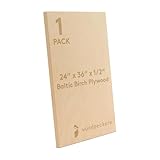
A good example of this is how some manufacturers will use a dense, multi-ply Baltic birch for their blades. This isn’t your typical construction plywood. Baltic birch is known for its stability, strength, and smooth finish due to its many plies and void-free core. If a fan explicitly states it uses something like that, it’s a different ballgame than generic ‘plywood.’ However, most fans on the market don’t bother with that level of detail, and that’s where the gamble lies.
Practical Tips for Fan Blade Longevity
Okay, so you’ve got a fan, and you’re wondering how to make those blades last, whether they’re plywood or something else. Here are a few things I’ve learned the hard way:
- Regular Cleaning is Key. Dust isn’t just unsightly; it can build up and create an imbalance, making your fan wobble and strain the motor. Use a soft cloth or a dedicated fan blade cleaner. Avoid harsh chemicals that can damage finishes or, worse, penetrate cheap plywood.
- Check for Wobble Frequently. As soon as you notice any hint of a wobble or hear unusual noises (clicking, grinding, humming), stop the fan and investigate. Often, you can tighten the screws that attach the blades to the motor housing. If the wobble persists or gets worse, it might be a sign of blade deformation, especially with wood-based materials.
- Control Your Environment. If you have plywood blades, try to maintain a relatively stable humidity level in the room. Use a dehumidifier if necessary, especially in coastal or humid climates. Avoid drastic temperature swings if possible. This is less of an issue for ABS or metal but can be important for wood.
- Don’t Over-Tighten. When tightening blade screws, be firm but don’t crank down on them. Over-tightening can strip the threads or, in the case of plywood, crack the material around the screw hole, leading to a weak point.
- Balance Kits Can Help (Sometimes). If your fan is wobbling and you suspect it’s due to uneven blade weight, you can try a fan blade balancing kit. These usually involve small weights you clip onto the edges of the blades to counteract the imbalance. They can fix minor issues, but they won’t repair warped or delaminating blades.
Frequently Asked Questions About Plywood Fan Blades
Are Plywood Fan Blades Noisy?
Plywood fan blades can become noisy if they become unbalanced due to warping, delamination, or damage. Even well-balanced, high-quality plywood blades can sometimes produce a slight humming or whooshing sound, but loud clicking or grinding usually indicates a problem. Cheap plywood is more prone to developing imbalances over time.
Can Plywood Fan Blades Be Repaired?
Minor issues like chipped edges on painted plywood blades can sometimes be patched and repainted. However, if the plywood is warping, delaminating (layers separating), or significantly damaged, repair is generally not feasible or worthwhile. It’s usually more practical to replace the blades or the entire fan.
Are Plywood Fan Blades Durable?
The durability of plywood fan blades varies greatly depending on the quality of the plywood and the environment. Lower-quality plywoods are susceptible to moisture damage, warping, and delamination, leading to a short lifespan. Higher-grade, denser plywoods used in some premium fans can be more durable but are still not as inherently resistant to humidity as materials like ABS plastic or metal.
Do Plywood Fan Blades Warp Easily?
Yes, especially lower-quality plywoods or those installed in environments with fluctuating humidity and temperature. The layered structure can absorb moisture unevenly, causing expansion and contraction that leads to warping. This is a common failure point for fans with wood-based blades in bathrooms or kitchens.
How Do I Know If My Fan Blades Are Plywood?
If your fan blades have a wood-grain pattern, are painted, or feel like a dense composite material and the manufacturer’s specifications don’t clearly state solid wood or ABS plastic, they are likely some form of wood composite or plywood. Touching the edge might reveal layers if it’s not perfectly finished, or a tap might produce a duller sound than solid wood.
Final Thoughts
So, to wrap this up, are plywood fan blades good? My honest answer is: mostly no, and definitely not worth the gamble unless you know exactly what you’re getting.
The allure of a cheaper material that can mimic wood is understandable, but the reality is that the vast majority of plywood fan blades on the market are made to a price point, not to last. They are prone to warping, noise, and premature failure, especially if they encounter even a hint of humidity. You’re far better off investing in blades made from ABS plastic or metal for reliability and longevity. If you absolutely must have wood-look blades, do your homework, look for detailed specifications on the type and quality of the plywood, and be prepared to pay a premium for something that isn’t just sawdust and glue.
My advice? Save yourself the frustration and the potential headache of a failing fan. Unless a manufacturer can prove they’re using exceptionally high-grade, stable plywood (like Baltic birch), I’d look elsewhere. Your wallet, and your sanity, will thank you in the long run.