I remember the first kitchen I ever tried to ‘upgrade’ on a shoestring budget. I was young, naive, and convinced that ‘plywood’ was the magic word for instant savings. I ended up with cabinets that looked… well, like cheap plywood. It was a hard lesson, and it makes me want to smack the smug faces of anyone who tells you that simply using plywood automatically makes a kitchen cheap in a good way. So, let’s cut through the noise and talk straight: are plywood kitchens cheap? The real answer is more complicated than a simple yes or no.
It’s easy to get caught up in the idea of saving a buck, especially when you’re looking at major renovations. But when it comes to your kitchen, a place you use every single day, cutting corners can cost you more in the long run. I’ve seen it, I’ve lived it, and I’m here to tell you the unvarnished truth about plywood.
The Real Cost of ‘cheap’ Plywood Cabinets
Look, the perception that plywood equals cheap is a half-truth, and like most half-truths, it’s dangerously misleading. When people talk about plywood kitchens being cheap, they’re usually thinking about the raw material cost, or perhaps comparing it to solid hardwood. And yeah, a sheet of birch plywood will cost you less than a slab of oak or maple. But that’s like saying a pile of bricks is cheaper than a finished house. It misses the entire point of what makes a kitchen functional and, more importantly, durable.
My first DIY cabinet project involved buying pre-made plywood boxes from a big box store. They looked okay from a distance, but up close, the edges were rough, the veneer chipped easily, and the finish was… well, plasticky. I remember one morning, I slammed a cupboard door a little too hard, and a chunk of the veneer just peeled away.
My jaw dropped. I hadn’t even owned them for six months! I ended up having to buy new doors and reinforce the boxes, which easily doubled my initial ‘savings’.
That’s the problem: when we talk about plywood kitchens, we’re not just talking about the wood itself. We’re talking about the construction, the hardware, the finish, and how it all holds up to daily abuse.
A poorly constructed plywood cabinet is not cheap; it’s a money pit waiting to happen.
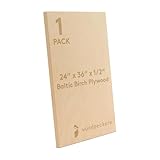
The real ‘cheapness’ often comes from a compromise on quality. Manufacturers might use lower-grade plywood (less dense, more voids), thinner veneers, cheaper glues, or less solid joinery to hit a certain price point. So, while the material might be plywood, the final product is often inferior. I’ve spent countless hours in lumber yards and cabinet shops, and I can tell you, not all plywood is created equal. Baltic birch, for instance, is incredibly strong and stable – a world away from the stuff you might find in bargain basement cabinets. The key is understanding what kind of plywood we’re talking about, and how it’s being used.
Beyond the initial purchase price, consider the longevity. If a plywood cabinet starts falling apart after a few years, you’re not just out the initial cost. You’re out the cost of repair, or worse, replacement. And let’s be honest, a kitchen renovation isn’t exactly a trivial expense, no matter how you slice it. So, while plywood can be a component in cheaper kitchen builds, the idea that it inherently makes a kitchen cheap is a dangerous oversimplification.
What ‘plywood Kitchen’ Actually Means in the Real World
When you walk into a showroom or browse online, ‘plywood kitchen’ can mean a dozen different things. It’s not a monolithic entity. The most common scenario where plywood gets a nod is in the construction of the cabinet boxes themselves. Instead of particleboard or MDF (medium-density fiberboard), which are also common, cabinet carcasses are made from layers of wood veneer glued together. Plywood, when done right, is stronger and more stable than particleboard or MDF, especially when it comes to holding screws and resisting moisture. This is a big deal in a kitchen, a place where spills and humidity are part of the daily grind.
However, the doors and drawer fronts are a different story. Many kitchens that are marketed as ‘plywood kitchens’ might still have solid wood or even MDF doors, but the boxes are plywood. This is a smart compromise, often. The boxes need structural integrity, and plywood delivers that. The doors are more about aesthetics and durability of the finish. I once saw a kitchen where the boxes were fantastic, marine-grade plywood, but the doors were this cheap, flimsy veneer that scratched if you looked at it wrong. Again, it’s the whole package that matters.
Then there are kitchens where the entire thing is made from plywood – boxes, doors, drawer fronts, the works. This is where you can really see the cost savings, but also where the quality can vary wildly. If you’re getting furniture-grade plywood with beautifully finished edges and a durable, multi-layer coating, it can look and feel quite premium. Think of modern, minimalist kitchens where the wood grain is showcased. But if it’s just basic construction-grade plywood slapped together, it’s going to look… well, like construction-grade plywood. It’s a look that some people dig, a sort of industrial-chic vibe, but it’s not for everyone, and it’s definitely not always ‘cheap’ in terms of aesthetic appeal or resale value.
My personal experience with a full plywood kitchen involved a small rental unit I owned. I wanted something that would be tough and easy to clean. I opted for a high-quality birch plywood with a clear lacquer finish. The boxes were solid, the doors held up to sticky toddler fingers surprisingly well, and it gave the place a clean, modern look. The upfront cost was higher than if I’d gone with particleboard, but the durability and ease of maintenance made it worthwhile. So, when you hear ‘plywood kitchen,’ always ask for specifics. What parts are plywood? What grade? What’s the finish? (See Also: Can A 4x8 Plywood Fit In A Honda Pilot )
The Material Matters: Plywood vs. Particleboard vs. Mdf
This is where a lot of confusion happens, and honestly, it’s a battle I’ve fought many times in my own head when making purchasing decisions. When we’re talking about the core material of cabinet boxes, it’s usually plywood, particleboard, or MDF. And here’s my blunt take: particleboard is the absolute bottom rung. It’s basically sawdust and wood chips bound together with glue and pressed into panels. It’s cheap, no doubt. But it’s also susceptible to swelling and disintegrating if it gets even slightly wet. I learned this the hard way when a leaky pipe under my sink turned a particleboard cabinet base into a soggy, saggy mess. It was a disaster, and the smell was atrocious.
MDF is a step up. It’s made from wood fibers, also bound with resin and pressed. It’s denser and smoother than particleboard, which makes it great for painting because you don’t get the wood grain showing through. It’s also more stable than particleboard. However, it’s heavy, and it can still swell if exposed to prolonged moisture, though it holds up better than particleboard. Many mid-range cabinets use MDF doors and drawer fronts because they offer a smooth surface for painting or applying veneers. I’ve used MDF for custom shelving projects, and while it’s easy to work with, you have to be super careful about moisture.
Now, plywood. As I mentioned, not all plywood is created equal.
The good stuff – like cabinet-grade hardwood plywood (birch, oak, maple) – is made from multiple thin layers (veneers) of wood glued together with the grain running in alternating directions. This cross-graining makes it incredibly strong, stable, and resistant to warping and splitting.
It holds screws exceptionally well, which is vital for cabinet construction. When comparing plywood to particleboard and MDF for cabinet boxes, plywood almost always wins on durability and structural integrity.
The question of ‘cheap’ then becomes about the grade of plywood and the overall construction quality. A high-quality plywood box with solid joinery will always cost more upfront than a particleboard or MDF equivalent, but its longevity often makes it the more economical choice over time. People often think that because plywood is made from cheaper wood scraps in its veneer layers, it must be inherently cheap.
That’s a flawed assumption.
Here’s a quick breakdown:
| Material | Pros | Cons | Verdict on ‘Cheapness’ |
|---|---|---|---|
| Particleboard | Lowest upfront cost, smooth surface (for laminate) | Weak, swells with moisture, poor screw holding, disintegrates when wet | Cheap, but terrible value for kitchens |
| MDF | Smooth for painting, denser than particleboard, stable | Heavy, swells with moisture, can be hard to repair | Mid-range cost, decent for doors, not ideal for boxes if moisture is a concern |
| Plywood (Cabinet Grade) | Strong, stable, holds screws well, good moisture resistance, durable | Higher upfront cost than particleboard/MDF, grain can show through finishes | Higher upfront, but often the best long-term value |
Common Mistakes When Buying ‘cheap’ Plywood Kitchens
The biggest mistake people make, and one I’ve seen friends make repeatedly, is assuming that because something is labeled ‘plywood,’ it’s automatically a good deal and will last. This is a trap. The market is flooded with products that use the word ‘plywood’ as a buzzword, but the quality can be abysmal. You end up with cabinets that might look okay on the showroom floor but start showing their age (or lack thereof) within a year or two.
One of the most common pitfalls is not inspecting the type of plywood. As I’ve hammered home, cabinet-grade hardwood plywood is vastly different from construction-grade plywood. Construction-grade is often full of voids (gaps) between the layers, uses less durable glues, and has a rougher finish. This makes it weaker and more prone to delamination (layers separating) over time, especially in a humid kitchen environment. I once bought a set of shelves advertised as ‘plywood,’ only to find they were made from the cheapest, loosest-grained plywood imaginable. They bowed under the weight of my cookbooks within weeks. That’s not cheap; that’s just bad quality sold under a misleading label.
Another mistake is focusing solely on the box construction and ignoring the doors and drawer fronts. A premium plywood box paired with flimsy, low-quality doors is like putting racing tires on a beat-up tricycle. The overall impression and durability will be dragged down. You need to examine the quality of the finish on the doors, how they’re attached, and the type of material used. Are they solid wood? High-quality veneer over MDF? Or just a thin, easily chipped laminate?
The hardware is another area where corners are often cut to make a plywood kitchen seem cheaper. I’m talking about drawer slides and hinges. Cheap hardware will stick, sag, and eventually break, no matter how well the cabinet box is made. I’ve had drawers that felt like I was wrestling a bear just to open them. (See Also: Can Bondo Be Applied To Plywood )
When you’re looking at what seems like a good deal on a plywood kitchen, pay close attention to the hinges and drawer slides. If they feel flimsy or sticky in the store, they’re going to be a constant source of frustration at home.
It’s like buying a fast car with bicycle brakes – it just doesn’t make sense. Always ask about the hardware specifications; soft-close mechanisms and full-extension slides are worth the investment, even if they push the ‘cheap’ perception a bit higher.
People Also Ask:
What Is the Cheapest Kitchen Cabinet Material?
The absolute cheapest kitchen cabinet material for the boxes is typically particleboard. It’s made from compressed sawdust and glue. However, it’s also the least durable and most susceptible to moisture damage, making it a poor long-term value for a kitchen. Laminate or thermofoil over particleboard might look cheap, but it often peels and warps. For better value and durability, even if it’s not the absolute cheapest upfront, consider MDF or, ideally, cabinet-grade plywood.
Is Plywood Better Than Mdf for Kitchen Cabinets?
For cabinet boxes, yes, plywood is generally better than MDF. Plywood is stronger, more stable, and holds screws better due to its layered construction with alternating grain patterns. It also offers better resistance to moisture damage compared to MDF, which can swell and disintegrate if exposed to significant water. MDF is excellent for painted doors and drawer fronts due to its smooth, pore-free surface but is less ideal for the structural integrity of cabinet carcasses.
Can You Paint Plywood Kitchen Cabinets?
Yes, you absolutely can paint plywood kitchen cabinets. The key is proper preparation. You’ll need to clean them thoroughly, lightly sand them to create a surface for the primer to adhere to, and then apply a good quality primer specifically designed for wood or cabinets. After priming, you can apply your chosen paint, usually a durable enamel or cabinet paint. For a smoother finish, especially if the plywood grain is prominent, you might consider filling any visible voids or using a grain filler before priming.
How Much Does a Plywood Kitchen Cost?
The cost of a plywood kitchen can vary enormously. A budget-friendly option using lower-grade plywood might start around $3,000-$5,000 for a small kitchen’s worth of cabinets. However, high-end kitchens with premium hardwood plywood, custom finishes, and top-tier hardware can easily range from $15,000 to $30,000 or more. The price is heavily influenced by the type and grade of plywood, the complexity of the cabinet design, the finish quality, and the included hardware.
Making Plywood Work for Your Budget (without Sacrificing Quality)
So, are plywood kitchens cheap? Not necessarily, but they can be a smart way to get good quality without breaking the bank, if you’re smart about it. The trick is to be a discerning shopper and understand where to compromise and where to hold firm. For cabinet boxes, I’d always prioritize good quality plywood over particleboard or MDF if your budget allows even a little wiggle room. The stability and durability are worth it in the long run. Think of it as investing in the skeleton of your kitchen.
Where you can often save money without catastrophic failure is on the doors and drawer fronts. If you’re on a tight budget, consider a high-quality veneer over MDF or even a well-applied laminate. The key is to make sure the construction of the doors is solid, and the finish is durable. A beautiful, durable veneer can look just as good as solid wood for a fraction of the cost. Also, consider the style. Shaker-style doors are generally more affordable to produce than elaborate raised-panel designs. Simple, clean lines often look more modern and timeless anyway, and they’re easier on the wallet.
Another strategy is to mix and match. You might opt for premium plywood boxes for your base cabinets, which bear the brunt of daily use (think heavy pots and pans, potential spills). For upper cabinets, which are lighter duty, you might choose a more budget-friendly material for the boxes, like a good quality MDF, and then match the door style to your base cabinets for a cohesive look. This is a tactic I’ve used when renovating rental properties – maximize durability where it counts most.
You can also save money by choosing standard sizes and configurations rather than going fully custom. Stock or semi-custom cabinets are typically much more affordable than custom solutions, and many manufacturers offer good quality plywood options within these lines.
Finally, hardware. As I’ve said, don’t skimp too much here. But instead of going for the absolute top-of-the-line, look for good mid-range options. Many brands offer excellent soft-close hinges and full-extension drawer slides at reasonable price points. You don’t always need the most expensive European brands to get reliable performance. Sometimes, just upgrading the drawer slides and hinges on otherwise decent cabinets can make a world of difference and extend their lifespan considerably. It’s about making intelligent choices, not just chasing the lowest number.
My Own Kitchen Plywood Saga: A Cautionary Tale
Okay, time for a confession. A few years back, I was helping my sister renovate her kitchen. She had a decent budget but was easily swayed by shiny marketing. We were looking at cabinets, and the salesperson was raving about these ‘European-style’ cabinets. They looked sleek, modern, and cost an absolute fortune. I was skeptical. Then, she showed us a more ‘budget-friendly’ option, which, surprise, surprise, was primarily made of plywood. It was sold as a premium alternative to the super-expensive ones, and the salesperson was pushing the ‘value’ angle hard. My sister was about to sign on the dotted line. (See Also: Can Cat Plywood Be Used For Exterior Siding )
I took a closer look. The plywood boxes themselves seemed decent enough – decent thickness, fairly good number of plies.
But the doors… oh, the doors. They were a thin veneer over what felt like particleboard. The edges were slightly uneven, and I could see a faint wood grain pattern peeking through the finish in a few spots. I asked about the hardware.
The hinges were basic, and the drawer slides felt gritty and stiff. I literally took my fingernail and scratched lightly at an edge of one of the doors. A tiny fleck of the veneer came off.
My sister’s face fell. The salesperson started stammering about how this was a ‘great value for the price’ and that ‘most people wouldn’t notice.’
I told my sister, quite bluntly, that while the boxes might hold up for a while, the doors were going to look terrible within a couple of years, and the hardware would be a daily annoyance. We walked away.
She was upset at first, feeling like I’d talked her out of a good deal. We ended up finding a different company that offered solid maple doors with plywood boxes for only a few thousand dollars more. It was a significant jump, but the difference in quality was night and day. The maple doors were smooth, the finish was impeccable, and the hardware was buttery smooth.
Two years later, her kitchen still looks fantastic. Mine, on the other hand, had some actual plywood cabinets in the bathroom that started showing delamination around the sink after about three years of heavy use. That experience cemented my belief: you get what you pay for, and ‘plywood’ alone is not a guarantee of quality or cheapness.
Verdict
So, to circle back to the burning question: are plywood kitchens cheap? The answer is a resounding ‘it depends.’ Plywood itself is a material that can be used to create more affordable cabinets compared to solid hardwood, but it’s the grade of plywood, the construction quality, the hardware, and the finish that truly determine the cost and value.
Don’t fall for the bait of ‘plywood’ being an automatic synonym for a budget-friendly kitchen. Instead, be an educated consumer. Inspect the materials, question the hardware, and understand the craftsmanship involved. A well-built plywood kitchen can be a fantastic investment, offering durability and good looks without the premium price tag of solid wood.
Just make sure you’re getting the former and not just the latter.
If you’re considering plywood for your kitchen cabinets, do your homework. Ask specific questions about the plywood grade (look for cabinet-grade hardwood plywood), the number of plies, the type of glue used, and the thickness. Understand the warranty. And for goodness sake, test out the hinges and drawer slides. Your kitchen is a workhorse, and it deserves more than just a veneer of quality. Making informed choices now will save you headaches and money down the line, and that’s the real definition of a smart kitchen investment.
Ultimately, when you’re looking at cabinets, a genuinely good plywood kitchen will cost more upfront than a particleboard or MDF option, but it should offer significantly better longevity. If a plywood kitchen seems suspiciously cheap, it almost certainly is – cheap in quality, not in price. So, is your kitchen renovation on a tight budget? Prioritize structural integrity, and perhaps consider a high-quality plywood for the boxes and a more economical, yet still durable, option for the doors if needed.