I remember the first time I saw a really gnarly piece of plywood used for something it definitely wasn’t meant for. It was on a guy’s “custom” boat trailer, and the sides were literally crumbling away. That’s when I started asking myself, are some parts of the boarder plywood? It’s a fair question, especially when you see this stuff everywhere, from construction sites to furniture projects. Plywood seems like it can do anything, but like most things in life, there’s a limit, and often, people push it way too far, ending up with a soggy, delaminating mess.
You see it advertised for everything, and it’s cheap, so it’s tempting. But is it always the right choice? I’ve learned the hard way that just because something can be done with plywood doesn’t mean it should be done. There’s a big difference between using the right grade for the job and just slapping any old sheet of wood down.
What Exactly Is Plywood, Anyway?
Okay, let’s cut to the chase. Plywood isn’t just a bunch of wood scraps glued together. It’s engineered wood, and the way it’s made is actually pretty smart, but also the reason why certain types are totally useless for outdoor or wet jobs. Plywood is made by taking thin sheets of wood veneer, like from a big log spun on a lathe, and gluing them together with the grain of each layer running in a different direction. Think of it like a really strong sandwich. This cross-graining is what gives plywood its strength and stability, preventing it from warping or cracking as easily as solid lumber.
The number of layers, called plies, can vary. More plies generally mean a stronger, more stable panel. For example, a 3-ply panel will have a core and two outer layers, while a 5-ply will have a core, two inner cross-band layers, and two outer face layers. The type of wood used for the veneers matters too. Softwoods like pine and fir are common for construction grades because they’re affordable and abundant. Hardwoods like birch and oak are used for furniture and cabinetry because they’re denser, stronger, and have a nicer finish. The glue used is also a big deal. Some glues are water-resistant, while others will dissolve faster than a politician’s promise when they get wet.
So, when we talk about whether some parts of the boarder plywood, it boils down to the specific construction and the adhesives used. A cheap exterior grade might look okay, but if it’s not rated for constant moisture, it’s going to fail. I once tried to use a standard construction-grade plywood for some outdoor garden beds. Looked fine for about six months, then I noticed the edges were starting to fuzz up. A year later, they were practically compost.
The Great Plywood Divide: Interior vs. Exterior
This is where most people, including myself early on, trip up. There’s a massive difference between plywood designed for inside your dry, climate-controlled house and plywood that’s supposed to brave the elements. It’s not just a marketing gimmick; it’s about the glue and the wood itself.
Interior plywood, often labeled as ‘CDX’ or just ‘construction grade,’ uses adhesives that are generally considered water-resistant but not waterproof. Think of it as being able to handle a spilled drink or a brief splash. If it gets consistently wet, that glue will start to break down, and the layers will separate – that’s called delamination. You’ll see the edges start to swell and peel apart like a bad sunburn. That’s why you’d use this stuff for subflooring, interior walls, or even making simple shelves inside a garage.
Exterior plywood, on the other hand, uses waterproof adhesives. These are designed to withstand rain, humidity, and temperature fluctuations without falling apart.
It’s made with more durable wood species and often has a higher grade of veneer on the face, meaning fewer knots and smoother surfaces. You’ll see it labeled as ‘EXT-DFPA’ or similar, indicating it’s exterior-rated.
This is what you want for siding, outdoor furniture, decks, boat building, or anything exposed to the weather. I learned this lesson the expensive way when I built a small, open-air shed using standard CDX. (See Also: Can A 4x8 Plywood Fit In A Honda Pilot )
The first heavy rain turned the floor into a sponge, and the walls started bowing. It was a disaster that cost me double to rebuild with the correct material.
The common advice is often just “use plywood,” but that’s lazy. You absolutely need to know the rating. If you’re unsure, look for stamps or markings on the panel. They’re usually printed on the edge or on the back. Don’t just assume. I’ve seen people try to use interior plywood for boat docks, and it’s just asking for trouble. The cost savings upfront are laughable compared to the cost of repair or replacement down the line.
Plywood Grade Breakdown: A Quick Cheat Sheet
Understanding grades can be confusing, but it’s key. Here’s a simplified look:
| Grade | Face Veneer | Back Veneer | Glue Type | Typical Use | My Verdict |
|---|---|---|---|---|---|
| A | Smooth, paintable, few defects | Smooth, paintable, few defects | Interior or Exterior (depends on specific rating) | High-end furniture, cabinetry, visible surfaces | For when looks matter most and it’s protected. |
| B | Solid, some tight knots, minor repairs | Solid, some tight knots, minor repairs | Interior or Exterior | Utility cabinets, shelving, general construction | A good all-rounder if you’re painting. |
| C | Larger knots, minor splits, some imperfections | Larger knots, minor splits, some imperfections | Interior or Exterior | Subflooring, sheathing, less visible work | Fine for utility, but not pretty. |
| D | Large knots, open splits, coarse texture | Large knots, open splits, coarse texture | Interior | Basic construction where appearance is irrelevant | Avoid if any moisture or visibility is involved. |
| X (in CDX) | Generally C grade, but often more open defects | Generally C grade, but often more open defects | Water-resistant (not waterproof) | Construction sheathing, subflooring (interior) | My go-to for dry indoor framing. Never outside. |
| EXT (Exterior) | Various grades, but always waterproof glue | Various grades, but always waterproof glue | Waterproof | Siding, decking, fencing, outdoor structures | The only choice for anything exposed to weather. Don’t mess this up. |
Why Some Plywood Doesn’t Float (and Other Bad Ideas)
People get creative, and that’s fine, but sometimes that creativity borders on delusion. A classic mistake is using standard plywood for anything that will be in prolonged contact with water. I’m talking about boat building, outdoor furniture that sits in the rain year-round, or even those cheap garden planters you see at the big box stores. If the plywood isn’t explicitly rated for exterior use with waterproof glue, it’s going to absorb moisture like a sponge. The wood fibers swell, the glue starts to degrade, and you end up with a delaminated, spongy mess that’s structurally unsound.
Another common error is misjudging the strength requirements. Plywood comes in different thicknesses (1/4 inch, 1/2 inch, 3/4 inch being most common) and different grades. Using a thin, low-grade sheet for a weight-bearing surface, like the floor of a trailer or a workbench that’s going to hold heavy tools, is asking for trouble. It’ll sag, crack, and eventually fail. I once saw a guy try to build a stage for a small outdoor concert using only 1/2 inch CDX plywood. The sheer panic when people started dancing and the floor started to visibly flex was palpable. Thankfully, it held, but it was a close call that could have ended badly.
Then there’s the issue of treated lumber. Some people think that because lumber is pressure-treated to resist rot and insects, it can be used interchangeably with exterior-grade plywood in all situations. While treated lumber is great for ground contact, it doesn’t solve the delamination issue if the plywood itself isn’t waterproof. You can have treated plywood, but the treatment is to the wood, not necessarily the glue holding the plies together. If you need something for extreme, wet conditions, like a boat hull or a dock that’s constantly submerged, you’re often looking at marine-grade plywood, which uses even more solid construction and specialized waterproof glues, and is significantly more expensive.
The temptation to save money by using interior-grade plywood in less-than-ideal conditions is strong, especially when the price difference is significant. However, I can tell you from experience that the “savings” are an illusion. I tried to cut corners on a backyard deck project, using CDX plywood for some of the hidden structural supports where I thought no one would see the eventual swelling and rot. Within two years, those sections were soft and crumbly, and I had to tear out a significant portion of the deck to replace them. It was a frustrating, expensive lesson in ‘you get what you pay for’ when it comes to materials exposed to the elements.
Real-World Applications: When Plywood Shines (and When It Doesn’t)
So, where does plywood actually excel? In its intended roles, it’s a workhorse. For framing walls, subflooring, and roof sheathing in residential construction, standard CDX plywood is fantastic. It’s strong, relatively cheap, and easy to cut and fasten. It provides a solid base for drywall, flooring, or shingles. I’ve used it countless times for building partitions in workshops or temporary structures, and it always performs reliably as long as it stays dry.
When it comes to furniture, the picture gets a bit more nuanced. High-quality hardwood plywood, like birch or maple veneer plywood, is excellent for cabinet carcasses, drawer boxes, and even the sides of furniture. The stability and smooth surface make it great for painting or veneering. (See Also: Can Bondo Be Applied To Plywood )
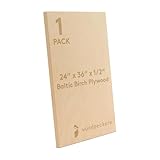
It’s a far cry from the rough construction grades. I built a set of kitchen cabinets a few years back using 3/4 inch birch plywood for the boxes, and they’ve held up beautifully. They’re strong, don’t warp, and the finish is smooth and professional.
However, using cheap construction-grade plywood for anything visible, like cabinet doors or tabletops, is a recipe for disappointment. You’ll see the knots, the uneven grain, and the edges will eventually chip or peel.
Outdoor furniture can be made from plywood, but it absolutely needs to be exterior-grade, and even then, it requires proper sealing and finishing to last. Think of Adirondack chairs or picnic tables. If you’re building something that will be constantly exposed to rain, like a compost bin that sits out in the elements, or a planter box that holds soil and moisture, marine-grade or very high-quality exterior plywood is your best bet, alongside thorough sealing. I tried making a simple outdoor bench from a decent exterior plywood and forgot to seal the cut edges thoroughly. The edges were the first to show wear after a couple of rainy seasons.
For projects where appearance is most important and the material will be frequently handled or exposed to potential damage, solid wood might still be the king. But for structural integrity, cost-effectiveness, and stability in dry environments, plywood remains a go-to material for builders and DIYers alike. The key is selecting the right type for the job. Don’t try to make a boat hull out of subfloor, and don’t build interior closet shelves out of marine-grade plywood and break the bank unnecessarily.
Plywood for Specific Projects: Where I Use It
- Workshop Shelving & Workbenches (Dry Area): Standard construction grade (CDX) or a decent cabinet-grade plywood (like birch) is perfect. Easy to cut, strong enough for tools and materials.
- Interior Cabinet Carcasses: High-quality veneer plywood (birch, maple) for strength and a smooth finish.
- Outdoor Planter Boxes (with sealant): Exterior-grade plywood, making sure all edges are thoroughly sealed.
- Temporary Structures/Forms for Concrete: CDX plywood is usually sufficient, as it’s sacrificial and will likely be discarded after use.
- Decorative Wall Paneling (interior): Higher-grade veneer plywood for a clean, modern look.
Common Mistakes and How to Avoid Them
We’ve touched on some of these, but let’s hammer home the common mistakes people make. The number one is, without a doubt, using the wrong grade of plywood for the environment. If it’s going outside, or anywhere it might get wet, you must use exterior-grade plywood with waterproof glue. I can’t stress this enough. Buying CDX for an outdoor deck is like buying a paper umbrella to cross the ocean. It seems okay at first glance but will fail spectacularly when tested.
Mistake number two is not sealing the edges properly, even with exterior-grade plywood. The edges are where the plies are exposed, and they are the most vulnerable points for moisture ingress. When you cut a piece of plywood, you expose fresh end grain and the edges of the veneers.
If these aren’t sealed with a good primer, paint, or a specific edge sealer, water can wick into the panel, leading to delamination and swelling, even if the face veneers are okay. I learned this the hard way on a backyard fence project where I only painted the faces and backs, thinking the edges were too small to matter.
They were the first parts to start delaminating after the first rainy season.
Third, people often underestimate the required thickness for the load it needs to bear. A 1/4-inch sheet is fine for craft projects or backing, but it’s useless for a floor, a workbench, or anything that will have significant weight on it. Always check span tables or err on the side of thicker if you’re unsure. A 3/4-inch panel is generally a safe bet for most structural applications like subflooring or heavy-duty shelving. Don’t be stingy with thickness; it’s a matter of safety and longevity. (See Also: Can Cat Plywood Be Used For Exterior Siding )
Finally, there’s the assumption that all plywood is created equal. It’s not. The quality of the veneers, the consistency of the glue application, and the overall manufacturing process vary wildly. Buying the cheapest plywood you can find from an unknown brand might seem like a good deal, but it can lead to frustration with knots that fall out, inconsistent thickness, and poor glue adhesion. For important projects, especially those where appearance or structural integrity is key, investing in a reputable brand or a higher-grade product is almost always worth it. The amount of time and frustration saved dealing with a quality product is immense.
People Also Ask:
Can You Use Regular Plywood Outside?
Generally, no. Regular construction-grade plywood (like CDX) uses water-resistant glue, not waterproof. While it can tolerate some moisture for a short period, prolonged exposure to rain, humidity, or ground contact will cause it to delaminate and degrade. For outdoor projects, you must use exterior-grade plywood explicitly rated for such use, which contains waterproof adhesives.
What Is the Difference Between Interior and Exterior Plywood?
The primary difference lies in the adhesive used. Interior plywood uses water-resistant glue, suitable for dry indoor environments. Exterior plywood uses waterproof glue, designed to withstand constant exposure to moisture, temperature changes, and weather without delaminating. Exterior grades also often use more durable wood species and higher-quality veneers.
How Long Does Exterior Plywood Last?
The lifespan of exterior plywood varies greatly depending on the quality of the plywood, the specific environmental conditions, and how well it is finished and maintained. With proper sealing, painting, and regular maintenance, a good quality exterior plywood can last 15-20 years or even longer in moderate climates. Poorly finished or consistently waterlogged exterior plywood can fail much sooner.
What Is the Best Type of Plywood for Outdoor Furniture?
For outdoor furniture that will be exposed to the elements, marine-grade plywood or high-quality exterior-grade plywood is recommended. These have superior waterproof glue and more stable wood veneers. Regardless of the grade, thorough sealing and painting of all surfaces and cut edges are key to maximize durability and prevent moisture ingress.
Final Verdict
So, are some parts of the boarder plywood? Absolutely. And not just some parts, but entire applications if you pick the wrong kind. It’s not about whether plywood is good or bad; it’s about matching the material to the job. That cheap sheet of CDX might save you a few bucks upfront, but if it’s destined for the elements, you’re just delaying the inevitable trip to the lumber yard to buy the right stuff.
My advice is simple: know your labels. Look for ‘EXT’ or ‘Exterior’ ratings for anything exposed to weather. For everything else, understand the difference between water-resistant and waterproof. It’ll save you time, money, and a whole lot of headaches. Don’t be that person rebuilding something that should have lasted for years because you skimped on the material choice.
Next time you’re at the lumber yard, take an extra minute to check the stamps. It might seem like a small detail, but it’s the difference between a project that lasts a season and one that stands for decades.