I remember the first time I really looked at a circuit breaker panel. It was in my first fixer-upper, a place with wiring that looked like it was installed by a pack of caffeinated squirrels. I stared at those little switches, wondering if I should just, you know, prod one to see what happened. Thankfully, common sense (and a healthy dose of fear) stopped me. So, are circuit breakers safe to touch? It’s a question a lot of DIYers, or even just folks curious about their homes, have.
The short answer is mostly yes, under normal circumstances, but that ‘normal’ is doing a lot of heavy lifting. You’re not going to get electrocuted just by glancing at them, but you absolutely need to know what you’re doing if you plan on interacting with them beyond flipping a switch.
When Is It Actually Safe to Touch a Circuit Breaker?
Let’s cut to the chase: Most of the time, when your circuit breaker is in its normal, installed position within a panel, you can touch the exterior of the breaker. Think of it like touching the light switch on your wall – it’s designed to be interacted with. The plastic housing is an insulator, and as long as the breaker itself isn’t damaged or sparking, you’re not going to get a shock. The real danger isn’t touching the breaker itself, but rather what happens when things go wrong, or when you start messing with the panel without understanding the risks.
My own wiring learning curve involved a terrifying moment in a rental property. I’d flipped a breaker, and instead of cutting power to the outlet, it seemed to make a weird buzzing noise and the lights flickered erratically. I yanked my hand back so fast I nearly sprained my wrist. It turned out a previous tenant had done some shoddy wiring that bypassed the breaker entirely for that one circuit. It taught me that a breaker can look perfectly fine, but the wiring behind it might be a complete disaster. That’s why just touching the plastic isn’t the whole story. The breaker is just one part of a system, and the system’s integrity is what matters.
What most people don’t realize is that even when a breaker is ‘off,’ there’s still a live connection to one side of the switch. When it’s ‘on,’ both sides are live. The magic of the breaker is in its internal mechanism that trips and interrupts the flow of electricity when there’s an overload or a short circuit. This tripping mechanism is what protects you. So, while the plastic is safe, the terminals inside the panel, where the wires connect, are definitely not. You should never, ever touch those with bare hands, especially when the power is on.
The only time you should be actively manipulating circuit breakers is when you’re intentionally turning a circuit off or on. This is a routine part of homeownership and electrical work. However, even this basic action carries risks if the breaker is faulty. A breaker that feels loose, makes grinding noises when you flip it, or doesn’t seem to engage properly is a red flag. Don’t force it. Instead, consider replacing it. You can buy replacement breakers at any hardware store for around $10-$20, depending on the type. It’s a cheap insurance policy against potential problems.
The common advice you’ll find everywhere is to turn off the main breaker if you’re going to do any work inside the panel. That’s good advice, but it’s also not a magic bullet. Even with the main breaker off, there’s still residual energy, and the bus bars inside the panel can still be energized depending on how the utility company supplies power in your area. So, caution is always key. My rule of thumb: if I’m not 100% sure about what I’m doing, I call a professional. It’s saved me a lot of headaches and potentially a trip to the hospital.
How Do Circuit Breakers Actually Work (and Why Does It Matter)?
Understanding how these things function is important to knowing if they’re safe. A circuit breaker is basically an automatic electrical switch designed to protect an electrical circuit from damage caused by overcurrent or short circuit. It’s a safety device, but like any safety device, it’s only as good as its design, installation, and condition. They’re not overly complicated, really. The most common types in homes use a bimetallic strip or an electromagnet to detect overcurrent.
The bimetallic strip type is pretty neat. It’s made of two different metals bonded together that expand at different rates when heated. When too much current flows through the circuit, the bimetallic strip heats up. As it heats, one metal expands more than the other, causing the strip to bend. This bending action eventually pushes a trip lever, which opens the circuit and shuts off the power. Think of it like a tiny, heat-activated seesaw. The hotter it gets, the more it bends, and when it bends enough, it flips the switch.
Electromagnetic breakers work a bit differently, using a solenoid (a coil of wire) that generates a magnetic field when current flows through it. If the current gets too high, the magnetic field becomes strong enough to pull a metal plunger, which then triggers the trip mechanism. These are generally faster acting than bimetallic breakers, which is important for dealing with sudden, high-current surges like those from a short circuit.
Why does this matter for safety? Because you need to trust that this mechanism will work when it needs to. If a bimetallic strip is corroded or damaged, it might not bend correctly, and the breaker might not trip. If the electromagnet is weak or obstructed, it might not pull the plunger. This is where the concept of ‘touching’ becomes less about physical contact and more about the breaker’s ability to do its job. A breaker that’s supposed to be safe can become dangerous if its internal workings are compromised. You might not see the damage, but it’s there. (See Also: Can I Run 12 2 With A 20 Amp Breaker )
There are also specialized breakers, like Ground Fault Circuit Interrupters (GFCIs) and Arc Fault Circuit Interrupters (AFCIs). GFCIs are designed to detect small differences in current between the hot and neutral wires, which can indicate electricity is flowing somewhere it shouldn’t be – like through a person. If it detects this imbalance, it trips very quickly.
AFCIs are designed to detect dangerous electrical arcs, which can start fires. These are often required in bedrooms and other living areas by electrical codes.
Knowing what type of breaker you have and what it’s designed to do adds another layer to understanding its safety. For instance, if you’re in a bathroom or kitchen, you should see GFCI outlets or breakers, which offer an extra layer of protection against shocks. For me, the presence of AFCIs in my older home’s bedrooms was a definite upgrade that gave me more peace of mind.
Common Mistakes People Make with Circuit Breakers
Ignorance is not bliss when it comes to your home’s electrical system. People make some pretty dumb mistakes with circuit breakers, and these are the things that make them not safe to touch, or rather, unsafe to interact with. The biggest one I see, and one I’ve been guilty of myself, is overloading circuits. You know, plugging in every appliance you own into one outlet strip, which is then plugged into a single wall socket connected to a single breaker. It’s like trying to force a gallon of water through a straw.
Another common blunder is resetting a breaker without figuring out why it tripped. Breakers trip for a reason. It’s a warning sign. If it trips, and you just reset it and it trips again, and again, there’s an underlying problem. It could be a faulty appliance, a short in the wiring, or just a circuit that’s consistently asked to do too much. Ignoring this is like ignoring a warning light on your car’s dashboard – eventually, something big and expensive breaks.
Then there’s the classic ‘double-tapping.’ This is when a breaker trips, and instead of a single, firm flip to reset it, people try to jiggle it or flip it back and forth multiple times. This can damage the internal mechanism of the breaker, making it less reliable or even completely useless. Breakers are designed for a clean on-off action. Don’t play with them.
I’ve seen people use the wrong type of breaker, too. Not all breakers are created equal. You can’t just put any old breaker into any old panel. They need to be compatible with the panel brand and type, and they need to have the correct amperage rating.
Putting a 20-amp breaker on a circuit that’s designed for 15 amps is asking for trouble, as it won’t trip when it should. Conversely, a breaker that’s too small will trip constantly and be a nuisance.
My first electrical panel had a mix of brands that the previous owner had stuffed in there. It was a nightmare to figure out, and frankly, a safety hazard. I ended up replacing the whole panel, which cost me about $1,500, but it was worth every penny for the peace of mind.
The most dangerous mistake, though, is treating a circuit breaker panel like a playground. Kids, and even some adults, might be tempted to poke at things or flip switches they shouldn’t. While the outside is generally safe, the inside isn’t. And even the outside can become hazardous if you have a damaged breaker or a poorly maintained panel. Always keep children away from electrical panels and, if you’re not trained, avoid opening the panel door unless absolutely necessary. Think of it like this: you don’t play with the fire extinguisher, you only use it when there’s a fire. A circuit breaker is similar – its primary function is protection, not interaction. (See Also: Can I Join Two Circuit Breakers Together )
When to Call a Pro: Signs Your Breakers Are Not Safe
Okay, so we’ve established that under normal operation, the plastic housing of a circuit breaker is safe to touch. But what are the concrete signs that things have gone sideways, and you should absolutely not be fiddling with it? These are the indicators that scream ‘professional needed immediately’. First off, any sign of melting, burning, or discoloration around the breaker or the panel itself is a massive red flag. This indicates overheating, which is a precursor to fire. If you see it, turn off the main breaker if you can safely do so, and then get out and call the fire department and an electrician.
Strange noises are another big one. A clicking sound might be normal as a breaker trips, but persistent humming, buzzing, or crackling sounds coming from the panel are not.
These sounds often mean there’s a loose connection or arcing happening inside. Arcing is basically electricity jumping across a gap, and it’s incredibly dangerous, generating intense heat and posing a serious fire risk. I once heard a faint buzzing from my basement panel. I thought it was just the old freezer, but when I went to investigate, the buzzing was definitely coming from the breaker box.
It turned out a neutral wire connection had come loose. The electrician fixed it in under an hour, but he told me it was lucky I caught it. He estimated it could have easily started a fire within a few months.
If a breaker feels warm to the touch, that’s also a problem. Breakers are designed to operate at ambient temperature. If it’s noticeably warmer than the surrounding breakers or the panel itself, it’s working harder than it should, likely due to an overload or a poor connection. This is a sign that the breaker might be failing or that the circuit it controls is in trouble. Don’t ignore it; get it checked out.
Another indicator is a breaker that trips constantly, even when you’re not overloading the circuit. This can mean the breaker itself is faulty and has become too sensitive, or there’s a hidden short circuit or ground fault somewhere in the wiring. Similarly, a breaker that doesn’t trip when it should is extremely dangerous. This means the safety mechanism is compromised, and you’re at risk of fire or electrocution if an overcurrent event occurs. Testing this is tricky and best left to professionals.
Finally, any visible damage to the breaker itself – cracks in the plastic, bent metal parts, or corrosion – means it’s compromised. You can buy individual breakers for around $15, but if you’re seeing this kind of damage, it’s often a sign of a larger issue within the panel or the wiring. It might be time to consider a panel upgrade or at least a thorough inspection by a qualified electrician. Remember, when in doubt, always call a professional. It’s cheaper than a house fire or a hospital bill.
Can You Touch a Breaker with Power on?
This is where we get into the nitty-gritty of why ‘safe to touch’ is a loaded question. Can you touch the plastic housing of a circuit breaker when the power is on? Yes, generally speaking, as long as the breaker and panel are in good condition. The plastic is an insulator, and that’s its job. However, this is where the ‘hands-on use’ comes in, and my experience has taught me that ‘generally speaking’ isn’t always enough. You’re not touching the live electrical contacts; you’re touching the casing designed to keep you away from them.
The real danger isn’t touching the breaker itself during normal operation, but rather the potential for shock if something goes wrong. If you were to accidentally touch a live wire connected to the breaker, or if the breaker itself is damaged and its insulating properties are compromised, you could get shocked. This is why it’s so important to visually inspect breakers and the panel before you interact with them. Look for any signs of damage, melting, or charring. If you see any of that, step away immediately.
My first real scare with this was when I was helping a buddy rewire his garage. We had the main power to the garage off, but we were working on a sub-panel, and someone accidentally energized a circuit we thought was dead. I was reaching for a breaker handle, and just as my fingers brushed it, there was a small spark and a jolt that ran up my arm. It wasn’t a full electrocution, thank goodness, but it was enough to make me drop the tool I was holding and scramble back. (See Also: Can 12v Circuit Breakers Handle Higher Voltage )
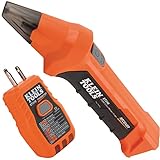
It turned out a breaker had been wired incorrectly, and a hot wire was still live even though the breaker was in the off position. That incident cemented my belief: always double-check with a non-contact voltage tester, even if you think the power is off.
They cost about $20 and are worth their weight in gold.
So, to be crystal clear: touching the outside of a breaker when power is on is usually okay if everything is intact. Touching the inside of the panel, the wires, or the terminals is extremely dangerous. And if the breaker is damaged, or the panel is old and corroded, the ‘safe to touch’ rule goes out the window. It’s like touching a live electrical wire with a rubber glove on – the glove is an insulator, but if it has a hole, you’re in trouble. The plastic on a breaker is your glove. If it’s intact, you’re probably okay. If it’s damaged, you’re not.
What about the act of flipping the breaker? When you flip a breaker off, you are intentionally interrupting a live circuit. The mechanism is designed to do this safely, but it’s still a point of potential arcing if the breaker is old or worn. A quick, decisive flip is best. Don’t hesitate or try to gently move it. A firm on-off action is what the breaker is designed for. If it feels gritty or hard to move, that’s another sign it might be time for a replacement. The National Electrical Code (NEC) doesn’t specifically say ‘don’t touch breakers with power on,’ but it implies it through requirements for safe installation and maintenance, all aimed at preventing contact with live parts.
| Scenario | Verdict | Why |
|---|---|---|
| Touching the plastic exterior of a breaker in a modern, undamaged panel. | Generally Safe | Plastic is an insulator; breaker is designed for user interaction. |
| Touching the metal terminals or wires inside an electrical panel. | Extremely Dangerous | Direct contact with live electricity, risk of severe shock or electrocution. |
| Touching a breaker that is visibly melted, burnt, or discolored. | Extremely Dangerous | Indicates overheating, potential for fire or compromised insulation. |
| Touching a breaker that feels warm to the touch. | Potentially Dangerous | Suggests overload or internal fault; requires investigation. |
| Flipping a breaker that feels loose, gritty, or makes strange noises. | Use Extreme Caution / Call Pro | Breaker may be faulty; risk of damage or failure to protect. |
Faq: Are Circuit Breakers Safe to Touch?
Can I Touch a Circuit Breaker If the Power Is on?
Yes, you can generally touch the plastic exterior of a circuit breaker when the power is on, provided the breaker and the electrical panel are in good condition. The plastic is an insulator designed to protect you from the live electrical components within. However, always inspect the breaker for any signs of damage, melting, or discoloration before touching it. If there’s any doubt, err on the side of caution.
What Happens If I Touch a Live Wire in the Breaker Box?
Touching a live wire inside a breaker box can result in severe electrical shock, burns, or even electrocution. Electricity seeks the path of least resistance, and your body can become that path. The voltage and current levels in a typical home’s electrical system are high enough to cause serious injury or death. This is why electrical panels should only be accessed by qualified professionals.
Is It Safe to Reset a Tripped Circuit Breaker?
Yes, it is generally safe to reset a tripped circuit breaker by flipping it firmly to the ‘off’ position and then back to the ‘on’ position. However, it’s important to understand why the breaker tripped in the first place. If it trips repeatedly, there is an underlying issue that needs to be addressed by a qualified electrician, as continuing to reset it can be dangerous.
Should I Be Worried If My Circuit Breaker Is Warm?
Yes, you should be concerned if a circuit breaker feels warm to the touch. Breakers are designed to operate at ambient temperature. A warm breaker often indicates that it is either overloaded, has a loose connection internally, or is starting to fail. This situation poses a fire risk and should be investigated by a qualified electrician as soon as possible.
Final Verdict
So, to wrap it up, are circuit breakers safe to touch? The plastic exterior? Usually. The inside? Absolutely not. The key takeaway is that while the breaker’s casing offers protection, it’s not a license to be careless. You’re dealing with potentially lethal forces, and a little bit of knowledge and a whole lot of respect for electricity go a long way.
Don’t be a hero trying to fix something you don’t understand. If you see sparks, smell burning, hear weird noises, or if a breaker keeps tripping, it’s time to call in the cavalry – a qualified electrician. They have the tools and the know-how to diagnose and fix problems safely. Think of it as an investment in your home and your own well-being.
Next time you’re at your breaker panel, take a good look. Does it look clean and well-maintained, or is it a dusty, corroded mess? Your panel is the heart of your home’s electrical system, and a healthy heart is vital. If yours looks questionable, it might be time to schedule a check-up, even if you haven’t had any specific problems yet.