You’re standing there, probably holding a brand-new appliance or a questionable extension cord, and the thought pops into your head: ‘am i at 120 volt outlets in ct?’ It’s a fair question. We’ve all been there, staring at a plug and a socket, wondering if they’re going to play nice. It’s not exactly rocket science, but messing it up can lead to blown fuses, fried electronics, or worse. So, let’s cut through the confusion and get down to brass tacks about what’s powering your life in Connecticut.
I remember the first time I wired a simple outlet in my old apartment. Thought I was basically an electrician. Turns out, I’d mixed up my hot and neutral wires and spent a good hour troubleshooting why my toaster was now exclusively making sparks instead of toast. Lesson learned: know your voltage, especially when you’re dealing with anything that plugs into the wall.
What Exactly Are 120-Volt Outlets Anyway?
Alright, let’s get this out of the way: in North America, including Connecticut, your standard household outlets are indeed 120 volts. This is the common stuff you plug your lamps, phone chargers, blenders, and most of your everyday gadgets into. It’s designed to be safe and functional for the vast majority of home electronics. You’ve got two vertical slots and usually a round hole below them for the ground pin. That round hole is important, folks. Don’t just snap it off because your old lamp doesn’t have a third prong. That’s a shortcut that can bite you.
The ‘120 volt’ refers to the standard potential difference, or voltage, supplied by the power grid to your home. It’s part of the North American electrical standard. Now, sometimes you might hear people talk about 110V or 115V. Historically, that’s what they were closer to, and some older appliances might even be labeled that way. But the standard has been 120V for a good while now. For practical purposes, when you see those common household outlets, think 120V. They’re designed to work with devices that also operate within that range. It’s a simple, widely adopted system that keeps things humming along without needing a specialized degree in electrical engineering for your toaster.
So, if you’re wondering ‘am i at 120 volt outlets in ct,’ the answer for 99% of the outlets you’ll encounter in a typical home or office is a resounding yes. The exceptions are usually for high-draw appliances like electric dryers, electric stoves, or central air conditioning units, which require 240-volt circuits. These have different types of outlets, often larger and with more slots, and they’re typically located where those specific appliances are installed. You won’t accidentally plug your microwave into a 240V outlet unless you’re actively trying to cause a problem, as the plug configurations are different.
The key thing to remember is consistency within the standard. A device rated for 120V will work fine in any standard 120V outlet in Connecticut. If you’re plugging in something that’s supposed to be used in Europe or Asia, then you’ve got a different problem entirely – that’s a voltage and plug shape issue, not just a local CT query. Keep it simple: standard outlet, standard plug, standard voltage. Most of the time, it just works.
How to Spot a 120-Volt Outlet (no, You Don’t Need a Phd)
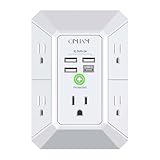
Okay, let’s make this easy. You’re looking at an outlet. It’s probably white or ivory plastic. It has two vertical slots. Above or below those, you’ll see a round or U-shaped hole. That’s your standard 120-volt outlet in Connecticut, just like it is most places in North America. That round hole is for the ground wire, which is a safety feature. It provides a path for electricity to go to the ground if something goes wrong, preventing shocks. Never ignore it or assume it’s optional.
Now, what about those other outlets you might see? The ones that look beefier, maybe with more slots or a different configuration? Those are typically 240-volt outlets. Think the big plug for your electric dryer or that massive electric range in the kitchen. They’re designed to handle more power for those power-hungry appliances. You absolutely cannot plug a standard 120-volt appliance into a 240-volt outlet; the plug won’t fit. And, in case you’re wondering, plugging a 240-volt appliance into a 120-volt outlet won’t work because it won’t get enough juice.
Here’s a simple visual guide, though I’d recommend checking your home’s breaker panel if you’re ever truly unsure about circuit types:
| Outlet Type | Appearance | Typical Use | Voltage | Opinion |
|---|---|---|---|---|
| Standard Duplex | Two vertical slots, one round hole below | Lamps, TVs, computers, small appliances | 120V | This is your workhorse. Key for 90% of your needs. Make sure it’s grounded. |
| NEMA 6-20R | Two parallel horizontal slots, one round hole | Larger appliances, workshop tools, some EV chargers | 240V | For when you need more grunt. Not for your phone charger. |
| NEMA 10-30R (Older Dryer) | Two parallel vertical slots, one U-shaped hole | Older electric dryers | 240V | Getting phased out. If you have one, be aware. |
| NEMA 14-30R (Newer Dryer/Range) | Two parallel vertical slots, one round hole, one U-shaped hole | Modern electric dryers, electric ranges | 120/240V | Versatile, but requires specific appliance plugs. |
Most of the time, when you ask ‘am i at 120 volt outlets in ct’, you’re looking at the standard duplex outlet. It’s the backbone of your home’s electrical system for everyday items. The key takeaway is to recognize the common configuration and know that anything with that familiar two-slot-plus-ground setup is designed for 120 volts. (See Also: Are American Outlets Ac Or Dc )
The Dumb Mistakes People Make with Outlets (and How Not To)
This is where my inner grumpy electrician comes out. The number one mistake? Ignoring the ground pin.
Seriously. People trim it off old cords because the outlet they’re plugging into doesn’t have a ground hole.
That’s not the outlet’s fault, that’s your wiring’s fault. Or, it’s just an old, ungrounded outlet. But the appliance is designed to be grounded for a reason. It’s a safety net.
If you’re plugging a 120V appliance into a two-prong outlet, you’re taking a calculated risk that you shouldn’t have to. If you see an old two-prong outlet, the smart move is to get it replaced with a grounded three-prong one, or at least use a GFCI outlet. They’re not that expensive, and they can literally save your life.
Another classic blunder: using extension cords that are too light-duty for the job. Just because an extension cord fits doesn’t mean it’s safe or appropriate. A thin, flimsy cord meant for a table lamp is going to overheat and potentially start a fire if you plug a power tool or a space heater into it. Always check the gauge of the wire (lower number means thicker wire, more current capacity) and the maximum wattage it’s rated for.
If the appliance’s plug feels loose in the extension cord, that’s a bad sign. Get a better cord. It’s not worth the risk.
I once melted an extension cord trying to run a hefty shop vac through one that was clearly undersized. Smelled like burnt plastic for a week and nearly had a meltdown myself.
Then there’s the “if it fits, it ships” mentality with adapters. Using a cheater plug (a three-prong to two-prong adapter) without a properly grounded outlet is dangerous. It defeats the purpose of the ground. If the adapter has a little metal tab, and the outlet doesn’t have a screw hole to attach it to, just leave the adapter unused.
Some people will just jam the tab somewhere random. That’s just asking for trouble. Also, never overload an outlet. (See Also: Are All Power Outlets Ac )
Plugging in too many high-draw devices into a single outlet or a power strip can overheat the outlet, the wiring, and the strip itself. Those power strips often have a maximum wattage rating; pay attention to it.
They aren’t magic boxes that create extra power.
The last big one is DIY wiring without knowing what you’re doing. Everyone thinks they can just swap out an outlet or a switch. If you’re not comfortable, if you don’t understand basic wiring principles, or if you get confused at any point, stop. Call a qualified electrician. It’s cheaper than a hospital visit or redoing fire damage. When it comes to electricity, especially in Connecticut where the codes are just as rigorous as anywhere else, there’s no room for guesswork. Err on the side of caution.
My Experience: Where 120v Really Matters
When I first moved into my current place, the previous owner had some… interesting electrical choices. One of the bedrooms had an outlet that looked a bit different. I figured it was just an older style, but when I tried to plug in my gaming console, it felt loose. I tested it, and sure enough, it was wired incorrectly.
It was supposed to be a standard 120V outlet, but the wiring was all over the place, leading to intermittent power and a constant hum from the console’s power supply. It took me a solid afternoon of tracing wires back to the breaker box to sort it out. The mistake was assuming it was just an old outlet; it was a badly wired one.
For everyday electronics – your laptop, your phone charger, your TV, your microwave, your coffee maker – you are exclusively dealing with 120V circuits. That’s the whole point of them. They provide enough power for these common devices without being overwhelming. Think about it: your phone charger doesn’t need 240V, and your TV certainly doesn’t. The standard is set up for convenience and safety for the vast majority of things we use daily.
Where things get a bit nuanced is when you start using power-hungry tools or appliances. My neighbor recently got a new electric vehicle, and the charging station they installed uses a beefier 240V outlet. He asked me if he could just use an adapter to plug his Leaf into a regular 120V outlet. Technically, some basic trickle chargers can do that, but it takes forever – like days to get a full charge. And you must use the correct, heavy-duty extension cord if you’re going to run it a distance, which most people don’t realize. That’s a prime example of where 120V is insufficient for a modern need, and you need to step up to 240V.
Conversely, I’ve seen people try to plug things into 240V outlets that clearly only need 120V, sometimes with adapters that are frankly terrifying. For example, trying to run a small workshop compressor that’s designed for 120V from a 240V circuit. It’s either going to fry the motor or just not work at all, and you risk damaging the appliance. The rule of thumb is simple: match the appliance’s voltage requirement to the outlet’s voltage. For almost everything that doesn’t come with a thick, red power cord, you’re dealing with 120V. So, the answer to ‘am i at 120 volt outlets in ct’ for your typical electronics is always yes.
Practical Tips for Using 120v Outlets Safely
Here are a few no-nonsense tips to keep you and your home safe when dealing with 120-volt outlets in Connecticut: (See Also: Are Arc Trip Outlets Required In Hillsborough County )
- Inspect Cords Regularly: Before you plug anything in, give the cord a quick once-over. Look for nicks, cuts, fraying, or exposed wires. If you see damage, don’t use it. Replace the cord or the appliance. It’s a simple visual check that takes seconds.
- Use the Right Extension Cord: As I’ve hammered home, don’t use undersized extension cords. Check the wattage rating on both the cord and the appliance. If the appliance draws more than the cord can handle, it’s a fire hazard. For outdoor use, make sure the cord is rated for that purpose.
- GFCI Protection is Your Friend: Ground Fault Circuit Interrupter (GFCI) outlets are designed to shut off power quickly if they detect an imbalance in the current, which can happen if electricity is flowing through an unintended path (like you). They are required in bathrooms, kitchens, garages, and outdoor areas. Even if you have a two-prong outlet, you can often install a GFCI outlet in its place, providing much-needed protection. It’s a smart upgrade that’s worth the small cost.
- Understand Your Breaker Panel: Familiarize yourself with your home’s electrical panel. Know which breaker controls which rooms or appliances. If something trips a breaker, you’ll know where to go to reset it. If a breaker trips repeatedly, don’t just keep resetting it; there’s likely an underlying issue that needs professional attention.
- Avoid ‘Cheater’ Adapters on Ungrounded Outlets: If you have older, two-prong outlets and need to plug in a three-prong appliance, do NOT use a simple adapter that bypasses the ground. Use a GFCI outlet instead, or have the wiring upgraded.
- Don’t Force Plugs: If a plug doesn’t fit easily into an outlet or an extension cord, don’t force it. You could damage the outlet, the plug, or create a loose connection that could overheat. It means something is wrong.
These aren’t complicated rules. They’re common sense applied to electricity. By following them, you significantly reduce the risk of electrical fires, shocks, and damaged appliances. When you’re wondering ‘am i at 120 volt outlets in ct,’ remember these safety practices apply universally.
People Also Ask
Do I Need a Special Outlet for a 120-Volt Appliance?
Generally, no. Standard 120-volt appliances, which include the vast majority of household electronics like lamps, TVs, computers, and kitchen gadgets, are designed to plug into the common duplex outlet you see everywhere. These outlets have two vertical slots and a round ground hole. The only exception might be if you’re dealing with a very old home that has ungrounded two-prong outlets, in which case upgrading to a grounded outlet or using GFCI protection is highly recommended for safety.
Can I Plug a 120v Appliance Into a 240v Outlet?
No, you cannot directly plug a 120V appliance into a 240V outlet because the plug configurations are different and will not physically fit. Even if you could somehow force it, the higher voltage would likely damage or destroy the appliance. Appliances are designed for specific voltage requirements, and attempting to mismatch them is dangerous and will lead to equipment failure.
What Happens If I Plug a 120v Device Into a 240v Outlet?
If you were somehow able to bypass the physical plug incompatibility, plugging a 120V device into a 240V outlet would force twice the intended voltage through the device’s components. This would almost certainly lead to immediate and catastrophic failure, potentially causing smoke, fire, or explosion. It’s a surefire way to destroy your appliance instantly and poses a significant safety hazard.
How Can I Tell If an Outlet Is 120v or 240v?
The easiest way is by looking at the outlet’s configuration. Standard 120V outlets have two vertical slots and a round or U-shaped ground hole below them. 240V outlets are typically larger and have different slot configurations, often including horizontal slots or more than two slots, designed to accommodate higher-power plugs. If you’re still unsure, checking your home’s electrical panel and identifying the circuit breaker for that outlet is the most definitive way.
Conclusion
So, to put it plainly: yes, the vast majority of outlets you encounter in Connecticut, and indeed across North America, are 120 volt outlets. Your lamp, your phone charger, your TV – they all run on this standard. It’s not some exotic voltage only found in obscure labs. It’s the everyday power that runs our lives.
The main thing is to be aware of what you’re plugging into and what you’re plugging in. Don’t try to force things, don’t ignore safety features like grounding, and if you’re ever unsure about your wiring, especially in older homes, get a professional to take a look. It’s not worth the risk to save a few bucks.
Ultimately, knowing whether you’re at 120 volt outlets in ct is about understanding the basics of your home’s electrical system so you can use your appliances safely and effectively. It’s about not being the person who has to explain why their toaster is now a permanent part of the ceiling.