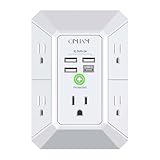
I once spent a solid hour staring at a wall outlet, convinced it was the source of my appliance woes. It looked like every other outlet, but my fancy new European hairdryer was acting like a damp sponge. This whole situation got me thinking about those little slots in our walls and what they actually mean, especially when you start talking about voltages. So, let’s cut to the chase: are 5 15r outlets 220v? The short answer is almost certainly not, but the ‘why’ and ‘what it means for you’ is where things get interesting, and frankly, where a lot of people get tripped up.
It’s easy to look at a plug and an outlet and assume they’re interchangeable parts in a universal system. But as I learned with that hairdryer, and as many DIYers discover the hard way, there’s a lot more going on beneath the surface. The markings on an outlet aren’t just decorative; they tell a story about the power it’s designed to deliver.
What That ‘5-15r’ Stamped on Your Outlet Actually Means
Alright, let’s talk about what those little letters and numbers stamped on your wall outlets – like the ubiquitous ‘5-15R’ – actually signify. It’s not some arcane code meant to confuse you; it’s actually a pretty straightforward system that tells you the outlet’s rating for amperage and voltage. Think of it as the outlet’s ID card. The ‘5’ in 5-15R refers to the amperage rating, which is 15 amps. The ’15’ is also the amperage, reinforcing that it’s a 15-amp circuit. The ‘R’ stands for ‘Receptacle,’ which is just the technical term for the outlet itself.
Now, importantly, the standard markings on a 5-15R outlet don’t directly state the voltage. However, in North America, the vast majority of residential and commercial buildings wired to standard codes use 120 volts for general-purpose outlets. So, while the marking itself isn’t a voltage indicator, the context of where you find it almost always implies 120 volts. This is your standard wall socket for lamps, TVs, phone chargers, most kitchen appliances, and so on. It’s designed to accept a NEMA 1-15 plug (two parallel flat prongs) or a NEMA 5-15 plug (two parallel flat prongs plus a round ground pin). The ‘5’ signifies the grounding configuration.
Here’s where it gets a little messy: people often see different outlet configurations and assume they’re for higher voltages. You’ve probably seen outlets with a T-shaped slot on one side, or maybe a larger, more solid-looking one. These are indeed often rated for higher amperages (like 20 amps) or different voltage configurations (like 240 volts), but they’ll have different markings. A 5-15R is specifically designed for the standard 15-amp, 120-volt circuits that power most of your everyday devices.
Trying to plug a high-draw appliance intended for 240 volts into a 120-volt 5-15R outlet won’t just fail to work; it can damage your appliance or even pose a fire hazard. It’s like trying to fill your car’s gas tank with diesel – it’s the wrong fuel, and it causes problems.
I remember a friend who bought a powerful shop vacuum that came with a plug that looked like it belonged on a dryer. He, of course, only had 5-15R outlets in his garage. Instead of checking the appliance’s voltage requirements or getting an electrician, he tried to force the plug in, bending the prongs. He swore the outlet was ‘broken’ because the vacuum wouldn’t even hum. It took me explaining the difference between 120v and 240v plugs and outlets, and showing him the marking on his vacuum’s plug, to get him to understand he needed a different type of outlet entirely. His frustration was comical in hindsight, but also a stark reminder of how important understanding these basic ratings is.
The 120v vs. 240v Distinction: It’s Not Just a Number
The core of the confusion around whether 5-15R outlets are 220v (or more accurately, 240v in North America) lies in the difference between the voltages our homes are supplied with and what specific appliances need. Most homes in North America have a split-phase electrical system. This means you get two 120-volt circuits from your main panel for general use, and you can also combine them to get a 240-volt circuit for high-demand appliances. Think of it like having two separate hoses delivering water at a certain pressure (120v), but you can connect them in a way to deliver even more pressure (240v).
A 5-15R outlet, as we discussed, is designed for that standard 120-volt, 15-amp service. It has two vertical slots and a U-shaped ground pin hole. This is perfect for your toaster, your laptop charger, your TV, and most other things that don’t draw a massive amount of power continuously. They are incredibly common, found in every room of most houses and apartments.
Now, 240-volt circuits and outlets are a different beast. Appliances that typically require 240 volts include electric clothes dryers, electric stoves or ovens, central air conditioning units, and some larger workshop tools. These appliances draw a lot more power, and running them on 120 volts would either be impossible (the circuit breaker would trip instantly) or extremely inefficient and potentially damaging. The outlets for these appliances look different.
A common 240-volt outlet, for example, might have one vertical slot and one horizontal slot, or even three or four slots in various configurations, depending on the amperage and whether it’s a 240v-only circuit or a 120/240v circuit. These outlets are almost always on a dedicated circuit breaker rated for 20, 30, or even 50 amps, significantly higher than the 15 amps a 5-15R is designed for.
My own electrical awakening came when I decided to install a dedicated workbench in my garage. I bought a beefy bandsaw that practically hummed with power, and it came with a thick, intimidating plug. I, in my infinite wisdom (read: ignorance), assumed the outlet in the garage was just a beefier version of the ones inside.
Wrong. When I plugged it in, the lights flickered, the saw made a pathetic groan, and then… nothing. (See Also: Are American Outlets Ac Or Dc )
The breaker didn’t even trip, which was the weirdest part. It turns out the saw needed 240 volts and about 20 amps, and the garage outlet was just a standard 120-volt, 15-amp 5-15R. I had to have an electrician run a new 240-volt circuit with the appropriate outlet.
Lesson learned: appearances can be deceiving when it comes to electrical outlets.
Common Mistakes and Misunderstandings About Outlet Voltage
One of the most frequent mistakes people make is assuming that if an appliance fits into an outlet, it’s the correct outlet. This is a dangerous assumption. As we’ve seen, a 5-15R outlet is rated for 120 volts and 15 amps. If you try to plug a 240-volt appliance into a 120-volt outlet, it simply won’t work. The motor might not even start, or it might just hum weakly. This is because it’s not receiving enough ‘push’ (voltage) to operate.
The flip side, and more concerning, is when people try to force a plug designed for a higher amperage or voltage into a lower-rated outlet. While most plugs are keyed to prevent this (a 240v plug won’t physically fit into a 120v 5-15R outlet), people sometimes resort to bending prongs or using adapters that bypass safety features. This is a recipe for disaster. Overloading a 15-amp circuit, even if the voltage is correct, can cause the wires to overheat, melt insulation, and potentially start a fire. The outlet itself can also overheat and melt if it’s subjected to more current than it’s designed to handle.
Another common pitfall is confusing outlet types. You might see an outlet that looks similar but is rated for 20 amps (often marked as 5-20R). While this is a higher amperage, it’s still typically a 120-volt outlet.
A 5-20R outlet has one slot that is T-shaped, allowing it to accept both 15-amp plugs (two parallel prongs) and 20-amp plugs (one parallel prong and one straight prong that forms the ‘T’ with the other slot). However, a 5-15R outlet can only accept 15-amp plugs.
You can plug a 15-amp plug into a 20-amp outlet, but you cannot plug a 20-amp plug into a 15-amp outlet. The markings are there to guide you, and ignoring them is like playing Russian roulette with your home’s electrical system.
I once knew a guy who was renovating his basement and decided to ‘upgrade’ all his outlets to the fancy-looking ones he found online. He bought a bulk pack of what he thought were just ‘better’ outlets. Turns out, he’d bought a bunch of 20-amp outlets (5-20R) and mixed them in with his existing 15-amp outlets (5-15R) without fully understanding the implications. He then plugged his old microwave, which had a standard 15-amp plug, into one of these new 20-amp outlets.
It worked fine. Later, he plugged in a high-draw space heater into another 20-amp outlet that was on a circuit that was already heavily loaded with other devices. The outlet got warm, then hot. The plastic around the slots started to sag.
Thankfully, he noticed it before it caught fire, but it was a serious wake-up call. The takeaway?
Always check the specific rating – amperage and voltage – for both your appliance and your outlet.
When You Might Actually Encounter 220v (or 240v)
So, if your standard wall outlets aren’t 220v (240v), where does that higher voltage show up? As mentioned, it’s primarily for appliances that need a significant surge of power to operate efficiently. These are typically fixed appliances that are permanently wired or use a large, specific plug. The most common places you’ll find 240-volt outlets are: (See Also: Are All Power Outlets Ac )
1. Kitchens: For electric ranges, ovens, and sometimes dishwashers. These outlets are usually larger and have a different configuration than standard 120v outlets. They are often 30 or 50 amps.
2. Laundry Rooms: For electric clothes dryers. Dryer outlets are very distinctive – often a 30-amp outlet with four slots (two for 120v and two for 240v) to accommodate the dryer’s controls and heating element. Older dryers might have a 3-prong outlet.
3. Garages and Workshops: For powerful tools like air compressors, welders, large table saws, and heavy-duty shop vacuums. These can be 20, 30, or even 50 amp 240-volt outlets, depending on the tool.
4. HVAC Systems: Your central air conditioning unit, whether it’s inside or outside your home, will be connected to a dedicated 240-volt circuit. You won’t typically see a plug for this; it’s usually hardwired.
It’s important to note that while the common term is ‘220v,’ in North America, the actual voltage supplied by the utility is closer to 240 volts. The term ‘220v’ is often used interchangeably, especially by consumers, but the electrical code and manufacturing standards refer to 240v. Regardless of the exact number, the principle is the same: it’s a higher voltage designed for higher power demand.
I learned this firsthand when I helped my dad replace his old electric dryer. The old outlet was a 3-prong, 240v outlet. The new dryer came with a 4-prong plug and specified a 120/240v 30-amp circuit.
It wasn’t just a plug-and-play swap. We had to make sure the wiring in the wall was adequate for a 4-prong outlet (which includes a separate ground wire) and install the correct new receptacle. The outlet itself looked similar but had an extra slot for the ground wire. The appliance manual clearly stated the voltage and amperage requirements, and the outlet had to match.
It’s a good example of how even within the same voltage range (120v vs. 240v), there are specific configurations and ratings you need to pay attention to.
Choosing the Right Outlet and Plug: A Practical Table
When you’re dealing with electrical outlets and plugs, precision is key. Using the wrong type can range from inconvenient to downright dangerous. Here’s a quick rundown of common NEMA configurations and what they mean. NEMA stands for the National Electrical Manufacturers Association, and they set the standards for these types of connectors in North America.
| Outlet Type (NEMA) | Amperage | Voltage (Typical North America) | Plug Configuration | Common Uses | My Verdict |
|---|---|---|---|---|---|
| 5-15R | 15A | 120V | 2 parallel flat blades, 1 U-shaped ground pin | General household appliances, electronics, lamps | The standard workhorse. Fine for most everyday stuff. Don’t overload it. |
| 5-20R | 20A | 120V | 1 straight blade, 1 T-shaped slot (accepts 15A and 20A plugs) | Kitchens (microwaves, toasters), bathrooms, garages (power tools) | A slightly beefier 120V option. Good for circuits with multiple outlets where higher draw is expected. |
| 6-15R | 15A | 250V | 2 parallel blades, 1 ground pin (blades angled differently than 5-15R) | Heavy-duty tools, some industrial equipment, servers | Less common in homes, more for specialized gear. Make sure you have the correct voltage supply. |
| 6-20R | 20A | 250V | 2 parallel blades, 1 ground pin (blades angled differently than 5-20R) | Industrial machinery, powerful workshop tools, large servers | Serious power for serious tools. Not for your average lamp. |
| 10-30R | 30A | 120/240V | 2 parallel blades, 1 round ground pin (older configuration) | Older electric dryers, some RV hookups | Being phased out. If you have this, check if your appliance needs a 3-prong or 4-prong setup. |
| 14-30R | 30A | 120/240V | 2 parallel blades, 2 perpendicular blades (for neutral and ground) | Modern electric dryers, electric ranges | The current standard for many larger appliances. Handles both 120V and 240V needs. |
It’s important to remember that you should never force a plug into an outlet it doesn’t fit. If your appliance has a plug that doesn’t match your outlet, do not try to modify either. Consult a qualified electrician. They can assess your wiring and install the correct type of outlet and breaker if needed. I’ve seen people try to adapt plugs and outlets, and it’s always led to issues, from intermittent power to tripped breakers, and in the worst cases, sparks and smoke. Safety first, always. A qualified electrician is worth every penny when it comes to electrical work.
The Authority on Electrical Standards: What the Nec Says
When you’re talking about electrical installations and safety in the United States, the National Electrical Code (NEC) is the governing document. It’s published by the National Fire Protection Association (NFPA), and it’s adopted by most states and local jurisdictions. The NEC provides minimum standards for safe electrical design, installation, and inspection of electrical systems in buildings and structures. It’s not a product catalog, but it dictates the requirements for how outlets, wiring, and circuits should be installed.
The NEC specifies the types of receptacles (outlets) that must be used for different voltage and amperage requirements. For example, it dictates that general-purpose receptacles in dwelling units shall be 15-amp or 20-amp rated at 125 volts (which is our common 120-volt system). It also specifies the requirements for higher voltage and amperage circuits, like those for dryers and ranges. The NEC is very clear that the outlet type must match the voltage and amperage rating of the circuit it’s connected to. It also outlines requirements for grounding and bonding, which are important safety features. (See Also: Are Arc Trip Outlets Required In Hillsborough County )
The markings on the outlets themselves – like the NEMA standards we discussed – are designed to comply with the NEC. A 5-15R outlet is NEC-compliant for a 15-amp, 120-volt circuit. You won’t find an outlet marked ‘5-15R’ that is designed to deliver 240 volts. If you need 240 volts, you’ll be looking at different NEMA configurations (like the 6-series or certain 10/14 series) that are designed for higher voltages and amperages, and these must be connected to appropriately rated circuit breakers and wiring as per the NEC.
I remember a time I was troubleshooting a persistent tripping breaker in my garage. I consulted a few online forums, and a lot of people were suggesting simply putting in a higher-rated breaker.
Thankfully, I decided to check the NEC guidelines first. It became clear that the problem wasn’t the breaker size, but the fact that the circuit was overloaded with tools that drew more than its 15-amp capacity. The NEC mandates that circuits are protected by breakers that match the wire gauge and expected load. Ignoring those rules is how you end up with overheated wires and fires.
So, while the NEC is a dense read, understanding its core principles regarding voltage, amperage, and proper circuit protection is fundamental for any DIY electrical work.
Are 5-15r Outlets 220v?
No, 5-15R outlets are standard 120-volt outlets in North America. The ‘5-15’ rating indicates 15 amps, and the ‘R’ signifies a receptacle. While the marking doesn’t explicitly state voltage, the context of its widespread use in residential buildings points to 120 volts. Higher voltage outlets (like 240v) have different NEMA markings and physical configurations.
Can I Plug a 220v Appliance Into a 5-15r Outlet?
No, you absolutely cannot. A 220v (240v) appliance will not function on a 120v outlet and attempting to do so can damage the appliance, trip breakers, or even cause a fire. Plugs are designed to fit specific outlet types and voltage/amperage ratings for safety reasons.
What Voltage Is a T-Shaped Outlet?
A T-shaped slot on an outlet typically indicates a 20-amp, 120-volt receptacle (NEMA 5-20R). This type of outlet can accept both standard 15-amp plugs and higher-amperage 20-amp plugs. It is still a 120-volt outlet, just rated for a higher current than a standard 5-15R outlet.
How Do I Know If an Outlet Is 220v?
You can tell if an outlet is intended for 220v (240v) by its physical appearance and markings. They will have different slot configurations than standard 120v outlets (5-15R or 5-20R) and will often be rated for higher amperage (e.g., 30A or 50A). Look for markings like 6-15R, 6-20R, 10-30R, or 14-30R. If in doubt, always check the circuit breaker in your electrical panel or consult a qualified electrician.
Verdict
So, to put it plainly, are 5 15r outlets 220v? Absolutely not. They are your standard 120-volt, 15-amp outlets, the workhorses of your home for everyday electronics and appliances. The world of 220v (240v) outlets is reserved for the power-hungry giants like your oven, dryer, or a serious shop tool, and those outlets look, feel, and are marked entirely differently.
My advice? Don’t guess. Take a moment to look at the markings on your outlets and the plugs on your appliances. If you’re ever unsure, especially when dealing with higher-voltage appliances or planning any electrical modifications, do yourself a favor and call a licensed electrician. It’s a small price to pay for safety and peace of mind. Cheaping out on electrical work is one of those ‘penny wise, pound foolish’ situations I’ve seen go very wrong.
The next time you’re plugging something in, give a little nod to the engineering that makes it all work, and make sure you’re plugging the right thing into the right hole. It’s not rocket science, but it does require a bit of attention to detail.