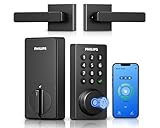
I remember staring at a pile of new doorknobs and deadbolts in the hardware store, feeling completely overwhelmed. I just needed to replace a couple that were getting sticky, nothing fancy. But suddenly, I was drowning in a sea of measurements, backsets, and strike plate dimensions. It dawned on me then: are all door locks standard? The short answer? Not even close, and that’s a headache nobody tells you about until you’re elbow-deep in frustration.
Most people assume a doorknob is a doorknob, right? Pop the old one off, pop the new one on. Easy peasy. Well, I learned the hard way that this assumption can lead to a lot of wasted time and money. This whole idea of everything being ‘standard’ in home improvement can be a real illusion.
The Lock Industry Isn’t Exactly Singing Off the Same Hymn Sheet
Look, the idea that ‘are all door locks standard’ is a comforting thought, isn’t it? It conjures up images of universal compatibility, where any lock you pick off the shelf will fit any door. I wish that were true. My first attempt at replacing a front door deadbolt involved buying what looked like a perfectly good, solid brass unit.
It looked nice, felt heavy, and the sales guy nodded sagely when I pointed at it. I got it home, wrestled with the old one, and then stared at the new one. The bolt didn’t quite reach the strike plate.
The screw holes didn’t line up. It wasn’t even close. Cue an embarrassing trip back to the store with my tail between my legs, armed with a tape measure and a much more cautious demeanor.
The truth is, while there are some common dimensions and ANSI/BHMA standards that many manufacturers adhere to, there’s a surprising amount of variation. Think about it: doors themselves aren’t all identical. They vary in thickness, the cutouts for the locks can differ slightly, and the framing around them (the jamb) plays a role. Then you’ve got different styles of locks: knob locks, lever locks, deadbolts, mortise locks (though those are less common in modern homes), and even smart locks, all of which have their own installation quirks and sometimes unique requirements.
The most common culprits for incompatibility usually boil down to a few key measurements. The ‘backset’ is a big one. This is the distance from the edge of the door to the center of the hole where the lock mechanism goes.
You’ll typically see 2 3/8 inches or 2 3/4 inches as the most common backsets for residential doors. Many modern locks have adjustable backsets, which is a lifesaver, but not all do.
If your door has a non-standard backset, finding a direct replacement can be a pain. Another measurement is the door thickness. While most interior and exterior doors fall within a certain range (usually 1 3/8 inches to 1 3/4 inches), custom doors or older homes might have something different.
Then there’s the size of the hole drilled through the door for the lock cylinder and the diameter of the hole for the bolt mechanism. Even the dimensions of the ‘rose’ (the decorative plate behind the knob or lever) can be different, meaning a new lock might not cover the old cutout, leaving unsightly gaps. It’s a whole puzzle, and assuming a universal fit is like showing up to a puzzle competition with a jigsaw piece from a different box. (See Also: Are There Different Size Holes For Installing Door Locks )
Deciphering the Lingo: What You Actually Need to Measure
Okay, so if it’s not all standard, what do you actually need to look at before you buy a new lock? This is where the real work happens, and frankly, it’s not rocket science, but it does require a bit of attention. The first thing you absolutely need to know is the backset.
I learned this the hard way, as I mentioned. Grab a tape measure and measure from the edge of the door to the center of the hole that the bolt sticks out of. Most likely, it’s going to be either 2 3/8 inches or 2 3/4 inches. Many locks will explicitly state if they have an adjustable backset, which means they can accommodate both.
If yours is, say, 2 1/2 inches, you might be in for a bit more searching or need to slightly enlarge the hole for the bolt, which isn’t ideal.
Next up is the door thickness. Again, a tape measure is your best friend here. Most interior doors are 1 3/8 inches thick, and exterior doors are usually 1 3/4 inches thick. Make sure the lock you’re buying is designed to fit your door’s thickness. Some locks come with different length screws or adjustable mechanisms to handle this, but it’s always best to check the product specifications.
You’ll also want to check the size of the bore hole – that’s the large hole drilled through the face of the door for the lock mechanism itself. This is usually around 2 1/8 inches in diameter. The smaller hole for the bolt mechanism is called the latch bore, and it’s usually 1 inch.
If you’re replacing an old lock and the new one’s rose (the decorative plate) is smaller than the old one, you might end up with a painted circle showing where the old one used to be. Ugh.
So, pay attention to the dimensions of the rose and the overall size of the lockset. If you’re doing a full replacement, it’s also worth noting the hole spacing if you have separate knobs and deadbolts. The distance between the center of the doorknob hole and the center of the deadbolt hole is typically 5 1/2 inches, but this isn’t always the case, especially on older doors.
Finally, consider the strike plate. This is the metal plate on the door frame that the bolt enters. While most strike plates are pretty standard in terms of shape and screw hole placement, the dimensions can vary slightly. If your existing strike plate is deeply set or a weird shape, you might need to chisel out a new mortise in the door frame for a new one, which is more work than most people bargain for. It’s often easier to find a lock that comes with a strike plate that matches your current setup or one that’s a common size.
The Common Mistakes That Cost You Time and Money
Alright, let’s talk about where people usually screw up. It’s easy to do, especially when you’re just trying to get a job done. My first mistake, as I’ve lamented, was assuming ‘standard’ meant ‘universal.’ (See Also: Are Sesame Seeds Kosher For Passoveris Pollock Kosher )
I bought a lock that looked good but simply didn’t fit the backset. It was a total waste of about $60 and an afternoon.
The second common mistake is not measuring at all. You see a shiny new lock, you like the price, you buy it. Big mistake. Always measure your door’s thickness, backset, and the existing hole sizes.
If you’re replacing a lock on a door that’s been there for ages, there’s a higher chance it might have non-standard dimensions. I once dealt with a very old Victorian house where the doors were significantly thicker than modern ones, and finding deadbolts that would fit was a nightmare.
Another pitfall is not considering the door material and swing. While most locks are designed for wood doors, if you have a metal or glass door, you’ll need specific hardware. Also, make sure the lock is reversible if your door swings a certain way. Most modern locks are, but it’s worth double-checking. The ‘handedness’ of a lock, especially a deadbolt, refers to which side of the door it’s designed to be installed on. Usually, you can flip a mechanism to work on either left- or right-handed doors, but it’s another detail to check.
Then there’s the ‘upgrade’ mistake. People see a fancy new smart lock and just buy it without checking if their door’s existing holes and framing can accommodate it. Smart locks often have different internal mechanisms and require specific dimensions for installation. You might need to drill new holes or enlarge existing ones, which can be a pain and potentially damage the door if not done carefully. I saw a friend try to install a smart lock on his old solid wood door, and he ended up with a mess of splintered wood and a lock that didn’t sit flush. He eventually had to call a carpenter.
Finally, don’t underestimate the value of a good strike plate. If your new lock’s bolt doesn’t align perfectly with your existing strike plate, you’ll have trouble locking and opening the door, and it can put stress on the mechanism. Sometimes, you can get away with just repositioning the strike plate slightly, but if the misalignment is significant, you’ll need to modify the door frame. This is where I’ve seen people give up and just force the lock, which inevitably leads to breakage.
My Contrarian Take: Why ‘universal Fit’ Is Mostly Bs
Okay, here’s my hot take. Everyone talks about ‘universal fit’ hardware, and yes, there are standards. BHMA (Builders Hardware Manufacturers Association) has standards, and ANSI (American National Standards Institute) has certifications that many locks meet. This means a lock that’s ANSI Grade 2 or Grade 3 is generally considered good for residential use, and there are defined sizes for things like the backset and bolt throw. That’s the ‘standard’ part.
But here’s the rub: ‘standard’ doesn’t mean ‘one size fits all doors.’ It means that if your door meets certain standard dimensions, then a lock built to those standards should fit. The problem is, not all doors meet those dimensions perfectly, especially older ones. I’ve seen so many instances where a lock that’s supposedly ANSI certified still required modification to fit properly because the door itself was just slightly off. The tolerances in manufacturing and the wear and tear on older doors can create enough variation to make a ‘standard’ lock a pain in the backside.
My personal philosophy? Treat ‘standard’ as a starting point, not a guarantee. Always verify. I’ve spent more money on locks that almost fit than I care to admit, only to end up buying a different one that required minimal fuss. It’s always better to spend a little extra time measuring and researching than to buy a lock that looks nice but ends up being a functional nightmare for months. I’ve learned to be suspicious of anything that claims to be a ‘universal fit’ without caveats, especially when it comes to home hardware. It’s usually a marketing ploy to get you to buy the thing, and then you’re the one left figuring out how to make it work. (See Also: Are Sliding Door Locks Common )
A Practical Guide to Lock Replacement (when ‘standard’ Fails You)
So, you’ve measured, you’ve confirmed your backset and door thickness, and you’re ready to buy. But what if you encounter something unusual, or you just want to be prepared? Here’s a simple process I’ve developed:
- Gather Your Tools: You’ll need a tape measure, a Phillips head screwdriver (magnetic tip is a bonus), and possibly a utility knife for any old paint seals. If you suspect you might need to adjust the frame or bore new holes, you might need a drill, spade bits, a chisel, and a hammer.
- Identify Your Lock Type: Are you replacing just the knob, the deadbolt, or the entire set? Note whether it’s a keyed lock, a privacy lock (for bathrooms/bedrooms), or a passage lock (for closets).
- Measure Everything (Again): Backset (2 3/8″ or 2 3/4″ common, adjustable is best). Door Thickness (1 3/8″ to 1 3/4″ common). Bore Hole Diameter (usually 2 1/8″). Latch Bore Diameter (usually 1″). Rose Diameter (to make sure it covers the old opening).
- Check for Adjustability: Look for locks with adjustable backsets and mechanisms that can accommodate different door thicknesses. This is your best bet for a hassle-free install.
- Compare to New Locks: Look at the product specs online or on the packaging. The measurements should be listed clearly. If your measurements fall outside the typical range, you might need to look at specialty hardware stores or consider modifying your door or frame.
- Consider the Strike Plate: Does the new lock come with a strike plate? Does it look similar in size and shape to your old one? If not, check the dimensions and be prepared to potentially modify your door frame.
- Test Fit (if possible): If you’re in a physical store, sometimes you can loosely assemble parts of the lock to see how they might fit against your door or a sample.
- When All Else Fails: Consult the Manufacturer: If you’re buying a specific brand, their website or customer service line can often provide detailed installation guides and help you troubleshoot compatibility issues. For example, Schlage’s website has a wealth of information on measuring and installation.
I once had to install a new deadbolt on a door that had a slightly larger hole drilled for the old mechanism. The new lock’s rose was too small to cover it. My workaround? I bought a slightly larger decorative escutcheon plate from a craft store, painted it to match the door, and installed the new lock behind it. It looked surprisingly good and saved me from having to drill a whole new mortise. It’s all about adapting when the ‘standard’ doesn’t quite cut it.
The Truth About Different Lock Types and Compatibility
It’s not just about the basic measurements; different types of door locks have their own compatibility considerations. Let’s break it down:
| Lock Type | Key Compatibility Concerns | Ease of Replacement | My Verdict |
|---|---|---|---|
| Doorknobs | Backset, bore hole size, rose size (to cover old holes). | Generally easy, as many use standard dimensions. | Easy swap if dimensions match. Watch out for decorative plate size. |
| Lever Handles | Similar to doorknobs: backset, bore hole, rose size. ADA compliance often means larger roses. | Slightly more complex than knobs if the lever arm is long. | Good for accessibility, but make sure measurements are spot on. |
| Deadbolts | Backset (important), bore hole for bolt, bolt throw length, hole spacing from doorknob (if applicable). | Can be tricky if the bolt mechanism or spacing is unusual. | Measure the backset and bolt throw carefully. They aren’t always interchangeable. |
| Smart Locks | Requires specific bore hole size (usually 2 1/8″), adjustable backset, door thickness capacity. Needs space for internal electronics. | Can require significant modification to the door if not a direct retrofit. | Check compatibility charts meticulously. Some are direct replacements, others require drilling. Don’t wing it. |
| Mortise Locks | Very specific cutout in the door edge and face. Not common in modern homes, found in older or high-end doors. | Difficult to replace without professional help or significant door modification. | If you have one, stick with it or get an expert. Not a DIY swap for most. |
When I replaced the locks on my first house, I opted for a matching set of knobs and deadbolts. The knob set was straightforward, but the deadbolt on the front door had a slightly different bolt length than the new one. It meant the strike plate didn’t line up perfectly. I ended up having to file down the edge of the bolt slightly to make it engage properly with the strike plate without binding. It was a small adjustment, but it shows how even seemingly minor differences can cause headaches.
Smart locks are the biggest wild card. While many are designed to fit standard bore holes and backsets, the internal mechanisms and battery compartments can require more clearance. You might find that a smart lock looks like it will fit, but the interior side is too bulky for your door frame when it’s closed, or it interferes with another fixture. Always, always, always check the specific installation requirements for the smart lock you’re eyeing. Some brands offer ‘retrofit’ models designed to work with existing installations, which are worth looking into.
The takeaway here is that while the hardware industry has tried to standardize things, the reality of different door ages, materials, and manufacturing processes means you can’t just assume that are all door locks standard. You need to be your own detective and measure carefully.
Verdict
So, are all door locks standard? Not in a way that lets you just grab any lock and expect it to fit your door without a second thought. While there are common dimensions and standards like ANSI/BHMA that guide manufacturing, the actual fit depends on your specific door. My own experiences have taught me to be a diligent measurer and to always check the specs, especially the backset and door thickness.
Don’t fall into the trap of assuming a universal fit. It’s a myth that can lead to frustration and wasted money. Instead, arm yourself with a tape measure and a bit of patience. Understanding the basic measurements and common lock types will save you a ton of grief. It’s better to spend a few extra minutes measuring than to spend hours trying to force a lock that wasn’t meant to be.
Next time you’re looking to replace a lock, take the time to measure your door. What’s the backset? How thick is the door? Are there any unusual cutouts? Knowing these details will make your shopping trip infinitely more successful and make sure you end up with a lock that actually works, not one that just sits there looking pretty (or worse, doesn’t fit at all).