So, you’re staring at your RV door, maybe after a long trip or a slightly unnerving nighttime noise, and you think, ‘I should upgrade this lock.’ Or maybe you lost the key. Whatever the reason, you start Googling, and the big question pops into your head: are all RV door locks the same size? The short answer, the one that’ll save you a headache? Nope. Not even close. I learned that the hard way, spending a solid afternoon wrestling with a brand-new lock that just wouldn’t play nice with my rig’s door frame. It felt like trying to fit a square peg into a round hole, except the pegs were metal and the hole was my vacation home on wheels.
My RV Door Lock Saga: Why Size Matters (a Lot)
When I first bought my camper, a modest travel trailer, I figured any sturdy-looking RV door lock would do. I was wrong. Dead wrong. My original lock was a pretty basic, single-point deadbolt with a simple paddle handle for locking from the inside. It worked, but it felt flimsy. After a particularly windy night where the door rattled like a tin can in a hurricane, I decided it was time for an upgrade. I found a fancy-looking RV door lock kit online, boasting a deadbolt, a handle, and even a keypad entry. It looked like the real deal. I clicked ‘buy’ faster than you can say ‘security upgrade.’
When it arrived, I was stoked. I unboxed it, ready to install. That’s when reality hit.
The new lock had a different bolt mechanism, a thicker faceplate, and the screw holes didn’t line up. Not even a little. I measured the old one, then the new one. The cutouts in the door itself were different shapes and sizes.
My dream of instant, high-tech security dissolved into a frustrating afternoon of staring at two incompatible pieces of metal. This is where I learned that the question, ‘are all RV door locks the same size?’ is a trick question.
The real answer is a resounding ‘no,’ and the variation is more than just minor differences in dimensions. It’s about the entire mechanism, the door thickness, and the specific cutout required.
I ended up having to order a different model, one that was specifically listed as a replacement for my RV’s manufacturer and model year. It took another week, and I ended up paying more because I was in a hurry.
Lesson learned: don’t assume standardization where there is none.
Decoding RV Door Lock Types and Measurements
Okay, so if they aren’t all the same, what are they? RV door locks aren’t like standard house doors where you can grab almost any Kwikset or Schlage and be reasonably sure it’ll fit. (See Also: Are Sesame Seeds Kosher For Passoveris Pollock Kosher )
RV doors are thinner, often made of composite materials, and designed for weight savings. This means the locks have to accommodate these differences. The most common types you’ll find are single-point locks and multi-point locks. A single-point lock operates with a single deadbolt or latch that extends from the door into the frame.
These are often found on older or smaller RVs. Multi-point locks, on the other hand, have multiple locking points that engage with the frame in different locations, offering significantly more security and stability. These are becoming more common on mid-to-larger RVs.
When you’re looking at replacement RV door locks, the key measurements you need are:
- Cutout Dimensions: This is the absolute most important. It’s the rectangular or square hole(s) cut into your RV door for the lock mechanism, handle, and deadbolt. You need to measure the height and width of the existing cutout, and also the distance between the edge of the door and the center of the latch mechanism (the backset).
- Door Thickness: RV doors vary in thickness, typically ranging from 1.5 to 2.5 inches. The lock you buy needs to be compatible with your door’s thickness, as the bolt and mounting hardware need to extend correctly.
- Bolt Type and Throw: This refers to how the bolt extends and retracts. Is it a standard deadbolt, a spring-loaded latch, or something else? The ‘throw’ is how far the bolt extends.
- Handle Style: Most RV doors have paddle handles for locking from the inside and a key lock/handle on the outside. The spacing and mounting of these handles also vary.
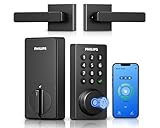
You’ll also find electronic or smart locks becoming more popular. These can offer keyless entry via keypad, fobs, or even smartphone apps. While these are slick, they often require specific cutouts and wiring, so compatibility is even more important. If you’re considering one of these, make sure it’s designed as a direct replacement for your existing lock type, or be prepared to do some potentially tricky modifications to your door.
Common RV Door Lock Mistakes (and How to Avoid Them)
I’ve seen it, I’ve done it, and I’ve heard about it from countless other RV owners. The biggest mistake is precisely what I did: assuming interchangeability. People see an RV door lock and think, ‘It’s an RV door lock, it’ll fit.’ Wrong. Another huge mistake is buying a lock that looks good but is made from cheap materials. I once bought a lock that felt solid in the box, but after a few months of exposure to the elements – sun, rain, dust – the finish started peeling, and the mechanism became stiff and unreliable. It was a cheap imitation, and it showed.
Here’s a quick breakdown of common blunders:
| Mistake | Why It’s Bad | My Verdict |
|---|---|---|
| Buying based on looks alone | You might end up with a lock that doesn’t fit or is poorly made. | Avoid. Function over flashy features. |
| Not measuring existing cutouts | The new lock won’t fit, leading to returns, delays, and frustration. | FAIL. Measure everything twice. |
| Ignoring door thickness compatibility | The bolt won’t engage properly, compromising security or jamming. | FAIL. Important for proper function. |
| Purchasing generic house door locks | RV doors are thinner and have different cutout requirements. They won’t fit. | STAY AWAY. Stick to RV-specific parts. |
| Overpaying for a ‘universal’ RV lock | Often, these aren’t truly universal and still require modifications or don’t fit perfectly. | Be skeptical. Research specific models. |
The best way to avoid these pitfalls is to do your homework. Before you even start shopping, grab your tape measure and a screwdriver. Take your existing lock apart (or at least remove the interior trim) and get precise measurements of the door cutouts and the door thickness. Look for the manufacturer and model number of your current lock if it’s still legible. Often, RV manufacturers will specify certain lock brands they use, and finding a direct replacement from that brand is your golden ticket.
Real-World RV Door Lock Considerations
Beyond the basic fit, there are practical, real-world considerations for RV door locks. Security is obviously most important. While fancy keypads and multiple deadbolts sound great, are they really necessary for every RV owner? For me, a solid single-point deadbolt with a good quality paddle handle was sufficient for years. My recent upgrade to a dual-lock system (handle lock plus a separate deadbolt) offers peace of mind without being overly complicated. The added security is palpable. I sleep better knowing there are two distinct locking mechanisms to defeat. (See Also: Are Sliding Door Locks Common )
Durability against the elements is another massive factor. RVs are constantly exposed to UV rays, rain, humidity, and temperature swings. A lock made of cheap plastic or thin metal will degrade quickly. Look for locks made from solid materials like forged brass, stainless steel, or high-quality aluminum alloys. The finish matters too. Powder coating or anodized finishes tend to hold up much better than painted ones. I’ve seen RV door locks where the paint just baked off in the sun after a couple of seasons. That’s not just ugly; it exposes the metal underneath to rust and corrosion.
Ease of use is also surprisingly important. Think about fumbling for keys in the dark, in the rain, or with your arms full of groceries. A lock with a well-designed paddle handle that’s easy to grip and operate, or a keypad that’s responsive even with slightly dirty fingers, makes a big difference in daily life. I’ve had locks where the buttons were too small, or the paddle handle was awkwardly shaped, making them a minor annoyance every single time I used them. Consider who will be using the lock – older folks, kids – and choose accordingly. A lock that’s simple to operate reliably, day in and day out, is worth its weight in gold.
Choosing the Right Replacement: A Practical Approach
So, you’ve measured, you know your door thickness, and you’ve decided against the cheap-and-cheerful options. Now what? Your best bet for finding a replacement that actually fits is to identify what your RV manufacturer typically uses. Many RV manufacturers, like Thor, Forest River, and Winnebago, will use specific lock brands and models across their product lines. A quick search online for ‘[Your RV Manufacturer] door lock replacement’ might point you in the right direction. You can often find forums or owner groups dedicated to your specific RV model where people share their experiences and recommended parts.
I highly recommend looking at brands that specialize in RV hardware. Companies like Bauer Products, Trimark, and LCI (Lippert Components) make a wide range of RV-specific locks. When you find a potential replacement, scrutinize the product listing. Does it clearly state the cutout dimensions? Does it list compatible door thicknesses? Does it show detailed photos of the mechanism and mounting points? If a listing is vague or only shows a single generic photo, I’d steer clear.
What About Universal RV Door Locks?
The term ‘universal’ in RV parts can be a bit of a minefield. While some universal RV door locks exist, they often rely on adjustable strike plates or shims to accommodate minor variations. However, they rarely fit perfectly into pre-existing, non-standard cutouts. If your door has existing holes that need to be covered or worked around, a truly universal lock might not be the right solution. It’s always better to find a lock that matches your existing cutouts as closely as possible. If you absolutely must use a universal lock, be prepared for potential modifications, like drilling new holes or filling old ones, which can be a hassle and may compromise the integrity of your door if not done correctly.
Installation and Long-Term Care
Once you’ve got the right lock, installation can range from super simple to moderately tricky, depending on your DIY skills and the lock itself. For most basic replacements where the cutouts match, it’s usually a matter of unscrewing the old lock, cleaning up the door edge, and screwing in the new one. Make sure to use a good quality sealant (like silicone caulk) around the edges of the lock and strike plate when you install it. This prevents water from seeping into the door and causing rot or delamination – a common problem in RVs.
For smart locks or those with more complex mechanisms, you might need to wire them up or deal with more intricate mounting hardware. Always follow the manufacturer’s installation instructions to the letter. Don’t try to force anything. If it feels wrong, it probably is. A quick YouTube search for installing your specific model of RV lock can also be incredibly helpful, offering visual guidance that written instructions sometimes lack.
Long-term care is simple but often overlooked. Periodically (say, twice a year), spray a dry lubricant like graphite powder or a silicone-based spray into the keyhole and on any moving parts. Avoid WD-40, as it can attract dust and gunk up the mechanism over time. Keep the exterior clean. Regularly check the strike plate on the door frame to make sure it’s still tight and aligned. A loose strike plate can put undue stress on the lock mechanism, leading to premature wear. Treat your RV door lock well, and it’ll keep your home on wheels secure for years to come. (See Also: Are The Rams Locked Into The 6th Seed )
Frequently Asked Questions About RV Door Locks
Are RV Door Locks Interchangeable?
No, RV door locks are generally not interchangeable. Unlike standard house doors, RV doors have specific cutout dimensions, thicknesses, and mounting systems. While some aftermarket locks are designed to fit a range of RVs, it’s important to measure your existing lock and door cutouts carefully to make sure compatibility. Always look for RV-specific locks and verify their dimensions against your needs.
What Is the Most Common RV Door Lock Brand?
There isn’t one single ‘most common’ brand, as different RV manufacturers use various suppliers. However, brands like LCI (Lippert Components), Trimark, and Bauer Products are frequently found on RVs and offer a wide range of replacement options. Your best bet is to identify the brand of your current lock or consult your RV’s manual or manufacturer for recommendations.
Can I Install a Smart Lock on My RV Door?
Yes, you can install a smart lock on your RV door, but compatibility is key. Many smart locks designed for RVs are available and can replace existing paddle handle locks. However, you need to make sure the smart lock’s cutout dimensions and mounting requirements match your existing door. Some may require additional wiring or modifications.
How Do I Measure My RV Door Lock for Replacement?
You’ll need to measure the existing cutout in your RV door for the lock mechanism, handle, and deadbolt (height, width, and distance from the door edge to the center of the latch). Also, measure the thickness of your RV door. These measurements are important for finding a compatible replacement lock. It’s often best to remove the interior trim to get accurate measurements of the holes in the door itself.
Conclusion
So, to circle back to the initial question: are all RV door locks the same size? The definitive answer is no. I’ve seen firsthand how frustrating it is to buy the wrong one, leading to wasted time and money. Your best bet is always to do your homework before you buy. Measure everything twice, research the brands your RV manufacturer uses, and read reviews from other RV owners.
Don’t just grab the first lock that catches your eye online. Take the time to understand the specific requirements of your RV door. A little effort upfront can save you a massive headache down the road. Investing in a quality, properly fitting RV door lock isn’t just about security; it’s about peace of mind on your adventures.
What kind of lock is currently on your RV? Knowing that can be the first step in finding the right replacement.