You know that moment, right? You’re juggling groceries, maybe a rambunctious dog is pulling on the leash, and you’re fumbling for your keys. In that split second, you glance at your apartment door and wonder: are apartment doors kept locked by default, or is it up to me and every single tenant on this floor to remember? It’s a basic question, but one that carries a surprising amount of weight when you consider peace of mind.
I’ve lived in enough places to have seen it all, from buildings where the concierge practically triple-checks your ID to those where the front door often hangs open like an invitation. The reality is, it’s not as simple as a universal ‘yes’ or ‘no’.
Let’s cut through the fluff and talk about what actually keeps your home secure.
The Front Door: Building Management’s Job (mostly)
For the most part, the main entry point to an apartment building – the actual front door you walk through to get into the common hallways – is indeed supposed to be kept locked. This is standard practice for security. Building managers and landlords have a responsibility to provide a reasonably safe environment, and that starts with controlling who gets past the lobby.
How they achieve this varies. You’ll see everything from simple deadbolts that require a key from the outside (and often a thumb-turn from the inside) to more complex key card entry systems, intercoms where you buzz people in, or even security guards. In older buildings, sometimes it’s just a heavy-duty lock that the superintendent is responsible for making sure is engaged. New builds and larger complexes often invest in more sophisticated tech like electronic fobs or apps on your phone.
The important point here is the ‘from the outside’ part. While management locks the building’s main entrance, they can’t control whether you, your neighbor, or that friend visiting someone on the third floor remembers to shut it properly behind them. I once lived in a place where the main door lock was notoriously sticky. Half the time, people would push it closed, assume it latched, and then it would pop open again. We had a constant stream of unsolicited visitors – delivery people who got the wrong floor, solicitors, and once, a very confused cat. It drove me nuts. I complained so many times. Eventually, they replaced the whole mechanism, but for six months, it was a joke.
This isn’t to say management doesn’t try. They install the locks, they have the maintenance contracts, and they’re the first line of defense. But the effective security of that main door relies heavily on the cooperation of every single person who lives there or has legitimate access. It’s a shared responsibility, even if the initial installation and upkeep fall on the landlord. The common advice is to assume it’s locked, but also to be aware that ‘locked’ can mean different things, from a high-tech scanner to a slightly janky deadbolt.
Your Apartment Door: Your Personal Fortress
Now, let’s talk about the door to your actual apartment. Are apartment doors kept locked? Absolutely, by you. This is not a ‘hope and pray’ situation. Unlike the building’s main entrance, which management has a vested interest in securing (for liability and tenant satisfaction), your individual apartment door is entirely your domain. The landlord provides the door and the basic lock mechanism, but the responsibility for using it, and for any upgrades or enhancements, falls squarely on you.
Most apartments come standard with a deadbolt and the lock integrated into the doorknob. This is the minimum. Think of it like the car you bought – it comes with seatbelts, but you’re the one who has to fasten them every time you drive. It sounds obvious, but you’d be shocked how many people, especially younger renters or those in a hurry, get lax about this. I’ve seen neighbors leave their doors opened for hours, sometimes just stepping out to grab mail or chat with someone down the hall. It’s a gamble I’m personally never willing to take.
My first apartment after college had a flimsy doorknob lock and a deadbolt that felt like it was made of cheap pot metal. I remember one night, after a late shift, I got home and just dropped my keys on the counter, too tired to even think.
Then I heard a faint creak from the hallway. My blood ran cold. I crept to the peephole, and there was some guy just casually trying the handle of the apartment across the hall. He eventually moved on, but the scare was enough.
I immediately went out and bought a decent deadbolt, even though it was a rental. I figured a few hundred bucks was worth not having nightmares. It was a simple installation, and I made sure to put the old one back perfectly when I moved out.
The common advice here is simple: lock your door. Always. Even if you’re just going to the laundry room for five minutes. Even if you know everyone on your floor. The ‘people also ask’ question about ‘how often should you lock your apartment door?’ has a one-word answer: always. It’s not about distrusting your neighbors; it’s about the unpredictable nature of life and the fact that your apartment is your private sanctuary. (See Also: Are Sesame Seeds Kosher For Passoveris Pollock Kosher )
Beyond the Basic Lock: What You Can Actually Do
So, the basic locks are there, and you’re hopefully using them. But what if you want more peace of mind, or you’re just not thrilled with the hardware your landlord provided? This is where a bit of research and a few smart purchases come in. Many renters think they’re stuck with whatever lock is on the door, but that’s just not true. You can significantly upgrade your security without violating your lease, provided you’re careful and willing to put the original hardware back when you move.
One of the simplest, most effective additions is a door reinforcement bar. These wedge between your doorknob and the floor, making it incredibly difficult for someone to force your door open. They’re portable, require no installation, and are surprisingly sturdy. I’ve used one of these when traveling and staying in older hotels, and it gave me a huge sense of security for a minimal cost. They’re also great for ground-floor apartments or places with older, less solid door frames.
Another common enhancement is adding a secondary lock. This could be a chain lock (though these can be flimsy) or, more effectively, a slide bolt or a surface-mounted deadbolt. The key here is to choose something that screws into the door and the frame securely. If you’re worried about damaging the door or frame, look for options that use minimal fasteners or are designed for easy removal. Many hardware stores offer ‘rental-friendly’ security options that are specifically designed for this.
I remember a friend who lived on the first floor of a building with a sketchy reputation. She was terrified of break-ins. She ended up installing a heavy-duty slide bolt on the inside of her door, and also a door reinforcement bar that she used every night. She said the peace of mind it gave her was worth every penny. She even learned how to patch and paint the tiny screw holes so it looked as good as new when she left. It wasn’t about not trusting her neighbors; it was about taking control of her own safety.
The LSI keyword ‘apartment security measures’ really comes into play here. These aren’t just about the lock itself, but the entire system. A strong door, a well-fitting frame, and multiple locking points are far more effective than a single, high-tech lock on a weak door.
What to Look for in Added Security
When you’re shopping for these extras, look for solid metal construction, not plastic. Check reviews for ease of installation and removal. If you’re adding a deadbolt, consider one with a good throw (the length the bolt extends). For reinforcement bars, check the adjustability for different door heights and the grip on your floor type.
| Type of Enhancement | Pros | Cons | My Verdict |
|---|---|---|---|
| Door Reinforcement Bar | Portable, easy to use, no installation, effective against kicking. | Can be bulky, might not fit all door/floor combos, not a permanent solution. |
Excellent for temporary security or extra peace of mind. A must-have for travel or if you have a particularly vulnerable door. |
| Slide Bolt | Adds secondary locking point, relatively easy to install, good deterrent. | Requires drilling, needs to be put back to original state upon moving. |
A solid, permanent upgrade if you plan to stay a while and want a solid extra layer. Make sure it’s installed into the door frame studs for maximum effect. |
| Smart Lock (if allowed) | Keyless entry, remote locking/opening, activity logs. | Expensive, requires batteries, potential for hacking (though rare), landlord permission often needed. |
If your lease allows and you’re tech-savvy, these are convenient. But for pure security on a standard apartment, mechanical locks are often more reliable and less complex. |
Common Mistakes and Misconceptions
You’d think securing your apartment door would be straightforward, but I’ve seen people make some doozies of mistakes. One of the most common is the ‘I’m just popping out for a minute’ mentality. This is how people get things stolen. That minute can be long enough for a opportunistic thief who’s casing the building. I’ve heard stories of people running down to the mailroom, leaving their door opened, and coming back to find their laptop gone. It’s harsh, but that’s the reality.
Another mistake is relying solely on the peephole. While useful, a peephole only tells you who’s currently at your door. It doesn’t prevent someone from trying to force entry if they’re determined. And what about people who don’t knock? Or those who have a key? A peephole is a tool, but it’s not a security system. The common advice is to always use your locks, and the ‘people also ask’ question about ‘what if someone has a key to my apartment?’ is a scary one that highlights why multiple locks and vigilant use of them are important.
Then there’s the misconception that ‘newer buildings are safer.’ While newer buildings often have better overall security infrastructure (better lighting, more cameras, electronic entry), they can still have the same basic lock mechanisms on individual doors. A shiny new building doesn’t automatically mean the deadbolt is Fort Knox. I’ve seen older, brick buildings with incredibly solid, thick wooden doors and solid deadbolts that felt more secure than some flimsy apartment doors in a brand-new complex. (See Also: Are Sliding Door Locks Common )
One of the biggest contrarian takes I have is about those ‘security’ stickers landlords sometimes put on the doors. You know, the ones that say ‘Protected by Security System’ or ‘This property is patrolled.’ Honestly, I think these are mostly for show. They can deter some very casual, easily spooked individuals, but a determined criminal isn’t going to be swayed by a sticker. I’ve seen break-ins happen in buildings plastered with such warnings. They’re not a substitute for actual locks and vigilance. It’s like putting a ‘Beware of Dog’ sign on a house with a chihuahua – it might make someone pause, but it won’t stop a real threat.
Finally, there’s the issue of shared responsibility for common areas. While your apartment door is yours, the hallways and stairwells are common spaces. If your building management is lax about making sure fire doors are kept shut, or if maintenance is constantly leaving service entrances propped open, that compromises everyone’s security, not just yours. The question ‘how do you report an unsecured apartment building?’ is a valid one, and knowing your lease or building rules can help you approach management effectively.
The Role of Smart Locks and Technology
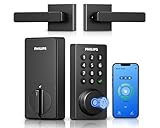
Okay, let’s talk tech. Smart locks are everywhere, and they promise a future where you never have to fumble for keys again. They connect to your phone, allow you to grant temporary access to guests remotely, and often have activity logs so you can see who entered and when. For many, this level of convenience is incredibly appealing, and yes, they can enhance security in certain ways.
The ability to remotely lock your door if you forget is a big plus. I have a friend who’s notoriously forgetful, and her smart lock has saved her from that panicked, ‘Did I lock the door?’ moment more times than I can count. She can just pull out her phone, check the status, and lock it from her office. She also uses it to let her dog walker in without having to be home.
However, there’s a flip side. Smart locks require batteries. If those batteries die, and you haven’t got a backup key option handy (which many don’t), you could be locked out of your own apartment. That’s a nightmare scenario. Then there’s the connectivity. What if your Wi-Fi is down? What if the app glitches? While rare, these issues can render your expensive lock useless. I’ve personally experienced Wi-Fi outages that would have made a fully connected smart lock a paperweight.
Furthermore, smart locks can be expensive. We’re talking hundreds of dollars, and you still need to make sure your landlord is okay with you replacing the existing deadbolt. Some leases explicitly forbid it, or require you to have a professional install and remove it, adding to the cost. The ‘people also ask’ question ‘can landlords ban smart locks?’ often has a ‘yes’ answer for this reason. They have a vested interest in maintaining the property’s original state and making sure compatibility with their security systems.
My take? Smart locks are cool, and for some people, the convenience outweighs the risks. But for sheer, brute-force security and simplicity, a well-installed, solid deadbolt is still king. If you’re in a rental and want to upgrade, a good mechanical deadbolt or a solid slide bolt is often a more practical, less risky choice than going full smart home on your door. It’s about choosing the right ‘apartment security measures’ for your situation, not just the trendiest option.
My Smart Lock Experience (or Lack Thereof)
I’ve been tempted. Oh, I’ve been tempted.
The idea of just tapping my phone and hearing that satisfying ‘thunk’ of the deadbolt engaging is alluring. But every time I get close to buying one, I think about the battery issue.
I’m already juggling phone chargers, laptop chargers, and a million other things. Adding another device that requires constant power and potential troubleshooting feels like more hassle than it’s worth for me. Plus, my current deadbolt is solid as a rock, and I’ve never had a single issue with it. For now, I’m sticking with the tried and true.
It’s one less thing to worry about failing when I need it most. It’s about prioritizing ‘are apartment doors kept locked’ with reliability, not just fancy features.
Practical Tips for a Secure Apartment Door
Let’s boil this down into practical advice. You’re living in an apartment, and you want to feel secure. You know that your apartment door isn’t just a barrier; it’s your first line of defense. So, what are the most practical steps you can take, beyond just the obvious ‘lock your door’ mantra? (See Also: Are The Rams Locked Into The 6th Seed )
First, know your locks. Understand how your existing deadbolt and doorknob lock work. Are they stiff? Do they feel loose? Is the strike plate (the metal piece on the door frame that the bolt goes into) securely attached? If the strike plate is loose, it’s incredibly easy to kick the door in. You can often tighten these screws yourself, or if they’re stripped, replace them with longer, more solid screws that anchor into the wall studs behind the frame. This is a cheap, DIY fix that makes a huge difference. I did this in my last apartment, and it felt so much more solid afterward.
Second, use a door reinforcement bar or a slide bolt. As discussed, these are fantastic additions. The reinforcement bar is great for nights or when you’re home alone. A slide bolt is excellent for providing a secondary lock that’s harder to bypass than a standard deadbolt. Remember to check your lease and be prepared to restore the door to its original condition when you move out. Patching small screw holes is usually straightforward.
Third, don’t make it easy for them. Keep your door area tidy. Don’t leave mail piling up or packages sitting outside for days. These are all signals that you might not be home or attentive. Also, be cautious about who you let in. If someone comes to your door claiming to be from maintenance or a utility company, ask for identification and call the company directly to verify they sent someone. Don’t just take their word for it. This is a vital part of ‘apartment security measures’ that doesn’t involve hardware at all.
Fourth, consider your peephole. Make sure yours is clean and provides a clear view. If you have a wide-angle peephole, that’s even better. It gives you a broader view of the hallway. If you have a door with no peephole, ask your landlord to install one. It’s a small feature, but an important one.
Finally, talk to your landlord about security concerns. If you notice the main building door is often left propped open, or if you have recurring issues with the locks in common areas, don’t hesitate to bring it up. Document your complaints, and if necessary, refer to your lease agreement regarding the landlord’s responsibility for maintaining a secure building. The question ‘are apartment doors kept locked’ extends to common areas too, and management has a role there.
Here’s a quick rundown of what I’ve found most effective:
- Reinforcement Bar: Use it nightly or when you feel uneasy.
- Longer Strike Plate Screws: A simple, cheap upgrade for any door.
- Good Deadbolt Usage: Always engage it, even for short trips.
- Awareness: Don’t let packages pile up; verify service calls.
These are the real-world, hands-on tips that make a difference. It’s not about the fanciest gadgets; it’s about smart habits and practical additions.
Frequently Asked Questions About Apartment Doors
Do Apartment Buildings Always Keep Their Main Doors Locked?
Most apartment buildings aim to keep their main entrance doors locked for security. However, the effectiveness of this depends on the building’s management and the cooperation of residents. While management is responsible for installing and maintaining the locks, they can’t control every individual who passes through. Some buildings have advanced electronic systems, while others rely on simple deadbolts or intercoms.
Is It Safe to Leave My Apartment Door Opened If I’m Just Going to the Hallway for a Minute?
No, it is generally not safe to leave your apartment door opened, even for a minute. Opportunistic thieves can exploit such brief moments of vulnerability. It only takes a few seconds for someone to enter, grab valuables, and leave. Always engage your deadbolt, no matter how short your absence.
Can I Install My Own Deadbolt on an Apartment Door?
You can often install your own deadbolt, but you must check your lease agreement first. Most landlords require you to get permission, and you are responsible for restoring the door to its original condition upon moving out. This typically involves patching and painting any screw holes. It’s a common and effective way to enhance your apartment security.
What Should I Do If My Apartment Building’s Main Door Is Frequently Left Opened or Propped Open?
If your building’s main door is often unsecured, you should report it to your landlord or property management immediately. Document the issue, perhaps by taking photos or noting dates and times. Your lease usually outlines the landlord’s responsibility to maintain a secure environment, and repeated failures should be addressed through formal written communication.
Conclusion
So, to circle back to the core question: are apartment doors kept locked? The building’s main door? Ideally, yes, but it relies on a mix of management and resident diligence. Your own apartment door? That’s entirely on you, and frankly, it should always be locked. I’ve learned the hard way that assuming basic security is in place is a gamble you don’t want to take.
Don’t be the person who thinks it won’t happen to them. Invest a little time and maybe a few bucks in reinforcing your door, or at the very least, get into the ironclad habit of always turning that deadbolt. It’s the most fundamental of ‘apartment security measures,’ and it’s completely within your control.
Next time you’re heading out, even for five minutes, take that extra second. Turn the lock. Your future self will thank you.