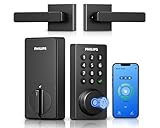
I remember the first time I fumbled for my keys in the pouring rain, soaked and shivering, with a bag of groceries threatening to split open. That was the day I swore I’d never be that person again. So, I jumped on the coded door lock bandwagon. But are coded door locks safe, really? It’s a question that’s been on my mind a lot, especially after a few… interesting experiences. Forget the slick marketing; let’s talk about what actually happens when you swap metal for microchips.
Why I Ditched My Old Deadbolt for a Coded Lock (and the Glitches)
Look, the convenience is undeniable. No more digging through my purse, no more leaving a spare key under the fake rock that everyone knows about. Just punch in a code and you’re in. For a while, it felt like living in the future.
I bought one of the early smart locks, the kind that looked fancy but felt a bit clunky. It worked, mostly. But then came the battery issues. I swear, the battery life estimates were pure fiction.
I’d get a low-battery warning, rush out to buy new ones, and two weeks later, bam, dead again. That’s not just annoying; it’s a real security headache. I’d stand there, muttering curses at the little blinking light, wondering if someone could somehow exploit a low-power state.
One particularly memorable evening, after a long day, my phone died, and the keypad on the lock decided to take a nap. I was locked out of my own house. My neighbor, bless her heart, had to climb through a ridiculously small basement window to let me in.
That was a wake-up call. It made me realize that while the idea of a coded door lock is great, the execution can be… less than stellar. I’ve since upgraded to a few different models, trying to find one that’s reliable. The initial cost was around $150 for that first one, and then probably another $180 spread across replacements and upgrades trying to get it right.
It’s a journey, that’s for sure.
How These Things Actually Work (and Where They Trip Up)
At their core, most coded door locks, whether they’re purely keypad-based or smart-enabled, rely on a simple principle: a unique sequence of numbers grants access. The lock has a keypad or a touchscreen.
You enter your chosen code, and if it matches the one stored in the lock’s memory, a motor engages to retract the deadbolt or bolt. Simple, right?
Well, it gets a bit more complex with smart locks. These often connect to your home Wi-Fi or Bluetooth, allowing you to control them via a smartphone app. This is where the convenience really kicks in – you can grant temporary access to guests, see who’s coming and going, and even lock or open your door from miles away.
The technology uses encryption to secure the communication between your phone and the lock, and between the lock and your home network. Think of it like a secret handshake that only you and the lock know. However, the devil is in the details. (See Also: Are There Different Size Holes For Installing Door Locks )
The strength of the lock’s security hinges on several factors:
- The Code Itself: A weak, easily guessable code is a hacker’s dream.
- The Lock’s Firmware: Like any computer, the software running the lock can have vulnerabilities.
- The Wireless Connection: If it’s a smart lock, the security of your Wi-Fi network is most important.
- Physical Tampering: Even the smartest lock can be brute-forced or physically bypassed if not installed properly or made of cheap materials.
I’ve seen cheaper models where the keypad buttons feel flimsy, almost like they could be pried off or jammed. And the software? Sometimes it’s buggy. I had one lock that would randomly ‘forget’ my code, requiring me to re-enter the master code, which was a pain. The common advice is to always update the firmware, which is good advice, but honestly, who remembers to do that for their door lock? It’s not like updating your phone.
Are Coded Door Locks Safe? The Real-World Security Debate
This is the million-dollar question, isn’t it? Are coded door locks safe enough to actually protect your home?
The short answer is: it depends. If you’re comparing a basic, poorly installed coded lock to a heavy-duty, professionally installed deadbolt, the old-school option might feel more secure.
But that’s not the whole story. Modern coded locks, especially those from reputable brands with good security practices, are generally quite safe. They’ve moved beyond simple numerical sequences that could be guessed.
Many use rolling codes or advanced encryption to prevent signal interception. Think of it like this: a determined burglar with the right tools and a lot of time could probably get into almost any door. The goal of a good lock, coded or otherwise, is to make it difficult and time-consuming enough that they move on to an easier target. I’ve read plenty of articles and seen plenty of forum discussions where people worry about Wi-Fi hacking.
And yes, if your home Wi-Fi is wide open, a sophisticated attacker could potentially try to interfere with a smart lock. But for most of us, the biggest threat isn’t some shadowy hacker; it’s forgetting your code, a dead battery, or a poorly chosen PIN. I’ve personally experienced the frustration of a dead battery more times than I care to admit, and that’s a tangible risk.
The industry is moving towards better security, with many manufacturers now offering features like two-factor authentication for app access and more solid encryption protocols. For instance, one brand I looked at, Schlage, has been around forever and their smart locks generally have a good reputation for reliability and security. They aren’t perfect, but they’re a far cry from the sketchy electronic locks you might have seen years ago. The key is choosing a well-known brand and installing it correctly. A flimsy installation can undermine even the most secure lock.
Common Pitfalls and How to Avoid Them
So, you’ve decided to go for it. You’re buying a coded door lock.
Great. Now, how do you avoid making the same boneheaded mistakes I did? First off, don’t skimp on the brand. I learned this the hard way. That super cheap, no-name lock I bought online? (See Also: Are Sesame Seeds Kosher For Passoveris Pollock Kosher )
It was a disaster waiting to happen. Stick with brands that have a solid track record for both hardware and software. I’ve found that brands like Yale, August, and Kwikset generally offer a better balance of features, security, and reliability.
Second, the code itself is your first line of defense. Don’t use ‘1234’, your birthday, or your house number. Make it random, at least 6 digits long, and ideally, don’t share it with anyone who doesn’t absolutely need it. Some locks allow you to set temporary codes for visitors, which is a fantastic feature.
Use it! Third, battery management is key. Don’t ignore those low-battery warnings. Keep a fresh set of good-quality batteries on hand. If you have a smart lock, periodically check the app for battery status.
I’ve found that rechargeable lithium-ion batteries tend to last longer than standard alkaline ones in my experience, though they cost more upfront. Finally, installation matters. Make sure the lock is properly aligned with your door and frame.
A misaligned lock can put stress on the mechanism, leading to premature wear and potential failure. If you’re not comfortable with DIY, pay a locksmith to install it.
It’s cheaper than dealing with a lockout or a compromised door.
My Experience: A Table of Coded Lock Features and My Verdict
After trying a few different models, I’ve put together a little rundown of what I’ve learned. It’s not exhaustive, but it covers the key things I look for now. This is based on my personal use over the last five years, so take it with a grain of salt, but it’s honest.
| Feature | What It Does | My Experience / Verdict |
|---|---|---|
| Keypad Entry | Standard numeric input for access. | Key. Works reliably if the keypad is good quality. Avoid cheap, sticky buttons. |
| Smartphone App Control | Remote locking/opening, status checks. | Lifesaver for granting access remotely. Must have good Wi-Fi. I’ve had issues with app connectivity, but it’s usually resolved with a router reset. |
| Temporary/Guest Codes | Codes that expire after a set time or number of uses. | Absolutely invaluable for dog walkers, cleaners, or family. My top feature. |
| Auto-Lock | Locks the door automatically after a set period. | Great for peace of mind, but make sure you’re not accidentally locking yourself out if you’re stepping out briefly. Sometimes a bit too eager. |
| Battery Backup | A way to power the lock if the main batteries die (e.g., 9V terminal). | Important. I wouldn’t buy a lock without this. Saved me more than once. One time, the 9V battery was dead too because I forgot about it! |
| Build Quality/Materials | The physical construction of the lock. | Huge difference. Metal feels more secure than plastic. Look for solid, weighty components. Cheap plastic cracks. |
| Weather Resistance | Ability to withstand rain, snow, and temperature changes. | Important if your door is exposed. Early models failed quickly in the elements. Look for IP ratings. |
People Also Ask (faq)
Can a Coded Door Lock Be Hacked?
Yes, in theory, any electronic device can be hacked, but the risk for most coded door locks is relatively low, especially for reputable brands. Hackers would need to be physically near the lock to intercept signals, or exploit significant vulnerabilities in the lock’s firmware or your home’s Wi-Fi network. Simple keypad locks are more susceptible to brute-force attacks if the code is weak, but smart locks with encryption are much harder to compromise remotely. Focusing on a strong code and secure home Wi-Fi is your best bet.
Do Coded Door Locks Need Wi-Fi?
Not all coded door locks require Wi-Fi. Basic keypad locks operate entirely offline, relying only on the code you enter. Smart locks that offer app control and remote access typically do need Wi-Fi to connect to your home network, which then allows them to communicate with the internet and your smartphone app. Some smart locks can also function using Bluetooth, meaning you only need your phone nearby, not a Wi-Fi connection.
How Often Do You Need to Change the Batteries in a Coded Door Lock?
Battery life varies greatly depending on the lock model, frequency of use, and battery quality. Many smart locks will give you a low-battery warning when they have about 10-20% life remaining, which can be weeks or even months. For basic keypad locks, batteries might last a year or more. It’s a good habit to keep a spare set of high-quality batteries on hand and to replace them proactively when you get a warning, rather than waiting for the lock to die. (See Also: Are Sliding Door Locks Common )
What Is the Best Type of Coded Door Lock?
The ‘best’ type depends on your needs and priorities. For simplicity and reliability without needing remote access, a solid mechanical keypad lock from a trusted brand is excellent. If you want the convenience of app control, temporary codes, and remote access, a smart lock from a reputable manufacturer like Yale, August, or Kwikset is a good choice. Always prioritize build quality, secure encryption (for smart locks), and a reliable battery backup system.
Can I Use a Coded Door Lock with a Deadbolt?
Yes, many coded door locks are designed to replace your existing deadbolt entirely. They often come as a complete unit that includes the keypad or touchscreen on the outside and the deadbolt mechanism on the inside. Some smart lock systems are designed as add-ons that fit over your existing deadbolt, though these can sometimes be less aesthetically pleasing or as secure as a full replacement.
What Happens When Technology Fails?
It’s easy to get caught up in the shiny features of smart locks and forget that at their heart, they are still electronic devices. And electronics fail. Batteries die, software glitches, Wi-Fi drops out.
I’ve been there. That’s why my contrarian opinion on the widespread adoption of smart locks is this: everyone focuses on the hacking threat, but the bigger, more immediate problem is reliability. A hacker is a very rare threat for the average homeowner.
A dead battery or a software crash that leaves you stranded outside? That’s a much more common, and frankly, more frustrating, problem. My first coded lock, which cost a decent chunk of change, eventually became unusable because the internal mechanism just seized up.
No amount of code entering would fix it. It was a brick.
This experience hammered home the importance of having a physical key backup, even with a smart lock, and understanding that these devices aren’t infallible. Some newer models offer a hidden keyhole as a backup, which I think is a must now. It’s a small concession to the old-school reliability that I’ve come to appreciate, even as I enjoy the convenience of my coded entry.
A Note on Authorities and Standards
While there isn’t one single overarching ‘authority’ for coded door locks in the way there is for, say, food safety, you can look to organizations that set standards for physical security hardware. The Builders Hardware Manufacturers Association (BHMA) provides ANSI/BHMA A156 series standards for locks and hardware, which often cover aspects like security, durability, and finish. Reputable manufacturers will often state that their products meet or exceed these standards. For smart locks, cybersecurity best practices and encryption standards are also relevant, though these are more fluid and governed by the tech industry at large.
Final Thoughts
So, are coded door locks safe? My honest answer is a qualified yes. They offer convenience and modern security features that, when implemented correctly with reputable products and good practices, can be very effective. However, the biggest risks aren’t always the ones hyped in the media. Battery life, software reliability, and proper installation are just as, if not more, important for day-to-day security and peace of mind.
Don’t let the fancy app control distract you from the fundamental requirements: a strong code, a well-built lock, and a reliable power source. Always consider a model with a physical key backup. It’s the safety net for those inevitable moments when technology decides to take a break.
Before you buy, do your homework. Read reviews that focus on long-term reliability, not just the initial setup. And if you’re still on the fence, maybe start with a solid keypad lock before diving into the full smart home integration. It’s a good way to test the waters without the added complexity of Wi-Fi and app connectivity.