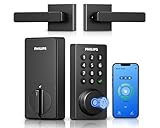
I remember the first time I saw one of those push-button combo locks on a door. It felt like pure sci-fi, a glimpse into a future where keys were relics of the past. I thought, “This is it. The ultimate security.” Fast forward a few years, and I’ve wrestled with enough of them to know that the reality is a lot messier than the marketing suggests. So, are combo door locks safe? The answer isn’t a simple yes or no, and frankly, most people asking that question are probably missing a few key details.
I’ve spent more money than I care to admit on various types of locks, from fancy electronic deadbolts to simple, clunky mechanical ones. Some were brilliant, others were glorified paperweights. This isn’t about theoretical security; it’s about what actually holds up when you need it to, day in and day out. Let’s cut through the noise.
How Do Combo Door Locks Actually Work?
Look, at their core, most combo door locks boil down to a few basic mechanisms, whether they’re the old-school mechanical push-button kind or their fancier electronic cousins. The classic mechanical locks are pretty ingenious in their simplicity. You’ve got a series of buttons, each connected to a pin or lever inside the lock body.
When you press the correct sequence of buttons, these internal components align in such a way that they retract a bolt or latch, allowing the door to open. Think of it like a tiny, internal combination tumbler, but instead of turning a dial, you’re pushing buttons. The complexity comes in how many buttons there are and how many different combinations are possible.
A lock with 10 buttons and a 4-digit code has way more possible combinations than a lock with 4 buttons and a 2-digit code. The more buttons and the longer the code, the harder it is for someone to guess or brute-force it.
Now, the electronic ones. These are a bit more sophisticated, but the principle is the same: a specific input sequence needs to be entered to disengage the locking mechanism. Instead of physical pins and levers, you’re dealing with microprocessors, keypads (often touch-sensitive), and solenoids or motors that physically move the bolt. You punch in your code on the keypad, the internal computer checks if it matches the stored code, and if it does, it sends a signal to release the lock.
This opens up a whole new world of features – you can often change codes easily, set temporary codes for guests, get notifications on your phone, and sometimes even connect them to smart home systems. Some high-end models even have features like fingerprint scanners or app-based entry, but the fundamental idea of needing a secret code remains.
The real difference in security here often comes down to the quality of the electronics, the robustness of the physical bolt and strike plate, and how well the keypad is protected against physical manipulation.
I’ve had both. My first mechanical combo lock, the one that looked like it belonged on a bank vault, was a nightmare. It had so many buttons that finding the right ones in the dark was an Olympic sport, and after about three years, a couple of the buttons started sticking. It wasn’t just annoying; it felt less secure because I’d find myself jiggling it to get it to latch properly.
The electronic ones are slicker, sure, but I once watched a kid with a bent paperclip bypass a supposedly secure electronic lock in under 30 seconds – it was a cheap, no-name brand, but it still made me rethink everything. The key takeaway is that the mechanism itself is just one piece of the puzzle. The materials, the installation, and the overall build quality matter just as much, if not more.
What Should You Actually Look for?
When you’re actually in the market for a combo door lock, especially if you’re asking ‘are combo door locks safe,’ you need to stop thinking about slick marketing and start looking at the nuts and bolts – literally. First off, the material matters. Are we talking solid brass, stainless steel, or cheap zinc alloy? For any exterior door, you want something that can withstand the elements and a bit of a beating.
Rust is a deal-breaker, and so is anything that looks like it could bend or snap with a firm shove. Look for locks that are built with heavier, more durable metals. I once bought a supposedly “heavy-duty” mechanical lock for my shed, and after one particularly wet winter, the buttons were so stiff I had to use a hammer to get them to engage.
Never again.
The number of possible combinations is your next big indicator. For mechanical locks, this means the number of buttons and the length of the code. If it has only a handful of buttons and the code is just a few digits, it’s going to be easier to guess or “scanned” with some basic tools. Aim for locks with a decent number of buttons (10-12 is a good starting point) and a code length of at least 4, preferably 5 or 6 digits. (See Also: Are There Different Size Holes For Installing Door Locks )
For electronic locks, it’s less about the physical buttons and more about the underlying software and hardware. Can the code be easily changed? Does it have any lockout features if someone tries too many incorrect codes? Does it use industry-standard encryption if it’s a smart lock?
These are the questions to ask. I’ve seen some really cheap electronic locks where you can literally see the wiring if you look closely, and that’s a huge red flag.
Here’s a quick rundown of what I prioritize, based on years of trial and error. This isn’t exhaustive, but it’s where I’d start:
| Feature | Why It Matters | My Verdict |
|---|---|---|
| Material Quality (e.g., Stainless Steel) | Durability against weather, rust, and physical force. | Key for exterior use. Avoid flimsy alloys. |
| Number of Buttons / Code Length (Mechanical) | Increases the number of possible combinations, making guessing harder. | 10+ buttons and 5+ digits is a good baseline for security. |
| Keypad Robustness (Electronic) | Resists wear and tear, and potential tampering. | Look for solid, responsive buttons or a well-built touchscreen. |
| Bolt and Latch Mechanism | The actual part that secures the door needs to be strong and well-made. | Solid metal, good engagement with the strike plate. |
| Brand Reputation/Reviews | Real-world feedback on reliability and security. | Don’t shy away from established brands, but read independent reviews carefully. |
Don’t get caught up in fancy bells and whistles if the core security is weak. A lock that looks like it’s from a spaceship but is made of plastic and has a four-digit code is probably less safe than a solid metal mechanical lock with a longer combination. Always think about the weakest link. The keypad is one, but the actual bolt mechanism and how it interacts with the door frame are equally, if not more, important.
Common Mistakes People Make with Combo Locks
One of the biggest blunders I see people make is thinking that just because a lock has a combo, it’s automatically impenetrable. This is fundamentally flawed.
I’ve seen plenty of mechanical combo locks where the buttons are so worn down or the spacing so tight that you can tell which buttons are used most often just by looking at them. That’s a goldmine for someone trying to crack your code. If the buttons feel mushy, or if you can see distinct wear patterns, it’s a sign that the internal mechanism is probably getting sloppy.
I learned this the hard way with a lock on my garage door. It looked solid, but after a couple of years, the most-used buttons were visibly smoother than the others. I swear, a determined teenager could have figured it out in an afternoon.
Another colossal mistake is improper installation. You can have the most secure lock in the world, but if it’s not installed correctly, it’s practically useless. This means making sure the bolt extends fully into the strike plate on the door frame, and that the strike plate itself is screwed into the solid wood or metal of the frame, not just the trim.
I’ve seen doors with combo locks that would pop open if you just gave them a solid kick. The lock mechanism might be fine, but the door and frame are the weak points. I had a friend who installed a new electronic lock himself, and he didn’t make sure the deadbolt fully engaged with the strike plate.
A neighbor’s cat could have pushed the door open. It took a minor break-in attempt for him to realize his mistake and properly reinforce the frame.
Then there’s the over-reliance on features. For electronic locks, people often get dazzled by Wi-Fi connectivity, app control, and voice commands. While these are convenient, they can also introduce vulnerabilities. A poorly secured smart lock can be hacked remotely.
The convenience factor can sometimes blind people to the underlying security risks. I’ve also heard of people using incredibly simple codes, like ‘1234’ or their birth year, on even high-end electronic locks. The security isn’t just in the lock; it’s in how you use it. My contrarian take?
While fancy features are nice, for pure, unadulterated security on a budget, a well-built, mechanical lock with a solid build and a long, random code is often more trustworthy than a cheap smart lock with a million features but questionable build quality. The complexity of electronics can introduce more failure points and hacking vectors if not done right. (See Also: Are Sesame Seeds Kosher For Passoveris Pollock Kosher )
Finally, forgetting to change default codes is a classic oversight. Many electronic locks come with a factory-set code. If you don’t change it immediately, anyone who knows the default code for that model (which is often easily found online) has a free pass. It sounds so obvious, but you’d be amazed how many people skip this step. I once helped a neighbor whose new smart lock wasn’t working right, and it turned out they’d never changed the default PIN. We were lucky it was just a minor inconvenience and not a security breach.
Real-World Use: When Do They Shine (and When Do They Suck)?
Let’s talk about where combo door locks actually earn their keep. For secondary doors, like those on a shed, a garage side door, or even a locker, they can be incredibly convenient. I’ve got a mechanical combo lock on my garden shed that’s been chugging along for years.
I don’t need to worry about losing a key when I’m digging in the dirt, and I can easily let my neighbor borrow a tool without fumbling for a spare. The security needs there aren’t Fort Knox level; it’s more about deterring casual opportunists. For that, a solid, well-maintained mechanical combo lock is often perfectly adequate. The convenience factor is huge when your hands are full, or you just don’t want to jiggle a key in a dusty lock.
On interior doors, like to a home office or a basement, they can offer a good balance of security and convenience. If you have kids and want to keep them out of a certain room, or if you’re a remote worker and need a bit of privacy, a combo lock can be a great solution. You don’t have to worry about carrying keys around the house, and changing the code is usually a straightforward process. I put one on my home office door about five years ago, and it’s been a lifesaver.
I can lock myself in when I need to concentrate, and my wife can get in with the code if she needs me. No more frantic key searching when I’m on a call.
Where they can really suck, though, is on your primary entry doors if you’re not careful. The ‘are combo door locks safe’ question really gets hammered home here. While high-end electronic smart locks can offer solid security, many of the cheaper mechanical or basic electronic models are simply not up to the task of securing your entire home against a determined intruder.
The mechanical ones can be vulnerable to picking or bypassing with simple tools if they aren’t exceptionally well-made. I’ve seen older mechanical models that, with a bit of force and a shim, could be jimmied open.
Electronic locks, especially those with less sophisticated firmware or exposed wiring, can be susceptible to electronic attacks or simple physical manipulation. I once stayed at a rental property with a push-button lock that felt flimsy. I wouldn’t have trusted it to keep a squirrel out, let alone a human.
The biggest issue is that the perceived security can give a false sense of safety. People might think they’re locked down tight, when in reality, their lock is a weak point.
It’s like putting a high-security alarm on a door with a cardboard frame. The lock is only as strong as the weakest part of the entire entry system, and that includes the door, the frame, and the installation. For a main entry door, you really need to invest in a reputable brand, make sure it’s installed correctly into a solid frame, and understand its specific security features and limitations.
If you’re looking for top-tier security for your main door, you might be better off with a high-quality mechanical deadbolt or a well-vetted smart lock from a trusted manufacturer that has undergone independent security testing.
A Few Practical Tips for Using Them
So, you’ve decided to go with a combo lock, whether it’s mechanical or electronic. Great. Now, how do you actually make sure it’s as safe as it can be? First and foremost, never use obvious codes.
This sounds so basic, but you’d be amazed how many people think ‘12345’ is a secure code. Think random. Think a sequence of numbers that has no personal meaning to you. If it’s a mechanical lock, try to mix up the buttons you use. (See Also: Are Sliding Door Locks Common )
Don’t always press them in the same order or pattern. For electronic locks, aim for the longest code your lock allows, and if you can set it to lock down after a certain number of failed attempts, do it. I know it’s a pain to remember a truly random sequence, but it’s far better than leaving your front door wide open to guessing. I personally use a mnemonic device for my longer codes, turning numbers into letters or words that make sense only to me.
It’s a bit of mental gymnastics, but it works.
Secondly, maintain your lock. For mechanical combo locks, especially if they’re exposed to the elements, give them a spray with a lubricant (like graphite or a silicone-based spray, NOT WD-40 which can attract dirt) every six months or so. This keeps the internal mechanisms moving smoothly and prevents them from seizing up or becoming sticky.
A sticky button is a security risk. For electronic locks, keep the keypad clean, and if it’s a battery-powered model, replace the batteries regularly before they die. Getting locked out because of a dead battery is incredibly frustrating, and in some cases, can leave your door vulnerable if the battery dies mid-lock engagement.
I had a smart lock that started giving me low battery warnings, and I put off changing them for a week. Sure enough, one cold morning, the door wouldn’t lock. Luckily, I was home, but it was a stark reminder.
Third, and this is important: check your installation regularly. Periodically, give your door a good push and pull. Does the bolt engage fully? Is the strike plate still firmly attached to the door frame? If you’ve got a mechanical lock, make sure the pins are retracting fully when you enter the code. If you’ve got an electronic lock, listen for the satisfying ‘clunk’ of the bolt engaging. If anything feels loose, wobbly, or doesn’t operate smoothly, it’s time to investigate. Sometimes a loose screw on the strike plate can be the difference between secure and vulnerable. I make it a habit to check mine every few months, especially after a harsh season or if I notice any strange noises.
Finally, understand the limitations of your specific lock. Read the manual, look up independent reviews, and be realistic. A $50 mechanical lock is probably not going to offer the same level of security as a $300 smart lock from a top-tier manufacturer. Don’t expect a basic lock to perform like a heavy-duty one. If you’re concerned about high-level security, especially for your main entry points, research locks that have undergone independent security testing. Some manufacturers will even list these certifications on their product pages. This is where knowing your needs versus the lock’s capabilities becomes really important. For most everyday use, a good quality combo lock can absolutely be safe enough, but it requires informed choices and proper upkeep.
The Faq: Your Burning Questions Answered
Can Electronic Combo Door Locks Be Hacked?
Yes, electronic combo door locks can be hacked, though the risk varies significantly depending on the quality and features of the lock. Cheaper models with less sophisticated firmware or weak encryption are more vulnerable to remote hacking or electronic bypass methods. Well-designed smart locks from reputable brands typically employ solid encryption and security protocols to mitigate these risks. However, physical access to the keypad or wiring can sometimes offer a way in, and even smart locks can be vulnerable if the network they’re connected to is compromised. Always keep your lock’s firmware updated and use strong, unique Wi-Fi passwords.
Are Mechanical Combo Door Locks More Secure Than Electronic Ones?
It’s not a simple yes or no answer, as both have pros and cons. High-quality mechanical combo locks can be very secure because they don’t rely on electronics, making them immune to hacking. However, they can be vulnerable to picking, bumping, or being physically forced if not well-made. High-end electronic locks, especially those with strong encryption and solid build quality, can offer excellent security and added features like remote access and audit trails. Cheaper electronic locks are often less secure than decent mechanical ones. The security depends heavily on the specific model, build quality, and installation of both types.
How Do I Choose a Good Code for My Combo Lock?
The best codes are random and have no personal significance. Avoid using easily guessable sequences like ‘1234’, ‘0000’, your birthdate, anniversary, or house number. For mechanical locks, use all the buttons available if possible and aim for a longer code. For electronic locks, use the longest code permitted by the device, and if your lock has a lockout feature after multiple incorrect attempts, make sure it’s enabled. Consider creating a random sequence and using a mnemonic device to remember it, turning numbers into words or phrases that only you will understand. The goal is to make it impossible for anyone to guess or deduce your code.
What Are the Biggest Vulnerabilities of Combo Door Locks?
The biggest vulnerabilities include weak physical construction (easy to pry open or break), easily guessable codes, insufficient number of possible combinations (for mechanical locks), vulnerabilities in electronic firmware allowing for hacking, improper installation leading to weak points in the door frame, and lack of regular maintenance. For electronic locks, weak Wi-Fi security or outdated firmware can also create entry points for attackers. The human element, like using weak codes or failing to update software, is also a significant vulnerability.
Can I Use a Combo Door Lock on My Front Door?
Yes, you can use a combo door lock on your front door, but you must choose a high-quality, reputable model designed for exterior use and make sure it’s installed correctly into a solid door and frame. For main entry doors, prioritize locks with strong build materials, a high number of combinations (for mechanical) or advanced security features (for electronic), and a solid bolt mechanism. Avoid cheap or flimsy models. It’s also wise to research independent security reviews for any lock you’re considering for your primary entrance.
Conclusion
So, are combo door locks safe? The short answer is: it depends. They can be, but they aren’t automatically. A cheap, poorly installed mechanical lock or a basic electronic one with a predictable code is probably less secure than a good old-fashioned deadbolt, if we’re talking about your main entry. But a well-built, properly maintained combo lock, whether mechanical or electronic, used with a strong, random code, and installed correctly into a solid frame, can offer a really decent level of security and a boatload of convenience.
My advice? Stop thinking about whether they look high-tech and start thinking about what actually keeps a door shut. If you’re looking at a combo lock for your main house door, spend the money on a reputable brand. If it’s for a shed or a locker, a solid mechanical one will likely do the trick without breaking the bank. Just remember that the lock is only one piece of the puzzle. The door, the frame, and how it’s all put together matter just as much, if not more.
Before you buy, do your homework. Read reviews, check the materials, and think about how you’ll use it. And for goodness sake, pick a code that isn’t your birthday. Your future self, sleeping soundly, will thank you.