I remember the first time I tried to replace a broken deadbolt on my own. Figured, how hard could it be? They all look the same, right? Wrong. So, so wrong. I ended up with a new lock that looked perfectly fine, but wouldn’t quite line up with the old strike plate, and the bolt felt gritty every time I turned it. It was a minor annoyance, but it made me question: are door locks universal? The simple answer is no, and understanding why is key to saving yourself a headache and some cash.
It’s easy to assume that because doors and the holes in them seem pretty standard, the locks that go in them would be too. But a closer look reveals a world of subtle differences that matter a whole lot when you’re trying to get something to fit and function properly.
The Illusion of Sameness: What Actually Makes Locks Different?
Let’s cut to the chase: are door locks universal? Absolutely not.
Anyone who tells you they are has probably never actually tried to install one themselves or is trying to sell you something. The biggest culprits behind this confusion are what we call the ‘backset’ and the ‘door bore diameter’. The backset is the distance from the edge of the door to the center of the large hole (the bore) where the lock mechanism goes.
The most common backset for residential doors is 2 3/8 inches, but 2 3/4 inches is also super common, especially on older homes or different types of doors. If you get a lock with the wrong backset, it simply won’t reach the edge of the door properly, or it will stick out awkwardly.
Then there’s the bore diameter. Standard doors usually have a 1 1/2 inch bore for the main lock cylinder and a smaller 1-inch bore (sometimes called the ‘latch bore’) for the bolt itself. BUT, some doors, particularly older ones or those made with different materials, might have different sized holes. Trying to force a lock into a hole that’s too small is a recipe for splintered wood and frustration. Trying to fit a lock with a larger hole into a smaller bore requires drilling, which, let’s be honest, most DIYers aren’t keen on doing, and it’s easy to mess up.
Beyond these measurements, you’ve got the thickness of your door. Most locks are designed for standard doors, typically 1 3/8 to 1 3/4 inches thick. If you have a really thick, solid wood door, or one of those super-thin hollow-core closet doors, you’ll need to find a lock specifically designed for that thickness. The screws that come with a standard lock won’t be long enough, or they’ll be too long and poke through the other side. It’s these seemingly minor details that prevent a truly universal fit.
Beyond the Basics: Keyways, Bolt Types, and Other Shenanigans
Okay, so we’ve covered the physical holes and door thickness. But the plot thickens when you look at the actual mechanisms inside the lock. The ‘keyway’ – that’s the slot where you put your key – isn’t always the same. While Kwikset and Schlage are two of the most common brands, their keyways are different. You can’t just swap a Kwikset key into a Schlage lock, obviously. But even within brands, there are variations. For example, if you’re trying to rekey a lock (change the pins so a new key works), you need to make sure you’re getting the right kind of pins and that the lock cylinder itself is compatible with rekeying kits.
Then there are the bolt types. Most common is the spring-latch bolt, which retracts when you turn the knob or lever. But you also have deadbolts, which have a solid metal bolt that extends into the door frame. Even within deadbolts, there are variations in the length of the bolt throw (how far it extends) and the shape of the bolt itself. Some are round, some are rectangular. The strike plate – that metal piece screwed into your door frame – has to perfectly match the bolt shape and size for the lock to work smoothly and securely. If your old strike plate is a different shape, you’ll have a gap, or the bolt won’t engage properly. (See Also: Are Sesame Seeds Kosher For Passoveris Pollock Kosher )
I once bought a ‘universal’ smart lock that promised to fit any door. It looked sleek, had all the app features I wanted, but the deadbolt mechanism was a different size than my existing one. The instructions said to use the included shim to fill the gap. It looked shoddy and felt flimsy. I ended up having to chisel out the door frame to accommodate the new strike plate. It was a two-hour job that should have taken twenty minutes. That’s the kind of ‘universal’ that makes you want to throw things.
The Smart Lock Conundrum: More Choices, More Problems?
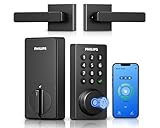
Smart locks are where the ‘are door locks universal’ question gets even more complicated. While many smart locks are designed to replace standard deadbolts, they often have their own unique dimensions and installation requirements. Some are designed to fit over your existing deadbolt mechanism, which sounds convenient but can sometimes compromise the aesthetic or feel of the lock. Others require you to remove your entire existing deadbolt and install their proprietary mechanism.
The biggest issue I’ve seen with smart locks is the compatibility with different door preparations. Even if a smart lock says it fits a standard bore diameter, the internal components might require a specific amount of clearance behind the door that your existing setup doesn’t have. Also, the exterior components can be bulkier than a traditional lock, and if you have a storm door or a door with decorative molding right next to the lock, the smart lock might not fit physically. I had a friend who bought a fancy smart lock, only to realize the exterior keypad housing stuck out too far and made it impossible to close his storm door. He had to return it and find a slimmer model.
Another factor is the battery compartment. Some smart locks have batteries that are accessed from the inside, which is great. Others have them on the exterior, which can be less secure and more exposed to the elements. This design choice, while not directly related to universal fit, is part of the overall package and something you need to consider when shopping. For those thinking about integrated systems, compatibility with Wi-Fi, Bluetooth, Z-Wave, or Zigbee protocols is another layer of complexity. While not about physical fit, it’s about whether the ‘smart’ part of the lock will actually talk to your home system, which is a kind of universal compatibility in itself.
What to Look for: Your Cheat Sheet to Actual Fit
So, how do you avoid the ‘universal’ trap? You need to measure. Get a tape measure and a notepad. First, measure your door bore diameter. You can usually tell this by looking at the holes on the face of the door. The main hole is for the lock cylinder, and the smaller one is for the bolt. Then, measure the backset. With the door open, measure from the edge of the door to the center of the larger bore hole. Most residential locks have either a 2 3/8″ or 2 3/4″ backset. Many locks come with adjustable or reversible latches that can accommodate both, which is a big plus.
Next, measure your door thickness. Again, most locks are designed for standard doors (1 3/8″ to 1 3/4″), but it’s good to confirm. If your door is significantly thicker or thinner, you’ll need to look for specialized locks. Don’t forget to check the shape and size of your existing strike plate. While you can buy new strike plates, having a rough idea of what you’re replacing helps. If you’re buying a direct replacement for a specific brand and model, it’s usually a safe bet, but always check the specifications.
Here’s a table that breaks down some key measurements. Don’t just glance at it; use it as a checklist before you buy.
| Measurement | What It Is | Common Sizes | What to Check For | My Verdict |
|---|---|---|---|---|
| Bore Diameter | The hole for the lock mechanism. | 1 1/2″ (main), 1″ (latch) | Make sure the lock’s mechanism fits these holes. | Important. Get this wrong and it won’t mount. |
| Backset | Distance from door edge to center of bore. | 2 3/8″, 2 3/4″ | Many locks are adjustable; check if yours needs a specific size. | Very important. Affects how the lock aligns. |
| Door Thickness | How thick your door is. | 1 3/8″ – 1 3/4″ | Standard locks fit this range. Over or under needs special hardware. | Key for screw length and proper seating. |
| Bolt/Latch Type | The part that extends into the frame. | Spring latch, deadbolt (various throws) | Make sure compatibility with your strike plate. | Needs to match the strike plate in your frame. |
When in doubt, I always recommend buying a lock that explicitly states it fits your specific door measurements or one that comes with adjustable components for both backset and latch type. Reading the product description carefully is a must. (See Also: Are Sliding Door Locks Common )
Common Mistakes and How to Avoid Them
The biggest mistake people make, myself included initially, is assuming ‘universal’ means ‘fits everything.’ It’s a marketing term that often translates to ‘fits the most common configurations.’ So, the first mistake is not measuring. You just eyeball it, grab something that looks right, and hope for the best. That’s how you end up with that wobbly lock or the one that doesn’t quite close properly.
Another common blunder is not considering the door’s hand – that is, whether the door swings in or out, and from which side you’re looking. While most modern locks are reversible, some older or specialized ones aren’t. You might end up with a lock that has the deadbolt on the wrong side of the door when it’s locked, or the knob/lever is oriented awkwardly. This is particularly relevant if you’re replacing a lock on a door that has a very specific setup, like a closet door or a door within a door.
People also tend to overlook the strike plate. They might get a new lock, but the old strike plate is a different shape or size. Trying to force the new bolt into an old, incompatible strike plate hole will cause the lock to bind, feel stiff, or not engage fully. It’s a small piece of metal, but it’s vital.
Always check if your new lock comes with a matching strike plate, and be prepared to install it if needed. I once had a new deadbolt that was incredibly stiff because the rounded end of the bolt didn’t line up with the rectangular hole of the old strike plate.
A quick swap of the strike plate, and it was smooth as butter. It seems obvious in hindsight, but when you’re in the thick of it, you just want the lock to work.
Finally, and this is a contrarian one: don’t always go for the cheapest option you find labeled ‘universal.’ Sometimes, the absolute cheapest locks are made with lower-quality materials that will wear out faster or feel less secure. While you don’t need to buy the most expensive lock on the market, investing a bit more in a reputable brand with clear specifications for fit can save you money and frustration in the long run. A lock that actually fits and functions correctly is worth its weight in gold.
Faq: Your Door Lock Questions Answered
What Are the Standard Door Lock Measurements?
The most common standard measurements for residential door locks involve the backset (distance from the door edge to the center of the bore), which is typically 2 3/8 inches or 2 3/4 inches, and the bore diameter (the hole drilled into the door), usually 1 1/2 inches for the lock cylinder and 1 inch for the latch bore. Door thickness also matters, with most locks designed for doors between 1 3/8 inches and 1 3/4 inches thick.
Can I Replace My Deadbolt with a Smart Lock?
Yes, many smart locks are designed to replace standard deadbolts. However, it’s important to check the dimensions of the smart lock against your door’s bore diameter, backset, and door thickness to make sure a proper fit. Some smart locks are designed to fit over existing deadbolts, while others require complete replacement of the mechanism. (See Also: Are The Rams Locked Into The 6th Seed )
How Do I Know If a Lock Will Fit My Door?
You need to measure. Check the bore diameter, the backset, and the thickness of your door. Most lock manufacturers provide detailed specifications for their products, so compare your measurements to those specifications. Look for locks that explicitly state compatibility with your measurements or offer adjustable components.
What Is a Backset in Door Locks?
The backset of a door lock is the distance from the edge of the door to the center of the large hole (the bore) where the lock’s latch or bolt mechanism is installed. The two most common backsets for residential doors are 2 3/8 inches and 2 3/4 inches. Many modern locks feature adjustable latches that can accommodate either measurement.
Real-World Use: Practical Tips for Buying and Installing
When you’re actually in the store or browsing online, don’t be shy about picking up the box, turning it over, and reading everything. Most manufacturers are pretty good about listing the dimensions. If you’re buying online, the product description will have a ‘Specifications’ or ‘Dimensions’ section. Look for those numbers: backset, bore diameter, and door thickness. If they aren’t there, send an email to the seller or manufacturer, or better yet, find a product that does list them clearly.
My personal go-to is to look for locks that have an adjustable latch or bolt. This covers the most common backset sizes (2 3/8″ and 2 3/4″) right out of the box. It saves you the hassle of trying to figure out if you have one or the other and needing a special part. For example, a Schlage or Kwikset deadbolt with an adjustable latch is usually a pretty safe bet for most standard doors. I recently replaced an old, sticky deadbolt with a new Kwikset model that had this feature, and it swapped out in about 15 minutes, including removing the old one. That’s the kind of efficiency I like.
If you’re dealing with a non-standard door – say, a very old house with thicker doors or a modern door with a unique profile – you might need to go with a more specialized lock or a brand known for custom solutions. Brands like Baldwin or Emtek sometimes offer more options for thicker doors or unique finishes. However, for 90% of us, sticking to the standard measurements and adjustable features will get you a lock that works. And remember, even with a perfectly fitting lock, a solid strike plate installation is key. Make sure the screws are long enough to go into the door frame studs, not just the trim. That’s where the real security comes from.
Final Verdict
So, to answer the question that started this whole thing: are door locks universal? Nope. Not even close. The idea that one lock fits all doors is a myth that leads to a lot of unnecessary frustration. You’ve got to measure your door, check your backset, bore diameter, and thickness.
It might seem like a pain, but taking a few minutes to get those numbers before you buy will save you hours of trying to force something that won’t fit, or worse, ending up with a lock that doesn’t feel secure. Look for adjustable latches, read the specs, and don’t be afraid to ask questions.
My final word? Next time you need a lock, grab that tape measure. It’s your best friend in this whole ‘universal’ lock adventure.