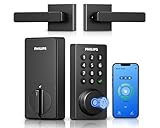
I remember staring at my front door, a cheap, builder-grade deadbolt mocking me. I’d just seen one too many news segments about home break-ins, and suddenly, that flimsy piece of metal felt like tissue paper. That’s when the whole “smart lock” craze hit, and I dove in headfirst, convinced a digital keypad was the answer to all my security worries. Spoiler alert: it wasn’t. So, when people ask me, ‘are defiant door locks any good?’, I tend to give them a long, drawn-out sigh. I’ve been down this road, and I’m here to tell you what I’ve learned, the hard way.
It’s easy to get swept up in the marketing hype. Fancy apps, keyless entry, all that jazz. But underneath the sleek finishes and promises of Fort Knox security, there’s a whole lot of nuance. We’re talking about your home, after all. It’s not a place to experiment with unproven tech or to cut corners on. Let’s break down what you really need to know before you decide if Defiant is the right choice for you.
What Exactly Is a Defiant Door Lock and How Does It Work?
Alright, let’s get down to brass tacks. When we talk about Defiant door locks, we’re generally looking at a brand that’s readily available at big box stores like Home Depot. They offer a pretty wide range of locks, from basic deadbolts and knob locks to more complex electronic and smart lock options. The core idea behind any door lock, Defiant included, is pretty simple: it’s a mechanical device designed to prevent unauthorized access to a space. For their traditional deadbolts, you’ve got a cylinder with pins that align with a key. Turn the key, the pins align, the bolt retracts. Simple enough.
Where Defiant gets interesting, and where a lot of the questions come from, is their foray into electronic and smart locks. These often involve a keypad for code entry, or even Bluetooth or Wi-Fi connectivity for app control. The ‘smart’ aspect means it can talk to your phone, letting you grant access remotely, see who’s coming and going, or even get notifications if someone tries to tamper with it. The underlying technology for the electronic ones usually involves motors that extend and retract the bolt based on a digital signal, rather than a physical key. It’s a step up from basic mechanical locks, and that’s where the price and complexity start to creep in.
Now, I’ve had my share of electronic locks from various brands, and the reliability can be… a mixed bag. With Defiant, you’re often getting a more budget-friendly option.
This means they’re generally built with materials that are functional but might not feel as premium or as solid as some of their higher-priced competitors. Think plastic housings where you might expect metal, or less sophisticated internal mechanisms.
For example, I once installed a Defiant smart lock that worked fine for about six months, then the motor started to sound like a dying squirrel. It still worked, technically, but it was enough to make me question its long-term viability. The key takeaway here is that while the concept is the same across brands, the execution and quality of components can vary wildly, especially when you’re looking at the entry-level to mid-range market where Defiant often sits.
Are Defiant Door Locks Any Good? My First-Hand (and Often Frustrating) Experience
So, are Defiant door locks any good? Honestly, it’s not a simple yes or no. My personal journey with them has been… educational. I’ll start with the basic deadbolts. For the price, they do the job. I’ve had a few of their single-cylinder deadbolts on secondary doors – like my garage entry – and they’ve held up okay for years. They install easily, and if you’re just looking for something to deter a casual passerby or keep the dog from wandering out, they’re fine. The finish might wear a bit over time, and the action might get a little stiff if you don’t lubricate them occasionally, but for basic security, they’re… adequate.
The real mixed bag comes with their smart lock offerings. I’ll admit, the convenience of keyless entry is addictive. I once fumbled with a grocery bag full of ice cream, desperately trying to find my keys in the dark, and swore off traditional locks forever.
That’s when I picked up a Defiant smart lock. The initial setup was a bit fiddly, and the app was… let’s just say it wasn’t the most intuitive thing I’ve ever used. But it worked! I could lock and open my door from my phone, which felt like living in the future.
However, the battery life was a real pain. I felt like I was replacing AA batteries every other month. And then there was the connectivity issue.
Sometimes the Bluetooth would just refuse to connect, leaving me standing on my porch like an idiot, staring at my phone, willing the lock to respond. This happened enough times that I started carrying a spare physical key, which kind of defeated the whole purpose of a smart lock. (See Also: Are There Different Size Holes For Installing Door Locks )
Here’s a contrarian opinion for you: Everyone raves about smart locks for their convenience, but I’ve found that the added complexity often introduces more points of failure than it solves. With a basic deadbolt, the only things that can go wrong are mechanical wear and tear or brute force. With a smart lock, you’ve got electronics, batteries, Wi-Fi/Bluetooth signals, and software to worry about. I’ve spent more time troubleshooting my smart locks than I ever did with a simple key and cylinder. So, while Defiant offers the features of a smart lock, whether they offer the reliability of one is a different story. For me, it’s often a case of ‘you get what you pay for’.
| Defiant Lock Type | My Verdict | Notes |
|---|---|---|
| Basic Deadbolt | Decent for the Price | Functional for low-traffic doors. Might need occasional lubrication. |
| Entry-Level Smart Lock (Keypad/Bluetooth) | Hit or Miss | Convenient when it works, but battery life and connectivity can be frustrating. App can be clunky. |
| Higher-End Smart Lock (Wi-Fi/App) | Haven’t Had Great Luck | Similar issues to the entry-level, sometimes with more complex setup. |
Common Pitfalls and Mistakes When Buying Defiant Locks
One of the biggest mistakes people make, and one I’ve certainly fallen into, is assuming all locks are created equal. You see a shiny Defiant lock with a keypad, and you think, “That looks secure.” But security isn’t just about the bells and whistles; it’s about the underlying build quality, the materials, and how well it’s engineered to resist tampering. For Defiant, especially their more budget-friendly options, you’ll often find that the internal components might not be as solid as those found in premium brands. This can mean they’re more susceptible to being jiggled open, drilled, or even bypassed with simpler tools than you might imagine.
Another common pitfall is underestimating the importance of proper installation. A lock, no matter how well-made, is only as secure as its installation. If the strike plate isn’t anchored deeply into the door frame with long, sturdy screws, a determined person can kick your door in, and the lock will be the least of your worries. I’ve seen folks install smart locks and get so caught up in the app setup that they barely pay attention to making sure the deadbolt itself is perfectly aligned and the screws are cranked down tight.
With Defiant, like any other brand, take your time with installation. Read the instructions, use a level, and for goodness sake, use longer screws for the strike plate that go into the studs of your door frame. That’s not a Defiant-specific problem, but it’s a universal truth for lock security.
The third mistake I see people make is not considering the environment. Are you installing this lock on a front door that’s exposed to the elements? If so, a lock with exposed electronics or a keypad that isn’t weather-sealed is going to have a much shorter lifespan. Water ingress can corrode internal components and cause electronic locks to malfunction.
While Defiant does offer some weather-resistant options, it’s important to check the specifications and make sure the lock is rated for outdoor use if that’s where it’s going. I once put a less-than-weatherproof electronic lock on a shed door, and after a couple of harsh winters, it completely died.
Lesson learned the hard way. Always match the lock’s intended use to its design and materials.
Real-World Use: Defiant Locks in Action (and My War Stories)
Let’s talk about the nitty-gritty of living with these locks. For basic mechanical Defiant deadbolts on interior doors, like the one leading from my garage into my house, they’ve been entirely forgettable. And honestly, for that application, forgettable is good. I installed one about five years ago, and it just… works. No fuss, no drama, no apps to update. It’s a simple mechanism that performs its intended function without complaint. The key turns smoothly (after a bit of graphite lubricant the first year), and the bolt extends and retracts reliably. It’s the kind of product you buy, install, and then promptly forget about, which is the highest praise I can give for something so utilitarian.
Now, for the smart locks… ah, yes, the war stories. I had one Defiant smart lock on my front door for about a year. The initial appeal was undeniable.
Coming home with arms full of groceries and just punching in a code? Bliss.
Getting a notification on my phone when my teenager arrived home from school? Peace of mind. But then the glitches started. (See Also: Are Sesame Seeds Kosher For Passoveris Pollock Kosher )
There was the time the app decided to update itself at 2 AM and somehow reset my access code, leaving me locked out of my own house until I could perform an emergency factory reset. That was a fun, albeit chilly, hour.
Then there was the phantom “open” alert I received one afternoon – turns out it was just a momentary glitch in the Bluetooth signal, but for those few seconds, my heart was in my throat imagining someone was letting themselves in.
The most frustrating experience was probably trying to grant temporary access to a pet sitter. The app interface for this was, to put it mildly, confusing. I ended up setting a code, but then the lock decided it didn’t want to accept it for a good ten minutes. The pet sitter was stranded on my porch, looking increasingly anxious, while I was frantically trying to troubleshoot through the app from work.
It felt less like a modern convenience and more like an elaborate test of patience. This is where the common advice to “read the manual” falls short; sometimes, even the manual can’t explain away buggy software or unreliable hardware.
My advice? If you’re considering a Defiant smart lock, be prepared to be a bit of a tech troubleshooter. It’s not a ‘set it and forget it’ kind of product like a good old-fashioned mechanical lock can be.
Alternatives and What to Look for in a Good Lock
Given my experiences, I’d be remiss if I didn’t talk about alternatives and what truly makes a lock ‘good’. For basic security on doors that aren’t your primary entry point, or if you’re on a tight budget, a good quality mechanical deadbolt from a reputable brand like Schlage or Kwikset is often a far more reliable choice than a budget smart lock. Look for locks with a ANSI Grade 1 or Grade 2 rating. Grade 1 is for commercial use and is incredibly tough, while Grade 2 is still excellent for residential use and offers a good balance of security and cost.
These locks are built to last, are less prone to electronic failure, and are generally easier to understand and maintain. I’ve got a couple of Schlage Grade 1 deadbolts on my main doors, and they’ve been absolutely rock-solid for years, requiring zero troubleshooting.
If you’re set on the convenience of smart locks, don’t automatically discount Defiant, but do your homework. What I look for now, after my less-than-stellar experiences, is a proven track record for reliability and good customer support. Brands like August, Yale, and Schlage (yes, they make smart locks too!) often have more polished apps, more solid hardware, and a better reputation for connectivity and battery life. When comparing smart locks, pay attention to the connectivity options. Do you need Wi-Fi for remote access from anywhere, or is Bluetooth sufficient if you’re usually within range? Also, look at the battery type and expected life – some use AA batteries, which are easy to find, while others use more proprietary rechargeable options.
Here’s a tip: don’t just look at the price. A $50 smart lock that fails after a year and causes you a major headache is far more expensive in the long run than a $200 lock that works flawlessly for five.
When I was researching locks, I found that reading reviews on multiple platforms – not just the manufacturer’s website – gave me a more realistic picture. Look for common complaints about connectivity, battery life, or app issues.
Also, consider how the lock integrates with other smart home systems if that’s something you’re into. Some Defiant locks might integrate, but others from more established smart home brands often offer smoother integration with platforms like Alexa or Google Home. Ultimately, the ‘best’ lock is the one that provides reliable security and fits your lifestyle without causing undue stress. (See Also: Are Sliding Door Locks Common )
For my money, that often means looking beyond the most budget-friendly options, even from brands I’ve used before.
Frequently Asked Questions About Defiant Door Locks
Are Defiant Smart Locks Reliable?
My experience suggests that Defiant smart locks can be hit-or-miss. While they offer the features of smart locks at a lower price point, reliability issues with connectivity, battery life, and app performance are not uncommon. For important entry points, I would lean towards brands with a more established reputation for smart lock reliability.
What Is the Difference Between a Defiant Deadbolt and a Standard Deadbolt?
A Defiant deadbolt functions the same way as a standard deadbolt mechanically. The difference typically lies in the materials used, the precision of the internal mechanisms, and the finish quality. Defiant often provides a more budget-friendly option, which can mean less solid internal components compared to higher-end brands.
Are Defiant Locks Easy to Install?
Yes, Defiant locks, both mechanical and electronic, are generally designed for straightforward installation and are often found in DIY-friendly packaging. Most come with detailed instructions, and the process usually involves basic tools like a screwdriver. However, making sure proper alignment and secure fitting, especially for the strike plate, is important for any lock’s security.
Where Can I Buy Defiant Door Locks?
Defiant door locks are widely available at major home improvement retailers such as Home Depot. You can also find them online through various e-commerce platforms.
Practical Tips for Using Defiant Locks Effectively
If you’ve already got Defiant locks, or you’re eyeing a specific model and want to make the most of it, here are a few practical tips. For their mechanical deadbolts, a little regular maintenance goes a long way. A quick spray of graphite lubricant into the keyhole every six months or so can keep the mechanism smooth and prevent it from getting stiff or difficult to turn. Don’t use oil-based lubricants, as they can attract dust and gunk up the works over time. Also, make sure the door itself is properly aligned. If your door sags or doesn’t close flush, it puts extra stress on the deadbolt, making it harder to operate and potentially shortening its lifespan.
With their electronic and smart locks, battery management is key. Don’t wait for the low battery warning to become a constant annoyance or, worse, for the lock to die completely. Keep a spare set of the correct type of batteries on hand. If you’re using an app, make sure you’re running the latest version. Developers often push out updates to fix bugs and improve performance, and sometimes these fixes are important for reliable operation. I’ve also found that if a smart lock is acting up, sometimes a simple reboot – removing the batteries for a minute, then reinserting them – can clear temporary glitches. It’s like restarting your computer; it’s basic, but it often works.
Finally, and this applies to all locks but is particularly relevant for budget smart locks, be aware of their limitations. Don’t rely solely on a Defiant smart lock on your main entry door if you need absolute top-tier security. They’re great for convenience and a decent deterrent, but if your primary concern is preventing determined entry, you might want to reinforce them with a high-security strike plate and longer screws, or consider a higher-grade mechanical lock for added peace of mind. Think of them as a tool in your security arsenal, not the whole arsenal itself. Understanding what they are good for and what they aren’t is the best way to use them effectively and avoid disappointment.
Final Thoughts
So, after all the tinkering, the troubleshooting, and the occasional lock-out fiasco, what’s my final word on Defiant door locks? For basic, no-frills mechanical deadbolts on non-important doors, they’re an okay budget option that gets the job done. You can install one and mostly forget it exists, which is exactly what you want from a lock. However, when it comes to their smart lock technology, I’d approach with caution. The convenience is alluring, but the reliability and user experience haven’t always matched the promise in my experience.
If you’re looking for absolute peace of mind and top-tier security, especially for your primary entry points, you might be better served by investing a bit more in brands with a proven track record in the smart lock space. But if you’re on a tight budget, or you’re a tech-savvy individual who enjoys a bit of troubleshooting and wants to dip your toes into keyless entry without breaking the bank, a Defiant smart lock could be a starting point. Just be prepared for the possibility of some quirks along the way.
Ultimately, the question ‘are Defiant door locks any good?’ doesn’t have a single, simple answer. It really depends on your specific needs, your budget, and your tolerance for the occasional tech hiccup. My advice? Know what you’re buying, manage your expectations, and maybe keep that spare key handy, just in case.