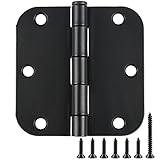
I remember the first time I tried to assemble a cheap cabinet. The hinges were these flimsy, stamped metal things that felt like they’d bend if you looked at them wrong. I spent an hour wrestling with them, stripping screws, and wondering if I was just fundamentally bad at DIY.
Turns out, the problem wasn’t me; it was the junk hardware. So, are CA hinges okay? Let’s get real about it. It’s not a simple yes or no, and understanding what makes a hinge good or bad can save you a ton of frustration and a lot of money.
My own kitchen renovation taught me that the devil, or in this case, the convenience, is truly in the details of the hardware.
Those ‘ca’ Hinges: Are They Just Cheap Crap?
Look, let’s cut to the chase. When I see those ‘CA’ marked hinges, my BS detector goes off. Usually, it’s a shorthand for a whole category of budget-friendly hardware.
They’re often made from thinner gauge metal, might have sloppy machining, and sometimes feel like they’re made of recycled tin cans. The finish can be uneven, and the adjustment screws might feel gritty or barely bite into the metal. I’ve had them where the clip mechanism felt loose right out of the box, promising a future of sagging doors and constant fiddling. My first experience with these was on a flat-pack dresser.
The doors wouldn’t align, they sagged almost immediately, and I ended up buying a better set of hinges out of sheer annoyance. It cost me more in the long run, plus the wasted time and the sheer aggravation of dealing with hardware that fought me at every step. So, my initial gut feeling?
Usually, no, they’re not ‘okay’ if you’re aiming for anything beyond the absolute bare minimum and don’t mind spending more time fixing than building. They’re designed to hit a price point, and that’s where all the compromises happen.
What ‘ca’ Actually Means and Why It Matters
So, what does ‘CA’ even stand for on these hinges? Honestly, it’s often not a specific brand or a standardized quality mark in the way you might think. It’s more of a descriptor, often found on hinges manufactured in certain regions or adhering to a very basic set of specifications, primarily focused on cost.
Think of it like ‘basic’ or ‘economy’ in a less flattering way. These hinges are typically manufactured using less expensive materials and simpler production methods. This means thinner steel, less precise drilling, and often a less durable finish that can scratch or wear off easily. The internal mechanisms, like the spring tension or the adjustment screws, might be less refined, leading to poor alignment and a lack of stability. (See Also: Are Spring Loaded Door Hinges Better )
When you’re looking at cabinet hardware, especially for doors that will see frequent use, the quality of the metal and the precision of the manufacturing are most important. A hinge that feels substantial, moves smoothly, and has clear, positive adjustment points is going to perform miles better than one that feels flimsy and imprecise.
This is why, even for DIY projects, I’ll often pay a little extra for hinges that feel solid and have a reputable name behind them, even if the ‘CA’ ones seem like a bargain upfront. It’s about long-term reliability and avoiding headaches.
What to Look for Instead: The Good Stuff
If those basic ‘CA’ hinges are usually a miss, what should you be hunting for? It boils down to a few key things that separate the junk from the job well done. First, feel. Pick up the hinge.
Does it have some heft to it? Thicker gauge steel is less likely to bend or flex, which is important for keeping doors aligned. Next, look at the finish. Is it a uniform coating, or are there bare spots, drips, or rough patches?
A good finish not only looks better but also provides better corrosion resistance. Then there are the adjustment screws. Are they easy to turn? Do they have a positive engagement, or do they feel like they’re just spinning in stripped threads?
Good hinges will have smooth, precise adjustment screws that allow you to fine-tune door placement. Brands that are known for quality cabinet hardware will often use thicker steel, better quality springs for soft-close functionality (if you opt for that), and more precise machining.
I’ve found that Blum and Salice are top-tier, but even mid-range brands like Liberty Hardware or specific lines from Home Depot or Lowe’s can offer a significant upgrade over the cheapest options. Don’t be afraid to ask store staff for recommendations or to look at the specifications. For my own workshop, I’ve learned to look for European-style hinges, often called concealed or overlay hinges, because they offer excellent adjustability and a clean look, and the better ones are built to last.
| Feature | ‘CA’ Hinge (Likely) | Better Quality Hinge | Verdict |
|---|---|---|---|
| Material Gauge | Thin, light metal | Thicker, heavier gauge steel | Heavier is better for stability |
| Finish Quality | Uneven, prone to scratching | Smooth, uniform, durable coating | A good finish means better looks and less rust |
| Adjustment Screws | Gritty, poor engagement | Smooth, precise, positive engagement | Important for door alignment |
| Spring Mechanism (if applicable) | Weak, inconsistent tension | Strong, reliable tension for soft-close | Soft-close is a nice-to-have, but needs to work well |
| Brand Reputation | Often unbranded or obscure | Known brands (Blum, Salice, etc.) | Reputation usually reflects quality and support |
Common Mistakes When Buying Hinges (and How to Avoid Them)
My biggest mistake early on was buying the cheapest hinges I could find, thinking they were all the same. Spoiler: they’re not. It’s like buying the cheapest tires for your car – you might save money initially, but you’ll pay for it in performance, safety, and longevity. One common pitfall is not considering the overlay. (See Also: A Box Without Hinges Key )
Are you replacing cabinet doors on an existing frame? You need to know if you need full overlay, half overlay, or inset hinges. Buying the wrong type means the doors won’t fit or hang correctly, and you’ll be back at square one. Another mistake is not accounting for door size and weight.
A heavy solid wood door needs beefier hinges than a lightweight particleboard door. Cheaping out on hinges for a heavy door is a recipe for sagging and eventual failure. And please, don’t just eyeball the screw holes.
Sometimes hinges look similar, but the hole patterns are slightly different, meaning you’ll have to drill new ones, which is a pain. Always measure twice, buy once. I learned this the hard way when I thought all Euro-style hinges were interchangeable. They’re not.
The mounting plate hole spacing can differ, and trying to force a hinge onto the wrong pattern is a guaranteed way to damage your cabinet or the hinge. Always check the specifications, even if it feels like overkill. It’s better to be a bit anal now than to be cursing yourself later.
Real-World Use: Are Ca Hinges Ever Okay?
So, is there any scenario where those ‘CA’ hinges are acceptable? Honestly, and I’m being blunt here because that’s what you’re getting from me, it’s rarely worth the gamble unless you’re in a very specific situation. Maybe you’re doing a temporary fix on a piece of furniture you plan to discard soon, or you’re building a very simple, non-important shelf that won’t bear much weight and where alignment isn’t a major concern.
Think of a small, lightweight utility shelf in a garage that you just need something to hold it up. Even then, the frustration of dealing with poor quality can outweigh the initial savings. People often ask, ‘Can I reuse my old hinges?’ This is a different ballgame.
If the old hinges are from a decent-quality piece of furniture, they might be perfectly fine and superior to new ‘CA’ hinges. But if they’re rusty, bent, or have loose springs, it’s time to let them go. The common advice is to always buy new, but I’ve found that if an old hinge is made of solid metal and functions smoothly, it’s often better than the cheapest new options out there.
For actual cabinet doors that you open and close regularly, especially in a kitchen or bathroom, I would never recommend them. The constant stress and need for precise alignment mean you need hardware that’s built for the job. (See Also: Are Integrated Washing Machine Door Hinges Standard )
My cousin, who’s a contractor, once told me he’d never put cheap hinges on a job he’s proud of. That stuck with me. He said the call-backs and client complaints about sticky or sagging doors weren’t worth the few bucks saved per hinge. That’s the kind of real-world experience that steers me away from the bargain bin hardware.
Faq: Your Burning Cabinet Hinge Questions Answered
What Is the Difference Between European and Standard Hinges?
European hinges, also known as concealed or Euro hinges, are designed to be hidden within the cabinet, offering a clean, modern look. They typically consist of a cup hinge that attaches to the door and a mounting plate that attaches to the cabinet frame. Standard hinges, like butt hinges, are visible on the outside of the cabinet and are more traditional. European hinges often offer superior adjustability and smoother operation.
How Do I Know What Type of Cabinet Hinge I Need?
You need to determine the overlay (how much the door covers the cabinet frame), the door type (inset or overlay), and the cabinet construction (face frame or frameless). For overlay doors, measure the gap between the edge of the door and the edge of the cabinet. For inset doors, you’re looking at the flush fit. Checking the existing hinge’s hole pattern is also important if you’re replacing them.
Are Soft-Close Hinges Worth the Extra Cost?
For most people, yes, soft-close hinges are absolutely worth the extra cost. They prevent doors from slamming shut, reducing noise and wear and tear on both the doors and the cabinet. They provide a more luxurious feel and are especially beneficial in busy households or for cabinets containing delicate items. The added cost is usually minimal compared to the annoyance of loud-slamming doors.
Can I Mix and Match Different Brands of Cabinet Hinges?
It depends on the type of hinge. For standard butt hinges, you can often mix and match as long as the size and screw pattern are identical. However, for European-style hinges, mixing brands is generally not recommended. The mounting plates and hinge cups are often designed to work together as a system, and using components from different manufacturers can lead to alignment issues and functional problems.
Final Verdict
So, to circle back: are CA hinges okay? My honest answer, based on years of banging my head against the wall with less-than-stellar hardware, is usually no. They’re a compromise that often leads to more frustration than savings. You’re better off investing a little more upfront in hinges that are well-made, adjust easily, and feel solid. It’s the difference between a project that looks and functions great for years, and one that’s a constant source of annoyance.
Think about the doors you’ll be opening and closing daily. Do you want to deal with sagging, misalignment, or squeaks? Probably not. When you’re choosing hardware for your cabinets, treat the hinges like the important components they are. They hold everything together and dictate the overall feel and functionality of your cabinetry.
My advice? Skip the ‘CA’ labeled stuff unless you’re absolutely cornered and have no other choice. Find a reputable brand, check the material and the adjustment screws, and buy hinges that feel like they’re built to last. Your future self, the one who isn’t wrestling with crooked doors, will thank you. So, for your next project, I’d urge you to look beyond the lowest price tag and consider the long-term performance and satisfaction that better quality hinges provide. Are CA hinges okay? For most people, most of the time, the answer is a hard pass.