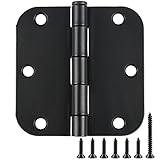
I remember the first time a heavy solid wood door in my old house started squeaking like a dying mouse. It was infuriating. I’d always just grabbed whatever hinges were on the shelf at the hardware store, assuming they were all pretty much the same. Turns out, that was a mistake. Especially when you start looking at higher-end hardware, the details matter. Like, a lot. So, when folks ask if Emtek ball bearing hinges stainless ball bearings are actually a thing, it’s a fair question. You’re not just buying metal; you’re buying engineering and, hopefully, longevity.
I’ve spent more time than I care to admit fiddling with door hardware, trying to figure out why some things just work and others feel cheap and destined for failure. It’s a rabbit hole, but a necessary one if you want your doors to swing smoothly for decades, not just a few years.
Why Ball Bearings Matter (and What to Watch For)
Let’s cut to the chase: ball bearings in door hinges are there to reduce friction. Think about it. A standard, plain bearing hinge relies on metal-on-metal contact, maybe with a little grease that eventually dries out or attracts dirt.
That’s where the squeaks and the eventual wear start. Ball bearings, just like in your car’s wheel hubs or a high-end skate, create a much smoother rolling surface between the two parts of the hinge that move against each other.
This means less effort to open and close the door, and significantly less wear and tear over time. For heavy doors, or doors that get a lot of use (like your front door or a busy interior door), this isn’t a luxury; it’s a necessity if you don’t want to be replacing them every few years.
Now, when we talk about whether Emtek ball bearing hinges stainless ball bearings are a thing, we’re getting into the specifics of materials and construction. Emtek is a brand that generally sits in the mid-to-high end of the hardware market.
They’re not the cheapest, but they’re also not astronomical. They aim for a balance of style and function. So, the question of stainless steel ball bearings is about whether they’re using materials that resist rust and corrosion, which is a big deal, especially if the doors are in a humid environment, near the coast, or outdoors. You’d expect a premium brand to use quality materials for the moving parts, but ‘stainless steel’ can mean different grades, and sometimes, manufacturers cut corners on internal components.
My own journey with hinges has been… illuminating. I once bought a set of what I thought were decent ‘heavy duty’ hinges for a workshop door. They looked good, felt solid. Within a year, they were stiff, and the paint was starting to chip around the pin. When I finally took one apart, I saw why. The ‘bearings’ were just thin, cheap steel rings, already showing rust. They hadn’t been sealed or treated. It was a lesson learned: flashy on the outside doesn’t always mean quality on the inside. You really have to dig into the specs, or, if you’re lucky, get some real-world feedback.
The common advice often glosses over the internal workings. People talk about finishes and door weights, but the actual bearing mechanism is often an afterthought in reviews or DIY guides. And frankly, most people don’t even know their hinges have ball bearings. They just work, or they don’t. But if you’re investing in good hardware, like Emtek, you should expect those internal components to be as solid as the exterior.
Deconstructing the Ball Bearing Hinge: What’s Inside?
So, what exactly are these ball bearings doing in your hinge? Imagine a standard hinge. You’ve got a barrel (the part that wraps around the pin) and the pin itself. In a basic hinge, these two metal surfaces rub directly against each other. As they rub, they create friction. If the surfaces are rough, or if there’s no lubrication, that friction leads to wear. The metal particles created by this wear then act like sandpaper, accelerating the process. It’s a vicious cycle that ends in squeaking, stiffness, and eventually, a hinge that binds or fails. (See Also: A 1956 Jc Hinges Auto Matic Shot Gun )
A ball bearing hinge introduces a layer of rolling elements between the rotating surfaces. Think of it like putting tiny, super-hard spheres between the barrel and the pin. Instead of sliding against each other, the surfaces are now rolling. This dramatically reduces the friction. The force you apply to open the door is now translated into rolling motion, not grinding. This is why doors with good ball bearing hinges feel so much smoother and require less force to operate, especially when they’re heavy or carrying a load (like a fully stocked pantry door).
Now, the material of these ball bearings is where the ‘stainless steel’ question comes in. If the bearings are made of regular steel, they’re prone to rust. Rust isn’t just unsightly; it can compromise the smooth rolling action.
Rusty bearings can seize up, making the hinge stiff and potentially damaging the surfaces they’re supposed to be protecting. For a hinge that’s meant to last, especially in environments where moisture is a factor, stainless steel bearings are a huge plus.
They offer superior corrosion resistance. Emtek, being a brand that positions itself on quality and longevity, would ideally use stainless steel for these important internal components. However, ‘stainless steel’ can be a broad term, and not all stainless is created equal in terms of hardness and corrosion resistance. A high-quality 300-series stainless steel would be the gold standard here for bearing races and balls.
I once had to replace a set of door hinges on a bathroom door that was constantly exposed to steam. Even though the exterior of the hinges looked fine, the internal pin and barrel were completely seized with rust. I ended up switching to a set specifically marketed as rust-resistant, and while they weren’t ball bearing, the smooth action and lack of corrosion after a few years proved that material choice for the internal parts is absolutely key. The question of ‘are Emtek ball bearing hinges stainless ball bearings’ is really about verifying that Emtek is using quality materials for those internal, often-overlooked, components.
The Real-World Difference: Does It Actually Feel Better?
Let’s talk about what this actually feels like. I’ve installed hinges that cost $5 a pair and hinges that cost $50 a pair. The difference is palpable. A standard hinge, even a well-made one without ball bearings, can feel a bit… gritty. There’s a slight resistance, a subtle drag that you might not notice consciously until you’ve tried something smoother. Doors can feel heavy, sometimes even a bit jerky as they open and close. This is especially true for older homes with original doors where the hinges might be worn or have lost their lubrication.
Now, swing a door on a high-quality ball bearing hinge, especially one with stainless steel components. It’s like butter. The door moves with an effortless glide. There’s no resistance, no sticking. You can push it gently, and it swings smoothly. This isn’t just a feeling; it translates into real benefits. For people with limited mobility, children, or anyone who just appreciates smooth operation, this difference is significant. It makes a house feel more refined, more thoughtfully put together. It’s one of those details that, when done right, you don’t even notice, but when it’s done wrong, you absolutely do.
I remember working on a client’s historic home. They wanted to replace all the hardware to match the period, but they also wanted modern functionality. We ended up going with a brand that offered ball bearing hinges with stainless steel components. The doors, which were original and quite heavy, suddenly felt completely transformed. They swung with a silent grace that you just don’t get from basic hinges. The client was ecstatic. They said they hadn’t realized how much effort they’d been putting into opening their own doors for years. That’s the power of good engineering in something as simple as a hinge.
The question of ‘are Emtek ball bearing hinges stainless ball bearings’ is about whether Emtek is delivering that premium, effortless feel consistently. Given their price point and reputation, you’d expect them to be using stainless steel bearings to make sure that smooth, corrosion-free operation that defines a truly high-quality hinge. It’s the difference between a door that just hangs there and a door that operates with a quiet, confident elegance. (See Also: Are All Kitchen Cabinet Hinges The Same )
Common Mistakes and Misconceptions About Door Hinges
One of the biggest mistakes I see people make is thinking all hinges are created equal. They’ll see a hinge that looks similar to another and grab the cheaper one, only to regret it later. This often happens with decorative hinges too. A beautiful ornate hinge might look the part, but if its internal mechanism is cheaply made, it’s going to fail. You end up with a beautiful piece of metal that doesn’t function well. It’s like putting fancy tires on a clunker car – it doesn’t fix the underlying issues.
Another common misconception is about the ‘load rating’ of hinges. While many hinges will list a weight capacity, people often ignore it or misinterpret it. A hinge might be rated for a certain door weight, but that rating often assumes ideal conditions. If you have a heavy door in a humid environment, or a door that gets slammed shut frequently, you’re putting extra stress on the hinge. That’s where the quality of the ball bearings and the material they’re made from becomes exponentially more important. A standard steel bearing might handle the static weight, but it won’t cope well with dynamic stress and moisture over time.
When it comes to Emtek specifically, and the question ‘are Emtek ball bearing hinges stainless ball bearings’, a mistake would be assuming that because they are a premium brand, all their ball bearing hinges automatically have stainless steel bearings. It’s always best to verify. Sometimes, even high-end manufacturers will offer different tiers. They might have a model with standard steel bearings for general interior use and a more solid, corrosion-resistant model with stainless steel for exterior or high-moisture applications.
You need to check the product specifications. I once installed a set of what I thought were top-of-the-line Emtek hinges, only to find out later that the bearings were not stainless steel. They started showing minor corrosion within a year due to the coastal air. Lesson learned: always read the fine print, or better yet, ask the supplier directly.
People also sometimes overestimate the durability of basic lubrication. A dab of WD-40 might silence a squeak temporarily, but it’s not a long-term solution for a worn or poorly engineered hinge. Ball bearings, especially stainless steel ones, are designed to be low-maintenance and long-lasting because of their inherent design and materials, not because of constant intervention. Over-reliance on basic lubrication can mask underlying problems and delay necessary replacements, leading to more significant damage down the line.
Faq: Your Burning Questions Answered
Do Emtek Ball Bearing Hinges Use Stainless Steel Ball Bearings?
Emtek offers a range of hardware, and while many of their ball bearing hinges are designed with high quality in mind, not all are guaranteed to have stainless steel ball bearings. It’s important to check the specific product description or contact Emtek directly for detailed specifications on the materials used for the ball bearings in a particular hinge model. They often use solid steel, but for maximum corrosion resistance, stainless steel is preferred.
Are Ball Bearing Hinges Worth the Extra Cost?
For most applications, especially with solid core doors, heavy doors, or doors that see frequent use, ball bearing hinges are absolutely worth the extra cost. They provide a smoother, quieter operation, reduce wear and tear, and can extend the life of your doors and frames. The premium feel and longevity they offer often justify the higher price point compared to standard hinges.
What’s the Difference Between Ball Bearing and Standard Hinges?
The primary difference lies in how they reduce friction. Standard hinges rely on metal-on-metal contact, which can lead to squeaks and wear over time. Ball bearing hinges incorporate a series of ball bearings between the rotating parts of the hinge, drastically reducing friction. This results in a much smoother, quieter, and more durable operation, especially for heavier doors or those with frequent use.
How Do I Know If My Hinges Have Ball Bearings?
Often, hinges with ball bearings will have a slightly larger barrel diameter, as the mechanism for the bearings needs a bit more space. They also typically feel significantly smoother and quieter than standard hinges. If you’re unsure, you can try to carefully pry open the barrel of the hinge (usually by tapping the pin up and out) to see if there are visible ball bearings within. However, this can be difficult and may damage the hinge if not done carefully. (See Also: Are Cabinet Hinges Universal )
A Practical Comparison: Hinges in Action
Let’s break down how different types of hinges stack up in real-world scenarios. It’s not just about the price tag; it’s about what you get for your money and how it performs over time. When you’re looking at hinges, especially if you’re trying to decide if Emtek’s ball bearing hinges are worth it, considering the quality of the internal components is key.
Imagine you’re installing hinges on an exterior door that’s exposed to the elements. You need something that can withstand moisture, temperature fluctuations, and constant use. A basic, non-ball bearing hinge, even if made of solid steel, is going to be susceptible to rust over time. The friction will increase, leading to a stiff, potentially squeaky door. If it does have ball bearings but they’re not stainless steel, you’re still looking at potential corrosion issues. This is where a premium hinge, like one from Emtek with stainless steel ball bearings, really shines. The stainless steel resists rust and corrosion, and the ball bearings make sure that smooth operation persists, even in harsh conditions.
For interior doors, the stakes might seem lower, but the benefits of ball bearings are still significant. Think about a child’s bedroom door or a door to a busy living area. These doors are opened and closed constantly. Without ball bearings, the constant friction will wear down the hinge parts faster. This leads to sagging doors, difficulty in closing, and eventually, the need for replacement. A good quality ball bearing hinge, whether stainless steel or a very high-grade coated steel, will handle this constant use with ease, maintaining a smooth feel and quiet operation for years.
When I’m assessing hinges, I always have this little mental table going. It’s not about fancy specs that mean nothing to the average person. It’s about what translates to durability and a good user experience. For Emtek ball bearing hinges stainless ball bearings is a question that really boils down to whether they are delivering on the promise of premium hardware that lasts. My experience suggests they often do, but vigilance in checking specifications is always warranted.
| Hinge Type | Primary Function | Durability Expectation | User Experience | My Verdict |
|---|---|---|---|---|
| Standard Plain Bearing (Steel) | Basic door support | Moderate; prone to rust/wear without maintenance | Can be stiff, noisy; acceptable for light use | Bare minimum. Fine for closet doors you rarely use. |
| Ball Bearing (Standard Steel) | Reduced friction, smoother operation | Good; better than standard but still susceptible to rust | Smooth, quieter; better for heavier or frequent-use doors | A solid upgrade, but watch for rust in humid areas. |
| Ball Bearing (Stainless Steel) | Maximized smoothness, superior corrosion resistance | Excellent; highly resistant to rust and wear | Effortless, silent glide; ideal for all applications, especially exterior/coastal | The gold standard for quality and longevity. Worth the investment. |
A Few Practical Tips for Your Hinges
When you’re dealing with hinges, whether they’re Emtek or any other brand, a few practical tips can save you headaches. First off, always buy hinges in sets. Never mix and match hinges on the same door. Even if they look similar, slight variations in size, pin tolerance, or bearing quality can lead to uneven wear and cause the door to bind or sag. Stick to a matched set, ideally from the same manufacturer and product line.
Second, if you’re installing new hinges, especially on an existing door frame that might have settled or shifted over time, don’t overtighten the screws immediately. Install them loosely first, hang the door, and then gradually tighten them while checking the door’s swing. This allows the hinge to seat properly and prevents you from forcing the door into an unnatural position, which can stress the hinge. For heavier doors, especially if you’re asking ‘are Emtek ball bearing hinges stainless ball bearings’ for an exterior application, consider using longer screws that go into the wall studs, not just the door jamb. This provides much more stability and prevents the jamb from cracking or bowing under the weight.
Third, when it comes to maintenance, if you have high-quality ball bearing hinges, you generally don’t need to do much beyond keeping them clean. Avoid harsh chemical cleaners that can damage the finish or the bearing seals. A damp cloth should suffice. If, by some chance, you encounter stiffness or noise from a ball bearing hinge (which is rare if it’s well-made), a tiny drop of a good quality lubricant like silicone spray can sometimes help, but be sparing. Over-lubrication can attract dust and gunk, which can be worse in the long run. For stainless steel bearings, this is less of a concern, as their resistance to corrosion is their primary advantage.
Finally, if you’re replacing old hinges, take the old ones to the hardware store if possible, or at least measure them carefully. Hinges come in specific sizes (height, width of the leaf, and corner radius). Getting the wrong size means you’ll have gaps, or the hinge won’t sit flush, affecting the door’s operation and appearance. Understanding hinge types and sizes is as important as understanding the quality of the internal components like whether Emtek ball bearing hinges stainless ball bearings are used.
Verdict
So, to wrap it up, the question ‘are Emtek ball bearing hinges stainless ball bearings’ is a good one to ask. Emtek generally produces quality hardware, and their ball bearing hinges are designed for smooth, durable operation. While not every single Emtek ball bearing hinge model is guaranteed to feature stainless steel ball bearings, it’s highly probable that their higher-end offerings, particularly those intended for heavier use or exterior applications, will incorporate them to make sure superior corrosion resistance and longevity.
Don’t just assume premium means stainless steel bearings everywhere. Always check the product specifications or ask the retailer. It’s the internal components, often unseen, that make the real difference in how a hinge performs over time. Investing in hardware where the ball bearings are made of stainless steel is a smart move if you want doors that glide effortlessly and silently for decades, resisting the wear and tear of daily life and the elements.
If you’re in the market for new hinges, take the time to understand the materials. It’s a small detail that has a massive impact on the feel and function of your home.