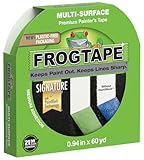
You’ve just finished that intricate trim work, painstakingly masked off every edge, and you’re ready to peel it all off. Satisfying, right? Then you look down at the pile of used tape and wonder, ‘What do I do with all this?’ It’s a question that pops up for anyone who’s ever picked up a paintbrush: can painters tape be recycled? I’ve been there, staring at a roll of blue, green, or maybe even purple tape, wondering if it’s destined for the landfill or if there’s a better way.
Honestly, for the longest time, I just tossed it. It seemed like just another bit of disposable stuff from a project. But as I’ve gotten more serious about DIY and reducing waste, I started digging. It’s not as straightforward as you might think, and the answer isn’t a simple ‘yes’ or ‘no’. Let’s cut through the noise and get to what actually works.
The Sticky Truth About What’s Actually in It
So, what are we even talking about when we say ‘painters tape’? It’s not just paper and glue, though that’s a decent starting point. At its core, painters tape is usually made from a crepe paper backing.
This paper is designed to be thin, flexible, and able to conform to curves and corners without tearing too easily. The real magic, or sometimes the frustration, comes from the adhesive. This is a specially formulated acrylic adhesive that’s designed to stick well enough to hold its position during painting but peel off cleanly without damaging the surface or leaving behind a sticky residue.
This balance is key, and it’s what separates good painters tape from the cheap stuff that rips or leaves ghosts behind.
The variations in tape—blue for delicate surfaces, green for more aggressive adhesion, purple for extreme conditions—all come down to the paper’s treatment and, more importantly, the specific blend of polymers and tackifiers in the adhesive. These aren’t simple glues; they’re engineered to react to temperature, humidity, and the type of surface they’re applied to. For instance, the ‘low tack’ of some tapes means the adhesive has less grab, making it safer for wallpaper or freshly painted walls. Conversely, ‘high tack’ tapes are for those who need serious staying power, like for masking off cabinets that might get bumped or for exterior work.
I remember the first time I splurged on some ‘pro-grade’ tape. It cost me something like $15 for a few rolls, way more than the $3 stuff I usually grabbed. The difference was night and day. It went on smooth, didn’t bleed under, and came off like a dream. That experience taught me that the cost often reflects the complexity of the materials and the precision of the engineering in that adhesive. It also made me think more about what happens to all these engineered materials after their short, glorious life holding a straight line.
Now, when we talk about recycling, the biggest hurdle for painters tape isn’t just the paper. It’s that sticky, gooey adhesive. Most recycling facilities are set up to handle clean paper fibers or specific plastics. Anything contaminated with significant amounts of adhesive, paint, or other project gunk? That’s generally a no-go. The adhesive can gum up the machinery, and the paper fibers can get matted down and unusable. So, while the paper itself might theoretically be recyclable, the overall product as you use it on a project usually isn’t. We’ll get into the specific challenges and what little you can do later, but understanding the composition is the first step to figuring out if painters tape can be recycled.
Why You Can’t Just Toss It in the Blue Bin (usually)
Let’s be blunt: most of the time, when you’re done with a roll of painters tape, it’s not going into your curbside recycling bin. And that’s not because recycling facilities are being difficult; it’s because the tape, as it exists after you’ve used it, is a contaminated composite material. The primary issue is the adhesive. While the tape is made of paper and adhesive, the adhesive is what gums up the works. Think of it like a pizza box with cheese and grease on it – most places won’t take that for recycling because the contamination is too high.
The adhesive on painters tape is a sticky polymer, usually acrylic-based. When it’s on the tape, it’s engineered for a specific tack.
But once it’s been exposed to air, dust, paint, and whatever else gets on it during your project, it becomes a mess. Recycling processes typically involve separating materials by type and then cleaning them. The adhesive on painters tape is sticky and can bond to other materials or clog up the sorting machinery. Even if you managed to scrape off the paint, the residual adhesive is still a problem.
It’s not like a clean plastic bottle that can be melted down and reformed. This sticky residue can render the paper fibers useless for making new paper products.
That’s why most municipal recycling programs explicitly state that tapes and adhesives are not accepted. (See Also: Can Painters Tape Melt )
I learned this the hard way after a particularly messy wallpaper removal job. I had a whole garbage bag full of the old tape, and in a moment of eco-optimism, I stuffed a bunch of it into my recycling bin. A week later, the bin came back with a bright orange tag and a note that basically said, ‘Contaminated materials. Please keep these out.’ It was humbling. I thought I was doing a good deed, but I was actually just creating more work for the sorting facility and potentially ruining a batch of recyclables. The common advice to just ‘recycle it if you can’ is often vague and unhelpful when you’re standing there with a roll of sticky, paint-speckled tape.
Furthermore, the paper backing itself is often treated or coated to give it its specific properties. While it’s paper, it’s not the same kind of clean, high-fiber paper you’d find in a newspaper or office paper. This means even if the adhesive wasn’t an issue, the paper itself might not be suitable for standard paper recycling streams. It’s a composite material, a blend of different components, and those are notoriously difficult to separate and recycle economically. So, the simple answer to ‘can painters tape be recycled’ in your average curbside bin is almost always a resounding ‘no’.
What to Look for: Choosing Tape with Recycling in Mind (a Little Bit)
Okay, so since most of it is headed for the trash, does that mean we should just buy the cheapest stuff and not think about it? Not necessarily. While true recycling of used painters tape is a pipe dream for most of us, there are some things to consider when buying tape that might make responsible disposal a tiny bit easier, or at least make you feel slightly better about the purchase. It’s more about minimizing environmental impact before it becomes waste, rather than a magical end-of-life solution.
First, let’s talk about the backing. Some manufacturers are starting to make tape with a higher percentage of recycled content in the paper backing. This is usually advertised on the packaging. While it doesn’t make the used tape recyclable, it means the virgin resources used to make the tape were reduced. It’s a small step, but it’s a step. Look for labels that mention ‘recycled content’ or similar phrasing on the paper roll itself. Be wary, though, as ‘paper’ can mean many things, and it’s often hard to verify claims without getting deep into manufacturing specs.
Second, consider the adhesive. This is where innovation could happen, but it’s rare in the DIY painters tape market. Some industrial tapes use adhesives that are potentially biodegradable or derived from plant-based sources. However, these are usually much more expensive and not what you’d find at your local hardware store for a weekend painting project. For standard painters tape, the acrylic adhesive is pretty much the standard. It’s effective, but not particularly eco-friendly in its raw form or its post-use state.
Third, the packaging. This is an easy win. Does the tape come in a plastic wrapper? Can that wrapper be recycled in your area? Or is it just loose on a cardboard spool? Some brands are moving towards minimal or recycled cardboard packaging. Again, this is about the tape before use, not after. It’s a small consideration, but if you’re faced with two similar rolls of tape and one has significantly better packaging, that might be the one to grab. I once bought a pack of tape that came in a giant plastic clamshell. It felt absurdly wasteful, even before I’d used a single inch of tape.
Finally, and this is a bit of contrarian advice: sometimes, the ‘better’ tape that promises clean removal is actually less wasteful in the long run. Why? Because if tape rips, leaves residue, or damages your surface (forcing you to repaint), you’re using more paint, more primer, and more of your time. A slightly more expensive tape that performs flawlessly might actually save resources and hassle. So, when asking if painters tape can be recycled, the answer is mostly no. But choosing tape wisely before you use it can make a difference in the overall environmental footprint of your project.
Common Mistakes and What to Avoid
When you’re deep into a painting project, the last thing you want is for your tape to fail you. But in our quest to make things work, we sometimes make mistakes with tape that not only ruin the paint job but also make disposal even more problematic. Understanding these pitfalls can save you headaches and, indirectly, help manage the waste stream a bit better. The biggest mistake, hands down, is using the wrong tape for the job. This is where I’ve seen people waste money and create more mess than necessary.
For example, using standard blue or green painters tape on delicate surfaces like wallpaper, freshly painted walls (less than 24-48 hours dry), or certain types of wood finishes is a recipe for disaster. You’ll end up ripping paint, tearing wallpaper, or leaving behind a sticky, gummy residue that’s a nightmare to clean. Then, you’re not just dealing with used tape; you’re dealing with damaged surfaces that need repair, more primer, and more paint. This creates a cycle of waste that the tape itself, even if recyclable, couldn’t solve.
You’d have been better off spending a few extra bucks on specialized low-tack tape for those surfaces. I once tried to save money on a small bathroom repaint by using the heavy-duty green tape on a wall that had been painted only 12 hours prior. The tape took off a layer of the new paint.
I had to wait another week, sand, prime, and repaint the entire wall. That little roll of tape ended up costing me about $50 in materials and a whole weekend I didn’t have.
Another common mistake is leaving the tape on too long. The rule of thumb is to remove painters tape while the paint is still slightly wet or at least fully cured but not baked on by heat or time. If you wait too long—especially if the room gets warm or humid—the adhesive can basically ‘cure’ onto the surface, making it bond much more strongly. (See Also: Can You Put Painters Tape On Carpet )
Then, when you pull it off, it either rips the paint or leaves behind a significant amount of residue. This makes the tape harder to clean and even less likely to be considered for any form of recycling, however remote. Removing it cleanly is key to its intended function, and that clean removal is also what makes it ‘less’ of a problem, even if it still ends up in the trash.
Over-application is another issue. Sometimes people think more tape means better coverage. They might overlap rolls, create thick borders, or tape over areas that don’t need it. This just uses up more tape than necessary, generating more waste. It also increases the chances of paint bleeding under the tape if not applied perfectly. If you need a perfectly sharp line, sometimes a steady hand with a good quality brush or a fine-line tape is a better, less wasteful solution than just slapping on layers of standard tape.
Finally, not storing tape properly is a subtle mistake. Leaving rolls in direct sunlight, in a hot garage, or exposed to dust and moisture can degrade the adhesive and the paper backing over time. This means the tape might not perform as expected when you finally use it, leading to the issues mentioned above. Keep your tape in its original packaging or in a cool, dry place to maintain its integrity. So, while the question is ‘can painters tape be recycled,’ avoiding these common mistakes means you’re producing less of a mess to begin with, which is the first step in being more mindful about waste.
Real-World Use: What Happens to Tape on the Job
Let’s be real about what happens to painters tape when it’s actually out there, doing its job. I’ve used gallons of the stuff over the years, masking everything from intricate crown molding to entire exterior trim. The reality is that after it’s served its purpose, 99% of the time, it’s destined for the landfill. This is because it’s a single-use item that’s become contaminated with paint, dust, and often, tiny bits of drywall or caulk. The adhesive is designed to be sticky, and once it’s done its job, it’s still sticky, just in a less useful way.
Think about a typical interior painting job. You’ve got your blue tape meticulously applied along baseboards, window frames, and door casings. After the paint dries—and you’ve hopefully removed the tape at the right time—you’re left with rolls of tape that are now coated with a thin layer of latex or oil-based paint. There might be flecks of primer, maybe some stray cobwebs, and the inherent stickiness of the adhesive.
Can you imagine trying to process that in a recycling facility? The paper fibers are likely compromised by the paint and the adhesive. The adhesive itself would gum up the machinery. Even if you could separate the paper from the adhesive (which is nearly impossible without industrial solvents), the paper would likely be too short-fibered and contaminated to be turned back into usable paper products.
I recall a project where I was painting an old, textured plaster ceiling. The tape had to conform to every ripple and bump. When I pulled it off, there were tiny bits of plaster embedded in the adhesive, along with the paint. It looked like a miniature, abstract sculpture of dust and color. There was absolutely no way that was going into any recycling bin I owned. It was a clear indicator that this material, in its post-project state, is not intended for a circular economy via typical recycling streams. It’s a casualty of a project, a necessary tool that serves its purpose and then is discarded.
For exterior projects, it’s even worse. Tape used on house exteriors is exposed to UV rays, rain, and all sorts of outdoor grime. The adhesive can break down, or it can get really baked on. The paper might become waterlogged. While some tapes are designed for outdoor use, their end-of-life scenario is still typically a trash can. The complexity of the adhesive, the paper treatment, and the inevitable contamination from paint and environmental debris make it a tough nut to crack for recyclers. So, while we might wish there was a simple ‘yes’ to ‘can painters tape be recycled,’ the practical reality of its use means it’s generally a waste product that needs to be managed through regular trash disposal.
There are some niche industrial applications or specialized recycling programs that might handle certain types of tapes or adhesives, but for the average DIYer or professional painter using standard hardware store brands, these aren’t accessible. The most responsible approach is to use the tape efficiently, avoid waste by selecting the right tape for the job, and then dispose of it properly in the trash. It’s not the most glamorous answer, but it’s the honest one based on how these products are made and used.
The Myth of Home Composting and Other ‘solutions’
Now, I’ve heard it all. People suggesting you can compost painters tape. Some even claim it’s biodegradable. Let’s set the record straight: this is mostly bunk, and anyone telling you otherwise is probably trying to sell you something or hasn’t actually tried it. The idea of a biodegradable painters tape sounds great, but the reality of what’s in most tapes makes it a non-starter for home composting. The paper backing might be paper, but the adhesive is almost always a synthetic acrylic polymer. These don’t break down easily in a compost bin, and they can contaminate the compost with microplastics or chemicals that you really don’t want on your vegetables.
I once had a neighbor, a really enthusiastic gardener, tell me he was composting all his tape. I asked him how it was going. He sheepishly admitted that after six months, the tape was still there, just looking a bit soggy and slightly degraded, but definitely not composted. The adhesive had just smeared and stuck to everything else in the bin. It turned a potentially valuable compost pile into a sticky, unusable mess. He ended up digging it all out and tossing it. So, no, your standard blue or green tape is not compostable, and trying to do so is usually a waste of your time and your compost’s integrity.
Then there’s the idea of ‘reuse.’ Can you reuse painters tape? Theoretically, yes, if you’re just masking off something very simple and non-important, and the tape hasn’t lost too much of its adhesion or gotten excessively dirty. But for any serious painting where clean lines are most important, reused tape is a gamble. (See Also: Can You Recycle Painters Tape )
The adhesive is already stressed, it might have picked up grit, and it’s less likely to form a perfect seal. I tried reusing some tape once on a project where I had to mask off a section, paint, wait for it to dry, then mask off another section. The first layer of tape I tried to reapply was a disaster. It lifted in places, bled in others, and I ended up with a much worse result than if I’d just used fresh tape.
For professionals, or even serious DIYers, the cost of tape is usually far less than the cost of fixing mistakes from reusing it. So, while you can try, I wouldn’t recommend it for anything important.
The contrarian view here is that while most tapes aren’t compostable, some manufacturers are starting to develop more eco-friendly options. However, these are often specialized, much more expensive, and not widely available. They might use plant-based adhesives or a different type of paper.
But for the vast majority of us buying tape at the local hardware store for a weekend project, these advanced options are not the reality. So, when someone asks ‘can painters tape be recycled?’ or ‘can it be composted?’, the honest answer for 95% of the tape out there is ‘no’ for recycling and ‘absolutely not’ for home composting.
It’s important to rely on factual information about the materials, not wishful thinking, when trying to be more sustainable.
This brings us back to the core issue: painters tape is a tool designed for a specific, single-use purpose. Its effectiveness relies on a combination of materials that, in their used state, are not compatible with standard recycling or composting processes. The best approach is mindful use and proper disposal in the general waste stream. Trying to force it into other waste streams is often counterproductive and can create more problems than it solves.
Can Painters Tape Be Thrown in the Recycling Bin?
Generally, no. Most municipal recycling programs do not accept painters tape because the adhesive contaminates the paper fibers and can gum up sorting machinery. Even if the paper backing is technically recyclable, the adhesive makes the entire product unsuitable for standard recycling streams. Always check with your local recycling facility for their specific guidelines.
Is Painters Tape Biodegradable?
Standard painters tape is not considered biodegradable in a typical home composting environment. While the paper backing might eventually break down, the synthetic acrylic adhesive will not. Attempting to compost it can contaminate your compost pile and is unlikely to result in decomposition of the adhesive.
What Is the Adhesive on Painters Tape Made of?
The adhesive on most painters tape is an acrylic-based polymer. This formulation is engineered to provide a balance of adhesion for painting and clean removal without damaging surfaces. The specific composition varies between brands and tape types (e.g., low-tack for delicate surfaces vs. high-tack for exterior use).
Can I Reuse Painters Tape?
While you can technically try to reuse painters tape, it’s generally not recommended for painting projects where clean lines are important. The adhesive’s tackiness is compromised after the first use, and it may have picked up dust or debris, leading to poor adhesion, paint bleed-through, and potential damage to surfaces. It’s usually best to use fresh tape for important masking.
What Kind of Tape Is Recyclable?
Generally, clean paper-based tapes (like some shipping tapes without strong adhesive residue) or specific types of industrial tapes designed for recyclability might be accepted by specialized recycling programs. However, for common household painters tape, recyclability is typically not an option due to contamination and the nature of the adhesive.
Final Thoughts
So, after all this, can painters tape be recycled? The honest, straightforward answer for the vast majority of what you buy at the store is no. It’s a composite material with an engineered adhesive that just doesn’t play nice with standard recycling or composting systems. My own experience, and the facts about the materials, confirm that it’s best to assume it’s destined for the trash bin.
This isn’t to say we should just be wasteful. The real takeaway isn’t about finding a magical recycling bin for used tape, but about using it mindfully. Choose the right tape for the job to avoid damage and rework. Apply it carefully to minimize waste. And when it’s done, dispose of it cleanly in your regular trash. It’s about being smart with the tools we use, understanding their limitations, and making the most responsible choice for disposal when that choice is limited.
Ultimately, while there’s no easy recycling path for your used painters tape, being aware of its composition and limitations is the first step. Next time you’re at the store, take a moment to consider what you’re buying and how you’ll use it. It’s the small, honest choices that add up.