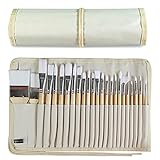
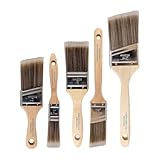
I used to think all paint brushes were created equal. A brush is a brush, right? Just something to slap paint on a surface. I learned that lesson the hard way, wasting more money than I care to admit on cheap packs that shed bristles like a moulting cat. Then, one day, a grumpy old painter in a hardware store, bless his cynical heart, told me, ‘Son, if you ain’t using decent tools, you ain’t painting, you’re just making a mess.’ He was right. So, let’s talk about whether good paint brushes are worth it.
It’s not just about aesthetics; it’s about the entire painting experience. Are good paint brushes worth it? My answer, after years of trial and error and a few too many streaks on walls, is a resounding yes.
The Sticky Truth About Cheap Brushes
Let’s cut to the chase. You know those multi-packs of brushes you can grab for five or ten bucks? The ones that promise to do everything from touch-ups to a full room makeover? Yeah, I’ve bought those.
Lots of them. And every single time, I’ve regretted it. They’re designed to be disposable, and frankly, that’s exactly what they are.
The bristles are often made of synthetic fibers that are too stiff or too soft, and they have a nasty habit of falling out mid-stroke. I remember painting a door once with one of those discount brushes. About halfway through, I noticed little black plastic hairs embedded in the glossy white paint.
Peeling them out was a nightmare, and the finish looked like it had a bad case of acne. It took me an extra hour of sanding and repainting just that one door. That’s not just annoying; it’s a waste of time, energy, and paint.
Cheap brushes can also make it incredibly difficult to get a clean line, especially around trim or edges. You end up with paint bleeding where it shouldn’t, forcing you to spend more time on touch-ups or just accepting a less-than-perfect result.
It’s a false economy, plain and simple. You might save a few dollars upfront, but you’ll spend far more in frustration and rework.
The common advice that you can just buy a bunch of cheap ones and toss them when they’re done? It’s a myth for anyone who actually cares about the final outcome.
What Makes a “good” Paint Brush Actually Good
So, what separates a decent brush from a total dud? It’s a combination of materials, construction, and design.
For synthetic brushes, look for good quality nylon or polyester bristles. They should feel springy and hold their shape well. (See Also: A Brush Above Painting Port St Lucie )
For natural bristles (usually hog hair, best for oil-based paints), they should be flagged – meaning the tips are split into finer filaments. This flagging helps the brush hold more paint and lay it down more smoothly.
The ferrule, the metal part that holds the bristles to the handle, is another key indicator. A good ferrule is usually made of stainless steel or brass, it’s smooth (no sharp edges), and it’s crimped tightly onto the bristles so they don’t wiggle loose. Cheap brushes often have ferrules that are flimsy, have visible seams, or aren’t crimped properly, leading to bristle loss.
The handle itself should feel comfortable in your hand. Some brushes have ergonomic designs, while others are simpler. The weight and balance are important too; a brush that feels good in your grip for an extended period makes a huge difference.
I’ve found that brushes with slightly thicker, textured handles offer a better grip, especially when my hands get a bit sweaty from a long painting session. It’s not just about how the brush looks; it’s about how it performs under pressure. A good brush feels like an extension of your hand, not a clumsy tool you’re fighting with.
| Brush Type | Best For | Pros | Cons | My Verdict |
|---|---|---|---|---|
| Cheap Synthetic Multi-Pack | Very light DIY, disposable use | Low initial cost | Bristle loss, poor paint laydown, short lifespan | Avoid if possible. Only for absolute emergencies. |
| Mid-Range Synthetic (Nylon/Polyester) | Interior latex/acrylic paints, trim, walls | Good paint holding, smooth finish, durable for the price | Can be a bit too stiff for very fine detail, may not last as long as premium natural brushes | Excellent value for most DIYers. A solid workhorse. |
| Premium Synthetic (Tynex/Orel) | All water-based paints, smooth finishes, high-traffic areas | Exceptional precision, very durable, superior paint release, minimal brush marks | Higher price point | Worth the splurge for significant projects or if you demand perfection. |
| Natural Bristle (Hog Hair) | Oil-based paints, varnishes, stains | Excellent for smooth application of thicker paints, holds a lot of material | Not for water-based paints, can be harder to clean, can leave more texture | Key for oil-based projects. Don’t even think about using synthetics here. |
| Angled Sash Brush | Trim, corners, cutting in edges | Provides control and precision for detailed work | Can be less effective for broad strokes | A must-have. Get a good quality one, it makes a huge difference. |
The “contrarian” Take: When Less Is More (sort Of)
Now, here’s where I might ruffle some feathers. Everyone says you need a whole arsenal of brushes for every tiny job. I disagree. While variety is good, you don’t need twenty brushes to paint a single room.
The real trick is having one or two really good brushes that excel at the tasks you’ll be doing most. For example, for most interior latex paint jobs – walls, ceilings, even doors – a quality 2-inch angled sash brush is your best friend. It can handle cutting in around trim, painting corners, and even larger wall areas if you’re patient.
I’ve painted entire rooms with just one good angled brush and a roller. You learn to work with it, to use different parts of the brush for different effects. People get bogged down thinking they need a half-inch liner brush, a one-inch flat, a two-inch oval, and so on. Honestly, for the average homeowner tackling a few rooms a year, focusing your budget on one or two high-quality, versatile brushes will serve you far better than a cheap grab bag.
The overemphasis on needing a specialized tool for every micro-task is often just marketing fluff or a way to sell more product. Find a good synthetic angled brush, maybe a slightly larger flat one, and you’re probably 80% of the way there for most home painting projects.
Real-World Scenarios: Where Good Brushes Shine
I had a buddy, Mark, who was notoriously impatient. He decided to repaint his kitchen cabinets himself, opting for a slick, modern look with a semi-gloss enamel.
He bought a cheap bulk pack of brushes. The result was… a disaster. (See Also: Can Corel Painter Brushes For Photoshop )
Streaky, uneven coverage, with visible bristle marks and drips. He ended up stripping them all down and starting over.
This time, I convinced him to invest in a couple of decent synthetic angled brushes and a good quality natural bristle brush for the initial primer coat. The difference was night and day. The primer went on smoothly. The semi-gloss enamel, which is notoriously difficult to get a perfect finish with, flowed beautifully.
He could cut in edges with laser-like precision, and the main cabinet doors had a smooth, factory-like finish. He told me later, ‘I can’t believe how much easier it was.
And it looks so much better. I was an idiot for not spending the money the first time.’
This isn’t just about cabinets. Think about furniture restoration, painting intricate trim work, or even applying a delicate stain. In these situations, a cheap brush will fight you every step of the way. A good brush, however, feels like a partner.
It holds the paint evenly, releases it smoothly, and allows for the control needed to achieve professional-looking results. The sensory experience is different too – a good brush feels balanced, the bristles glide rather than drag, and the overall process is much less fatiguing.
Common Mistakes and How to Avoid Them
The biggest mistake I see people make is buying cheap brushes and then not cleaning them properly. If you’ve invested in good brushes, treat them like the tools they are.
After using a water-based paint, rinse the brush thoroughly with water until the water runs clear. Then, wash it with a mild soap or brush cleaner, rinse again, and reshape the bristles.
For oil-based paints, you’ll need mineral spirits or a specific brush cleaner. Work the solvent through the bristles, rinse, and then wash with soap and water. Once clean, hang the brush bristles-down in a bucket of water or mineral spirits to soak, or lay it flat on a surface with the bristles slightly lifted.
Never just leave brushes to dry standing bristles-up; this warps the bristles. Another mistake is using the wrong type of brush for the paint. (See Also: Can Cheap Air Brushes Paint Cars )
Synthetic brushes are generally best for latex and acrylic (water-based) paints because they don’t swell up like natural bristles do in water. Natural bristle brushes are designed for oil-based paints and stains, as they hold these thicker mediums better and provide a smoother finish.
Using a synthetic brush with oil paint can lead to poor coverage and a streaky finish. And the ultimate sin: leaving a brush to dry with paint hardened in the ferrule or on the bristles. This is irreversible damage.
Proper cleaning and storage are not just good practice; they are key for making your good paint brushes last for years, sometimes even decades.
People Also Ask:
Are Expensive Paint Brushes Worth It?
Yes, generally, expensive paint brushes are worth it if you value a superior finish and a less frustrating painting experience. Higher prices often reflect better quality bristles, more solid construction, and improved ergonomics. For significant projects or if you’re a professional, the investment pays off in durability and performance. For occasional DIY use, a mid-range, good-quality brush is usually sufficient.
What Is the Difference Between Cheap and Good Paint Brushes?
The main differences lie in material quality, construction, and performance. Good brushes use higher-grade synthetic or natural bristles that hold paint better, lay it down smoothly, and resist shedding. They have well-constructed ferrules that won’t rust or loosen, and comfortable handles. Cheap brushes often use inferior materials, shed bristles, create visible brush marks, and have a very short lifespan, leading to frustration and a poor finish.
Can You Use a Cheap Paint Brush for a Good Finish?
While it’s technically possible to achieve a passable finish with a cheap paint brush, it will be significantly more difficult and time-consuming. You’ll likely contend with bristle shedding, uneven paint application, and more visible brush marks. For a truly good finish, especially on detailed work or high-sheen paints, a good quality brush is almost always necessary to avoid extensive touch-ups and achieve a smooth, professional look.
Are Good Paint Brushes Worth It?
My experience strongly suggests that yes, good paint brushes are worth it. They make the job easier, the results better, and the overall process more enjoyable. It’s about investing in tools that perform well and last, rather than constantly battling with sub-par equipment. You’ll save time and likely achieve a far superior final product. The upfront cost is a small price to pay for the significant improvement in both the process and the outcome.
Verdict
Look, nobody likes spending extra money, especially on something as seemingly simple as a paint brush. But I’ve been there, and I can tell you from firsthand experience: the difference between a cheap, shedding mess and a quality tool that glides and performs is monumental. It transforms a chore into a craft, or at least makes it significantly less painful. You’ll get cleaner lines, smoother coverage, and a finish you’ll actually be proud of.
So, are good paint brushes worth it? For me, the answer is a clear and unequivocal yes. Invest in a couple of decent ones for your next project. You’ll feel the difference the moment you dip it in the paint, and you’ll see it in the final result.