I remember the first time I seriously considered an airless sprayer for a car project. My buddy, Kev, swore by his. Said it cut his prep time in half and gave a finish smoother than a fresh coat of wax. I was skeptical, to say the least. I’d spent years wrestling with HVLP guns, chasing the perfect atomization, dealing with overspray that looked like a snowstorm had hit my garage. The promise of airless felt like a magic trick, too good to be true. So, to answer the burning question: are airless spray guns good for automotive painting? Let’s get into it.
The short answer is: it depends. It’s not a simple yes or no, and anyone telling you otherwise is either selling you something or hasn’t actually spent much time with one on a car body. My own journey with these things has been… eventful.
Airless Isn’t What You Think: How It Actually Works
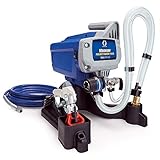
Okay, let’s clear the air, pun intended. When you think ‘spray gun,’ your mind probably goes to compressed air – the kind you need a big compressor and a decent regulator for, that atomizes paint into a fine mist. That’s an HVLP (High Volume, Low Pressure) or LVLP gun. Airless sprayers are a different beast entirely. They don’t use compressed air to atomize the paint. Instead, they use a pump to create extremely high pressure – think thousands of PSI. This high pressure forces the paint through a tiny nozzle, and it’s the sheer force and the design of that nozzle that breaks the paint stream into tiny droplets, creating a spray pattern.
This fundamental difference is why they feel so different to use. With HVLP, you’re constantly managing air pressure, fluid flow, and the distance to the surface.
Overspray is your constant companion, coating everything within a twenty-foot radius if you’re not careful. Airless guns, on the other hand, have much less overspray in the traditional sense. The paint is applied with more force, directed more precisely, and it tends to ‘stick’ better to the surface it’s aimed at.
It’s less like a gentle mist and more like a high-velocity fan of paint. This high pressure means you can often spray thicker materials without thinning them as much, which can be a massive time saver if you’re working with certain types of primers or even some single-stage paints.
I learned this the hard way when I first tried an airless on a classic truck I was restoring. I had a gallon of thick epoxy primer, and my HVLP gun was choking on it. I couldn’t get it thin enough to spray without running, but thinning it further felt like I was diluting the protection. That’s when I pulled out an old airless unit I’d bought for house painting years ago.
I figured, ‘what the heck?’ Hooked it up, set the pressure (which felt ridiculously high), and pointed it at a scrap panel. The sound was startling – a constant, high-pitched hiss. But the primer laid down thick and even, with surprisingly little bounce-back.
It wasn’t the mirror finish of a perfectly dialed-in HVLP, but for primer? It was incredibly efficient. It covered the metal in a thick, uniform coat in a fraction of the time.
This initial success, though messy and not quite ‘car show’ quality, planted the seed.
The pump mechanism is usually either a piston or a diaphragm. Piston pumps are common in higher-end, professional units, offering excellent durability and pressure consistency. Diaphragm pumps are often found in more affordable consumer models; they can be a bit less consistent over time but are generally simpler and easier to maintain. Whatever the mechanism, the goal is the same: get that paint moving at insane pressure through a small hole. (See Also: Can Craft Foam Be Spray Painted )
The Big Question: Are Airless Spray Guns Good for Automotive Painting?
So, back to the main event. Are they good for automotive painting? My honest, no-holds-barred answer is: for certain tasks, yes. For others, absolutely not. Let’s break down where they shine and where they fall flat on their face when it comes to cars, bikes, and all things vehicular. The key is understanding their strengths and weaknesses relative to what you’re trying to achieve. If you’re aiming for a concours-level show car finish with multiple layers of basecoat, clearcoat, and wet-sanding, an airless sprayer is probably going to make your life miserable and your paint job look like a bumpy road.
The atomization from an airless gun, while decent for many applications, just doesn’t typically get as fine as what you can achieve with a high-quality HVLP gun properly set up. This means a slightly coarser texture, potentially more orange peel, and a less glossy finish straight out of the gun. Trying to spray high-gloss automotive clearcoats with an airless is a recipe for disappointment if you expect that deep, wet look. You’ll likely end up with a finish that’s more matte or satin, and even then, it might require significant sanding and buffing to get it looking decent. This is where many people get frustrated and declare airless sprayers ‘bad’ for cars, but they’re using the wrong tool for the job.
However, where airless guns excel is in speed and efficiency for covering large areas or applying thicker materials. Think about priming a whole car body. Epoxy primers, high-build primers, even some single-stage paints can be applied much faster and with less thinning using an airless. This can save hours of your time.
The reduced overspray also means less masking, which is another huge time and material saver. I’ve used them on truck beds, frames, undercarriages, and even on older farm equipment where a perfect finish isn’t the top priority, but durability and quick coverage are. For these jobs, an airless sprayer is a godsend. I once sprayed an entire rusty chassis on a ’70s pickup in a single afternoon with a tough industrial enamel.
With an HVLP, that would have taken me two days of fussing with thinners and filters.
My contrarian opinion here? Most DIYers trying to paint a whole car at home are obsessing over achieving a factory-perfect, multi-stage paint job with basic equipment. They’d be far better served using an airless for primer and maybe a durable single-stage paint, then learning basic wetsanding and buffing techniques. You can get a very respectable, durable finish that way without the astronomical cost and complexity of professional spray equipment and booths. The common advice is always ‘use HVLP for cars,’ but that’s often coming from people painting show cars or doing it for a living. For the average Joe working in his garage, airless has its place.
| Application | Airless Suitability | Verdict |
|---|---|---|
| Priming (Epoxy, High-Build) | Excellent | Fast, thick coats, less thinning needed. Saves massive time. |
| Single-Stage Paint (Durable finishes) | Good | Can work well for tough enamels or urethanes where gloss isn’t most important. Less masking. |
| Basecoat/Clearcoat (Show Car Finish) | Poor | Atomization typically not fine enough for mirror-like gloss. Risk of texture issues. |
| Frames, Chassis, Truck Beds | Excellent | Durability and speed are key. Less concern about perfect gloss. |
| Motorcycle Fairings, Smaller Parts | Fair | Can be tricky due to size and need for finer finish. HVLP often better. |
Choosing the Right Airless Sprayer for Automotive Tasks
If you’ve decided that an airless sprayer might be the right tool for your automotive project, especially for tasks like priming or applying tough coatings, you can’t just grab any old house painter. You need to be a bit more discerning. The biggest factor is the pressure and flow rate. For automotive applications, you’ll want a sprayer capable of delivering at least 2000-3000 PSI. Cheaper units designed for latex house paint often top out lower and may struggle with automotive paints, which can be thicker or require higher pressures for proper atomization, even with airless.
Look at the GPM (gallons per minute) rating. A higher GPM means the sprayer can deliver more paint faster, which translates to quicker coverage. For automotive work, something in the 0.4 to 0.8 GPM range is usually a good balance of speed and control. Too high a GPM can be overwhelming on smaller panels or detailed areas, leading to runs and sags. Too low, and you’re back to taking forever.
The nozzle tip is another important component. Airless nozzles are sized by the ‘tip size,’ which is usually expressed as a three-digit number (e.g., 517). The first digit is half the fan width in inches when spraying at 10 inches away (so a 5 means a 10-inch fan). The last two digits represent the orifice size in thousandths of an inch (so 17 means a 0.017-inch orifice).
For automotive primers and some single-stage paints, tips in the 0.015 to 0.021-inch range are common. You’ll need to consult your paint manufacturer’s recommendations, as they often specify recommended tip sizes for airless application. Using a tip that’s too small will lead to spitting and poor flow; too large, and you’ll get uneven coverage and potentially runs. (See Also: Can Aluminum Be Spray Painted )
Consider the type of pump: piston pumps are generally more durable and offer more consistent pressure, making them a better choice for frequent or demanding use. Diaphragm pumps are often found in more affordable units and can be a good entry point, but they might not last as long under heavy automotive paint loads. For a serious DIYer or a small shop, investing in a quality piston pump unit from a reputable brand like Graco or Wagner (their professional lines, not the basic home models) will pay off in reliability and performance. I’ve seen cheap sprayers give up the ghost mid-job, and that’s a special kind of frustration you don’t want.
What About the Hose?
Don’t skimp on the hose. High-pressure hoses are key. Automotive paints and primers often require higher pressures than standard house paints, so a hose rated for at least 3000 PSI is recommended. Longer hoses can be convenient, but they also introduce more resistance, which can slightly reduce pressure at the tip. Aim for a balance that allows you to comfortably reach all areas of the vehicle without straining.
Common Mistakes When Using Airless for Cars
This is where I’ve made most of my own mistakes, and I’ve seen others do the same. The biggest pitfall is trying to achieve a show-car gloss finish with an airless sprayer and then blaming the tool when it doesn’t happen. As we’ve discussed, the atomization simply isn’t as fine as with HVLP for that super-smooth, high-gloss look. People see the speed and efficiency and think it’s a shortcut to perfection, and it’s not. They end up with a finish that’s too textured, too matte, or just plain uneven, then they have to sand and buff excessively or strip it and start over.
Another common mistake is not understanding or respecting the pressure. These things operate at thousands of PSI. A breach in a hose or a faulty connection can be incredibly dangerous, spraying paint with enough force to penetrate skin. Always check your equipment for wear and tear, and never point a live sprayer at yourself or anyone else. Make sure all connections are tight and that the hose is rated for the pressures you’re using. I once had a cheap clamp on a fitting loosen up, and the spray of thick primer was startlingly violent. Thankfully, no one was hurt, but it was a wake-up call.
Not thinning the paint properly is also a big one. While airless sprayers can handle thicker materials, there’s still a limit. Most automotive paints, especially modern urethanes and basecoat/clearcoat systems, still require some thinning for optimal flow and atomization, even with an airless. If you’re not getting a smooth pattern, or if the spray is spitting, you might need to add a bit more thinner, even if the paint manufacturer says it can be sprayed unthinned. The nozzle size also plays a role here; a larger orifice can handle slightly thicker material.
Finally, many people underestimate the amount of masking required, even with less overspray. While it’s true that airless sprayers produce less airborne mist, the paint is still being propelled forward with significant force. You’ll still get bounce-back and drift, especially if you’re spraying at an angle or in windy conditions. Proper masking of windows, trim, wheels, and anything else you don’t want painted is still absolutely important. I learned this the hard way on a motorcycle project where I thought I could get away with minimal masking on the frame. I ended up with faint speckles of black paint all over my shiny new red wheels. It’s a pain, but it’s a necessary evil.
Common Mistakes Summary
- Expecting show-car gloss directly from the gun.
- Ignoring safety precautions due to high pressure.
- Not thinning paint appropriately or using the wrong tip size.
- Underestimating the need for thorough masking.
Real-World Use Cases and Tips for Airless Automotive Painting
So, where do airless sprayers actually shine in the automotive world, and how can you get the most out of them? Priming is the absolute sweet spot. Whether you’re using a 2K epoxy primer to seal bare metal, a high-build urethane primer to fill imperfections, or even some of the older, thicker primers, an airless gun will lay it down fast and thick.
This coverage means you can get your vehicle prepped and ready for its topcoat much quicker. For a project car that’s seen better days, getting a solid, durable primer coat on it quickly is a huge win.
I’ve used them on classic car frames after sandblasting, and the thick, protective layer of epoxy primer went on like butter, sealing away any residual rust and providing a great base for whatever comes next. The sound of the paint hitting the metal, a solid thwack rather than a misty hiss, told me it was covering well.
Another great application is for tough, durable finishes where absolute perfection isn’t the goal. Think about painting the underside of a truck, a utility trailer, a race car chassis, or even the bedliner of a pickup. These areas often benefit more from a hard-wearing, easily applied coating than a mirror finish. Tough industrial enamels, some UTV coatings, or even certain types of chassis paint can be applied with an airless gun efficiently and effectively. (See Also: Can Bug Spray Damage Car Paint )
These coatings are often designed to be thick and durable, and airless sprayers are built to handle them. I painted my old work van’s rear cargo area with a tough polyurethane coating using an airless, and it’s held up to years of abuse. It wasn’t showroom perfect, but it looked professional and protected the metal perfectly.
For smaller parts or more intricate work, like motorcycle fairings or specific trim pieces, an airless might be overkill or too difficult to control. You’d likely be better off with a good quality HVLP gun. However, if you’re dedicated, you can use an airless on smaller items by using a smaller tip size and a very steady hand, but it’s often more challenging. For the general automotive hobbyist looking to paint a whole vehicle, focusing on the primer stages and perhaps a durable single-stage topcoat is where the airless really proves its worth. You can get a clean, professional-looking job done in less time and with less fuss than many people imagine, provided you set your expectations correctly.
Practical Airless Tips
- Test Pattern: Always spray a test pattern on cardboard before spraying your project. Adjust pressure and distance until you get a smooth, even fan.
- Cleanliness is Key: Airless sprayers have very fine passages. Thorough cleaning immediately after use is a must to prevent clogs.
- Material Compatibility: Always check your paint manufacturer’s recommendations for airless sprayers and tip sizes.
- Pressure Control: Start with a lower pressure and gradually increase until you achieve a good spray pattern without spitting.
- Steady Motion: Maintain a consistent distance and speed when moving the gun across the surface to avoid runs and uneven coverage.
Faq: Are Airless Spray Guns Good for Automotive Painting?
Can an Airless Spray Gun Achieve a Mirror-Like Finish on a Car?
Generally, no. While airless sprayers can lay down paint smoothly, their atomization typically isn’t as fine as what high-quality HVLP guns can produce. This means you’re more likely to get a slightly coarser texture and orange peel, which requires significant sanding and buffing to achieve a true mirror finish. For show car quality, HVLP is usually preferred.
What Automotive Tasks Are Airless Sprayers Best Suited for?
They excel at applying primers (epoxy, high-build), durable single-stage paints, and protective coatings on areas like frames, chassis, and truck beds. Their speed and ability to handle thicker materials make them ideal for these jobs where rapid, solid coverage is more important than ultra-fine gloss.
Is an Airless Sprayer Easier to Use Than an Hvlp for Automotive Painting?
For certain tasks, yes. They have less overspray and often require less thinning of materials, which simplifies the process. However, controlling the high pressure and achieving a fine finish can have its own learning curve. If you’re painting a whole car, the setup and cleanup might be simpler than a large HVLP setup, but the final finish quality for high-gloss clearcoats will be inferior.
Do I Need a Special Airless Sprayer for Automotive Paint?
While you can use some higher-end home airless sprayers, it’s recommended to use a unit designed for more demanding applications. Look for sprayers with higher pressure ratings (2000-3000+ PSI), adequate GPM, and the ability to handle various paint viscosities. Consulting your paint manufacturer’s recommendations for specific tip sizes and pressure settings is also important.
Final Verdict
So, to wrap it up, are airless spray guns good for automotive painting? Yes, but with significant caveats. They are fantastic for primers, tough coatings, and applications where speed and durability outweigh the need for a perfect, show-car gloss. Trying to spray a high-end basecoat/clearcoat system with an airless and expecting a mirror finish is a fool’s errand, and you’ll likely end up frustrated.
However, for the DIY restorer or the person tackling a utility vehicle, an airless sprayer can be a real workhorse. It can save you time, reduce masking, and apply protective coatings efficiently. Just remember to temper your expectations, choose the right tip size and pressure, and always prioritize safety. Don’t be afraid to experiment on scrap metal first to dial in your technique.
Ultimately, the question isn’t just ‘are airless spray guns good for automotive painting,’ but ‘are airless spray guns good for your specific automotive painting project?’ Knowing the tool’s limitations and strengths is the key to a successful outcome. Think about what you’re trying to achieve before you buy.