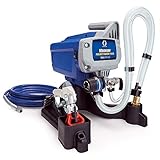
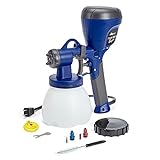
I remember staring at that can of a 4103 63971 spray paint, feeling a mix of hope and suspicion. Online reviews were all over the place – some people swore it was a miracle worker, others said it was a complete waste of time and money. I’d been burned before by fancy spray paints that promised the moon but delivered a patchy, dull finish. So, I decided to put this one to the test myself. After all, sometimes you just gotta see for yourself, right? Especially when you’re dealing with a specific item like this.
First Impressions and That Initial Coat
Alright, let’s get down to brass tacks. When you first pick up a can of a 4103 63971 spray paint, what hits you?
For me, it’s usually the weight and the feel of the can. This one felt… standard. No fancy ergonomic grip, no weirdly light or heavy sensation. Just a regular spray paint can.
The nozzle seemed okay, not too wide, not too narrow. I’d picked up a can in a semi-gloss black, hoping for something versatile. My first project was an old, scratched up metal garden bench that had seen better days.
I skipped any fancy prep beyond a quick wipe-down with a damp cloth, figuring if this stuff was as good as some claimed, it should handle minor imperfections.
The spray pattern itself was… decent. It wasn’t a perfect, even mist like some of the premium brands, but it wasn’t spattery either. I held it about 10 inches away, as the can vaguely suggested, and started moving in slow, sweeping motions. The first pass laid down a surprisingly opaque coat.
I was genuinely a bit shocked. Usually, the first coat of any spray paint looks a little thin, like it’s just teasing the surface. This one had some real body to it. I went back and forth, layering it on.
The coverage was pretty good; I didn’t have to go over spots multiple times to get decent color. The smell, well, it’s spray paint. It’s not pleasant, but it wasn’t overpowering either. I had my windows open and a fan going, so that probably helped.
I let it dry for about 15 minutes, as recommended, and then applied a second coat. The second coat really smoothed things out, filling in any minor inconsistencies from the first pass. The semi-gloss finish was starting to look… well, semi-glossy.
Not mind-blowing, but definitely an improvement.
One thing I noticed, and this is a bit of a pet peeve of mine, is how some spray paints just seem to clog up halfway through. This one didn’t.
The flow remained consistent from start to finish. I managed to cover the entire garden bench, which is a decent surface area, and still had a good amount of paint left in the can. This is where a lot of cheaper paints fall apart – you run out when you’re only halfway done, forcing you to buy a second can and hope the color match is perfect.
So, bonus points for that. I did notice a few tiny drips on a vertical surface where I might have sprayed a bit too close or too long, but nothing that a quick, light sand and another pass wouldn’t fix.
That’s pretty standard for any spray paint, really. It’s not magic, it’s chemistry and application. (See Also: A 5748l Spray Paint )
Common Pitfalls and How to Dodge Them
Look, I’ve seen people absolutely butcher projects with spray paint. It’s not rocket science, but there are definitely ways to screw it up royally. The biggest mistake I see, hands down, is not prepping the surface properly. People just grab the can and start spraying over rust, grease, or dirt.
You wouldn’t paint a wall without cleaning it first, so why do it with a spray can? For a project like the garden bench, I did a quick wipe-down, but if I were painting something more valuable or something that needed to last outdoors through harsh weather, I’d be going further. Sanding to create a good adhesion surface, a primer for tricky materials like plastic or metal, and a good degreaser are your friends. Skipping these steps is a fast track to peeling paint and wasted effort.
I learned this the hard way on a set of old patio chairs years ago. Thought I was being efficient by skipping primer on some wrought iron. Within six months, rust was blooming through the paint like a bad rash. Never again.
Another common blunder is the spray technique itself. People either spray too close, leaving drips and thick, uneven patches, or too far, resulting in a dusty, overspray-heavy finish that looks like it was applied with a salt shaker. The rule of thumb – about 10-12 inches away – is there for a reason.
And it’s not just about distance; it’s about the movement. You need to move your arm in a steady, consistent sweep, overlapping each pass by about 50%. Don’t just stand in one spot and blast away. Think of it like laying down thin, even coats.
Multiple thin coats are always better than one thick, runny one. I’ve had to repaint entire pieces because of a single, massive drip that ruined the whole look. It’s infuriating when you know it’s your own fault.
Temperature and humidity are also huge factors that people often ignore. Spraying in direct sunlight, high humidity, or freezing temperatures can wreck your finish.
Too hot, and the paint can dry too fast, leading to a rough texture. Too cold, and it might not adhere properly. High humidity can cause the paint to dry with a cloudy or dull finish. It’s best to spray in a well-ventilated area, out of direct sun, and when the temperature is moderate – think between 60-80°F (15-27°C).
Seriously, check the weather. It takes an extra minute and can save you hours of frustration.
I once tried to spray paint a small shelf on a surprisingly humid day in early spring. The finish came out grainy and dull, and no amount of clear coat could fix it. Had to strip it down and start over.
lesson learned.
Putting a 4103 63971 Spray Paint Through Its Paces
So, how does the a 4103 63971 spray paint actually hold up in real-world use? After the initial bench project, I decided to try it on a few other things. I used it on some cheap plastic picture frames that I wanted to update. Plastic can be tricky, as paint often doesn’t stick well.
I did a light sanding and used a plastic-specific primer, which is a must for me on those projects. The spray paint adhered well to the primed plastic, and the finish was smooth and uniform. No peeling or flaking after a few weeks of sitting on a shelf. (See Also: Can Appliances Be Spray Painted )
That’s a good sign. It gave those old frames a new lease on life without costing me a fortune.
Next up was a wooden birdhouse. This was a more exposed project, subject to the elements. I gave the wood a light sanding and applied a couple of coats of the a 4103 63971 spray paint.
The wood grain was still slightly visible, which I actually liked – it didn’t look overly plasticky. After a few months of rain and sun, the paint is holding up remarkably well. No significant fading or chipping.
This is where you really see the difference between a decent spray paint and one that’s just… okay. For something exposed to the outdoors, durability is key. I’ve had other paints start to chalk or peel after just a few weeks in the elements.
This one seems to have a bit more grit.
Here’s where I tested its ‘quick dry’ claims. I needed to touch up a metal railing on my porch.
It was a small section, and I didn’t want to leave it bare for too long. The can claimed ‘dry to touch in 15 minutes’. I timed it. Sure enough, about 15 minutes later, I could lightly brush my finger over it without picking up any paint.
It wasn’t fully cured, of course – you still need to wait hours for that – but for a quick touch-up, it was genuinely usable that fast. This is a big deal if you’re doing quick repairs or projects where you can’t afford a long downtime. It beats waiting an hour or more just for it to be dry enough to handle without smudging.
| Project | Surface | Prep | Coats | Verdict |
|---|---|---|---|---|
| Garden Bench | Metal | Wipe down | 2 | Good coverage, decent finish. Holds up well so far. |
| Picture Frames | Plastic | Sanding + Primer | 2 | Adhered well to primed surface, smooth finish. |
| Birdhouse | Wood | Sanding | 2 | Durable against elements, slight wood grain visible. |
| Railing Touch-up | Metal | Cleaned spot | 1 | Fast drying, good for quick fixes. |
Contrarian Take: It’s Not About the Can, It’s About the Application
Now, here’s where I’m going to go against the grain a bit. Everyone talks about the ‘best’ spray paint brands, and sometimes the names that come up are ridiculously expensive. They boast about special formulas and aerospace-grade polymers. Frankly, most of that is marketing fluff.
I’ve spent a fortune on those ‘premium’ cans and honestly, I can’t always tell the difference in the final result compared to a solid mid-range option like the a 4103 63971 spray paint, if you use it correctly. The real secret sauce isn’t in the can; it’s in your hands and your prep work.
If you take the time to prep your surface properly – cleaning, sanding, priming if necessary – and you learn to apply the paint with a good technique – steady sweeps, proper distance, multiple thin coats – then even a ‘basic’ spray paint can look fantastic.
I’ve seen people use top-tier, $20-a-can spray paint and make an absolute mess of it because they rushed the prep or didn’t understand how to spray. Conversely, I’ve seen friends of mine achieve professional-looking results with cans that cost less than half that, simply because they were meticulous about every single step. It’s like cooking. You can have the fanciest ingredients, but if you don’t know how to cook, you’ll ruin the meal. A good chef can make something delicious with simple, quality ingredients. This spray paint falls into that category for me. It’s a tool. A capable tool, yes, but a tool nonetheless. You have to know how to use it.
So, while some might dismiss a 4103 63971 spray paint as ‘just another can,’ I argue that its performance is largely dependent on the user. It’s not trying to be some revolutionary new formula; it’s just trying to do a job, and it does it reasonably well when you treat it with respect. The common advice is always about finding the ‘best’ product, but I think the better advice is to become the best user of whatever product you have. That’s where the real savings and the real quality come from. Don’t just blame the paint if it doesn’t turn out perfectly; look in the mirror. (Okay, maybe not literally, but you get my drift.) (See Also: Can Am Red Spray Paint )
Real-World Costs and Value Proposition
Let’s talk money. Because honestly, who wants to spend more than they have to? When I bought the can of a 4103 63971 spray paint, I think I paid around $7.50. That’s a pretty standard price for a decent can of spray paint from a hardware store or a general retailer. Compare that to some of the specialty brands that can easily run $15-$25 a can, and you see the immediate cost savings. For the garden bench project, one can was more than enough. If I had opted for a premium brand, I’d have likely paid double for a similar amount of coverage, and I’m not convinced the finish would have been noticeably better, given my application technique.
Consider a larger project. If you were painting, say, an entire metal patio set – maybe four chairs and a table – you might need 3-4 cans of regular spray paint. At $7.50 a can, that’s $22.50 to $30. If you were using those high-end brands, you could easily be looking at $60-$100 for the same job. That’s a significant difference. For the average DIYer, or even for someone who just wants to refresh a few items around the house, those savings add up quickly. It allows you to tackle more projects or simply keep more money in your pocket. This is where the value proposition of a product like this really shines.
Now, I’m not saying you should always go for the cheapest option. There are definitely times when a specialized product is worth the extra cost. For example, if you need a specific type of heat-resistant paint for an engine part, or a truly industrial-grade coating for heavy-duty machinery, then you need to buy the product designed for that job. But for general-purpose painting – furniture, decor, minor touch-ups, crafts – a solid, mid-range paint like this often provides all the performance you need without the inflated price tag. The key is to understand what you’re painting and what level of performance you actually require. Don’t overbuy for a simple job.
The 4103 63971 Spray Paint: Is It Worth Your Time?
So, after all this, is the a 4103 63971 spray paint a winner? For me, it falls into the ‘solid performer’ category. It’s not going to win any awards for new innovation, but it does what it promises to do. The coverage is good, the finish is decent, it dries reasonably quickly, and it holds up better than I initially expected, especially on projects that aren’t subjected to extreme abuse. My initial skepticism has definitely been replaced with a pragmatic appreciation for its value. It’s the kind of paint you can grab when you need to get a job done without breaking the bank or overthinking it.
If you’re expecting a flawless, factory-perfect finish with zero effort, then no spray paint is going to deliver that for you. You need to put in the work. But if you’re willing to do the prep, learn the technique, and apply it carefully, this paint is more than capable of giving you excellent results. It’s a workhorse, not a show pony. It gets the job done reliably and affordably. I’ve certainly wasted more money on ‘fancy’ cans that performed worse. So, yes, I’d say for many common applications, it’s definitely worth your time and your money.
Can I Use a 4103 63971 Spray Paint on Fabric?
Generally, no. Most standard spray paints, including the a 4103 63971, are formulated for hard surfaces like metal, wood, plastic, and plaster. They are not designed to penetrate or flex with fabric and will likely result in a stiff, cracked, or uneven finish. For fabric projects, you’ll want to look for paints specifically labeled as fabric paint or spray paint for textiles.
How Many Coats of a 4103 63971 Spray Paint Should I Apply?
For most projects, two thin, even coats are sufficient. This provides good coverage without being too thick, which can lead to drips and a less durable finish. Always allow adequate drying time between coats as recommended on the can, typically 15-30 minutes for dry to touch. You might need a third coat for very porous surfaces or if you’re trying to achieve complete opacity over a drastically different color.
Is a 4103 63971 Spray Paint Durable for Outdoor Furniture?
Yes, with proper preparation, the a 4103 63971 spray paint can be durable enough for outdoor furniture. Make sure the surface is clean, dry, and lightly sanded for adhesion. Applying a clear coat sealant specifically designed for outdoor use after the paint has fully cured will significantly enhance its durability against UV rays, moisture, and temperature fluctuations.
What Is the Best Way to Store a 4103 63971 Spray Paint Can?
Store the can upside down in a cool, dry place, away from direct sunlight and heat sources. After use, invert the can and spray for a few seconds until only clear propellant comes out. This clears the nozzle and prevents it from clogging, making sure the paint is ready for your next use. Avoid storing in freezing temperatures, as this can damage the paint.
Verdict
Look, spray paint is a tool, and like any tool, its effectiveness depends on the user. The a 4103 63971 spray paint isn’t some miracle product that will paint your entire house with a single pass. But it’s a solid, affordable option that delivers a decent finish when you put in the work.
My advice? Don’t chase the most expensive can on the shelf expecting magic. Instead, focus on your prep work. Clean it, sand it, prime it if you need to. Then, practice your spray technique. Steady hands, consistent distance, and thin coats will get you further than any fancy marketing slogan ever will.
So, if you’ve got a project that needs a fresh coat and you’re looking for something that won’t break the bank but will still get the job done, give a 4103 63971 spray paint a shot. Just remember to treat it right, and it’ll likely surprise you.