I remember the first time I tried to spray paint a bookshelf. It looked like a Jackson Pollock disaster, only less artistic and more like a toddler had gotten hold of a fire extinguisher filled with rust-colored paint. Years and a lot of wasted money later, I’ve learned a thing or two about what actually works, what’s pure marketing hype, and, importantly, if folks who actually use these things are seeing work. So, the question you’re probably asking is: are spray painters in demand? Let’s cut through the noise and get to the honest truth.
It’s not as simple as a yes or no. The demand for spray painters isn’t just about the tool itself; it’s about the skills of the person wielding it and the specific jobs they’re targeting. We’re going to break down what that really means for anyone looking to buy one or even get into the trade.
The Real Deal: Who Actually Uses Spray Painters and Why?
Forget the glossy ads showing perfect, unblemished finishes on brand-new furniture. The reality of spray painting, whether it’s with a high-end professional unit or a budget-friendly home model, is a bit more nuanced. For the everyday DIYer, a spray painter can be a godsend for projects like refreshing kitchen cabinets, painting fences, or even giving an old car a new lease on life – provided you manage your expectations.
I’ve personally used a few different models over the years. My first was a cheap, electric one that sounded like a dying vacuum cleaner.
It was okay for a small fence, but the overspray was insane, and the finish was streaky. It made me think spray painting was just a messy, overrated way to paint.
Then I splurged on a mid-range unit, and that changed my tune. It handled a set of interior doors much better, giving a smooth, consistent coat that rolling just couldn’t match. The key takeaway here is that the demand for these tools, from a consumer standpoint, is often driven by the desire for a professional-looking finish with less manual labor. People want to achieve that factory-quality look on their home projects without spending days meticulously brushing and rolling. The popularity surges when home renovation shows or social media influencers highlight the major power of a good spray finish on cabinets or furniture. It’s the promise of a quick, effective upgrade that really fuels consumer interest.
However, for professional painters, the demand is less about the ‘wow’ factor and more about efficiency and job completion. A seasoned pro using a high-volume, low-pressure (HVLP) or airless sprayer can cover a large wall or an entire house in a fraction of the time it would take with traditional methods.
This directly translates to more jobs completed, and thus, more income. The type of work also matters.
Commercial painting, large residential repaints, and specialized finishes like automotive or industrial coatings are where professional spray painters are consistently in demand. They’re not just painting walls; they’re applying specific protective coatings or achieving intricate designs.
The skill set required is higher, and the equipment investment is significant, but the return is substantial. So, when we talk about whether are spray painters in demand, we have to differentiate between the hobbyist looking for a DIY boost and the professional seeking a career tool.
One of my biggest mistakes early on was thinking I could just buy a sprayer and immediately get pro results. I didn’t factor in prep time, masking, thinning the paint correctly, or understanding the different nozzle sizes. My first attempt at cabinet spraying looked like I’d attacked them with a can of spray paint, but worse. It took a few more tries, a lot of watching YouTube tutorials from actual painters, and a healthier respect for the process before I started getting decent results. It’s not just about the machine; it’s about the whole workflow.
What to Look for When Buying: Beyond the Price Tag
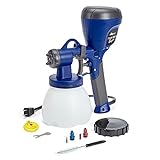
Walking into a paint store or browsing online for a spray painter can be overwhelming. You’ve got everything from wands that look like they belong in a sci-fi movie to smaller, handheld units. The price tags can range from under $100 to well over $1,000, and it’s easy to get lost in the jargon. Let’s be blunt: if you’re a casual DIYer looking to paint a birdhouse or maybe a small accent wall, you probably don’t need the industrial beast. A decent handheld sprayer, often called a ‘paint sprayer’ or ‘electric paint sprayer,’ will likely suffice. These are typically turbine-driven and good for latex paints, stains, and lacquers. They’re convenient, relatively easy to clean, and don’t require a compressor.
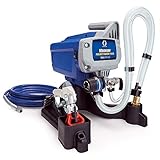
However, if you’re planning on tackling larger projects like entire rooms, furniture, or exterior siding, you’ll want to look at airless sprayers or HVLP systems. Airless sprayers are the workhorses for many professionals. They use a pump to force paint through a small tip at high pressure, atomizing it into a fine mist.
They’re fast and can handle thicker paints, but they also produce more overspray, meaning you need serious masking. HVLP sprayers, on the other hand, use a large volume of air at low pressure.
This results in less overspray and a more controlled application, making them ideal for fine finishes on furniture, cabinets, or car parts. The trade-off is that they often require a separate air compressor, which adds to the cost and complexity. (See Also: Can Craft Foam Be Spray Painted )
When you’re comparing models, pay attention to the maximum tip size for airless sprayers, as this dictates the type and viscosity of paint it can handle. For HVLP, look at the CFM (Cubic Feet per Minute) rating of the compressor it needs, as this tells you about its power. Also, consider the cleaning process. Some sprayers are notoriously difficult to clean, which can be a major deterrent to using them. A simple, quick cleaning routine is worth its weight in gold. I learned this the hard way after spending an hour trying to flush out a clogged sprayer, convinced I’d never use it again. Look for models with easily removable parts and straightforward cleaning instructions.
Here’s a quick rundown of what I’d prioritize, depending on your needs:
| Application | Recommended Type | Key Features to Watch For | Opinion/Verdict |
|---|---|---|---|
| Small DIY projects (furniture, craft items) | Handheld Electric Sprayer | Adjustable flow rate, easy cleaning, multiple nozzle options | Good for beginners, low investment, great for small jobs. |
| Cabinets, doors, interior walls | HVLP Sprayer (with compressor) | Good air volume, fine atomization, comfortable gun handle | Excellent for smooth finishes, but requires a compressor. |
| Large interior/exterior walls, decks | Airless Sprayer | High GPM (Gallons Per Minute) rating, durable pump, multiple tip options | Fastest for large areas, but significant overspray and prep needed. |
Don’t just buy the cheapest option you find. Read reviews, watch comparison videos, and if possible, try to get your hands on one. A tool that’s frustrating to use will end up gathering dust, no matter how good the theoretical results are. The true demand for these devices is met when they actually get used, and ease of use is a huge factor.
Common Mistakes That Will Make You Hate Spray Painting
Oh, the mistakes. I’ve made a truckload. It’s like a rite of passage for anyone picking up a spray painter for the first time.
The most common one, and the one that really sends people spiraling into frustration, is insufficient preparation. You see those perfect finishes online? They’re often preceded by hours of masking. Masking tape, plastic sheeting, drop cloths – you need to protect everything that isn’t getting painted.
Overspray travels. It finds its way into every nook and cranny, settling on floors, windows, and furniture you thought were safely tucked away. I once painted a closet door in my garage and ended up with a fine mist on my car parked outside.
Embarrassing, and a costly lesson in meticulous masking.
Another classic blunder is not thinning the paint correctly, or at all. Many thicker paints, especially latex or enamel, need to be thinned to the right consistency for the sprayer to atomize them properly.
If the paint is too thick, you’ll get sputtering, uneven coats, and potentially clog the sprayer. If it’s too thin, it’ll run and drip. Each sprayer and paint type has its recommended thinning ratio, and ignoring it is a recipe for disaster.
I learned this on a set of exterior shutters; they looked terrible, a patchy mess of drips and dry spots, because I was too impatient to dilute the paint. It took me sanding them down and starting over, this time following the instructions to the letter.
People also tend to rush the process. Spray painting isn’t a race. You need to apply thin, even coats, allowing each one to dry slightly before applying the next.
Trying to lay down one thick coat to “get it done” will inevitably lead to runs and drips, which are a pain to fix. Patience is key.
Think of it as building up the finish layer by layer. Furthermore, improper gun technique is a huge factor. Holding the spray gun too close or too far from the surface, moving too fast or too slow, or not maintaining a consistent distance will all result in an uneven finish.
The goal is to move the gun in a smooth, consistent arc, overlapping each pass by about 50%. (See Also: Can Aluminum Be Spray Painted )
Finally, inadequate cleaning is a death sentence for your spray painter. If you don’t clean it thoroughly immediately after use, paint will dry in the lines, clogs will form, and the sprayer will become a useless hunk of plastic and metal. This is arguably the most important step for longevity and performance. A clogged sprayer means wasted time, wasted money on repairs, and a major headache. So, to recap the big no-nos:
- Insufficient masking and surface prep.
- Ignoring paint thinning requirements.
- Applying paint too thickly or too quickly.
- Poor gun technique (distance, speed, angle).
- Neglecting immediate and thorough cleaning.
Avoiding these pitfalls will dramatically increase your chances of success and actually make you enjoy using the tool, which is probably why you’re even considering if are spray painters in demand in the first place.
How Does a Spray Painter Actually Work? (the Simple Version)
At its core, a spray painter is about turning liquid paint into a fine mist that can be applied evenly over a surface. There are a few main types, and they achieve this with different mechanics, but the end goal is the same: atomization. Let’s break down the two most common types you’ll encounter for home use and professional applications.
First up are the Handheld Electric Paint Sprayers. These are often what people think of for DIY projects. They usually have a small motor that drives a turbine or a piston. In turbine models, the motor spins a fan very fast, creating a high volume of air that’s directed through a nozzle. As this air hits the paint, it breaks it into tiny droplets. Think of it like blowing really hard through a straw into a cup of water – you get a spray. These are generally good for thinner paints like stains, lacquers, and some water-based paints. They’re portable and don’t need external air, making them super convenient.
Next, we have HVLP (High Volume, Low Pressure) Sprayers. These are a step up in performance and control. They also use a turbine to generate a high volume of air, but it’s at a much lower pressure compared to traditional air compressors. This low-pressure, high-volume airflow is important. It atomizes the paint efficiently while minimizing overspray. This is why they’re loved for furniture, cabinets, and even automotive work where a smooth, precise finish is most important. Most HVLP systems consist of a turbine unit and a spray gun, and you connect the gun to the turbine with a hose. They offer excellent control and a beautiful finish, but they can be bulkier than handheld units.
The third, and arguably most prevalent for large-scale professional work, is the Airless Sprayer. This is where the name gives it away: there’s no air involved in the atomization process itself. Instead, an electric or gas-powered pump creates extremely high pressure inside the sprayer.
This pressurized paint is forced through a tiny opening called a spray tip. As the paint exits this tiny hole at high velocity, it rapidly expands and breaks apart into a fine mist.
It’s like squeezing water through a pinhole – it sprays out. Airless sprayers are incredibly fast and can handle a wide range of paint thicknesses, from thin stains to thick exterior coatings. Because they don’t rely on air for atomization, they can spray much further and faster, making them ideal for painting entire houses, large decks, or industrial structures.
However, the high pressure means more overspray, so masking becomes even more important.
Understanding these basic principles helps you choose the right tool for the job. If you’re doing delicate trim work, an HVLP might be your best bet. If you need to paint a whole house exterior quickly, an airless sprayer is the way to go. And for smaller, quick touch-ups, a handheld electric unit can be a lifesaver. It’s not magic; it’s just mechanics applied to paint.
Are Spray Painters in Demand? The Market Realities
So, are spray painters in demand? The short answer is: yes, but it’s nuanced and depends heavily on who you’re asking and what they’re trying to do. For the professional painting industry, particularly in sectors like residential repainting, new construction finishing, and commercial applications, high-quality sprayers are not just in demand; they’re indispensable tools. A professional painter who can efficiently and effectively use a spray painter can complete jobs faster, take on more projects, and offer a higher quality finish than someone relying solely on brushes and rollers.
This efficiency is directly tied to profitability, making investment in good spraying equipment a no-brainer for serious contractors. The demand here is constant because buildings always need painting, and speed and quality are always valued.
The market for professional spray equipment is solid. Manufacturers are constantly innovating, offering lighter, more powerful, and more user-friendly machines. Brands like Graco, Wagner (for professional lines), and Titan are well-known in the trade for their durability and performance. The demand isn’t just for the sprayers themselves but also for the accessories – tips, hoses, filters, and cleaning solutions. This ecosystem supports a healthy market for professionals who rely on these tools daily. If you’re looking to enter the painting trade, having spray painting skills is a significant advantage.
On the consumer side, the demand is also present, but it fluctuates more. As I mentioned earlier, DIY trends, home improvement shows, and social media play a huge role. When a particular project, like kitchen cabinet refacing, becomes popular online, there’s a spike in demand for consumer-grade spray painters. People see the dramatic before-and-after results and want to replicate them in their own homes. This creates a strong market for more affordable, user-friendly electric and HVLP sprayers. However, this demand is often project-specific. Once the project is done, the sprayer might sit in the garage for years. This means the demand is less about a steady career path and more about occasional bursts of enthusiasm for home upgrades. (See Also: Can Bug Spray Damage Car Paint )
I’ve seen friends buy sprayers for a single project, get frustrated with the cleanup or overspray, and then try to sell them secondhand for half of what they paid. This indicates that while the initial demand is there, sustained use and satisfaction depend heavily on understanding the tool and the process. The truly in-demand aspect for spray painters often comes down to skill. A person who knows how to prep, spray, and clean effectively is far more valuable than someone who just owns a sprayer.
This is why professional painters with this skill set are consistently sought after. For DIYers, the demand is more for the idea of a quick, perfect finish, and whether that demand is truly met depends on managing expectations and putting in the effort.
What Is the Difference Between Hvlp and Airless Sprayers?
HVLP (High Volume, Low Pressure) sprayers use a turbine to deliver a large volume of air at low pressure, creating a fine atomization with minimal overspray, ideal for detailed work like furniture or cabinets. Airless sprayers, on the other hand, use a pump to force paint through a tiny tip at very high pressure, atomizing it without air, which is much faster for large surfaces like walls but produces more overspray.
Can You Spray Latex Paint with a Handheld Sprayer?
Yes, many handheld electric paint sprayers can handle latex paint, but it often requires thinning the paint significantly to the correct viscosity. It’s important to check the manufacturer’s recommendations for your specific sprayer and paint type, as thicker latex paints can clog less powerful units or lead to poor finishes. Using the right nozzle size and applying multiple thin coats is also key for success with latex.
How Much Overspray Can You Expect From an Airless Sprayer?
Airless sprayers produce a significant amount of overspray due to the high pressure used. While the paint particles are fine, the volume of air and paint being expelled means overspray can travel quite a distance. Proper masking of surrounding areas, using spray shields, and maintaining the correct distance from the surface can help manage it, but expect to dedicate considerable time to preparation and cleanup when using an airless sprayer.
Is It Hard to Learn to Use a Spray Painter?
Learning to use a spray painter effectively takes practice, especially for achieving a flawless finish. While basic operation might seem simple, learning techniques like consistent gun speed, distance, overlap, and managing paint viscosity for different materials requires hands-on experience. The learning curve can be steep for beginners, and mistakes are common, but with patience and attention to detail, most people can learn to get good results.
A Few Practical Tips for Better Spraying Results
After wrestling with these machines for years, I’ve picked up a few tricks that make a world of difference. First off, test spray on cardboard. Before you even think about hitting your actual project, get a large piece of cardboard and practice your passes. Adjust your speed, distance, and paint flow until you get a nice, even, consistent spray pattern without runs or dry spots. This step alone will save you from a lot of frustration and rework. It’s like a painter’s warm-up routine.
Second, wear a respirator. Seriously. Even with good ventilation, you’re breathing in microscopic paint particles. It’s not just about comfort; it’s about your long-term health. A good quality respirator designed for organic vapors is a a must for me, even on small jobs. It doesn’t matter if you’re using water-based or solvent-based paint; fine mist is never good for your lungs.
Third, clean your sprayer immediately and thoroughly. I cannot stress this enough. The moment you finish spraying, start the cleaning process. Disassemble what you can easily, flush the system with the recommended cleaner (water for latex, solvent for oil-based), and make sure every passage is clear. A clean sprayer performs better and lasts longer. I once forgot to clean my HVLP gun properly after a small staining project, and the next time I went to use it, it was seized up. Took me hours of soaking and picking to get it working again, and it never sprayed quite as well after that.
Fourth, understand your paint. Not all paints are created equal, and not all paints are suitable for spraying without significant thinning or modification. Check the paint can for spraying recommendations. Some high-build paints or those with fine aggregate (like some textured paints) are simply not designed for sprayers. If you’re unsure, consult the paint manufacturer or a knowledgeable paint store employee. This is where a good relationship with your local paint supplier really pays off.
Finally, don’t be afraid to experiment with different tips. For airless sprayers, the tip size dramatically affects the spray pattern width and the amount of paint applied. For HVLP, different nozzle and needle combinations can optimize for different paint types.
Choosing the right tip for your paint and your surface can make a huge difference in both efficiency and finish quality. It’s a small component, but it has a big impact on how the paint is applied. These aren’t just suggestions; they’re lessons learned from experience, and they’re what separate a frustrating mess from a satisfying project.
They’re the practical realities that determine if a tool is truly useful and, by extension, if the demand for it is justified by genuine utility.
Verdict
So, to circle back to the core question: are spray painters in demand? Absolutely, but the context is everything. For professionals looking to boost efficiency and offer top-tier finishes, they are key tools. For DIYers, they represent a pathway to ambitious projects and potentially stunning results, provided they approach them with realistic expectations and a commitment to learning the craft. It’s not a magic wand; it’s a tool that requires skill, preparation, and meticulous cleanup.
If you’re considering buying one, think about the types of projects you’ll tackle most. Are you painting a whole house exterior, or just a couple of chairs? Your answer will point you towards the right kind of sprayer. Don’t get caught up in the hype; focus on what will actually help you get the job done well. The real demand for spray painters is tied to their ability to deliver superior finishes and save time when used by someone who knows what they’re doing.
My final thought? Invest wisely, respect the process, and be prepared for the cleanup. If you do that, you’ll find that a good spray painter can be one of the most rewarding tools in your arsenal, making projects that once seemed daunting suddenly achievable. It’s a skill that, once learned, opens up a lot of possibilities, and that’s where the true demand lies – in the capability they open for skilled users.