I remember staring at that chipped patio furniture, rust creeping up the legs like a bad rash. My brilliant idea? A few cans of spray paint to bring it back to life. Easy, right? Wrong. I ended up with a headache, a slightly sticky film on everything I owned, and a nagging question: are spray paints hazardous ormd, and did I just make a terrible mistake? It turns out, the answer isn’t a simple yes or no, and the common advice you get online is often incomplete.
Most of us grab a can of spray paint because it seems like the quickest fix. A few sprays and boom, new look. But there’s a whole lot going on inside those pressurized cans, and ignoring it can lead to more than just a bad paint job. Let’s talk about what you’re really spraying into the air.
The Nitty-Gritty: What’s Actually in That Can?
When you’re wrestling with a spray can, aiming for that smooth, even coat, you’re not just spraying pigment. You’re spraying a cocktail of chemicals designed to atomize the paint, propel it forward, and help it dry quickly. The main culprits are solvents, propellants, and the binder itself.
Solvents like acetone, xylene, toluene, and mineral spirits are what make the paint liquid enough to spray and then evaporate, leaving the paint film behind. These are the ones that give spray paint its infamous strong odor and are the primary source of concern for respiratory irritation and potential long-term health effects. If you’ve ever felt lightheaded or had a scratchy throat after using spray paint in a poorly ventilated area, you’ve experienced these solvents firsthand.
The propellants, often hydrocarbons like propane, butane, or isobutane, are what create the pressure to push the paint out. While less directly toxic than the solvents once airborne, they can displace oxygen in enclosed spaces, which is a hazard in itself.
Then there’s the binder – the stuff that holds the pigment together and makes it stick to surfaces – and pigments that give it color. The specific type of binder (acrylic, enamel, lacquer) dictates how durable the finish will be and can also influence the fumes. Some older formulations might have even contained heavier metals or more volatile organic compounds (VOCs) that are now restricted, but even modern paints have their share of potentially irritating chemicals.
So, when you ask are spray paints hazardous ormd, the answer leans heavily towards ‘yes, if you’re not careful.’ It’s not like you’re handling raw plutonium, but you’re definitely not spraying water either. My first attempt at refinishing a bicycle frame indoors, thinking ‘just for an hour,’ left me with a pounding headache that lasted two days. I learned the hard way that ‘quick’ doesn’t mean ‘harmless.’
Proper ventilation isn’t just a suggestion; it’s a necessity for your sanity and your lungs.
Speaking of ventilation, it’s not just about opening a window. The fine mist from spray paint can carry those volatile organic compounds (VOCs) throughout your house. Even if you feel like you’re in an open space, those microscopic particles can travel. This is where the ‘hazardous’ part really comes into play.
The immediate effects can range from dizziness and nausea to eye, nose, and throat irritation. For individuals with pre-existing respiratory conditions like asthma, these fumes can trigger serious attacks. And the long-term exposure? That’s where it gets a bit more murky, with concerns about cumulative effects on the nervous system and other organs, though definitive links often require prolonged, high-level exposure which most DIYers avoid.
Still, better safe than sorry.
Understanding the Risks: Beyond the Fumes
The immediate chemical assault from spray paint fumes is probably the most obvious hazard, but it’s not the only one. Let’s talk about the physical dangers, the ones that often get overlooked until something goes wrong.
First off, flammability. Most spray paints are highly flammable. The solvents and propellants are designed to evaporate quickly, and that process can be aided by heat or sparks, turning a simple painting job into a fire hazard. (See Also: Can Craft Foam Be Spray Painted )
I learned this when a stray spark from a faulty light fixture in my garage, which I’d foolishly used for a quick touch-up on a metal railing, caused a small, terrifying flare-up. Thankfully, it was contained quickly, but it was a stark reminder that those cans are basically aerosolized flammable liquids. Always keep spray paint away from open flames, sparks, pilot lights, and hot surfaces.
This means no smoking, no welding nearby, and being mindful of electrical equipment.
Then there’s the skin and eye contact. While less common to experience severe reactions from casual contact, prolonged exposure or getting the paint directly in your eyes can cause irritation, redness, and stinging. The solvents can strip natural oils from your skin, leading to dryness and cracking. Most paint cans will have a warning about avoiding contact, and it’s worth heeding.
Wearing gloves, especially nitrile ones that offer good chemical resistance, is a smart move. Eye protection, like safety glasses or goggles, is also a must.
I once got a tiny droplet of metallic spray paint right in my eye while working overhead. It wasn’t a major injury, just incredibly annoying and made my eye water uncontrollably for an hour, but it could have been worse. It taught me to always secure my workspace and wear eye protection, even for what seems like a five-minute job.
Another less obvious risk is the potential for inhalation of paint particles, not just the fumes. When you spray, you create a fine mist. While most of the harmful stuff evaporates, some solid particles can be inhaled.
Over time, especially with frequent use, this can contribute to respiratory issues. This is why respirators, not just dust masks, are so important for prolonged spray painting sessions.
The common advice to ‘just use a mask’ is often insufficient. You need something rated for organic vapors.
This is where many DIYers cut corners, and it’s a genuinely concerning aspect of spray paint usage that often gets glossed over. The fact that you can buy them at any hardware store doesn’t make them inherently safe to use without precautions.
People Also Ask: Is Spray Paint Safe to Use Indoors?
Generally, it’s not recommended to use spray paint indoors without significant precautions. The high concentration of volatile organic compounds (VOCs) and other solvents can quickly build up in enclosed spaces, leading to respiratory irritation, headaches, and nausea. Proper ventilation is absolutely important, and for most indoor projects, using a respirator rated for organic vapors is highly advisable. If ventilation is poor, the fumes can linger for a long time, affecting air quality and potentially causing health issues for anyone in the vicinity.
The ‘safe’ Options: What to Look For
So, if you’re looking to minimize the risks, what are your options? The first thing to consider is switching to water-based or low-VOC (Volatile Organic Compound) spray paints. These are formulated with fewer harsh solvents, making them less odorous and generally safer to use, especially indoors.
Brands like Krylon and Rust-Oleum offer lines specifically labeled as low-VOC or water-based. While they might not offer the same ultra-hard, glossy finish as some solvent-based lacquers, they are a huge improvement in terms of health and environmental impact. I recently used a water-based enamel spray paint on some indoor shelving, and while the drying time was a bit longer and the finish wasn’t as glass-like as traditional enamel, the lack of fumes was a massive win. (See Also: Can Aluminum Be Spray Painted )
I could actually work in my living room without feeling like I needed to evacuate.
Another factor is the type of propellant. Newer formulations are moving towards more environmentally friendly propellants, but the main concern for safety is still the solvent content. When you’re at the store, flip that can over and read the ingredients and warnings. Look for labels that explicitly state ‘low VOC,’ ‘water-based,’ or ‘non-toxic’ if such claims are made. Be aware that ‘non-toxic’ can be a bit of a marketing term; always prioritize understanding the actual chemical makeup and the required safety precautions. For example, even water-based paints can contain other chemicals that require ventilation. It’s about reducing the most hazardous components, not eliminating all potential irritants.
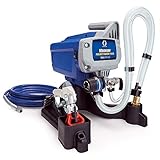
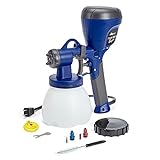
The application method also plays a role. While spray cans are convenient, consider alternatives for larger projects if fumes are a major concern. Airless sprayers or HVLP (High Volume Low Pressure) systems allow you to use paints with potentially lower VOC content, and you can often control the spray pattern better, reducing overspray and waste. However, these are a bigger investment than a simple can. For the average DIYer needing a quick fix, focusing on low-VOC spray paints and strict safety protocols is the most practical approach. I’ve found that even with the ‘safer’ options, a respirator and good ventilation make a world of difference. Don’t fall into the trap of thinking ‘low VOC’ means ‘no precaution needed.’
People Also Ask: Is Spray Paint Toxic If Inhaled?
Yes, spray paint can be toxic if inhaled, especially solvent-based varieties. The fumes contain volatile organic compounds (VOCs) and other chemical irritants that can cause immediate effects like headaches, dizziness, nausea, and respiratory irritation. Prolonged or high-level inhalation can potentially lead to more serious health issues, including damage to the nervous system. This is why using a respirator designed for organic vapors and making sure adequate ventilation are key precautions when spray painting.
My Personal Mistakes and What I Learned
I’ve made my fair share of spray paint blunders, mostly stemming from impatience and a healthy dose of overconfidence. One time, I decided to spray paint a set of old garden gnomes in my basement workshop. It was a cold, damp Saturday, and I didn’t want to trek outside.
‘Just a few minutes,’ I thought. Big mistake.
Within 20 minutes, the air was thick, my eyes were burning, and a dull throbbing started behind my temples. I bailed, but the smell lingered for days, and I felt ‘off’ for about 48 hours. It was a wake-up call about how quickly those fumes build up and how much they can affect you, even in what you think is a reasonably ventilated space like a workshop with a small window.
Another classic error was not shaking the can enough. I was in a hurry to paint a birdhouse, grabbed a can, gave it a quick jiggle, and started spraying. The paint came out thick, gloppy, and uneven, with inconsistent color. It looked terrible. After stripping it down and starting over, I spent a solid five minutes shaking that can, listening to the ball rattle around inside, making sure everything was mixed properly. The second attempt was smooth as silk. It seems basic, but proper mixing is key to a good finish and also makes sure you’re getting the intended chemical mixture, not just propellant and binder.
My contrarian opinion on this? Everyone talks about VOCs and respiratory health, which is vital, but they often downplay the sheer physical mess and cleanup hassle if you don’t use proper prep and protection. I used to just slap paint on things, thinking the overspray would just… disappear.
WRONG. It ends up on your concrete, your tools, your car, and that one time, my neighbor’s pristine white fence. Proper masking with plastic sheeting and painter’s tape isn’t just about a clean edge; it’s about containing the fallout. It saves you hours of scrubbing later.
So, while the health risks are most important, don’t underestimate the practical mess. My garage floor still bears faint ghosts of metallic gold from a particularly ambitious project years ago, despite my best efforts at cleanup.
People Also Ask: Can Spray Paint Damage Your Lungs?
Yes, repeated or high-level exposure to spray paint fumes and particles can potentially damage your lungs. The solvents can irritate the delicate tissues, and long-term exposure to VOCs has been linked to various respiratory problems. While a single brief exposure in a well-ventilated area is unlikely to cause permanent damage, consistent or unprotected use, especially in enclosed spaces, significantly increases the risk of respiratory issues, including bronchitis and other chronic conditions. (See Also: Can Bug Spray Damage Car Paint )
Practical Tips for Safer Spray Painting
Alright, let’s cut to the chase. If you’ve decided you must use spray paint, here’s how to do it without regretting it later. First and foremost: ventilation, ventilation, ventilation. If you can’t paint outdoors, open every window and door. Use fans to create cross-breezes, blowing fumes away from you and out of the space. If working indoors, a respirator mask rated for organic vapors is a must. Don’t skimp on this; a cheap dust mask is useless against chemical fumes. I invested in a decent 3M respirator a few years back, and it’s been worth every penny for projects where ventilation is less than ideal. It makes the whole experience bearable, even pleasant.
Second, proper prep work is your best friend. Mask off everything you don’t want to paint using painter’s tape and plastic sheeting or old newspapers. This not only saves you a ton of cleanup time but also minimizes the amount of paint particles spreading throughout your workspace. Think of it as a shield. Also, wear old clothes you don’t care about, and consider disposable nitrile gloves. They offer good protection against the solvents and pigments. My first ‘real’ pair of painting gloves cost me about $15, but they’ve saved my hands from countless sticky, paint-stained messes.
Third, follow the can’s instructions. This sounds obvious, but people often skip steps. Shake the can thoroughly (for at least two minutes after you hear the ball rattling), apply in thin, even coats, and maintain a consistent distance from the surface. Holding the can too close leads to drips, and holding it too far leads to overspray and uneven coverage. Give each coat adequate drying time before applying the next. Rushing this process often leads to a poor finish and potentially more exposure time. And for goodness sake, clean your spray nozzle immediately after use by inverting the can and spraying until only clear propellant comes out. This prevents clogs and makes sure the can is ready for next time.
Common Mistakes and How to Avoid Them
One of the most frequent mistakes people make is painting in less-than-ideal weather conditions. Spray paint performs poorly and can be more hazardous in extreme temperatures or high humidity. Cold weather can cause the paint to dry too slowly, leading to runs and a weak finish. Hot weather can make the paint dry too quickly, resulting in a chalky appearance or poor adhesion. High humidity can trap moisture, causing the paint to blush or become cloudy. For best results and safety, aim for moderate temperatures (around 60-80°F or 15-27°C) and low humidity. It might mean waiting a day or two, but it’s worth it.
Another common pitfall is improper surface preparation. Spray paint won’t adhere well to dirty, greasy, or glossy surfaces. Always clean the item thoroughly with soap and water or a degreaser. For slick surfaces, a light sanding or a primer designed for adhesion is important. Skipping this step means the paint might peel or chip off easily, wasting your time and money. I once tried to spray paint a plastic outdoor chair without cleaning it properly, and within a week, large sections were peeling off like a bad sunburn. It was embarrassing and a complete waste of three cans of paint. Proper preparation is a foundational step that cannot be skipped.
Finally, people often overestimate how much paint they’ll need or underestimate how much they’ll waste. Spray paint is notorious for overspray. If you’re painting a small object, make sure your spray area is contained.
For larger items, use more masking than you think you’ll need. I used to buy just one can of paint for a project, only to find myself running out halfway through and having to make a rushed trip to the store, often resulting in a slight color mismatch between the first and second cans.
It’s usually better to buy an extra can to make sure a consistent finish and avoid that frantic dash to the hardware store mid-job. A single can of spray paint typically covers about 15-20 square feet, but this can vary wildly depending on the brand, color, and how you apply it.
People Also Ask: What Happens If You Breathe in Spray Paint Fumes?
Breathing in spray paint fumes can lead to a range of immediate effects, including headaches, dizziness, nausea, and irritation of the eyes, nose, and throat. In higher concentrations or with prolonged exposure, it can cause more severe symptoms like confusion, loss of coordination, and even unconsciousness. Long-term exposure to the volatile organic compounds (VOCs) found in many spray paints is a serious concern, potentially leading to chronic respiratory problems, neurological damage, and other health issues. It’s why proper respiratory protection and ventilation are so important.
| Hazard | Description | Mitigation | My Verdict |
|---|---|---|---|
| Inhalation of Solvents | Causes headaches, dizziness, respiratory irritation. Can lead to long-term health issues with repeated exposure. | Use a respirator rated for organic vapors; make sure extreme ventilation (outdoors or with fans). | High Risk. The most common and potentially serious hazard. Don’t mess around with this. |
| Flammability | Propellants and solvents are highly flammable. Risk of fire or explosion near sparks or heat. | Keep away from heat, sparks, open flames. No smoking. Store properly. | Moderate Risk. Easy to manage with basic fire safety awareness. |
| Skin/Eye Irritation | Solvents can dry skin; paint can irritate eyes. | Wear nitrile gloves and eye protection (safety glasses/goggles). | Low Risk. Annoying if it happens, but usually not severe with basic protection. |
| Overspray & Mess | Paint particles can get everywhere, making a big cleanup job. | Thorough masking with tape and plastic sheeting; use a drop cloth. | Moderate Risk. A significant practical annoyance if not managed. Saves hours of scrubbing. |
| Environmental Impact | VOCs contribute to air pollution. | Choose low-VOC or water-based options when possible; dispose of cans properly. | Moderate Risk. Important for the planet, but immediate personal safety is often the priority for DIYers. |
Verdict
So, are spray paints hazardous ormd? The short answer is: yes, they absolutely can be, and you’d be foolish to ignore it. It’s not about being scared of a can of paint, but about respecting the chemicals you’re working with and understanding the potential risks. My own history with spray paint is littered with minor headaches and major cleanup nightmares, all because I thought I knew better or was too impatient to do it right.
The good news is that with the right precautions – ventilation, a proper respirator, good prep work, and choosing lower-VOC options when feasible – you can significantly reduce those risks. It might take a little more time and effort upfront, but the payoff in terms of your health and the quality of your finish is absolutely worth it. Don’t be the person who ends up with a two-day headache from a five-minute job. Plan your project, gear up properly, and then spray away, but do it smart.