I remember staring at that hideous floral wallpaper in my first apartment, convinced it was a permanent fixture of my life. I’d heard whispers, seen DIY gurus on YouTube wielding what looked like glorified hair dryers, and wondered, ‘Can I use a clothing steamer to remove wallpaper?’ The idea of blasting that stuff off with steam seemed way more appealing than scraping until my arms gave out. Spoiler alert: it’s not quite that simple, and a cheap garment steamer might just be a glorified humidifier in this scenario.
We’ve all been there, right? Faced with a decorating challenge that feels insurmountable, and you’re desperately looking for a shortcut. Sometimes those shortcuts are brilliant, and sometimes they’re a complete waste of time and money. Let’s talk about whether your trusty clothing steamer fits into the ‘brilliant’ category when it comes to tackling stubborn wallpaper.
Why the Clothing Steamer Temptation?
Look, I get the appeal. You’ve probably got a clothing steamer sitting in your closet, gathering dust. It’s designed to loosen fabric fibers with heat and moisture, right? Wallpaper is basically paper glued to a wall. So, logically, wouldn’t the same principle apply? Heat and moisture break down adhesives. It sounds like a match made in DIY heaven, especially when you’re eyeing up those industrial-looking wallpaper steamers that cost a pretty penny. Why buy a whole new tool when you might already have one that does the job? I’ve certainly made that leap of logic myself with other home projects, only to find myself utterly disappointed.
The theory is sound: steam penetrates the paper, softens the glue underneath, and allows you to peel or scrape it away much more easily than if it were bone dry. Think of it like trying to wash dried-on food off a plate. If it’s just caked on, you might struggle. But soak it for a bit?
Much easier. Wallpaper glue is designed to be pretty tenacious, but most adhesives are at least somewhat susceptible to the breakdown effect of prolonged heat and moisture. This is why commercial wallpaper steamers work – they deliver a focused, consistent blast of steam directly to the wall surface.
The question is whether your little handheld garment steamer, designed for delicates and quick touch-ups, has the oomph to do the same for a whole wall.
I once tried using my travel garment steamer to de-wrinkle a particularly stubborn linen dress that had been folded for ages. It took forever, and I had to hold the nozzle practically on top of the fabric. The wrinkles came out, but it was an exercise in patience. That experience alone made me skeptical about its ability to tackle something as physically bonded to a wall as wallpaper. It’s one thing to soften fabric; it’s another to dissolve industrial-strength adhesive. The sheer volume of steam and the sustained heat needed for wallpaper removal are often beyond the capabilities of a device optimized for a quick steam on a silk blouse.
The Reality Check: Can You actually Use One?
So, can you use a clothing steamer to remove wallpaper? Technically, yes, you can try. But here’s the blunt truth: for most situations, especially with older, well-adhered wallpaper or tougher vinyl-coated papers, it’s going to be a frustrating, inefficient, and possibly futile endeavor. Your average clothing steamer just doesn’t have the capacity, the steam output, or the sustained heat required to effectively break down wallpaper adhesive over any significant area. You’ll likely end up with a slightly damp wall and a lot of wasted time and effort.
I’ve seen people try. They’ll hold the steamer nozzle against a patch of wallpaper for what feels like an eternity, then try to scrape.
It might lift a tiny corner, or maybe a bit of the paper layer, but the glue underneath? Still firmly attached. It’s like trying to put out a bonfire with a squirt gun.
The steam dissipates too quickly, and the heat isn’t concentrated enough to do the heavy lifting. Think about the size difference, too.
A clothing steamer nozzle is small. A wallpaper steamer has a wide plate that covers a good chunk of wall at once. You’d be standing there for days, inch by inch, holding a relatively light device that’s spitting out just enough steam to make the wall feel warm and damp, but not hot and pliable enough for the glue to let go. (See Also: Does Peel And Stick Wallpaper Damage Walls When Removed )
My own little mishap involved trying to steam a stubborn crease out of a pair of trousers with a surprisingly powerful garment steamer. It did eventually work, but it took ages and I had to keep refilling the tiny water tank. Applying that to wallpaper removal felt like a Sisyphean task. I’d have needed about five of those steamers running simultaneously, and even then, I doubt it would have been effective.
It’s not the tool for the job, plain and simple. If you’re looking for a real solution, you’re going to need something designed specifically for wallpaper removal.
Investing in a proper wallpaper steamer, even a cheap electric one, is a far better use of your time and energy than fumbling with a garment steamer.
When might It Actually Work (and Why You Shouldn’t Count on It)
Okay, let’s talk about the rare exceptions. Is there any scenario where a clothing steamer might make a dent? Maybe, just maybe, if you have a very specific type of wallpaper and you’re incredibly patient. We’re talking about thin, old-fashioned, un-coated paper that was likely put up with a relatively weak paste. If the wallpaper is already peeling at the edges and feels brittle, the steam might help loosen those already-compromised areas. Even then, it’s a stretch.
I had a friend who was tackling a tiny, half-bath powder room with some incredibly flimsy, almost tissue-paper-like wallpaper from the 70s. It was already coming away from the wall in several places. She tried her garment steamer, and to her surprise, it seemed to help a little with the loose bits. But the areas that were still well-adhered? No dice. She ended up buying a cheap electric wallpaper stripper anyway because the steamer was taking forever and only managing to get a few square inches loose at a time. It’s the difference between gently coaxing something that’s already letting go and forcing something that’s holding on for dear life.
The key difference lies in the volume and temperature of the steam. A wallpaper steamer is built to pump out a lot of steam at a high temperature and hold it there, allowing it to penetrate and soften the adhesive.
A garment steamer is designed for a quick, localized burst of steam to relax fabric fibers. Think of it this way: trying to remove wallpaper with a garment steamer is like trying to wash a car with a garden hose.
You might get some water on it, but it’s not going to be efficient or particularly effective compared to a pressure washer (the wallpaper steamer equivalent). So, while you can technically aim steam at wallpaper, don’t expect miracles. The odds are heavily stacked against you. It’s better to accept that for this task, a dedicated tool will save you a massive headache.
The Tools That Actually Get the Job Done
Since we’ve established that your clothing steamer is probably not going to cut it, let’s talk about what will. This is where you need to stop thinking about shortcuts and start thinking about efficiency. There are two main contenders for effective wallpaper removal: a dedicated wallpaper steamer and a good old-fashioned scraping tool, often used in conjunction with a scoring tool and a wetting solution.
Wallpaper Steamers: These are designed for one thing and they do it well. You fill them with water, plug them in, and let them heat up.
Then, you hold the steam plate against the wall for a minute or two (depending on the wallpaper and adhesive). The steam penetrates the paper, softening the glue. (See Also: Can You Remove Wallpaper To Repaint )
You then use a scraper to peel away the softened wallpaper. Electric models are generally preferred for larger jobs as they provide a consistent heat and steam output. They typically have a large water tank and a long hose to the steam plate, allowing you to move around more freely. I bought a relatively inexpensive electric wallpaper steamer for about $85 a few years back, and it paid for itself on the first room, saving me hours of back-breaking scraping.
It was noisy, sure, and I still got a bit damp, but it was night and day compared to trying to scrape dry paper.
| Method | Pros | Cons | Verdict |
|---|---|---|---|
| Clothing Steamer | Already own it, portable | Ineffective for most wallpaper, slow, limited steam output, can damage steamer | Avoid unless desperate and wallpaper is already peeling |
| Electric Wallpaper Steamer | Highly effective, faster removal, less physical effort | Requires purchase, can be bulky, generates steam/moisture | Recommended for most wallpaper removal jobs |
| Scraping/Solution Only | No special equipment needed (beyond scraper/scoring tool) | Physically demanding, messy, time-consuming, may not work on stubborn adhesives | Good for small areas or very easy-to-remove paper |
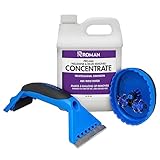
Scoring Tool & Solution: Before steaming, or if you’re not using a steamer, you’ll often use a scoring tool. This looks like a small wheel with tiny spikes that you roll over the wallpaper. It perforates the paper, allowing the steam or wetting solution to penetrate the adhesive layer more effectively.
A wetting solution (often a specific wallpaper removal liquid mixed with water, or even just hot water with a bit of dish soap) is then applied to the paper. You let it soak for a while, then scrape.
This method is more labor-intensive and can be messier than steaming, but it’s a viable option if you don’t want to buy a steamer or if the wallpaper is particularly tough and needs that extra softening agent.
Common Mistakes When Trying (or Not Trying) Steam
People often make the same few blunders when it comes to wallpaper removal, whether they’re using the right tools or trying to get away with using the wrong one. The biggest mistake, of course, is thinking a clothing steamer is a viable alternative to a proper wallpaper steamer. But even when using the correct equipment, there are pitfalls.
One common error is not preparing the room properly. You’re dealing with water and steam, so you need to protect your floors, furniture, and electrical outlets. Covering everything with drop cloths or plastic sheeting is a must. I learned this the hard way after one too many paint splatters on my rug. With wallpaper, you’re dealing with even more moisture, so you need to be extra diligent. Make sure you have good ventilation, too. Steaming a room can make it incredibly humid, and you don’t want to encourage mold growth.
Another mistake is impatience. Whether you’re steaming or using a solution, you need to let the product do its work. Holding the steamer in place for just a few seconds isn’t enough.
You need to give the steam time to penetrate and soften the adhesive. Similarly, if you’re using a wetting solution, let it soak according to the product instructions. Scraping too soon will result in tearing the paper and leaving more glue behind, which then requires more scraping and more effort.
I’ve been guilty of this; I’m always eager to finish a project, and that impatience often leads to more work down the line. Let the tools and chemicals do their job.
Trust the process, even if it feels slow. (See Also: Can You Use Removable Wallpaper On Desk )
Over-scraping is also a problem. Once the wallpaper is soft, you want to use a wide putty knife or a dedicated wallpaper scraper.
Apply steady pressure, but don’t gouge into the drywall. You’re trying to remove the wallpaper and adhesive, not the plaster.
If you’re finding a lot of stubborn glue residue, you might need to go over it again with the steamer or solution, or use a finer grit sandpaper (carefully!) after the bulk of the paper is off.
Also, don’t forget to clean the walls thoroughly with a TSP substitute or a good degreaser after all the wallpaper is removed to make sure a clean surface for primer or paint. I once skipped this step on a small area, and my primer just wouldn’t stick evenly. Lesson learned.
People Also Ask:
Can You Use a Clothes Steamer to Remove Wallpaper?
While technically you can aim a clothing steamer at wallpaper, it’s generally not effective for removal. Clothing steamers lack the high volume, sustained heat, and concentrated steam output needed to break down wallpaper adhesive. You’ll likely find it takes an excessive amount of time with minimal results, making it an inefficient and frustrating method.
What Is the Best Tool to Remove Wallpaper?
The most effective tools for wallpaper removal are a dedicated electric wallpaper steamer or a scoring tool used in conjunction with a wallpaper wetting solution and a scraper. These tools are specifically designed to tackle the task, making sure faster and more efficient removal compared to general household items.
How Long Do You Steam Wallpaper?
When using a proper wallpaper steamer, you typically hold the steam plate against the wallpaper for about 30 seconds to 1 minute per section. The exact time can vary depending on the type of wallpaper, the adhesive used, and the power of the steamer. The goal is to soften the adhesive without oversaturating the wall, which could damage the drywall.
Can You Use a Regular Steamer for Wallpaper?
No, a ‘regular’ steamer, meaning a clothing steamer or a small handheld garment steamer, is not suitable for wallpaper removal. These devices are designed for different purposes and do not generate enough steam or heat to effectively loosen wallpaper adhesive. For wallpaper removal, you need a tool specifically designed for the job, such as an electric wallpaper steamer.
How to Remove Wallpaper Without a Steamer?
To remove wallpaper without a steamer, you can use a scoring tool to perforate the wallpaper, then apply a wallpaper wetting solution or a mixture of hot water and dish soap. Let the solution soak into the paper for 10-15 minutes, then scrape the wallpaper off using a putty knife or wallpaper scraper. This method requires more physical effort and patience than steaming.
Conclusion
So, to circle back to that burning question: can I use a clothing steamer to remove wallpaper? The short, unvarnished answer is: probably not effectively. While it might seem like a clever hack, the reality is that your garment steamer is simply not built for this kind of heavy-duty demolition. You’ll spend more time frustrated than making progress, and you risk damaging your steamer in the process.
If you’re facing a wall of wallpaper, do yourself a favor and invest in the right tool for the job. A dedicated wallpaper steamer, even an inexpensive electric one, will save you hours of back-breaking work and make the whole process far less of a nightmare. You’ll get cleaner results and actually enjoy the process of revealing a fresh, blank canvas underneath.
Ultimately, when it comes to tackling stubborn wallpaper, sometimes the old-fashioned way, or a tool designed for the task, is the most effective. Don’t waste your time and energy on a tool that’s just not up to the task. You’ll thank yourself later.