I remember staring at my living room wall, a sickly pale green that had been painted over who-knows-how-many-layers of floral wallpaper. It looked… permanent. Like it had fused with the drywall itself. I’d seen countless DIY videos promising miracle solutions, all of them making it look like a weekend afternoon project. Spoiler alert: it was not.
So, can painted wallpaper be removed? The short, infuriating answer is: sometimes, and it’s rarely the walk in the park you’re led to believe. It’s a gamble, a test of patience, and often a messy, frustrating battle.
Let’s get real about what you’re up against.
The Great Painted Wallpaper Debate: Is It Even Possible?
Look, the simple truth is that when you paint over wallpaper, you’re basically creating a whole new, albeit hideous, surface. That paint acts like a sealant, a glue, and a barrier all rolled into one. It binds the wallpaper to the wall, yes, but it also seals the porous nature of the paper itself. This is the fundamental reason why so many DIYers hit a wall (pun intended) when they try to strip it. Traditional wallpaper stripping methods, which rely on water or steam to reactivate the adhesive, often fail miserably because the paint prevents the moisture from penetrating effectively.
I learned this the hard way in my first apartment. I inherited this ghastly textured wallpaper in the bedroom, already painted a shade of beige that screamed ‘depressing’. My brilliant idea? Just paint over it. Easy, right? Wrong. That first coat of paint felt like it sealed the deal. When I later decided to try and remove it, thinking it would peel off, I was met with stubborn, stubborn vinyl that just flaked paint off in tiny, infuriating pieces. It was a mess. I ended up having to scrape every single square inch with a putty knife, which took forever and left me with a wall that looked like it had lost a fight with a cheese grater.
The type of paint on top matters, too. A thin, latex-based paint might be more forgiving than a thick, oil-based enamel, which can create a near-impenetrable shell. The age of the paint job and the wallpaper underneath also plays a role. Older adhesives can become rock-solid, making removal even more of a chore. So, while the answer to ‘can painted wallpaper be removed’ isn’t a flat ‘no,’ it’s definitely a ‘prepare for a fight.’ The success rate hinges on a delicate balance of factors, and sometimes, the effort required makes you question if it’s worth it at all. You might find yourself wishing you’d just drywalled over it from the start.
What to Look for Before You Even Think About Stripping
Before you even grab a scraper, you need to do some detective work. Seriously. Rushing in blind is how you end up with wall damage and a project that takes three times longer than you thought. First, what kind of wallpaper is it? Vinyl-coated? Paper-backed? Fabric? This affects how it’ll react to stripping agents. You can usually test this by trying to peel a small corner. If it peels cleanly, leaving the paper layer behind, it’s likely strippable. If it tears into tiny pieces or just sheds paint, you’ve got a tougher job on your hands. That’s the first clue that you’re dealing with painted wallpaper that’s decided to become one with the wall.
Next, what kind of paint is on top? Grab a small piece of sandpaper and lightly scuff a corner. If it sands off easily, it’s probably latex or acrylic. If it’s tough going and feels gummy or just smears, it might be oil-based. Oil-based paints are a bigger headache because they’re less porous and don’t absorb water-based strippers as well. You’ll need stronger stuff or a different approach.
Then there’s the adhesive. Was it a good, strong glue, or something that was barely holding on? If the wallpaper was already failing before it was painted, it might be easier to get started. You’re looking for any signs of peeling, bubbling, or loose edges. These are your entry points. If the wall looks perfectly smooth and smooth under the paint, assume the adhesive is doing its job with grim determination.
Finally, consider the wall itself. Is it drywall? Plaster? Old, crumbly plaster will not tolerate aggressive scraping or excessive moisture as well as modern drywall. You need to be gentle with older walls to avoid creating more damage than you’re fixing. A quick test in an inconspicuous area – maybe behind a piece of furniture – is always a good idea. Try a bit of scoring and wetting. See how it behaves. Does the water soak in? Does the paint soften? Does the wallpaper start to buckle? This preliminary assessment is important for deciding if you’re facing a DIY-friendly job or a professional-level excavation. It’s the difference between a weekend project and a week-long nightmare. (See Also: Does Peel And Stick Wallpaper Damage Walls When Removed )
Common Mistakes People Make (and How to Avoid Them)
Alright, let’s talk about the screw-ups. Because I’ve made them, and I’ve seen others make them. The biggest mistake, hands down, is assuming that what works for unpainted wallpaper will work here. So many people just grab their trusty steamer or a spray bottle of water and go to town, expecting the painted wallpaper to just slough off. It won’t. The paint acts like a raincoat. You’re trying to get the wall wet, but the paint is keeping it all on the surface. This leads to frustration, wasted time, and often, you just end up with a soggy mess that’s still stubbornly attached.
Another common pitfall is using too much force too soon. When the water/steam isn’t working, people start digging in with sharp scrapers, gouging the drywall beneath. Then they’ve got a whole new set of problems to fix – filling, sanding, priming, and painting again. It’s a vicious cycle. You want to be aggressive, but you need to be smart aggressive. Patience is key, which I know is hard to hear when you’re staring at a wall that’s mocking you.
People also underestimate the power of the right chemicals. There are specialized wallpaper removers, and then there are the ones that are basically just fancy soap. For painted wallpaper, you often need something stronger. I’ve found that a good quality DIF (Davies “The Stripper”) or a similar heavy-duty stripper, combined with scoring the wallpaper, makes a world of difference. You have to score it to give the chemical something to penetrate. The scoring tool, often called a paper tiger or a Zimmer tool, makes tiny holes. Think of it like giving the stripper little doors to get through.
Here’s my contrarian take: Forget the cheap garden sprayers. Seriously. They leak, they have terrible spray patterns, and they’re just frustrating. Invest in a good quality pump sprayer, the kind that can handle more aggressive chemicals and give you a consistent mist. It’s a small investment that saves a massive amount of grief. Lastly, and this is a big one: don’t assume you can just paint over the problem again if stripping fails. You’ll end up with a lumpy, bumpy surface that will look even worse under a new coat of paint. You’ll be trapped in a never-ending cycle of painting over bad decisions.
The Real-World Process: Step-by-Step (if You Dare)
Okay, you’ve weighed the options, you’ve done your prep, and you’re ready to dive in. Here’s the most effective way I’ve found to tackle painted wallpaper, and trust me, it’s a process that requires grit.
- Prep the Room: This is a must. Lay down drop cloths everywhere. Cover furniture. Tape off baseboards and ceiling lines with good quality painter’s tape. You are going to make a mess. A big, wet, potentially chemical-infused mess.
- Score the Wallpaper: Use a scoring tool (paper tiger, Zimmer tool) to create small holes all over the painted surface. Don’t go crazy and gouge the wall, but you need enough perforations for the stripper to work. Focus on getting good coverage.
- Apply Stripping Solution: Mix your chosen wallpaper stripper according to the manufacturer’s instructions. A heavy-duty liquid stripper is usually best for painted-on paper. Use a pump sprayer for even application or a roller/brush for smaller areas. Work in sections, about 3×3 feet at a time, so the solution doesn’t dry out before you can work on it.
- Let it Soak: This is important. Give the solution time to penetrate. The manufacturer’s instructions will give a guideline, but for painted wallpaper, you might need longer. Watch for signs of bubbling or softening. If it’s not working after 15-20 minutes, apply another coat.
- Start Scraping: Use a wide putty knife or a specialized wallpaper scraper. Start at a corner or a seam and gently pry. The goal is to lift the wallpaper and the paint layer together. If it’s resisting, apply more stripper and let it soak longer. Don’t force it; if it’s not budging, it needs more time or more solution.
- Rinse and Repeat: You’ll likely need multiple applications and a lot of scraping. Clean off any residual adhesive with a sponge and warm water. Some people like to use a fabric softener and water mix for this final rinse.
- Inspect and Repair: Once the wallpaper is off, carefully inspect the wall for any gouges, tears, or remaining adhesive. Patch any holes with spackle or joint compound, sand smooth once dry, and prime the entire wall before painting.
It’s a grind, no doubt. But doing it in manageable sections and being patient with the soaking times makes it far less soul-crushing than just hacking away at it.
Tools of the Trade: What Actually Works
Let’s cut to the chase. You can’t tackle painted wallpaper with just a sponge and a prayer. You need the right gear. My absolute must-have is a scoring tool. The one I use looks like a tiny rolling pin with little metal spikes. It’s called a Paper Tiger, and it’s brilliant for creating those tiny holes that let the magic happen. Without it, your stripper is just sitting on the surface, feeling sorry for itself.
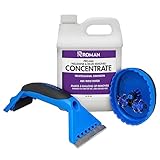
Then there’s the stripper itself. Forget the generic stuff. You need something potent. Brands like Roman Products’ DIF are legendary for a reason.
They make different formulas, and you want the heavy-duty liquid one for painted wallpaper. It’s not cheap, but it’s worth every penny compared to wrestling with ineffective solutions. I’ve also heard good things about specific citrus-based removers, but I’ve stuck with the tried-and-true chemical ones for the real tough jobs. A good quality pump sprayer is also a lifesaver. (See Also: Can You Remove Wallpaper To Repaint )
It distributes the stripper evenly and with good pressure, unlike those leaky garden hose attachments. A wide putty knife, at least 4 inches, is your best friend for scraping. Get a flexible one and a stiff one – they each have their uses. And don’t forget a sturdy bucket for water, sponges, and a good pair of gloves.
I’d also recommend a good quality masking tape and plastic sheeting. You’ll be amazed at how much water and stripper can splash around. And finally, a metal tray or a large plastic bin to catch drips when you’re working on vertical surfaces can save your flooring. It’s a bit of an investment in tools, but honestly, the money you save on not hiring someone, and the sanity you keep, is well worth it. Here’s a quick rundown:
| Tool | Why You Need It | My Verdict |
|---|---|---|
| Scoring Tool (e.g., Paper Tiger) | Creates holes for stripper penetration. Key. | Absolute must-have. No substitutions. |
| Heavy-Duty Wallpaper Stripper (e.g., DIF) | Breaks down old adhesives and paint seal. | Worth the splurge. Saves hours of frustration. |
| Pump Sprayer | Even, consistent application of stripper. | Much better than cheap spray bottles. |
| Wide Putty Knife (4-6 inch) | For scraping wallpaper and paint. | Get a good flexible one. Makes life easier. |
| Gloves & Eye Protection | Protect yourself from chemicals and debris. | Common sense, but often overlooked. Wear them. |
The key is to have the right tools ready before you start. Fumbling around for something you need halfway through a soaking period is just asking for trouble. It’s a battle, and you need to go in armed.
When to Call It Quits (and What to Do Instead)
There comes a point in every DIYer’s journey where you have to admit defeat. And for painted wallpaper, that point can arrive sooner than you think. If you’ve tried scoring, soaking, scraping, and reapplying, and you’re still only getting tiny flakes off, or worse, you’re gouging the drywall underneath with every attempt, it’s time to re-evaluate. The amount of physical effort, time, and potential for wall damage can quickly outweigh the cost of an alternative solution.
One of the biggest signs you should stop is if the wallpaper is so waterlogged and torn that it’s disintegrating into a pulpy mess, and you can’t even get a solid grip to pull it off. This is when you’re not removing wallpaper; you’re just smearing wet paper and paint into your walls. Another red flag is if your scraping is consistently going through the wallpaper and into the drywall paper itself. Drywall paper is delicate, and once it’s compromised, you’re looking at significant repair work, which often involves replacing sections of drywall. That’s a whole other ball game.
My own experience with a particularly stubborn, satin-painted vinyl wallpaper taught me this lesson. After two days of scraping and soaking, I had about a 4-foot by 2-foot section of wall that looked like it had been attacked by a badger. The paint was peeling, but the wallpaper was still stubbornly glued. I finally threw in the towel, not because I ran out of stripper, but because I realized I was doing more harm than good. The cost of professional repair would have been high, but the cost of my continued efforts was starting to look even worse.
So, what are your options when removal is just not feasible? The most straightforward solution is to simply cover it up again.
But this time, do it right. You can apply a skim coat of joint compound over the entire surface to smooth out any imperfections and then prime and paint. This is labor-intensive but results in a clean, smooth surface.
Alternatively, and this is what I ended up doing in that bad apartment, you can hang new wallpaper directly over the old, painted paper. Modern, heavier-weight wallpapers, especially vinyl or textured ones, can adhere well to a properly prepared, painted surface. You just need to make sure the old paint is clean and sound. You can also consider covering it with panels or beadboard if the style fits. (See Also: Can You Use Removable Wallpaper On Desk )
Sometimes, the path of least resistance is the smartest one, even if it feels like admitting defeat.
Can Painted Wallpaper Be Removed with Steam?
Steam can be effective for unpainted wallpaper, but with paint on top, it’s often a struggle. The paint acts as a barrier, preventing the steam from reaching the adhesive effectively. While some people have success by scoring heavily and using a heavy-duty steamer, it’s not guaranteed. You might end up with a soggy mess that’s still stuck, or worse, damage the drywall from excessive moisture. It’s usually a less effective method for painted wallpaper compared to chemical strippers.
How Do You Remove Stubborn Painted Wallpaper?
Stubborn painted wallpaper usually requires a multi-pronged approach. First, score the wallpaper thoroughly with a scoring tool. Then, apply a heavy-duty chemical wallpaper stripper designed for painted surfaces, and let it soak for an extended period, reapplying as needed. Patience is key. Once the paper and paint start to soften and bubble, use a wide putty knife to gently scrape it away in sections. You might need several applications of the stripper. Protect your walls and yourself during this process.
What Happens If You Paint Over Wallpaper and Then Try to Remove It?
If you paint over wallpaper and then try to remove it, you’ve basically created a more difficult-to-remove surface. The paint seals the wallpaper and the adhesive, making it much harder for water or steam removers to penetrate. This usually means you’ll need stronger chemical strippers and more aggressive scraping. It can also lead to the paint peeling off in flakes rather than the wallpaper itself, creating a messier and more challenging removal process. You’re basically adding a new layer of difficulty to an already tough job.
Can You Put New Wallpaper Over Painted Wallpaper?
Yes, in many cases, you can put new wallpaper over painted wallpaper, but proper preparation is vital. First, the painted wallpaper must be clean, dry, and sound – no peeling or loose sections. Lightly sanding the painted surface can help create some ‘tooth’ for the new adhesive to grip. You’ll also need to use a good quality primer, specifically designed for sealing over difficult surfaces, to make sure the new wallpaper adheres properly and doesn’t bubble or peel later. Using a heavier-weight or vinyl wallpaper can also be more forgiving.
What Is the Best Remover for Painted Wallpaper?
The best remover for painted wallpaper is typically a heavy-duty liquid chemical wallpaper stripper. Products like Roman Products’ DIF (specifically their gel or liquid versions for tough jobs) are highly recommended by professionals. These formulas are designed to break down both old adhesives and the paint layer that seals the wallpaper. Always follow the manufacturer’s instructions carefully, as these are potent chemicals. For extremely stubborn cases, some people have also found success with specific citrus-based removers, but chemical strippers are generally considered more effective for painted wallpaper.
Verdict
So, to circle back to the burning question: can painted wallpaper be removed? Yes, but it’s rarely a simple peel-and-stick operation. It’s a job that demands patience, the right tools, and a willingness to get your hands dirty. You might get lucky and find sections that come off with relative ease, but be prepared for the stubborn bits that require repeated applications of stripper and a good deal of elbow grease.
If you’re contemplating this renovation task, my honest advice is to go in with realistic expectations. Don’t rush it, and don’t be afraid to step away if you’re making more of a mess than progress. Sometimes, the smartest move is to call it quits and opt for a different solution, like skim-coating or even hanging new wallpaper over the old.
Ultimately, the decision to strip painted wallpaper yourself or find an alternative depends on your budget, your time, and your tolerance for frustration. Just remember, a little preparation and the right attitude go a long way in conquering that painted-on wall.