I stood there, staring at the plumbing aisle, utterly bewildered. It looked like a spaghetti junction of shiny metal and plastic curves. My sink was making this weird gurgling noise, and I’d decided to finally tackle it myself. But then the question hit me: are all p traps the same? Because honestly, they all looked pretty damn similar, yet there were dozens of them, in different materials, different sizes, and frankly, different price points. It felt like a trap, pun intended.
I’d already wasted a good chunk of change on a fancy faucet that looked great but dripped like a sieve after six months. This time, I wanted to get it right the first time. I needed to know if this seemingly simple piece of plumbing was as straightforward as it seemed, or if I was about to buy the wrong part and end up with an even bigger mess on my hands.
Why Your Sink Isn’t Singing (and What a P-Trap Actually Does)
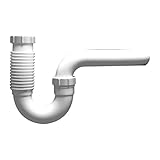
Let’s cut to the chase: no, not all P-traps are the same, though they sure as heck look like it at first glance. Their main job is brutally simple, yet incredibly important. That U-shaped bend you see under your sink, or wherever you’ve got a drain? That’s the P-trap. Its sole purpose is to hold a small amount of water. Why? To create a seal. This water barrier stops sewer gases from wafting up into your home. Think of it as your personal plumbing bodyguard, keeping the stinky, potentially harmful stuff from making a grand entrance. Without it, your bathroom or kitchen would smell like a backed-up sewer, which is about as pleasant as a root canal.
The ‘P’ shape is actually a bit of a misnomer these days, as they can also be S-shaped, especially in older homes or certain configurations, but the principle is the same. The water gets trapped in the lowest part of the bend. When you run the tap, fresh water flushes through, replenishing the seal.
It’s a passive system, no moving parts, no batteries, just good old gravity and water doing their thing. I learned this the hard way when I was about 22. I was trying to fix a slow drain myself, and I accidentally knocked the existing trap loose.
I put it back, thinking I’d done a great job. A few hours later, my apartment started smelling like…
well, let’s just say I wouldn’t have wanted company. Turns out, I hadn’t sealed it properly, and that water barrier was gone. Lesson learned: a proper seal is a must.
The common advice is to just replace it if it looks old or corroded. And yeah, that’s generally good advice. But the real issue isn’t just the shape; it’s the material, the size of the pipe diameter, and how it connects to your existing plumbing. Get those wrong, and you’ll be back at the store faster than you can say ‘plumber’s bill.’ People often think, ‘Oh, it’s just a U-bend, they must all fit.’ Wrong. Dead wrong. You need to match the pipe diameter to what’s already there, and the connection types need to be compatible. It’s not rocket science, but it’s also not guesswork.
The Devil’s in the Details: Materials, Sizes, and What to Actually Look For
Okay, so you know what a P-trap does. Now, let’s talk about what makes them different. The biggest differences you’ll see are in the materials. You’ve got plastic (usually ABS or PVC) and metal (typically brass or stainless steel). Plastic is cheaper, lighter, and easier to work with. It’s perfectly fine for most residential applications under sinks. It doesn’t corrode, which is a big plus. The downside? It can become brittle over time, especially if exposed to harsh chemicals, and it’s more prone to cracking if overtightened or subjected to impact. I’ve seen cheap plastic traps crack after just a few years, leading to a slow, silent leak that can do serious damage to your cabinets.
Metal traps, on the other hand, are generally more durable and can handle higher temperatures and more aggressive cleaning agents. Brass is common, often chrome-plated for looks. It’s heavy, feels substantial, and frankly, looks a lot nicer if it’s exposed. Stainless steel is even more solid and corrosion-resistant.
The main drawback? They cost more, and they can be trickier to install because they’re heavier and you need to be careful not to overtighten the compression nuts, which can damage the threads or the pipe itself. I once spent an afternoon wrestling with a brass trap, trying to get it perfectly aligned.
Ended up stripping a thread on one of the nuts. Had to buy a whole new kit. Cost me an extra $25 and a lot of cursing. (See Also: Are Venus Flytraps Easy To Take Care Of )
Pipe diameter is another big one. Most household drains are 1-1/4 inch or 1-1/2 inch.
Your P-trap needs to match this. If you have a 1-1/2 inch drainpipe coming out of the wall, you need a 1-1/2 inch P-trap. Trying to force a different size is a recipe for disaster – leaks, poor flow, and frustration. You can sometimes use adapters, but it’s always best to get a direct match.
Then there are the connection types. Most P-traps use slip-joint fittings, which are designed to be hand-tightened and then snugged up with pliers.
These are great because they allow for a little wiggle room when aligning pipes. But make sure the threads are clean and the washers (usually rubber or neoprene) are in good condition.
A damaged washer is as good as no washer at all. I always keep a few spare washers on hand; they’re dirt cheap and can save you a major headache.
People Also Ask: Common P-Trap Concerns Addressed
Why Does My P-Trap Keep Filling Up with Water?
The P-trap is designed to hold water to create a seal against sewer gases. If it’s constantly filling up to the point of overflowing or draining slowly, it usually indicates a venting issue elsewhere in your plumbing system. Your pipes need air to allow water to flow freely. If there’s no vent, or the vent is blocked, the water can get ‘siphoned’ out or held back, causing it to back up into the trap. This is a more complex problem that might require a plumber to diagnose.
How Often Should a P-Trap Be Cleaned?
There’s no set schedule for cleaning a P-trap because it depends entirely on usage and what goes down the drain. However, if you notice slow draining, gurgling sounds, or unpleasant odors, it’s a sign the trap might be clogged with hair, grease, or debris and needs cleaning. A good rule of thumb is to check and clean it semi-annually or annually, especially in bathrooms where hair is a common culprit.
What Are the Signs of a Bad P-Trap?
The most common signs of a failing P-trap are persistent sewer odors, slow draining, gurgling noises from the drain, or visible leaks around the trap connections. If you smell sewer gas, the water seal is compromised, meaning the trap is either dry, cracked, or not properly sealed. Leaks are obvious water damage indicators. Gurgling often means air is being forced through the trap because of improper venting or a blockage.
Common P-Trap Mistakes (and How to Avoid Them Like the Plague)
Mistake number one, and I see this all the time: buying the wrong size. Seriously, measure your existing pipe diameter before you even think about going to the store. It’s usually stamped on the pipe itself, or you can measure the outside diameter and convert. If you’re unsure, take a picture of your current setup with your phone. Most hardware stores have knowledgeable staff who can help you match it up if you show them. I’ve seen people try to force a 1-1/4 inch trap onto a 1-1/2 inch pipe, or vice versa. It never ends well. You’ll end up with leaks, or the fittings won’t seat properly, and you’ll be frustrated.
Another classic blunder is overtightening. Plastic traps are notorious for cracking if you crank down too hard on those slip nuts. Metal traps can have their threads damaged, or the compression fittings can be deformed, leading to leaks. Remember, these are slip-joint fittings. They are designed to be hand-tight, then just a quarter or half turn with pliers to snug them up. You don’t need a pipe wrench and all your might. The rubber washer does the sealing; you’re just making sure it’s seated firmly. I’ve had to replace brand new plastic traps that some DIYer just completely obliterated by overtightening. It’s a real shame and a waste of money.
Forgetting or improperly installing the washers is also a big one. These little rubber or plastic rings are the unsung heroes of P-traps. (See Also: Are Omega Watch Straps Real Alligator )
They create the watertight seal between the pipe and the fitting. If a washer is missing, cracked, torn, or installed backward, you’re guaranteed a leak.
Always double-check that you have the correct washer in place, and that it’s seated correctly in the fitting before you tighten it. Some traps come with conical washers that need to be oriented a specific way. Pay attention to those details. And for the love of Pete, don’t use pipe dope or Teflon tape on slip-joint fittings!
They’re designed to seal with the compression of the nut and the washer, not with sealant. Sealant can actually prevent a proper seal in this case and make it harder to disassemble later if needed.
My Own Dumb Mistakes: The Time I Tried to Save a Buck
Alright, confession time. A few years back, my kitchen sink was draining slower than molasses in January. I figured, ‘Easy fix, probably a clogged P-trap.’ I went to the hardware store, bought a new plastic one – seemed fine, cheap enough. I unscrewed the old one, and sure enough, it was crammed full of gunk. I cleaned it out thoroughly, reassembled the new trap, feeling pretty smug about my DIY skills. I ran the water, and it seemed to drain okay. For about a week.
Then came the smell. A faint, but undeniable, whiff of something foul.
I blamed the garbage disposal, the dishwasher, anything but my handiwork. But the smell got worse. It was strongest right by the sink. So, I got down on my hands and knees, armed with a flashlight and a growing sense of dread.
I traced the smell to the P-trap I’d installed. It wasn’t leaking water, not obviously anyway. But where the trap connected to the drainpipe coming out of the wall, there was this faint, sticky residue.
I realized the new trap’s threads weren’t quite as precise as the old one’s, and the cheap plastic washer hadn’t created a perfect seal against sewer gases. It was a microscopic gap, just enough for those delightful aromas to escape. I ended up having to buy a better quality metal trap, making sure a tighter, more reliable seal. That little $15 mistake cost me a week of unpleasantness and another $40 for the upgrade.
Lesson: sometimes, you get what you pay for, and a good seal is worth more than a few bucks saved.
The P-Trap Showdown: Plastic vs. Metal – a Verdict
When it comes down to it, the choice between plastic and metal often boils down to your budget, your DIY confidence, and whether the trap will be visible. For most under-sink applications where aesthetics aren’t a primary concern, a good quality plastic P-trap is perfectly adequate and the most budget-friendly option. It’s easy to install, doesn’t corrode, and if it ever fails, it’s cheap to replace. However, if you’re dealing with higher temperatures, are prone to using harsh chemical drain cleaners, or live in an older home where pipes might be a bit rough, a metal trap might offer better long-term durability and peace of mind. Aesthetically, if your trap is visible under a pedestal sink or in a more open vanity, a chrome-plated brass or stainless steel trap will look a lot nicer and can be polished to a shine.
Here’s a quick breakdown of my personal take, based on years of wrestling with this stuff: (See Also: Are Sticky Mouse Traps Humane )
| Feature | Plastic (ABS/PVC) | Metal (Brass/Stainless Steel) | My Verdict |
|---|---|---|---|
| Cost | Low | Medium to High | Plastic wins for budget DIY. |
| Durability | Moderate (can become brittle) | High (resists heat & chemicals) | Metal for serious longevity. |
| Ease of Installation | High (lightweight, forgiving) | Moderate (heavier, more precise) | Plastic is more forgiving for novices. |
| Corrosion Resistance | Excellent | Good to Excellent (depends on finish) | Both are good; plastic can’t rust. |
| Aesthetics | Basic | Superior (especially chrome-plated) | Metal if it’s seen. |
| Chemical Resistance | Moderate (can degrade) | High | Metal for harsh cleaners. |
Ultimately, the most important thing is that the P-trap is the correct size for your drainpipe, that it’s installed correctly with all necessary washers in place, and that it forms a watertight and airtight seal. If you get those basics right, you can often get away with a perfectly functional plastic trap. But if you want something that feels built to last, or if you’re dealing with a more demanding environment, spending a bit more on metal is usually a wise move. I’ve learned that chasing the absolute cheapest option often leads to more expensive problems down the line.
Practical Tips: Making P-Trap Installation Less of a Pain
First off, gather your tools before you start. You’ll likely need a pair of channel-lock pliers (or slip-joint pliers), a bucket or old towels to catch any residual water, and maybe a flashlight. If you’re replacing an old trap, you might need a hacksaw or pipe cutter if it’s corroded and won’t unscrew, though this is rare with slip-joint fittings. When you buy your new trap, make sure it comes with all the necessary washers and nuts. Don’t assume they’re universal. Check the packaging.
When you’re connecting the pieces, hand-tighten everything first. Get the alignment just right. Then, use your pliers for that final snug-up. Remember the gentle touch – especially with plastic. If you feel significant resistance, stop and check your alignment. You might need to slightly adjust the position of the pipes or the trap. If you’re installing a new trap from scratch, make sure the tailpiece from your sink strainer is the correct length. Some are adjustable, others are fixed. You need enough length for the P-trap to connect properly without being stressed.
Finally, after you’ve tightened everything, run a generous amount of water down the drain for a few minutes. Check all the connections for drips. Then, let it sit for a while and check again. Sometimes leaks don’t show up immediately. If you see even a tiny drip, give the nut another quarter turn. If it persists, you might have a damaged washer or a crack in the fitting. Don’t be afraid to take it apart and start again. It’s better to do it right than to have a slow leak causing water damage behind your cabinets.
Dealing with a Stubborn Old P-Trap
Sometimes, old metal P-traps can get corroded and fuse to the pipes they’re connected to. If you can’t get it to budge by hand or with pliers, don’t force it too hard, or you risk breaking the pipe coming out of the wall. A little penetrating oil applied to the threads and letting it sit for 15-20 minutes can work wonders. If that doesn’t help, you might have to resort to carefully cutting the old trap off with a hacksaw.
Be sure to cut only the trap itself, and try to leave enough of the old pipe intact so you can attach your new trap. This is where having a spare section of pipe and a coupling on hand can save you a trip back to the store if you accidentally cut too much.
Can I Reuse the Old P-Trap?
Generally, no. While it might look okay, the rubber or plastic washers inside are often compressed and degraded over time, which compromises their sealing ability. The plastic itself can also become brittle and prone to cracking. It’s a cheap part, and replacing it with a new one that has fresh, pliable washers is a low-cost way to make sure a good seal and prevent future leaks or odors. Think of it as cheap insurance against bigger problems.
When to Just Call the Plumber
Look, I’m all for DIY. I’ve saved a ton of money over the years by tackling projects myself. But there are times when calling a professional is the smarter, more cost-effective choice in the long run. If your P-trap is connected to galvanized steel pipes, for instance, those can be brittle and prone to breaking.
If you’re dealing with a situation where the pipe coming out of the wall is damaged or corroded, or if you’ve tried replacing the trap and are still experiencing persistent sewer odors or drainage issues, it’s probably time to pick up the phone. Sometimes the problem isn’t the trap itself, but the venting system or a blockage further down the line that requires specialized tools and knowledge to diagnose and fix. The cost of a plumber for an hour or two can save you from potentially thousands of dollars in water damage or more complex repairs down the road.
Trust me, I’ve learned that lesson more than once.
Verdict
So, to answer the burning question: are all P-traps the same? Nope. While their basic function is identical, the differences in material, size, and connection quality can be a big deal. Don’t just grab the cheapest, shiniest one you see. Take a moment to check your existing setup, measure your pipes, and consider whether plastic or metal is the right fit for your situation. A little bit of attention to detail now can save you a lot of headaches (and smelly air) later.
My advice? If you’re unsure about the size or material, take a picture and ask for help at the store. And for heaven’s sake, don’t overtighten. The goal is a snug, sealed connection, not a cracked pipe. If you’re still battling persistent odors or slow drains after a replacement, it might be time to swallow your pride and call in a pro. Sometimes, that’s the smartest DIY move you can make.
Next time you’re staring down that plumbing aisle, remember this: the humble P-trap is more important than it looks, and getting the right one installed correctly is key to a stink-free home.