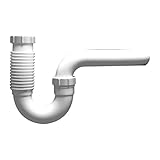
So, you’ve seen those accordion-like plastic drain traps under sinks and thought, “Convenient!” Or maybe you’re staring at one right now, wondering if it’s some kind of plumbing hack that’s going to bite you later. I’ve been there. Dropped a perfectly good diamond earring down the drain after a poorly fitted standard trap sprung a leak, and that’s when I started looking at alternatives.
This brings us to the big question: are flexible p traps code compliant? It’s a question that gets asked a lot, and the answer isn’t a simple yes or no. There are rules, and like most things in plumbing, they’re there for a reason. Let’s get into it, no corporate jargon, just the straight dope.
Why the Heck Do We Even Need a P Trap?
Before we get to the flexible ones, let’s quickly cover why these U-shaped (or sometimes P-shaped, hence the name) bits of pipe exist. They’re not just there to look a bit silly; they serve a vital function. Every drain, whether it’s under your sink, shower, or tub, connects to your home’s sewer system.
That sewer system, while great for whisking away waste, also carries some… less pleasant stuff. Think sewer gases.
These gases are not only smelly, but they can also be harmful to breathe, and in some cases, even flammable. The P trap’s job is simple: it’s designed to hold a small amount of water, creating a seal that blocks these gases from coming up your drain and into your home.
It’s a basic but brilliant piece of plumbing engineering.
When I was starting out, I once installed a sink without a P trap, just a straight pipe. The smell that started creeping in was horrific. My wife thought the cat had died somewhere in the walls. It took me a day to figure out what I’d done wrong, and the relief when I installed a proper trap and the smell vanished was immense. It really drives home how important that water seal is. Without it, your house smells like the municipal treatment plant. So, while the shape might seem odd, its purpose is absolutely a must for a healthy and pleasant living space.
The common advice is to use a P trap for every fixture that connects to the sewer. This is universally accepted for a reason. It’s the first line of defense against what lies beneath your home’s plumbing. When we talk about whether flexible p traps code, we’re really talking about whether they can reliably do this job and if they meet the standards set by plumbing codes that are designed to protect public health and safety. It’s not just about preventing clogs; it’s about preventing gasses from invading your living space.
The Truth About Flexible P Traps and Plumbing Codes
Now, let’s cut to the chase: are flexible p traps code compliant? The short answer is: it depends, and often, it’s a ‘no’ for permanent installations. Most modern plumbing codes, like the International Plumbing Code (IPC) or the Uniform Plumbing Code (UPC), are pretty specific about what materials and types of traps are allowed for under-sink drainage. They generally require traps to be made of durable materials like brass, cast iron, or Schedule 40 PVC and ABS plastic. They also mandate that traps be smooth on the inside to avoid trapping debris, which can lead to clogs and odors over time. Flexible traps, with their ribbed interiors, often fall short on this smooth surface requirement.
Furthermore, codes typically require traps to be rigidly supported and have a uniform internal diameter. Flexible traps, by their very nature, are not rigid and can sag or kink, potentially disrupting the water seal. This is where the ‘code’ part comes in.
Plumbing codes are designed to make sure a safe and sanitary environment. A trap that can easily lose its seal or trap debris is a failure point. I’ve seen firsthand how a sagging flexible trap can collect gunk and start to smell. (See Also: Are Omega Watch Straps Real Alligator )
It’s not pretty, and it defeats the whole purpose. My first encounter with a flexible trap was when I was trying to fix a leak under an old RV sink.
The previous owner had installed one, and it looked like a collapsed noodle. While it might have been fine for a temporary fix, it was clearly not a long-term solution that anyone serious about plumbing would approve of.
The primary concern from a code perspective is the reliability of the water seal. Codes are written to prevent unsanitary conditions. A flexible trap’s ability to maintain a consistent water seal over time, especially with temperature fluctuations or varying water pressure, is questionable compared to a rigid trap. While some flexible connectors might be permitted for specific, non-permanent applications or as part of a listed product assembly (like certain appliance drains), they are generally not approved as the primary trap under a sink in a permanent residential or commercial installation. Always check your local building department’s adopted plumbing code, as they can vary slightly.
What to Look for in a Code-Compliant P Trap
So, if those accordion plastic things are often a no-go for permanent fixtures, what should you be looking for? The key is to stick to what the codes generally approve for trap arms and traps. This means rigid pipe. For most residential sinks, you’ll be looking at Schedule 40 PVC or ABS plastic for drain lines. These are the white or black pipes you see under most sinks. Brass traps are also common, especially in older homes or for a more premium look, and they are definitely code-approved.
When you buy a P trap kit, it usually comes with the trap itself (the U-bend) and a trap arm (the horizontal piece that connects to the wall drain). Look for smooth interiors. This is important for preventing clogs and allowing for easy cleaning if a clog does occur. The connections should be compression or solvent-welded, depending on the material. For PVC and ABS, you’ll use primer and cement. For brass or chrome-plated brass, you’ll use slip-joint nuts and washers. Make sure all parts are listed for plumbing use and made from approved materials.
I remember a time I was helping a buddy re-do his bathroom vanity. He’d bought a fancy chrome trap kit, but the instructions said to use a specific type of glue that wasn’t readily available at the local hardware store. Turns out, it was a specialized solvent for a particular type of alloy. We ended up having to swap it out for a standard slip-joint brass trap.
It wasn’t as sleek, but it was what the code required and what we could actually install correctly. My advice? Stick to brands that are widely available and clearly state they meet plumbing code standards.
Don’t try to reinvent the wheel or use parts that look suspiciously cheap or flimsy. The $10 you save on a dodgy trap could cost you hundreds in water damage or plumbing calls down the line.
Here’s a quick rundown of what’s generally acceptable:
| Material | Typical Use | Code Compliance Status | My Verdict |
|---|---|---|---|
| Schedule 40 PVC | Most residential drains | Generally Approved | My go-to for reliability and ease of installation. Cheap and effective. |
| ABS Plastic | Similar to PVC, often black | Generally Approved | Works just like PVC. Black color can hide stains better. |
| Brass (Chrome-Plated) | Visible drains, bathrooms, kitchens | Generally Approved | Looks great, but can be pricier and harder to get a perfect seal without overtightening. |
| Cast Iron | Older homes, main drain lines | Generally Approved | Heavy-duty, but overkill for a simple sink trap and requires specialized fittings. |
| Flexible Accordion Plastic | Appliance drains (sometimes), RVs, temporary repairs | Generally NOT Approved for permanent fixtures | Avoid for your main sink drain. Good for a quick fix in an RV, maybe, but not for a house. |
Common Mistakes and Why They Happen
The biggest mistake people make with P traps, especially the flexible kind, is assuming they’re all interchangeable and that ‘if it fits, it works.’ This is a dangerous assumption in plumbing. One common error is the installation of a flexible trap that sags in the middle. This creates a low point where water and debris can accumulate, leading to slow drains and foul odors. The accordion-like design, while offering flexibility, can also be a trap for hair, soap scum, and food particles. Over time, this buildup can cause a significant clog. (See Also: Are Traditional Mouse Traps Humane )
Another frequent mistake is overtightening compression fittings on brass or plastic traps. This can crack the plastic or deform the washer, leading to a leak. Conversely, undertightening means the joint isn’t sealed, and you’ll have a drip. It’s a fine balance. I learned this the hard way when I was installing a chrome trap and ended up with a slow drip that I couldn’t stop. I’d cranked down too hard and deformed the plastic nut. I had to take it all apart, buy a new nut and washer, and be much more gentle the second time around. It took me about 45 minutes longer than it should have.
People also sometimes cut the trap arm too short or too long. If it’s too short, it might not reach the drain pipe in the wall securely. If it’s too long, it can cause drainage issues. Codes often specify minimum and maximum lengths for trap arms and the slope they need to have (typically 1/4 inch per foot) to make sure proper drainage and venting. A poorly sloped trap arm can hold water, negating the purpose of the trap. The visual cue for a good installation is a smooth, consistent flow of water down the drain without pooling in the trap or the trap arm.
Finally, and this is a big one relating back to our main topic: using a flexible trap when a rigid one is required by code. Landlords might opt for them to save a few bucks on installation or to make it easier to replace if they suspect clogs.
Homeowners might grab one from the big box store because it looks easier to connect. But the reality is, most inspectors will flag this during a renovation or new build. Codes are about safety and longevity, and flexible traps, while offering convenience in some niche applications, often fail to meet those standards for a permanent dwelling. Ignoring these points is like saying the speed limit signs are optional – you might get away with it for a while, but eventually, there’s a consequence.
Real-World Use Cases: Where Do They Fit in?
Okay, so we’ve established that flexible P traps are generally not code-compliant for permanent sink installations. But does that mean they’re completely useless? Not exactly. They do have specific applications where their flexibility is a genuine advantage, and where plumbing codes might be less stringent or applied differently. The most common place you’ll find them is under sinks in recreational vehicles (RVs), mobile homes, or boats. In these environments, space is often at a premium, and the plumbing system is subject to movement and vibration.
A flexible drain trap can be a lifesaver when dealing with cramped under-sink areas or when the drain outlet in the wall doesn’t perfectly align with the sink’s drain opening. They can also be useful for temporary repairs. If you have a rigid trap that breaks and you need to get water draining again quickly before you can get to the hardware store for a proper replacement, a flexible connector can do the job in a pinch. Just remember, ‘in a pinch’ is the operative phrase here. It’s not a long-term solution you should be happy with.
Another area where you might see flexible connectors, though not strictly P traps, is for washing machine standpipes or dishwasher drains. These often use a flexible hose that connects to the drain assembly. This is usually permitted because these appliances have their own specific drainage requirements and are often designed with integrated venting or specific hose lengths. The key difference is that these are typically hose connections, not the primary trap under a fixture like a sink or toilet. The P trap’s function is so important for gas sealing that codes are much stricter on its construction and material.
I once had to help a friend troubleshoot a persistent drain issue in his old camper van. The P trap was constantly getting clogged, and he was tired of taking it apart. We ended up installing a flexible trap because the plumbing in the van was a bit janky, and the drain pipe was at an awkward angle. It made the connection so much easier and has held up okay for that specific use case. But I still wouldn’t dream of putting one in my house. The standards for a stationary dwelling are just different, and for good reason. You’re dealing with a system that’s meant to be in place for decades, not just a few camping trips.
Practical Tips for Installing and Maintaining Your Trap
When you’re installing a P trap – rigid or otherwise – preparation is key. First, always turn off the water supply to the fixture. Open the faucet to relieve any pressure. Have a bucket or basin ready underneath the old trap to catch any residual water. This is especially important under sinks, as there can be a surprising amount of stagnant water in the trap. I learned this lesson the hard way and ended up with a puddle on my nice hardwood floor. Now, I always have a deep bucket ready.
When you’re connecting the trap, hand-tighten all the slip-joint connections first. Then, use channel locks or a pipe wrench to give them about a quarter to a half turn. Don’t overtighten! This is important for plastic and even for brass fittings, as you can crack the plastic or strip the threads. For PVC or ABS, make sure you use the correct primer and cement, and follow the drying times specified by the manufacturer. This makes sure a strong, leak-proof bond. A common mistake is rushing the drying process, only to find a leak later. (See Also: Are Sticky Mouse Traps Humane )
Regular maintenance is also important. Even with a rigid, code-compliant trap, you should periodically clean out your drains. Pouring hot water down the drain can help dissolve grease and soap scum. A mixture of baking soda and vinegar followed by hot water is a classic, non-toxic way to freshen things up. If you notice slow drainage or any unusual smells, don’t ignore them. They’re early warning signs that something is building up. Check the trap itself for any obvious obstructions or leaks. If you have a P trap that’s prone to collecting gunk (and many do, eventually), consider flushing it with a drain cleaner specifically designed for that purpose, or taking it apart for a manual clean-out.
For those visible chrome traps, a simple wipe-down with a damp cloth will keep them looking good. If you do have a leak, the most common culprits are worn-out rubber washers or gaskets inside the slip-joint fittings. These are cheap and easy to replace. Just unscrew the fitting, pop out the old washer, and put in a new one, making sure it’s seated correctly before reassembling. It’s a small fix that can save you a lot of hassle and water damage.
Faq Section
Are Flexible P Traps Allowed by Code?
Generally, flexible P traps made of accordion-style plastic are not permitted by most plumbing codes for permanent installations under sinks or other fixtures in residential or commercial buildings. Codes typically require traps to be made of durable, smooth-walled materials like PVC, ABS, or brass, and to be rigidly supported to make sure a consistent water seal and prevent debris accumulation.
Can I Use a Flexible Trap for a Temporary Fix?
Yes, in some situations, a flexible trap can be used for temporary repairs, such as in an RV, boat, or as a short-term solution until a permanent, code-compliant trap can be installed. However, it’s important to understand that this is not a substitute for a proper, lasting installation.
What Is the Purpose of a P Trap?
The primary purpose of a P trap is to hold a water seal that prevents sewer gases from entering your home. These gases can be foul-smelling, unhealthy, and in some cases, flammable. The U-shape of the trap is designed to retain a small amount of water, acting as a barrier.
What Materials Are Generally Code-Compliant for P Traps?
Most plumbing codes approve P traps made from Schedule 40 PVC, ABS plastic, brass, or cast iron. These materials are durable, have smooth interior surfaces to prevent clogs, and can be installed to maintain a reliable water seal.
Where Are Flexible Drain Traps Typically Used?
Flexible drain traps are most commonly found in recreational vehicles (RVs), mobile homes, boats, and for specific appliance drains where space is limited, or movement is expected. They are less common and generally not code-approved for permanent sink installations in houses.
Conclusion
So, let’s wrap this up. If you’re looking at one of those bendy plastic traps and wondering if it’s okay for your kitchen sink or bathroom vanity in your house, the answer is usually a firm ‘no’ from a code perspective. They’re often not made of approved materials, their interior surfaces aren’t smooth enough, and their flexibility can compromise the all-important water seal. Codes are there to keep your home safe and sanitary, and these traps often don’t meet that standard for permanent fixtures.
Stick with rigid PVC, ABS, or brass traps for anything that’s a permanent part of your home’s plumbing. They’re reliable, they meet code, and they do the job they’re supposed to do without creating future headaches. The slight convenience of a flexible trap is simply not worth the risk of sewer gas smells, clogs, or failing an inspection. It’s a bit like using duct tape for a major car repair – it might hold for a bit, but you know it’s not the right long-term fix.
If you’re dealing with an RV or a temporary situation, fine. But for your actual home, invest in the proper, rigid P trap. It’s a small part of your plumbing, but it’s a important one. Now go check under your sink and make sure you’ve got the right stuff in place. Don’t let a cheap or easily compromised P trap be the weak link in your home’s sanitation system.