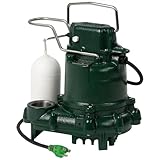
You’re staring at your basement floor, and it’s not a pretty sight. Water. Everywhere. The sump pump, your trusty little guardian against hydrostatic pressure, has apparently decided to take a permanent vacation. Now you’re scrambling, wondering if that hefty homeowners insurance premium you pay actually covers this mess. The question ‘am i covered if sump pump fails’ is probably echoing in your head louder than the dripping water.
Look, I’ve been there. That sinking feeling when you realize a important home system has given up the ghost, and you’re staring down a bill that could make your eyes water. It’s not just about the immediate cleanup; it’s about the potential damage to your foundation, your belongings, and your peace of mind.
Let’s cut through the jargon and get to what you really need to know. Most people assume insurance is a magic bullet for every home disaster, but when it comes to a failed sump pump, it’s a bit more nuanced.
Does Homeowners Insurance Pay If My Sump Pump Dies?
Here’s the blunt truth: most standard homeowners insurance policies are NOT going to cut you a check just because your sump pump decided to retire. This is a tough pill to swallow, and it’s one of the biggest misconceptions people have. I learned this the hard way a few years back. My old pump sputtered, died, and the next morning I woke up to a shallow lake in my finished basement. I called my insurance agent, confident my policy would handle it. Wrong. Turns out, mechanical failure or breakdown of a appliance isn’t typically a covered peril. It’s like expecting your car insurance to pay for an oil change; it just doesn’t work that way.
So, what does it cover? It hinges on the source of the water damage, not just the fact that water is there. If the sump pump fails due to a covered event – like a lightning strike that fries its motor, or a tree falling on your power line causing an outage that stops the pump – then your policy might kick in for the resulting water damage. But if the pump just… stops working because it’s old and worn out? That’s on you, my friend. Your insurance company sees that as a maintenance issue, not an act of God or a sudden, accidental event they’re obligated to cover.
This is where understanding your policy documents becomes less of a chore and more of a necessity. Most policies list specific perils they cover (fire, windstorm, hail, vandalism, etc.) and then have exclusions. Wear and tear, rust, corrosion, and mechanical breakdown are almost always on that exclusion list. It’s frustrating, especially when you’ve paid premiums for years, but that’s the general rule of thumb.
The typical advice is to ‘check your policy.’ Sure, but what are you actually looking for? You’re looking for language about ‘accidental discharge,’ ‘overflow of water,’ or damage from ‘power interruption.’ These phrases are your potential lifeline, but they usually need to be tied to a covered event that caused the pump to fail or the water to enter.
Think of it this way: your insurance is there to protect you from sudden, unexpected disasters, not from the normal, gradual aging of your home’s systems. A sump pump failing is usually a gradual aging process, or a single point of failure that the insurer deems your responsibility to maintain.
The amount of money I’ve personally sunk into trying to find the ‘perfect’ sump pump over the years is frankly embarrassing. I’ve bought fancy ones with battery backups, ones that boasted insane Gallons Per Hour (GPH) ratings, and even one that supposedly could text me if it detected water. Most of them worked fine until they didn’t, and none of them magically made my insurance pay out when the old one finally gave up the ghost. It’s a lesson learned, and a costly one at that.
This is why preventative maintenance is key. Ignoring that little hum or slight vibration from your pump is a gamble you don’t want to take. A proactive approach can save you a massive headache and a potentially devastating repair bill.
People often ask if flood insurance covers sump pump failure. Flood insurance, which is typically a separate policy from your homeowners insurance and often provided through the National Flood Insurance Program (NFIP) or private insurers, covers damage from ‘flooding’ – meaning surface water inundation. If your sump pump fails and causes your basement to flood from rising groundwater, flood insurance might cover the damage to the structure and your belongings if the flooding is caused by an external, covered flood event. However, it generally won’t cover the cost of repairing or replacing the sump pump itself, and often has specific requirements about the level of water inundation.
What You Should Look for in Your Policy (besides Hope)
So, you’ve got your policy document, probably buried under a pile of junk mail and pizza coupons. Now what? You need to scan it for specific endorsements or riders that might offer additional protection. While ‘sump pump failure’ isn’t typically a standard covered peril, there are ways you might get some coverage.
The most common endorsement that could help is a ‘Sewer Backup and Sump Pump Overflow Coverage’ rider. This is separate from your main policy and explicitly covers damage caused by water backing up through sewers or drains, or overflowing from your sump pump. If you live in an area prone to heavy rains or have a basement that’s seen water before, this is an absolute must-have. It’s usually not incredibly expensive, often adding just a few hundred dollars a year to your premium, but it can save you tens of thousands in damage claims. I learned this lesson after my first basement flood, and now I make sure this rider is on every policy I have, no exceptions.
When you’re looking at this rider, pay close attention to the coverage limits. How much will they pay out for water damage? Is there a deductible for this specific type of claim? Sometimes, these riders have a lower deductible than your main policy, which is a nice bonus. Also, check if it covers the cost of replacing the sump pump itself, or just the damage caused by its failure. Most will cover the damage, but the pump replacement might still be on you.
Another thing to consider is if your policy has ‘Water Damage’ coverage that is broad enough to include internal sources of water. Some policies differentiate between water damage from external sources (like a storm) and internal sources (like a burst pipe or a failed pump). You want to make sure your policy doesn’t exclude damage from internal water sources. I once had a policy that covered water damage from a burst pipe but explicitly excluded damage from a leaking appliance, which is basically what a failed sump pump is in many cases.
I remember a conversation with a fellow homeowner whose pump failed during a torrential downpour. Their insurance company initially denied the claim. They had to fight, digging through their policy to find a clause about ‘accidental discharge of water from an internal system,’ which their pump technically was. It took weeks of phone calls and reams of paperwork, but they eventually got partial coverage. It highlighted to me that you can’t just assume you’re covered; you have to actively find the coverage that’s supposed to be there.
A common mistake is thinking that because you have a battery backup for your sump pump, you’re automatically covered. The battery backup is a fantastic safeguard against power outages, which can cause your pump to fail, but it doesn’t mean your insurance will cover the damage if the pump itself fails due to age or malfunction. The backup is a mechanical solution; insurance is a financial one. (See Also: Are Pumpkin Seed Husks Edible )
So, before disaster strikes, take an hour. Pull out your policy. Read the sections on water damage, exclusions, and available endorsements. If you’re confused, call your agent. Ask specific questions about sump pump overflow and sewer backup. Don’t be shy. It’s your money and your home.
Here’s a quick look at common scenarios and how they might be covered:
| Scenario | Likely Coverage (Standard Policy) | Likely Coverage (With Rider) | My Verdict |
|---|---|---|---|
| Sump pump fails due to age/wear and tear; basement floods. | No | Yes (if rider covers overflow) | This is the most common scenario, and standard policies fail here. Get the rider. |
| Power outage causes sump pump to stop; basement floods. | Maybe (if power outage is caused by a covered peril like a storm, and policy covers resulting water damage) | Yes (if rider covers overflow) | Power outage caused by a storm is usually covered, but the pump itself failing afterward might not be. Rider is still safer. |
| Sump pump is damaged by a lightning strike; basement floods. | Yes (if policy covers lightning and resulting water damage) | Yes | A direct hit is usually covered, but the damage to the pump itself might be tricky. |
| Sump pump fails, and water backs up from the municipal sewer line. | No | Yes (if rider covers sewer backup) | This is what the sewer backup part of the rider is for. Key for many. |
The table above is a generalization, of course. Your specific policy language is the ultimate authority. But this gives you a solid idea of where you stand.
Common Mistakes That Leave You High and Dry
It’s easy to fall into traps when it comes to protecting your home from water damage, especially with something as vital as a sump pump. I’ve seen people make these blunders, and honestly, I’ve been guilty of a few myself before I really wised up.
The biggest mistake, hands down, is assuming your sump pump is a ‘set it and forget it’ appliance. These things work tirelessly, often in less-than-ideal conditions. They have a lifespan, and ignoring signs of wear and tear is just asking for trouble. I once ignored a faint grinding noise coming from my old pump for about six months, figuring it was just ‘old house sounds.’ Then, BAM. Overnight flood. The repair guy told me he could have replaced a worn bearing for about $80 a year earlier, but instead, I was looking at thousands in water damage remediation. That grinding noise? It was the pump’s motor slowly dying.
Another common error is not having a reliable backup system. Power outages are more common than you think, especially during severe weather when your sump pump is working overtime. Relying solely on the municipal power grid is a gamble. You need a battery backup or, even better, a water-powered backup pump. I finally invested in a decent battery backup system after my second basement scare, and while it’s another expense, the peace of mind is worth it. The battery itself isn’t covered by insurance if it fails, but it’s a important piece of equipment to prevent the damage that insurance might cover.
People also often misunderstand the difference between sump pump insurance and flood insurance. Flood insurance covers damage from external flooding – like a river overflowing its banks or heavy rainfall causing widespread inundation. It generally won’t cover damage from an internal plumbing failure or a malfunctioning sump pump unless that malfunction was directly caused by a broader, covered flood event. If your sump pump fails in a dry spell and your basement fills with water, flood insurance won’t touch it. You need that specific sump pump overflow rider on your homeowners policy for that scenario.
Here’s a contrarian take: Many people overspend on fancy, high-tech sump pumps with all the bells and whistles, thinking they’re buying reliability. I’ve found that a well-maintained, good quality, but not overly complicated pump often lasts just as long, if not longer, than the ones with digital displays and Wi-Fi connectivity. The complexity can be another point of failure. My current pump is a solid, cast-iron submersible model that cost me about $180, and it’s been running like a champ for four years. The $400 ‘smart’ pump before that died in two years. Focus on the basics: good construction, adequate horsepower for your needs, and a reliable float switch.
Failing to test your sump pump regularly is another massive oversight. Most experts recommend testing it at least once a month, and especially before and after any heavy rain. How do you test it? It’s simple: pour a few buckets of water into the sump pit. The pump should kick on, discharge the water, and shut off. If it doesn’t, or if it sounds odd, you know there’s a problem. I used to do this maybe twice a year. Now, I do it every month. It takes two minutes and could save me a fortune.
Finally, improper installation can doom a sump pump from the start. If the discharge pipe is too long, too short, has too many elbows, or isn’t pitched correctly, it puts undue stress on the pump motor. Make sure your installation is up to snuff, and if you’re not comfortable doing it yourself, hire a reputable plumber. A poorly installed pump will wear out faster and might not even discharge water effectively, leading to backups.
Avoid these common pitfalls, and you’ll be in a much better position to keep your basement dry and your insurance claims to a minimum.
Your Sump Pump’s Lifespan and When to Replace It
This is where honesty is brutal but necessary: sump pumps don’t last forever. They are mechanical devices with moving parts, and like any machine, they will eventually fail. Knowing the typical lifespan of a sump pump and recognizing the signs of impending doom can save you from a watery disaster and a denied insurance claim.
Generally, a sump pump’s lifespan can range from 3 to 10 years. Several factors influence this: the quality of the pump, how frequently it operates, the quality of your home’s water (sediment can wear down parts faster), and, importantly, how well it’s maintained. A pump that runs only a few times a year might last longer than one that kicks on daily during the rainy season.
I’ve had pumps die as early as year 4 and others soldier on past year 8. My current one is approaching year 5, and I’m already researching replacements. It’s not that it’s failing; it’s just proactive planning. It’s like changing the oil in your car before the engine seizes. You don’t wait for the ‘check engine’ light to come on; you change the oil on schedule.
What are the signs that your sump pump is on its last legs? Listen carefully. You might hear unusual noises: grinding, humming, or squealing. These are often indicators of worn bearings or a struggling motor. If the pump starts running longer than usual to clear the same amount of water, or if it cycles on and off rapidly (short-cycling), that’s a bad sign. Another indicator is if the pump is constantly running, even when there’s very little water in the pit. This could mean the float switch is stuck or the pump is overheating.
Visually inspect the pump and the pit. Is there excessive rust or corrosion? Is the pit clogged with debris? Sediment and debris are the enemies of sump pumps, wearing down the impeller and potentially clogging the intake. Regular cleaning of the pit is as important as cleaning your gutters. I try to do a quick pit clean-out every spring and fall, removing any leaves or muck that have accumulated. (See Also: Are Pumpkin Seed Acid Or Alkaline )
If your pump is getting old – say, 5 years or more – and you’ve noticed any of these warning signs, it’s time to seriously consider replacement. Don’t wait for it to fail. Proactive replacement is significantly cheaper than dealing with water damage remediation. A new pump might cost $150-$400, depending on the model. Water damage cleanup, on the other hand, can run into the tens of thousands of dollars, especially if it involves mold remediation or structural repairs. And remember, if the old pump fails simply due to age, your insurance likely won’t cover the replacement or the subsequent damage.
It’s also wise to consider upgrading when you replace. If you live in an area with a high water table or experience frequent heavy rains, a more powerful pump or one with a better warranty might be a worthwhile investment. Look for pumps with cast-iron housings (they are more durable than plastic) and a good warranty period (3-5 years is common for quality pumps). Some higher-end models offer multi-year warranties, which can be a good indicator of manufacturer confidence in their product.
When discussing replacement with a plumber or contractor, ask them about the pump’s duty cycle rating. This tells you how long the pump can run continuously without overheating. You want a pump with a duty cycle appropriate for your needs. For most residential basements, a pump rated for continuous duty is ideal.
Don’t forget the float switch. This is the part that tells the pump when to turn on and off. If it’s malfunctioning, the pump won’t operate correctly. There are different types: vertical float switches (common, reliable) and tethered float switches (can get caught on debris). Make sure yours is clean, unobstructed, and functioning properly.
Knowing the lifespan and paying attention to the warning signs is your first line of defense. It’s about being a responsible homeowner and understanding that some home systems require active management, not passive hope.
Practical Tips for Preventing Sump Pump Failure
Okay, so we’ve established that insurance often won’t cover a simple pump failure, and that prevention is key. But what exactly can you do to keep your sump pump running smoothly and avoid that dreaded basement flood? It’s not rocket science, but it does require a little bit of diligence.
First off, regular testing is a must. I mentioned this before, but it bears repeating. Aim for monthly tests, especially during the wet seasons. Pour a bucket of water into the pit – not too much, just enough to activate the float switch. Watch and listen. The pump should turn on, make a whirring sound as it discharges water through the pipe, and then turn off when the water level drops. If it groans, struggles, or doesn’t turn on, you’ve got a problem. I keep a dedicated bucket next to my pump pit for this exact purpose.
Second, keep the sump pit clean. This is where debris – dirt, gravel, leaves, small toys that mysteriously migrate from the kids’ play area – tends to collect. This gunk can clog the pump’s intake screen or even get sucked into the impeller, causing damage or jamming the mechanism. Every few months, or after a major storm, pull out any accumulated debris. If your pit looks like a miniature landfill, it’s time for a more thorough cleaning. I use a wet/dry shop vac for this, which makes short work of muck and water.
Third, check the discharge line. Make sure it’s not blocked or frozen. In winter, if the discharge pipe exits above ground, ice can form and create a blockage. This is a important failure point. If the pump tries to push water into a frozen pipe, it can overheat and burn out its motor. Some people install a small, heated cable along the discharge line in freezing climates, or make sure the discharge point is far enough from the house that it doesn’t freeze back. Always double-check that the pipe is clear before winter hits and after any prolonged freeze.
Fourth, install a battery backup system. I cannot stress this enough. A power outage during a heavy rainstorm is the perfect storm (pun intended) for basement flooding. A battery backup pump can keep your primary pump running for hours, giving you time to restore power or for the storm to pass. Make sure you get a deep-cycle marine battery designed for this purpose, and test the backup system periodically. You can often buy test buttons that simulate a power outage for a few seconds.
Fifth, consider a secondary pump. For added security, especially in areas with a high water table or frequent heavy rains, a second, independent sump pump can be a lifesaver. This could be a smaller pump that kicks in only when the primary pump is overwhelmed, or a completely separate system. Some homeowners install a backup pump in a separate pit.
Sixth, make sure proper discharge. Where does your sump pump send water? It needs to be discharged far enough away from your foundation so that it doesn’t simply seep back into the ground and get reabsorbed, potentially undermining your foundation or ending up back in your sump pit. Check local regulations; some areas have specific requirements for sump pump discharge. Avoid discharging near your neighbor’s property, too, unless you want a new enemy.
Seventh, inspect the float switch regularly. As mentioned, this is the control mechanism. Make sure it moves freely and isn’t obstructed by debris or wiring. A stuck float switch is a common cause of pump failure or continuous running.
Lastly, educate yourself on your pump’s specific requirements. Read the manual! It might seem obvious, but many people never even look at the manufacturer’s instructions for their specific model. They’ll tell you about maintenance, operating limits, and troubleshooting tips that are invaluable.
A little preventative care goes a long way. These practical steps are your best bet for keeping your basement dry, your belongings safe, and your insurance agent happy (by not having to file a claim for a preventable issue).
Who Pays When the Pump Fails: Insurance vs. You
This is the million-dollar question, or rather, the potentially tens-of-thousands-of-dollars question: when your sump pump fails, who is ultimately footing the bill? As we’ve dissected, the answer is rarely a simple ‘your insurance company.’ The core principle is that your homeowners insurance is designed to protect against sudden, accidental, and unforeseen events, not general wear and tear or a lack of maintenance. (See Also: Are Organic Pumpkin Seeds From China Bad )
When a sump pump fails due to age, rust, corrosion, or a simple mechanical breakdown, it’s classified as a maintenance issue. Your insurance policy will almost certainly have exclusions for such events. This means the cost of replacing the pump and any resulting water damage is your responsibility. This is why that sump pump overflow and sewer backup rider is so darn important. It’s a relatively inexpensive addition to your policy that specifically addresses these types of failures, providing coverage for the damage caused by the overflow, even if it doesn’t cover the pump replacement itself.
However, there are scenarios where insurance might step in. If the sump pump failure was a direct result of a covered peril, then your insurance policy could provide coverage. For instance:
- Lightning Strike: If lightning directly damages the pump’s motor, frying it, and the resulting water damage is covered by your policy, your insurer might pay for the damage. They may or may not cover the pump replacement itself depending on the policy wording.
- Power Surge/Outage from a Covered Event: If a severe storm causes a power surge that damages the pump, or a widespread power outage (caused by a covered event like a hurricane or wildfire) leads to flooding because the pump couldn’t run, the resulting water damage could be covered. Again, the pump replacement might be an exclusion.
- Fire or Vandalism: If a fire damages your home and, incidentally, your sump pump, or if a vandal intentionally destroys it, and the policy covers fire or vandalism, then the resulting water damage could be a covered claim.
Even in these instances, you’ll still likely have a deductible to meet. So, it’s not a free pass. You’ll need to prove that the sump pump failure was indeed a direct consequence of a covered peril, which can sometimes lead to disputes with the insurance company.
The reality is that for the most common cause of sump pump failure – its natural end-of-life – you are on your own. This is why so many homeowners, myself included, invest in backup systems and regular maintenance. It’s a form of self-insurance. The cost of a battery backup and a few hours of maintenance per year is significantly less than the cost of repairing flood damage and replacing a pump out-of-pocket.
If you’re a landlord, the situation can be even more complex. You have a duty to maintain the property, and if a tenant’s belongings are damaged due to your neglected sump pump, you could face liability beyond your insurance coverage. This reinforces the importance of proactive maintenance and the right insurance riders.
An interesting point often overlooked: some municipalities or HOAs might have regulations or recommendations regarding sump pump maintenance and discharge. While these aren’t directly insurance matters, failing to comply could potentially impact your ability to claim negligence if something goes wrong, or at least make your case weaker.
Ultimately, understanding what your policy doesn’t cover is as important as knowing what it does. For sump pump failures due to age or wear, it’s a homeowner’s responsibility. Getting that specific sump pump overflow rider is the closest you’ll get to coverage for this particular failure mode under your homeowners policy. It’s a small price to pay for significant peace of mind.
What Is the Lifespan of a Sump Pump?
The typical lifespan of a sump pump is between 3 to 10 years. This can vary significantly based on the pump’s quality, how often it operates, the water quality in your area, and the level of maintenance it receives. Pumps that run frequently or are exposed to a lot of sediment tend to have shorter lifespans.
Will My Homeowners Insurance Cover Sump Pump Replacement?
Generally, no. Standard homeowners insurance policies typically exclude damage from wear and tear, mechanical breakdown, or lack of maintenance, which are common reasons for sump pump failure. Coverage is more likely if the pump failure was caused by a specific covered peril like a lightning strike or a covered power outage.
What Is a Sump Pump Overflow Rider?
A sump pump overflow rider, often bundled with sewer backup coverage, is an endorsement you can add to your homeowners insurance policy. It specifically covers damage caused by water backing up through sewers or drains, or overflowing from your sump pump. This is the most common way to get coverage for damages resulting from a sump pump failure.
How Often Should I Test My Sump Pump?
It’s recommended to test your sump pump at least once a month, and especially before and after periods of heavy rain or potential storms. This involves pouring a few buckets of water into the sump pit to make sure the pump activates, discharges water, and shuts off correctly.
Can Flood Insurance Cover Sump Pump Failure?
Flood insurance typically covers damage from external surface water inundation. It generally will not cover damage from an internal sump pump failure unless that failure was directly caused by a broader, covered flood event. You usually need a specific sump pump overflow rider on your homeowners policy for this type of issue.
Final Verdict
So, to directly answer the question: ‘am i covered if sump pump fails?’ – often, the answer is a disappointing ‘no,’ unless the failure was directly caused by a specific event your homeowners policy covers. Think of your insurance as protection against sudden, unexpected disasters, not against the gradual aging of your home’s appliances. Your best bet is to proactively maintain your pump, invest in a battery backup, and importantly, get that sump pump overflow and sewer backup rider on your homeowners policy. It’s a small cost for a massive amount of protection against a very common and devastating household problem.
Don’t wait until you’re knee-deep in water to figure out your coverage. Pull out your policy documents now. Read them. Call your agent. Ask the tough questions. It’s far better to be slightly over-insured for this specific risk than to be caught completely off guard when your sump pump decides to take an early retirement.
Ultimately, taking a proactive approach to sump pump maintenance and securing the right insurance endorsements is about safeguarding your home and your finances. It’s about being smart, not just hoping for the best. What’s the first maintenance step you’ll take after reading this?