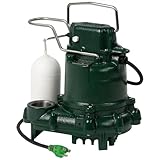
Look, basement flooding is the stuff of nightmares. You’ve probably seen those horror stories online, or maybe, just maybe, you’ve lived through the damp, musty aftermath yourself. When the rain hammers down and the water table starts climbing, your sump pump isn’t just an appliance; it’s your basement’s last line of defense. I’ve wrestled with more than my fair share of these water-moving contraptions, and let me tell you, not all pumps are created equal. So, are Barracuda pedestal sump pumps any good? That’s what we’re going to break down, no BS.
I’ve wasted enough cash on pumps that sounded great on paper but sputtered out after a season. Learning what actually works, and what’s just marketing fluff, is a hard-won battle. We’re going to get into the nitty-gritty of Barracuda pedestal models, what makes them tick, and whether they’re worth your hard-earned dough when water’s threatening your foundation.
Barracuda Pedestal Sump Pumps: What’s the Deal?
Let’s cut to the chase. Barracuda is a brand that pops up when you start digging into sump pump options, and their pedestal models are a pretty common sight.
Pedestal pumps, for the uninitiated, are the ones where the motor sits above the water line, with a long shaft extending down to the impeller. This design has its pros and cons, and Barracuda leans into some of them heavily. The main selling point, and it’s a good one, is that the motor being out of the water generally means it runs cooler and can last longer.
Plus, if the float switch is mounted up high on the pedestal, it’s less likely to get gummed up with debris than some submersible models. This makes them a popular choice for unfinished basements or sumps that might collect a bit of muck. When I first set up my workshop in my old split-level, I opted for a pedestal model because I figured fewer parts submerged meant less to go wrong.
That initial Barracuda pump I bought? It worked fine for a while, a solid four years before it finally gave up the ghost. Not bad, but I’ve had others last longer, and some die much sooner.
It’s a mixed bag, really.
Barracuda often pitches their pumps as powerful and reliable. They usually boast decent horsepower ratings, and you’ll see specs like 1/3 HP, 1/2 HP, and sometimes even 3/4 HP. For most typical basement scenarios, a 1/3 HP or 1/2 HP is going to be more than enough to handle the inflow of water.
Anything more might be overkill unless you have a massive basement or a real water problem. One thing I’ve noticed with Barracuda, and this is just my opinion based on a few units I’ve dealt with, is that while they have the power, the build quality can sometimes feel a little… lightweight. The plastic housing on the pump body itself, and even the impeller, can sometimes feel less solid than I’d like.
It’s not a deal-breaker, but it’s something to be aware of when you’re comparing them side-by-side with some of the heavier-duty cast-iron submersible units out there. The pedestal design itself, while offering advantages, also means it takes up more vertical space. You need to make sure you have enough clearance in your sump pit for the entire unit, motor and all. If your pit is shallow or oddly shaped, a submersible pump might actually be a better fit, despite the potential motor longevity trade-offs.
When people ask me about Barracuda, my first thought is usually, ‘Are they bad?’ No, not by a long shot. They’re generally in the mid-tier of the market, offering a reasonable balance of price and performance. You’re not getting a top-of-the-line, heavy-duty industrial pump, but you’re also not paying for one. The key is managing expectations. These are designed for average homes with average water issues. If you’re in a flood zone or have a basement that routinely looks like a swimming pool, you might need to look at something more industrial-grade, or at the very least, have a solid backup system in place.
What to Look for in a Barracuda Pedestal Sump Pump
So, you’re considering a Barracuda pedestal pump. What specific features should you be keeping an eye out for? Beyond just the horsepower, which, as I mentioned, usually doesn’t need to be astronomical, look at the construction materials. While a lot of these are plastic, some are better than others.
Is the casing sturdy? Does it feel like it’ll withstand a bit of jostling? The impeller is another important piece.
It’s the part that actually moves the water, and if it’s flimsy plastic that can easily break or clog, you’re going to have problems. Some Barracuda models use thermoplastic impellers, which are generally fine, but I’ve always felt a bit more confident with units that have a more solid, perhaps even metal, impeller if available in their lineup. I once had a cheap plastic impeller shatter on me during a heavy rainstorm.
The pump was still running, making a horrible grinding noise, but no water was moving. Talk about a false sense of security.
Next up is the float switch. This is the on/off mechanism. For pedestal pumps, you’ll typically find either a tethered float or a vertical float. The tethered ones hang from a rod and pivot as the water level changes.
The vertical ones are mounted higher up on the pedestal and slide up and down. For a pedestal pump, I strongly prefer a vertical float switch. Why? (See Also: Are Pumpkin Seed Husks Edible )
Because with a pedestal design, the sump pit can sometimes accumulate sediment. A tethered float can get snagged on this debris, preventing the pump from kicking on or causing it to cycle erratically.
A vertical float, being higher up, is generally less susceptible to this. Also, check how long the power cord is.
You don’t want to be wrestling with extension cords or finding out your pit is just a foot too far from an outlet. Standard cords are usually 10-15 feet, which is often sufficient, but it’s worth measuring your setup beforehand.
Another factor is the discharge pipe size. Most Barracuda pumps will have a standard 1.5-inch or 2-inch discharge outlet. Make sure this matches the piping you already have in place or are planning to install.
Trying to force a smaller pipe onto a larger outlet, or vice versa, is just asking for leaks and reduced efficiency. Barracuda’s literature often highlights their ‘non-clogging’ impeller design, and this is something to pay attention to. While no pump is truly clog-proof, some designs are better than others at handling small solids and debris that might find their way into the sump pit. Look for features like larger intake screens or impellers with wider vanes.
I’ve found that even with a decent pump, occasional maintenance to clear out any accumulated gunk from the pit is important for longevity. Don’t just set it and forget it, especially if you have an older home or areas where soil erosion is a concern.
Barracuda Pedestal Sump Pump Features Comparison
| Feature | Barracuda Model (Example) | My Verdict |
|---|---|---|
| Horsepower | 1/3 HP – 1/2 HP (Common) | Adequate for most homes. Don’t overbuy unless you truly need it. |
| Motor Type | Above-water motor (Pedestal Design) | Good for heat dissipation and potential longevity, but takes up more space. |
| Float Switch | Vertical float often preferred | Important for reliability in varied sump conditions. Make sure it’s well-mounted. |
| Impeller Material | Thermoplastic | Functional, but can feel less durable than metal. Keep an eye out for damage. |
| Housing Material | Durable Thermoplastic | Generally fine, but feel it. Does it feel solid or flimsy? |
| Discharge Size | 1.5″ or 2″ | Make sure compatibility with your existing plumbing. |
Common Mistakes When Choosing or Installing a Barracuda Pedestal Sump Pump
One of the biggest blunders I see people make, and I’ll admit I’ve been guilty of it myself, is buying a pump based solely on horsepower. You see a 1/2 HP pump and think, ‘Wow, that must be better than a 1/3 HP!’ In reality, for a standard residential sump pit, a 1/3 HP pump will often do the job perfectly well. Unless you have a massive basement, a very high water table, or multiple springs feeding your sump, you’re likely paying for power you’ll never use. Over-spec’ing a pump can sometimes even lead to it cycling too rapidly, which can shorten its lifespan. It’s like using a fire hose to water your houseplants – unnecessary and potentially damaging.
Another common pitfall is improper installation. This isn’t just about plugging it in. The pedestal needs to be stable.
If the pump wobbles, it can cause undue stress on the motor and shaft. Make sure it’s sitting on a firm, level surface at the bottom of the pit.
Also, the float switch needs unobstructed movement. I’ve heard stories of people installing a pump and then noticing it wasn’t kicking on correctly. Come to find out, a piece of stray piping or debris was preventing the float from rising fully.
You need to give that float room to breathe and do its job. And don’t forget about the discharge pipe.
A kinked or improperly sloped discharge line can reduce the pump’s efficiency and put strain on the motor. Make sure the water has a clear, downward path away from your foundation.
A mistake I made early on, and it cost me a flooded basement and a significant repair bill, was not having a backup. I had a reliable-seeming Barracuda pedestal pump installed, and I thought, ‘Great, I’m covered.’
Then, we had that freak ice storm one winter. The power went out for 36 hours straight. My sump pump, naturally, was useless.
When the ice melted and the rain started, my basement filled faster than I could bail. This is where battery backups or even water-powered backup pumps come in. Everyone, and I mean everyone, should have a backup system. It doesn’t matter if you have the best Barracuda pedestal sump pump in the world if the power grid fails.
For a few hundred dollars, a battery backup system can save you tens of thousands in water damage. It’s the single best piece of advice I can give on this topic. (See Also: Are Pumpkin Seed Acid Or Alkaline )
Real-World Use and Experiences with Barracuda Pumps
I’ve had two Barracuda pedestal sump pumps in my life. The first one was in my old fixer-upper house.
It was a basic 1/3 HP model, installed by the previous owner. For the first three years I lived there, it performed without a hitch.
The basement was mostly dry, and it only ran during heavy rains or when the snow melted in spring. It was a fairly quiet unit, too, which was a bonus. You could hear it kick on, but it wasn’t an obnoxious roar. The biggest issue I had with it was the float switch eventually getting sluggish.
It was a tethered float, and I suspect some sediment built up around it, making it stick occasionally. I had to manually jiggle it a couple of times to get it to start. That’s when I started looking into vertical floats for my next pump.
My second Barracuda was a 1/2 HP model I bought myself a few years later for a different property. I specifically chose a model with a vertical float switch, remembering the hassle with the old one. This one felt a bit more powerful, which was good because the sump pit there was a bit larger.
It handled the water well for about five years. My only real complaint here was the plastic casing. I noticed a hairline crack develop near the discharge pipe after about four years.
It wasn’t leaking, but it made me nervous. I ended up replacing it proactively, not because it failed, but because I didn’t want that crack to turn into a catastrophic failure during a storm.
Again, it’s not a bad pump, but the materials sometimes feel like they’re cutting corners to keep the price down. You get what you pay for, and with Barracuda, you’re getting a functional pump that will likely get you through several seasons, but perhaps not a decade or more of constant service.
When I talk to friends or family about sump pumps, I always tell them to consider the environment. Is your sump pit clean and clear, or is it a gravel pit that’s going to churn up silt?
If it’s the latter, even the best Barracuda pump might struggle long-term. Consider a sump pit liner with a gravel base, or even a filter bag around the intake. These simple steps can significantly extend the life of any pump, Barracuda included. It’s about giving the pump the best chance to succeed.
I’ve seen online forums where people are absolutely trashing Barracuda, saying they’re junk. And I get it; if you had one fail spectacularly, you’d be mad. But I’ve also seen people rave about them lasting ten years. It really comes down to installation, maintenance, and the specific conditions of your basement and sump pit.
They’re not high-end, but they’re also not absolute garbage for most homeowners.
Barracuda Pedestal Sump Pump vs. Competitors
When you’re shopping for a sump pump, Barracuda is often competing with brands like Wayne, Little Giant, and sometimes even Zoeller (though Zoeller tends to be a step up in price and build quality). How does Barracuda stack up?
Generally, Barracuda sits in a similar price and performance bracket as Wayne. Both offer a range of pedestal and submersible pumps, often with similar horsepower ratings and plastic construction for their entry-level and mid-range models.
Wayne pumps are incredibly common, and I’ve had a few of those too. Honestly, the performance difference between a comparable Wayne and Barracuda model is often negligible in my experience.
They both serve the same purpose: moving water out of your basement. The choice often comes down to price, availability, or maybe just what’s on sale at your local hardware store. (See Also: Are Organic Pumpkin Seeds From China Bad )
Little Giant is another big name, and they’re often considered a bit more reliable for their price point. They tend to have a reputation for slightly better build quality, especially in their cast-iron submersible models. If you’re looking at pedestal pumps, the comparison is still fairly close, but Little Giant might offer a bit more peace of mind in terms of component durability. I had a Little Giant submersible pump that ran for 12 years straight in a rental property with minimal fuss. That kind of longevity is what you hope for. However, their pedestal options might not always be as readily available or as competitively priced as Barracuda or Wayne, depending on the retailer.
Zoeller, on the other hand, is often seen as the gold standard. Their pumps, particularly their cast-iron submersible units, are built like tanks. They’re more expensive, no doubt about it.
If you’re in a high-risk flood area or have a very demanding sump situation, spending the extra money on a Zoeller might be a wise investment. For a typical home with occasional water issues, a Zoeller might be overkill, and a Barracuda or Wayne would be perfectly adequate.
The trade-off is always price versus perceived reliability and lifespan. Barracuda offers a more budget-friendly entry into sump pump ownership, which is attractive for many homeowners. Just understand that the trade-off for that lower cost is often slightly less solid materials and potentially a shorter lifespan compared to the premium brands.
It’s a calculated risk, but one that many people are willing to take.
Frequently Asked Questions About Barracuda Pedestal Sump Pumps
Are Barracuda Pedestal Sump Pumps Good for Large Basements?
For very large basements with significant water intrusion issues, a standard Barracuda pedestal sump pump might not be enough. While they offer various horsepower options, for consistently high water levels or rapid flooding, you might need a higher-capacity pump, possibly a heavy-duty submersible model or even a commercial-grade unit. Always assess the volume of water you typically deal with.
Can I Install a Barracuda Pedestal Sump Pump Myself?
Yes, you can typically install a Barracuda pedestal sump pump yourself if you have basic plumbing and electrical knowledge. Make sure you have a properly sized sump pit, a dedicated electrical outlet, and a discharge line that directs water safely away from your foundation. Always follow the manufacturer’s installation instructions carefully.
How Often Should I Maintain a Barracuda Pedestal Sump Pump?
It’s recommended to test your Barracuda pedestal sump pump at least once every few months, and especially before and after periods of heavy rain. Simply pour water into the sump pit to activate the pump and make sure it runs, empties the pit, and shuts off correctly. Clean out any debris from the sump pit and around the pump intake periodically.
What Is the Typical Lifespan of a Barracuda Pedestal Sump Pump?
The typical lifespan of a Barracuda pedestal sump pump can range from 5 to 10 years, depending on usage, maintenance, and the specific model. Some users report them lasting longer, while others experience failures sooner. Factors like frequent cycling, water quality, and installation environment play a significant role.
Are Barracuda Sump Pumps Reliable During Power Outages?
No, Barracuda pedestal sump pumps, like most standard sump pumps, are not reliable during power outages. They require electricity to operate. For protection during blackouts, it is highly recommended to install a battery backup sump pump system or a water-powered backup pump.
The Bottom Line on Barracuda Pedestal Sump Pumps
So, after all this, are Barracuda pedestal sump pumps any good? My honest take is that they are a decent, mid-range option for the average homeowner facing typical basement water challenges.
They’re not the absolute best you can buy – you’re not getting the bomb-proof reliability of a premium brand like Zoeller. However, they are also not the worst. They provide functional water removal at a price point that’s accessible for most budgets. The pedestal design offers some advantages, like keeping the motor out of the water, which can contribute to its longevity, and they’re often straightforward to install and maintain.
My personal experiences have been mixed but generally positive; they’ve done their job for several years before I felt the need to upgrade or replace them due to minor concerns rather than outright failure. The key is to buy the right size for your needs, install it correctly, and importantly, have a backup system ready for power outages. Don’t expect them to last forever without any care, and be realistic about the build materials. If you’re looking for a workhorse that won’t break the bank, a Barracuda pedestal pump is a solid contender, but always have that backup plan in mind.
Final Verdict
When all is said and done, the question ‘are Barracuda pedestal sump pump any good?’ doesn’t have a simple yes or no answer. They are a functional piece of equipment that gets the job done for a lot of people. I’ve found them to be reasonably reliable for the price, and for many average-sized basements, they’re perfectly adequate. Just remember what I learned the hard way: a sump pump is only one part of the equation. A good installation, regular check-ups, and a battery backup are just as vital as the pump itself. Don’t get caught off guard by a storm when the power goes out; that’s when you’ll really wish you had that backup.
So, if you’re in the market and the Barracuda fits your budget and specifications, it’s definitely worth considering. Just go in with your eyes open, understand its limitations, and treat it with a bit of preventative care. It might just save your basement from becoming a swimming pool. Make sure you check the discharge size and make sure your float switch has clear movement before you finalize that purchase.