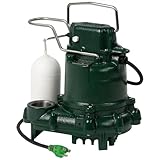
Rain was hammering down like a drum solo gone rogue. I was about three hours into what I thought was a solid eight hours of sleep when I heard it – that telltale gurgle. Not the usual sound of the house settling, but the sound of water deciding it didn’t care about my finished basement anymore. My mind immediately went to the sump pump I’d installed years ago.
But then I remembered the salesman’s oily assurance about ‘total peace of mind,’ which usually translates to ‘you’ll be buying more stuff from me later.’ This brings me to a question many homeowners wrestle with: are back up systems and sump pumps the same thing? The short answer is no, and understanding that difference can save you a soggy, expensive nightmare.
Seriously, nobody wants to wake up to a swimming pool where their laundry room used to be. The distinction between a sump pump itself and a backup system is important, and I’ve learned this the hard way, watching a cheap battery fail and a storm surge laugh in the face of a single pump system. So, let’s break down what you really need to know about keeping your basement dry when Mother Nature decides to throw a tantrum.
So, What Actually Is a Sump Pump?
Alright, let’s clear the air first. A sump pump isn’t some fancy gadget that magically repels water. It’s a workhorse, a simple machine designed to do one job: pump water out of a pit in your basement or crawl space. Think of it as the goalie for your lowest level. When groundwater levels rise, either due to heavy rain, snowmelt, or just a high water table, this water collects in a specially dug hole called a sump pit. The pit is usually at the lowest point of your basement. When the water in the pit reaches a certain level, a float switch – kind of like the float in your toilet tank – activates the pump.
The pump then kicks in and literally sucks the water out of the pit and discharges it through a pipe (a discharge line) that carries it away from your house’s foundation. It’s a pretty straightforward mechanical process. Most sump pumps are electric, meaning they need a reliable power source to function.
This is where things get tricky, especially during storms. If the power goes out, and your sump pump relies solely on your home’s electricity, it’s about as useful as a screen door on a submarine. I learned this the hard way during a major storm a few years back.
The power flickered off for about six hours, and in that time, my sump pit filled up and started backing up into the basement. I had a brand-new pump, but it was useless without juice.
That night cost me about $800 in water damage cleanup and a lesson I won’t forget.
The common advice is to get a submersible pump if you can, as they tend to be quieter and last longer because the water cools them. Pedestal pumps, where the motor is above the pit, are cheaper but can be noisier and more prone to failure from moisture. Either way, they are just the first line of defense. They are designed to handle normal to moderately heavy water intrusion. If you live in an area with a high water table, frequent heavy rains, or suspect your foundation might have drainage issues, relying on just the main pump is a gamble you don’t want to take.
They also need maintenance. I found out that leaves and debris can clog the intake screen or the float switch. It’s not rocket science; just a quick check every few months, especially before rainy season, can save you a world of hurt. But even a perfectly maintained pump can’t overcome a power outage or a system failure. That’s where the backup comes in.
Why the Main Pump Isn’t Enough: The Backup Story
Okay, so you’ve got your trusty sump pump. It’s humming along, doing its thing. But what happens when the power grid decides to take a nap during a torrential downpour? Or, even worse, what if the main pump itself dies a silent, watery death mid-storm? This is precisely why backup systems exist, and they are absolutely NOT the same as your primary sump pump. Think of your main sump pump as your primary defense, and the backup system as your elite special forces unit that springs into action when the primary is compromised.
The most common type of backup is a battery-powered sump pump system. These systems typically include a secondary pump and a deep-cycle marine battery (the kind you use for boats) housed in a water-resistant case. When the main pump fails to activate or the power goes out, sensors or a float switch in the backup system detects the rising water level and kicks on the secondary pump. This pump then does the same job as the primary: it pumps water out of the sump pit and away from your house. (See Also: Are Pumpkin Seed Husks Edible )
The battery provides the power, allowing it to function independently of your home’s electrical supply. I invested in one of these after my basement flooded, and the peace of mind it provided during the next big storm was worth every penny.
It wasn’t cheap, mind you – I dropped about $400 for the pump and battery combo – but seeing it kick in automatically when the power went out was a relief I can’t overstate.
Another type of backup is a water-powered sump pump. These systems use your home’s municipal water supply to create suction, drawing water out of the pit and discharging it. They don’t rely on electricity at all. The upside is they can run indefinitely as long as you have water pressure. The downside? They can use a lot of water, potentially increasing your water bill, and their pumping capacity might be less than an electric pump, especially in lower water pressure situations. I’ve heard mixed reviews on these; some folks swear by them, others say they’re a gimmick. I lean towards battery backups because they don’t rely on another utility that might also fail in a widespread disaster.
The key takeaway here is that a backup system is an entirely separate unit designed to take over when the primary fails. It’s a redundancy layer. You don’t just buy a ‘backup pump’ and assume it works with your existing setup without proper installation. These systems are engineered to work in tandem, or as a complete replacement, making sure that water doesn’t get a chance to wreak havoc. The common advice is to test your backup system at least twice a year, just like your primary pump. Pour a bucket of water into the pit and see if it activates. If you haven’t done this, do it. Now.
The ‘how It Works’ Deep Dive: Pit, Pump, and Power
Let’s get granular about how these systems actually function, because understanding the mechanics helps you appreciate their importance and limitations. It all starts with the sump pit, that hole dug in your basement floor. This pit is usually lined with gravel or perforated pipe to allow groundwater to seep into it. It’s the collection point. As groundwater levels rise around your foundation, it flows through the soil and concrete and into the pit. The pit itself is typically made of plastic or concrete and has an open bottom or sides to collect water.
Inside this pit sits your primary sump pump. Most are electric. They have an impeller, which is like a fan or propeller. When the pump motor spins, the impeller spins too. This creates a low-pressure area that draws water up into the pump housing and then forces it out through the discharge pipe. The float switch is attached to the pump. As the water level rises in the pit, it lifts the float. When the float reaches a pre-set height, it triggers a mechanical or electrical switch that turns the pump ON. When the water level drops, the float lowers, and the switch turns the pump OFF. Simple, elegant, and effective – until the power goes out.
This is where the backup system slides in. For a battery backup, there’s usually a second float switch or a control panel that monitors the water level independently. If the primary pump doesn’t kick on when it should, or if the power to the house is cut, this secondary system activates. It has its own pump, often smaller than the primary but still capable of moving a significant amount of water, and it runs off a battery. These batteries are deep-cycle, meaning they’re designed to be discharged and recharged repeatedly, unlike a car battery that’s meant for short bursts of power. The battery itself is usually stored in a sealed, vented box to prevent any harmful gasses from accumulating.
For water-powered backups, the mechanism is different. They connect to your home’s water line. When the water level rises, a mechanism in the pump senses it and opens a valve, allowing pressurized water from your main line to flow through a venturi effect. This creates a vacuum that sucks water from the sump pit and forces it out through the discharge pipe. It’s like a siphon effect powered by your water pressure. It’s clever, but again, you’re dependent on municipal water pressure, which can also be affected by large-scale emergencies.
The important link is the power. Your primary pump is dependent on your home’s electrical grid. Your battery backup is dependent on the battery’s charge and capacity. Your water-powered backup is dependent on your home’s water supply. Understanding these dependencies is key to choosing the right protection. It’s not just about the pump; it’s about the entire system and its potential failure points.
What to Look for: Features That Actually Matter
When you’re out shopping for a sump pump or a backup system, it’s easy to get overwhelmed by specs and jargon. Forget the marketing fluff. What do you really need to look for? First off, the pump’s horsepower (HP). For most typical homes, a 1/3 HP pump is sufficient. If you have a larger basement or experience very high water levels, you might consider a 1/2 HP or even a 3/4 HP pump. More HP means it can move more water faster, but it also uses more electricity. Don’t just crank up the HP thinking it’s always better; match it to your needs.
Next, consider the discharge pipe size. Most pumps come with a 1-1/4 inch or 1-1/2 inch discharge outlet. Make sure the discharge pipe you install is the same size or larger to avoid any back pressure. Also, look at the pump’s vertical lift capacity, also known as the ‘head.’ This is how high the pump can push water. Make sure it’s sufficient for the distance from your pit to where the water is being discharged outside your home. A pump that can’t lift the water high enough is useless, no matter how powerful it is. (See Also: Are Pumpkin Seed Acid Or Alkaline )
For backup systems, battery capacity is king. Look for pumps that come with or recommend a deep-cycle marine battery. The amp-hour (Ah) rating tells you how much power the battery can store. A higher Ah rating means it can run the pump for longer. Some systems have battery backup chargers that plug into your main power. When the power is on, they keep the battery topped up. This is great, but remember, if the power is out for an extended period, the charger stops working, and you’re solely reliant on the battery’s stored power. Some advanced systems include battery monitors that tell you the battery’s charge level and how long it can last.
I’ve seen some cheaper battery backups that use a standard car battery. This is a false economy. Car batteries are not designed for continuous discharge and will die much faster, leaving you unprotected. Another feature to look for is an alarm system. Many backup pumps come with an audible alarm that sounds when the pump activates, letting you know it’s working (or that there’s a problem). Some even have remote notification features that can text or email you if the pump activates or the power goes out. This is a godsend if you’re away from home during a storm.
Here’s a quick table to help you compare:
| Feature | Primary Sump Pump | Battery Backup System | Water-Powered Backup | My Verdict |
|---|---|---|---|---|
| Power Source | House Electricity | Deep-cycle Battery | Municipal Water Pressure | Battery is most reliable if house power fails. |
| Dependence | Home Power Grid | Battery Charge/Capacity | Water Supply | Water-powered relies on another utility. |
| Installation Complexity | Moderate | Moderate (with battery) | Moderate to High (plumbing) | Battery systems are generally easier DIY installs. |
| Ongoing Cost | Minimal (electricity) | Battery Replacement (3-5 yrs) | Water Bill Increase | Battery replacement is predictable; water bill can fluctuate. |
| Maintenance | Regular cleaning, testing | Battery testing, charger check | Valve check, water pressure check | All require regular checks, but battery is simpler. |
Don’t skimp on the battery. It’s the heart of your backup system. A good quality battery can make the difference between a dry basement and a disaster. I’d rather spend a bit more on a reliable battery and pump than deal with water damage again.
Common Mistakes and Why They Cost You
You’d think protecting your home from water would be straightforward, but so many people screw it up. The most common mistake, by far, is assuming your primary sump pump is enough. As I’ve hammered home, this is a terrible assumption, especially in areas prone to flooding or power outages. People see the pump, they hear it working when it rains, and they think they’re covered. They don’t consider the ‘what ifs.’ What if the power goes out? What if the pump fails? What if the float switch gets stuck? These are not rare events. They happen.
Another huge mistake is buying the cheapest option available. I’ve fallen for this trap myself. I bought a $70 sump pump once, thinking, ‘How complex can it be?’ It lasted about a year and a half before giving up the ghost, right during a heavy rain. My cheapness cost me more in the long run because of the minor water damage and the hassle of replacing it under pressure. You need a reliable pump, and backup systems are not the place to pinch pennies. A decent battery backup system can run you several hundred dollars, and that’s money well spent for the protection it offers. Think of it as insurance, but instead of a payout, you get a dry basement.
Improper installation is another minefield. A sump pump discharge line that just dumps water next to your foundation is useless. The water needs to be carried far enough away – at least 10-20 feet, depending on your soil type and slope – so it doesn’t just seep back into your basement. Also, if the discharge pipe freezes in winter, water can back up into the pit and freeze the pump solid. Many people don’t consider winterization or making sure their discharge pipe has a freeze-resistant outlet or a way to prevent freezing.
For backup systems, not testing the battery is a massive oversight. Batteries degrade over time. A battery that’s five years old might not hold enough charge to get you through a prolonged outage. You need to test it regularly, at least twice a year, and plan to replace it every three to five years, depending on the type and usage. Some batteries are rated for longer, but it’s better to err on the side of caution. The cost of a new battery is minuscule compared to the cost of repairing water-damaged walls, floors, and belongings.
Finally, people often overlook the sump pit itself. Is it the right size? Is it clean? A pit that’s too small will fill up faster, forcing the pump to cycle more often, which can shorten its lifespan. Debris in the pit can clog the pump’s intake or damage the impeller. Regular cleaning of the pit and checking the pump’s impeller for obstructions should be part of your routine maintenance. It’s not glamorous, but it’s necessary.
When Is a Sump Pump Considered ‘backup’?
A sump pump is considered a ‘backup’ when it is a separate, secondary unit installed alongside a primary sump pump. Its sole purpose is to activate and pump water only when the primary pump fails to operate, typically due to a power outage or a mechanical malfunction. It relies on its own power source, usually a battery, to function independently.
Can a Regular Sump Pump Be Used as a Backup?
No, not effectively. A regular sump pump is designed to run on your home’s electricity. If the power goes out, it stops working. A true backup system needs an independent power source, like a battery, to function when the primary pump cannot. You can’t just plug a secondary pump into the same circuit and expect it to work during a power failure. (See Also: Are Organic Pumpkin Seeds From China Bad )
What Powers a Backup Sump Pump?
Backup sump pumps are primarily powered by a deep-cycle marine battery. This battery provides the electrical power needed to operate the backup pump when the house’s main power is unavailable. Some systems also include a battery charger that keeps the battery charged when the main power is on.
What Is the Difference Between a Primary and Secondary Sump Pump?
The primary sump pump is the main unit that runs on your home’s electricity and is designed to handle regular water intrusion. The secondary sump pump, or backup pump, is a separate unit installed to activate only when the primary pump fails or when the power goes out. It typically uses a battery for power.
How Often Should I Test My Backup Sump Pump?
You should test your backup sump pump at least twice a year, ideally in the spring before the heavy rain season and again in the fall. Pouring a bucket of water into the sump pit and observing if the backup pump activates is a good way to make sure it’s operational and that the battery is sufficiently charged.
The True Cost of Not Having Adequate Protection
Let’s talk brass tacks. Water damage is expensive. We’re not just talking about replacing a carpet here or there. We’re talking about structural damage, mold remediation, ruined furniture, damaged drywall, and potentially even foundation issues. The initial cost of a sump pump and a decent battery backup system might seem like a significant upfront investment – I spent about $600 total for a good primary pump and a reliable battery backup system a few years ago. But this is a fraction of what you’ll spend if your basement floods without adequate protection.
I had a neighbor whose basement flooded significantly during a storm. The power went out, their old sump pump died, and they didn’t have a backup. The water was about two feet deep. The cleanup cost them close to $15,000. This included ripping out drywall, replacing flooring, professional mold treatment, and replacing all their stored furniture and appliances. All that, and they still had to deal with the lingering dampness and the fear of it happening again. That $600 investment in a backup system feels like pocket change compared to a $15,000 disaster.
Mold is another nasty consequence. Once water infiltrates your basement, it creates the perfect humid environment for mold growth. Mold isn’t just unsightly; it can cause serious respiratory problems and allergies. Remediation can be costly and time-consuming, often involving professional services to safely remove and treat affected areas. The long-term health implications can be even more significant. Ignoring basement water issues because you don’t want to spend a few hundred dollars is a gamble with potentially devastating financial and health consequences.
Beyond the direct costs, there’s the loss of use of your basement space. Whether you use it for storage, a home office, a gym, or just living space, a flooded basement renders it unusable for extended periods. Repairs can take weeks or even months, depending on the extent of the damage and the availability of contractors. This disruption to your home life is an intangible cost, but it’s a real one.
Think about your possessions. Family heirlooms, important documents, seasonal clothing, tools, hobby equipment – all are vulnerable. The emotional toll of losing these items, especially those with sentimental value, is immeasurable. A reliable sump pump and a solid backup system are not luxuries; they are necessities for protecting your home, your health, and your belongings from the destructive power of water. The question truly isn’t ‘are back up systems and sump pumps the same thing?’ but rather, ‘can I afford to find out the hard way?’ The answer, based on my experience and the experiences of many others, is a resounding no.
Final Thoughts
So, to circle back to the main point: no, back up systems and sump pumps are not the same thing. A sump pump is the primary line of defense, and a backup system is the important secondary layer that protects you when the primary fails. I’ve learned firsthand that assuming your single pump is enough is a recipe for disaster, especially when storms hit and the power inevitably goes out. The cost of a reliable battery backup system is a small price to pay for the peace of mind it offers.
Don’t wait until you hear that gurgle and see water creeping across your floor. Do your homework, invest in a quality primary pump, and absolutely get a battery backup. Test both systems regularly. It’s about protecting your home, your belongings, and your sanity. Because nobody wants to deal with a flooded basement. It’s a mess you can, and should, avoid.
If you’ve experienced basement flooding, you know the stress it brings. Make sure your home is protected against the next inevitable downpour. Check your current setup, and if it’s lacking, make a plan to upgrade. Your future self will thank you.