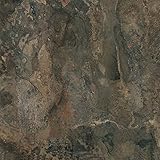
I still remember the first time I saw a kitchen with charcoal grey tiles. It was at my cousin Brenda’s place about five years ago. She’d gone all-in, from the backsplash all the way down to the floor. My initial thought? ‘Bold. Maybe too bold.’ Brenda, bless her heart, has always been a trendsetter, but sometimes her trends have a shorter shelf life than a carton of milk on a hot day. So, when people start asking if dark tile kitchen floors are a trend, I pull out my notepad and my years of kitchen floor trauma and tell them the unvarnished truth.
It’s not just about aesthetics; it’s about living with it. I’ve chipped my fair share of tiles, battled grout lines that look like miniature Grand Canyons, and cursed products that promised the moon and delivered mud. So, when you’re wondering, ‘are dark tile kitchen floors a trend?’, let’s cut through the glossy magazine photos and talk about what it’s really like.
The ‘cool Factor’ vs. The Real Deal
Let’s be honest, dark tile kitchen floors look undeniably sleek in photos. That deep, moody charcoal, the rich espresso brown, or even a dramatic black can instantly make a kitchen feel sophisticated and modern. It’s a look that’s often paired with white or light-colored cabinets to create a striking contrast, or with darker wood tones for a more subdued, grounded vibe. Think of it as the little black dress of kitchen flooring – it’s supposed to be timeless and chic.
But here’s where my years of practical experience kick in, and where many design blogs conveniently gloss over things. That ‘cool factor’ comes with a price tag, not just in dollars, but in daily upkeep and potential headaches. I once installed dark grey porcelain tiles in a rental property, thinking they’d be a breeze. They looked fantastic for about two weeks. Then, the reality of dropped flour, tiny crumbs, and the occasional splatter from cooking a greasy stir-fry set in. On a dark floor, everything shows. Every speck of dust, every pet hair, every water spot. It’s like having a built-in dirt detector that’s always on high alert.
I’ve learned the hard way that what looks good in a staged photo shoot is a whole different beast when you’re actually living in the space. My own kitchen floor, a medium-toned beige tile I chose somewhat reluctantly, has seen its fair share of culinary chaos. But even that shows more than I’d like. So, when I see those ultra-dark floors, I can’t help but mentally track the cleaning schedule required.
It’s not a passive ‘sweep once a week’ kind of floor. It’s more of a ‘mop if you breathe too heavily’ kind of situation.
I’ve found that while a light floor might show mud tracked in from outside, a dark floor shows the absence of cleaning just as readily. It’s a constant battle against visual clutter.
What to Actually Look for (beyond the Shade)
So, if you’re still set on dipping your toes into the dark side of kitchen flooring, let’s talk about what really matters, beyond just the color. The material and the finish are far more important than whether it’s black or dark grey. Forget the trends for a second and think about durability and ease of maintenance. My go-to recommendation for a kitchen floor, regardless of color, is porcelain tile. It’s incredibly hard-wearing, water-resistant, and relatively stain-resistant compared to other materials like natural stone or even some types of ceramic. It’s also less prone to chipping than you might think, especially thicker tiles.
When I’m looking at dark porcelain tiles, I’m paying close attention to the finish. A high-gloss, polished dark tile is a nightmare. It’s like walking on an ice rink when wet, and it shows every single fingerprint and smudge. I’d much rather opt for a matte or textured finish.
A matte finish diffuses light, making it less likely to show minor imperfections, and it offers better grip. Textured tiles, like those with a subtle stone-like pattern or a slight relief, are even better because they can help camouflage minor debris and wear. I once had a friend who installed a very glossy, almost mirror-like dark tile in her kitchen, and the amount of time she spent polishing it was frankly astonishing. (See Also: Can Baking Soda Be Use To Clean Tile Floors )
It looked stunning for about ten minutes after she cleaned it, then it was back to showing every watermark.
The size of the tile also plays a role. Larger format tiles (think 12×24 inches or even larger) mean fewer grout lines. This is a HUGE win. Grout is the Achilles’ heel of tile flooring. It can stain, crack, and become a breeding ground for grime. Less grout means less maintenance. So, if you’re going dark, consider a large-format porcelain tile with a matte or textured finish. It’s the most practical approach to achieving that desired dark aesthetic without signing yourself up for a lifetime of obsessive cleaning.
Tile Material Comparison (my Verdict)
| Tile Material | Pros (for Dark Floors) | Cons (for Dark Floors) | My Verdict |
|---|---|---|---|
| Porcelain | Extremely durable, water/stain resistant, wide variety of colors/finishes. Best for heavy traffic. | Can be harder to cut, heavier, potential for grout maintenance. | My top pick. Reliable, looks good if you pick the right finish. |
| Ceramic | More affordable than porcelain, easier to cut. | Less dense, more prone to chipping/cracking, can absorb moisture if not glazed properly. | Okay for low-traffic areas, but I’d avoid for a busy kitchen. |
| Natural Stone (e.g., Granite, Slate) | Unique, beautiful patterns, can be very durable (granite). | Porous (requires sealing), can be expensive, some are prone to etching/staining, grout lines are a big issue. | Gorgeous, but high maintenance. Not for the faint of heart or busy families. |
| Luxury Vinyl Tile (LVT) | Waterproof, durable, can mimic stone/tile look, easier install. | Can dent or scratch with heavy furniture, quality varies wildly. | A decent budget-friendly, low-maintenance alternative, but doesn’t quite have the same ‘wow’ factor as real tile. |
Common Mistakes and How to Dodge Them
People often fall in love with the idea of a dark kitchen floor and completely overlook the practical implications. The first big mistake is choosing a high-gloss finish. I’ve seen it so many times. Someone falls for the dramatic shine, installs it, and then spends the next five years wondering why their kitchen always looks dirty or streaky. That polished surface is a fingerprint magnet and a dirt magnet. It’s like putting a giant spotlight on every single dust bunny that dares to settle. My advice? Stick to matte or textured finishes. They hide imperfections way better and are far less slippery.
Another common blunder is underestimating the grout. Dark tiles mean dark grout, right? Not always, and that’s where things can go wrong. If you choose a dark tile and then opt for a light or medium-colored grout, you’re basically drawing attention to every tiny crumb or splash that lands on it.
It becomes a visual mess. Conversely, if you go with black grout on black tiles, it can look smooth, but if that grout isn’t properly sealed and maintained, it can lighten and look patchy. I’ve seen grout lines that look like faded pencil marks on a black board.
My personal preference is to match the grout color as closely as possible to the tile color, or to go for a dark, epoxy-based grout that’s much more stain-resistant and durable. I remember helping a neighbor pick out tile for her kitchen, and she insisted on dark grey tiles with white grout. It looked like a checkerboard from a distance, and up close, it was just… a lot.
She regretted it within months and ended up having the grout re-colored dark.
Finally, people often don’t consider the lighting. Dark floors absorb light. In a dimly lit kitchen, dark tiles can make the space feel cave-like and smaller than it is. If you have limited natural light or a smaller kitchen, a dark floor might not be the best choice, no matter how trendy it looks. You’ll need to compensate with really good artificial lighting, which adds to the running costs. Before you commit, get samples of the tiles and look at them in your kitchen at different times of day, under both natural and artificial light. Trust me, what looks good in a brightly lit showroom might look gloomy in your own space.
Real-World Use: The Good, the Bad, and the Grimy
Let’s talk about the nitty-gritty of living with dark tile floors. The ‘good’ is undeniable: when they’re clean, they look fantastic. They can ground a kitchen, make a space feel more intentional, and provide a sophisticated backdrop for your cooking adventures. They can also be incredibly forgiving in terms of hiding very fine dust or minor scuffs that might show up glaringly on a light floor. If you have pets that shed lightly, you might find that light-colored pet hair blends in better on a dark floor than on, say, a white one. (See Also: Can Ceramic Tile Flooring Harm Her )
The ‘bad’ is the flip side of that coin. As I’ve mentioned, everything shows. A single stray crumb from a cracker, a tiny water spot from the sink, a forgotten smudge from a dirty shoe – they all become glaringly obvious against a dark backdrop. This means you’ll likely be doing more frequent spot-cleaning. I’m talking about quick sweeps or wipes throughout the day, not just a weekly mop. It’s the same reason why black cars look dirty the second they’re parked after a rain shower. If your kitchen is the heart of a busy household with kids, pets, or frequent cooking, you’ll be spending a significant amount of time just keeping the floor looking presentable.
The ‘grimy’ aspect comes into play with grout, especially if it’s not well-maintained or if you’ve chosen a contrasting color. Over time, even sealed grout can start to look dingy, and on a dark tile floor, this dinginess is amplified.
I’ve seen kitchens where the grout looked almost grey and grubby, making the whole floor look unkempt, despite the tiles themselves being relatively clean. It’s the little details that can really bring down the overall look. So, if you’re considering dark tile, commit to a solid grout maintenance plan. This means regular sealing, and being prepared to use specialized grout cleaners if necessary.
I once spent an entire Saturday morning scrubbing grout lines in a dark tiled bathroom, and it was not a fun way to spend my weekend. My back still twinges thinking about it.
My Personal Floor Fiasco
I was renovating my small apartment kitchen about eight years ago. Money was tight, so I was doing a lot of the work myself.
I found these gorgeous, almost black, slate-look porcelain tiles on clearance. They were a deep, rich color with subtle variations, and I envisioned a super modern, chic kitchen.
I ignored the fact that they had a slightly satin finish, thinking it would be fine. I installed them myself, which was a challenge in itself.
The real shock came a week after I moved back in. Every single water drip from the faucet, every dropped grain of rice, every bit of flour dust – they all stood out like a neon sign. I ended up having to mop the floor twice a day just to keep it looking halfway decent.
The worst part? About six months in, I dropped a can of olive oil. (See Also: Can I Epoxy Over Vinyl Tile Floor )
It shattered, and the oil spread like wildfire. Cleaning that up off the dark tiles and the grout was an absolute nightmare. I learned then and there that ‘looks good’ and ‘is practical’ are often not the same thing, especially when it comes to kitchen floors.
Are Dark Tile Kitchen Floors a Trend? The Verdict
So, are dark tile kitchen floors a trend? Yes, they have certainly been a popular design choice for the last few years, particularly in modern and minimalist kitchen designs. They offer a dramatic and sophisticated look that many homeowners find appealing. However, like many trends, their popularity can ebb and flow. What’s important to understand is that while a specific look might be trendy, the underlying practicality of a dark tile floor remains a constant consideration.
The real question isn’t just ‘is it a trend,’ but ‘is it a trend that works for you and your lifestyle?’ Dark tile floors can be a fantastic choice if you’re willing to commit to the maintenance. If you have the time and inclination for frequent cleaning, or if your household is relatively low-traffic and tidy, then go for it. The visual impact can be stunning. However, if you’re looking for a ‘set it and forget it’ floor, or if your kitchen is a high-traffic zone prone to spills and messes, you might want to reconsider or opt for a darker shade with a very solid, textured finish and expertly matched grout.
My own experience has taught me that while I appreciate the aesthetic of dark tile floors, I personally prefer something a bit more forgiving for the daily chaos of my kitchen. I’ve found that a medium-toned, textured tile offers a good balance of style and practicality. But if you’re a design devotee who thrives on meticulous upkeep, then a dark tile floor can absolutely be a worthwhile investment for your kitchen. Just be prepared for the reality of living with it day in and day out.
People Also Ask:
Do Dark Kitchen Floors Show Dirt?
Yes, dark kitchen floors, especially those with a glossy finish, tend to show dirt, dust, crumbs, and pet hair very readily. While they can sometimes camouflage lighter dust or subtle scuffs better than very light floors, any particle that contrasts with the dark background will be noticeable. Frequent sweeping and spot cleaning are often necessary to keep them looking their best.
What Color Grout Is Best for Dark Kitchen Tiles?
For dark kitchen tiles, the best grout color is usually one that closely matches the tile. This creates a more smooth, less busy look and helps to camouflage minor dirt or discoloration. Alternatively, a dark epoxy grout is a good choice as it’s highly stain-resistant and durable, making it easier to maintain over time. Avoid light or contrasting grout colors if you want to minimize the appearance of dirt.
Are Dark Tiles Slippery in Kitchens?
This depends heavily on the finish. Dark tiles with a high-gloss or polished finish can be very slippery, especially when wet, posing a safety hazard in a kitchen environment. Opt for tiles with a matte, textured, or slip-resistant finish for better traction. Always check the manufacturer’s slip-resistance rating (often indicated by an R-rating or coefficient of friction) if safety is a major concern.
What Are the Pros and Cons of Dark Kitchen Floors?
Pros include a sophisticated, modern aesthetic that can make a kitchen feel more grounded and high-end. They can also hide some types of dirt and wear better than very light floors. Cons are that they readily show dust, crumbs, and spills, requiring more frequent cleaning. They can also absorb light, potentially making a kitchen feel darker or smaller if not properly lit. Grout lines can also become a maintenance issue.
Verdict
So, when it comes to dark tile kitchen floors, is it a trend? Absolutely. It’s a look that’s been around for a while and continues to be popular for its dramatic flair. But a trend is just a moment in time; the real test is how it holds up in your actual life. I’ve seen too many beautiful-looking kitchens become a chore to maintain because of flooring choices made purely on aesthetics.
If you’re drawn to the dark side, my advice is simple: choose wisely. Prioritize matte or textured finishes, select a large format tile to minimize grout, and if possible, opt for a grout color that blends in. And for goodness sake, get samples and live with them for a few days under your kitchen’s actual lighting conditions. Don’t let a fleeting trend dictate a decade-long cleaning commitment you’ll regret.
Ultimately, the best kitchen floor is one that looks good and works for you. For me, that means a bit less drama and a lot more practicality. But hey, if you’re up for the challenge, those dark tiles can certainly make a statement.