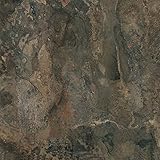
I remember staring at the chipped linoleum in my first rental kitchen, picturing something, anything, better. Then I saw it: a showroom floor, gleaming and perfect, made of what the salesperson called porcelain tile. ‘Maintenance-free,’ they cooed. ‘Indestructible.’ Sold, right? Well, maybe not so fast. I’ve since spent a fair bit of time with porcelain tile floors in various homes and rental renovations, and let me tell you, the reality isn’t always as shiny as that showroom.
So, are porcelain tile floors the miracle flooring everyone seems to tout? It’s complicated. You’ve probably heard they’re the toughest, most beautiful thing you can put under your feet. And sometimes, they are. But like most things, there’s a whole lot more to it than a glossy brochure.
Why I Dodged the Porcelain Tile Hype (at First)
Look, I’m not going to lie. When I first started looking at flooring options for my own place, porcelain tile was high on the list. Everyone, from my aunt Mildred to that slick designer on HGTV, kept singing its praises. ‘It’s the ultimate,’ they’d say. ‘Waterproof, stain-proof, scratch-proof… basically indestructible.’ It sounded like the holy grail of flooring, especially for a busy house like mine, with two dogs and a kid who seems to have a talent for dropping anything sticky.
I almost pulled the trigger on a beautiful, wood-look porcelain tile that looked uncannily like the real deal. Then I started digging, really digging, into what ‘indestructible’ actually meant in the real world. I stumbled across forum threads filled with people complaining about the cost of installation, the sheer hardness of the stuff, and the dreaded grout maintenance.
My initial excitement started to wane. I’d spent a small fortune on a fancy quartz countertop a few years back that chipped within months, and I was wary of another expensive mistake. The idea of something being ‘maintenance-free’ often translates to ‘requires specific, expensive, and annoying maintenance’ in my experience. I started thinking, maybe there’s a reason they call it ’tile’ and not ‘magic carpet.’
Porcelain tile floors are tough, sure, but the narrative that they’re effortless? That’s where I started to get skeptical.
I ended up going with a high-quality laminate for that initial project. It wasn’t as waterproof, and I worried about scratches, but the installation was DIY-friendly and the price was a fraction of what the porcelain was quoted at. It served its purpose, but the dream of a truly durable, beautiful floor lingered. That’s when I decided to give porcelain tile another, more informed, look.
What the Heck Is Porcelain Tile, Anyway?
Alright, let’s get down to brass tacks. What makes porcelain tile the darling of the flooring world, and why is it different from, say, your standard ceramic tile? It all comes down to how it’s made. Porcelain tile is a type of ceramic tile, but it’s fired at much higher temperatures and with denser clay than its ceramic cousin. We’re talking temperatures around 2,300°F (1,260°C). This intense heat fuses the clay particles together, creating a much denser, less porous material. Think of it like baking a cake at a super-high temp for a really long time until it’s incredibly solid, versus just a quick bake.
This density is key. It means porcelain tile absorbs very little water – less than 0.5% water absorption, according to industry standards like the Porcelain Enamel Institute (PEI) standards.
Ceramic tile, on the other hand, can absorb up to 7% or more. Why does this matter? Water is the enemy of many flooring materials, leading to warping, staining, and mold growth.
Porcelain’s low absorption rate makes it inherently resistant to moisture. This is a huge win for kitchens, bathrooms, entryways, and anywhere spills are a regular occurrence. (See Also: Can Baking Soda Be Use To Clean Tile Floors )
I once spilled a whole pot of coffee on a ceramic tile floor in a rental, and while it wiped up, the grout instantly looked stained. I’ve seen similar spills on porcelain, and it just beads up and wipes away like it never happened.
Beyond water resistance, this dense composition makes porcelain incredibly hard and durable. It’s resistant to scratches, chips, and stains. This is why it’s often marketed as being suitable for heavy foot traffic areas and even commercial spaces. The firing process also means that the color and pattern are often embedded throughout the tile, not just on the surface. So, if it does get chipped (which is harder to do than with ceramic), the exposed layer underneath is less noticeable. It’s a bit like a well-made piece of hard candy versus a sugar-coated chocolate.
The manufacturing process uses finely milled clays, often including feldspar, which further contributes to its density and strength. This process is what differentiates it from standard ceramic and gives it that premium feel and performance. So, while both are ceramic, porcelain is the high-performance, heavy-duty sibling.
The Real Deal on Durability: Scratches, Stains, and Heavy Feet
Let’s talk about that ‘indestructible’ claim. Is it true? Mostly, yes, but with caveats. Porcelain tile is indeed incredibly hard. I’ve dragged furniture across it (accidentally, mostly), dropped pots (definitely), and my dogs have done their best to scuff it up with their nails. For the most part, it holds up remarkably well. I’ve seen porcelain floors in high-traffic areas that, after years of use, still look fantastic. The color and finish remain intact, and the surface is largely free from the deep scratches you’d expect on softer materials like vinyl or even some hardwoods.
However, ‘indestructible’ doesn’t mean ‘unbreakable.’ If you drop something extremely heavy and hard directly onto the edge or corner of a tile, it can chip or crack. It’s not common, but it happens. I had a friend who dropped a cast-iron skillet from cabinet height onto her porcelain kitchen floor. It put a small chip in the tile. Not a disaster, but definitely not ‘maintenance-free.’ The good news is that if a tile does get damaged, it can usually be replaced individually, though finding an exact match years down the line can be tricky depending on the manufacturer and batch.
Stain resistance is another area where porcelain truly shines. Because of its low porosity, most common household spills – wine, coffee, grease, juice – don’t penetrate the surface. They bead up, allowing you to wipe them away easily. This is a massive advantage over materials like natural stone or even some unsealed grout. I’ve seen wine spills on lighter colored porcelain floors that would have permanently marked other materials, and they wiped away cleanly. However, it’s still wise to clean up major spills reasonably promptly, especially if they’re acidic or oily, just to be safe. Leaving a dark dye like beet juice for days might leave a faint shadow, even on porcelain.
Here’s a table summarizing some common flooring materials and how they stack up against porcelain tile in terms of durability:
| Flooring Material | Scratch Resistance | Stain Resistance | Water Resistance | Opinion |
|---|---|---|---|---|
| Porcelain Tile | Excellent | Excellent | Excellent | The gold standard for toughness, but installation and hardness are factors. |
| Ceramic Tile | Good | Good | Good | A decent budget option, but less dense and durable than porcelain. |
| Luxury Vinyl Plank (LVP) | Good | Excellent | Excellent | Very popular, often easier to install and softer underfoot, but can sometimes look less premium. |
| Laminate | Fair to Good | Good | Fair to Good | Great for budget, but water can be an issue, and scratches can show. |
| Hardwood | Fair | Fair | Poor | Beautiful, but requires careful maintenance and is susceptible to moisture and scratches. |
| Natural Stone (Granite, Marble) | Fair to Good | Fair | Fair | Gorgeous and unique, but often porous, requires sealing, and can be prone to etching and staining. |
The ‘heavy feet’ aspect is also well-handled. Porcelain is rated on the PEI scale, with PEI 3 being suitable for residential floors, PEI 4 for moderate commercial use, and PEI 5 for heavy commercial traffic. Most residential porcelain tiles are PEI 3 or 4, meaning they’re designed to withstand the rigors of daily life in a home. So, go ahead, let the kids and pets run wild (within reason!).
Installation Nightmares and Why Grout Is the Real Villain
This is where the glossy brochure often leaves you hanging. While the tile itself is tough, getting it installed properly can be a real headache, and the grout… oh, the grout. Let’s start with installation. Porcelain tiles are harder and denser than ceramic, which means they’re also harder to cut. This requires specialized tools and experienced installers. If you’re thinking of a DIY installation, unless you’re already proficient with tile saws and diamond blades, I’d strongly advise against it for porcelain. My first DIY tile attempt was ceramic, and I thought I was prepared. Porcelain would have been a whole other level of frustration.
The cost of installation can be significant. Professional installers charge more for porcelain because it’s more labor-intensive to work with. You’re looking at anywhere from $5 to $20 per square foot for installation alone, depending on your location, the complexity of the job, and the installer’s rates. Add to that the cost of the tile itself, which can range from $1 to $15+ per square foot, and you’re easily looking at a substantial investment. For a 150 sq ft kitchen, you could be looking at $2,000-$5,000+ just for materials and installation. (See Also: Can Ceramic Tile Flooring Harm Her )
Now, let’s talk grout. This is the Achilles’ heel of almost every tiled floor. Even the best porcelain tile will be surrounded by grout lines, and grout is porous. It absorbs spills, dirt, and grime, leading to discoloration and making it look dirty no matter how much you scrub. While epoxy grouts are more stain-resistant and less porous than traditional cement-based grouts, they are also more expensive and harder to install. Even with epoxy, you’re still dealing with lines that can collect dirt.
I once installed a beautiful matte finish porcelain tile in a bathroom. It looked stunning. For about six months.
Then the grout around the shower started to look dingy. I tried every cleaner imaginable, from bleach to specialized grout cleaners. It helped, but it never quite got back to that fresh, clean look. I ended up having to re-grout part of the shower, which was a messy, time-consuming job I’d rather forget.
The common advice is to seal your grout regularly. I did. It helped, but it’s not a magic bullet. The tiny particles of dirt and soap scum still find a way to embed themselves.
Some people opt for groutless tiling, but that’s usually only feasible for very small areas or specific decorative applications.
To combat this, consider using a darker grout color, which hides dirt better, or choose tiles that are very large format (like 24×24 or larger) so there are fewer grout lines. Rectified tiles, which have very straight edges and can be laid with very thin grout lines, also help minimize the grout impact.
The Cold, Hard Truth: Is It Comfortable to Walk on?
Here’s a contrarian take for you: everyone talks about how durable porcelain tile is, but they rarely mention how it feels. And honestly? It’s hard. Like, really, really hard. When you walk on it, especially barefoot, you feel that density. It’s unforgiving. I’ve seen people put rugs everywhere, not just for aesthetics, but to cushion their steps. If you’re someone who spends a lot of time standing in the kitchen or you have joint issues, this might be a significant drawback.
It’s also cold. Like, really cold. Especially in the winter months. In colder climates, stepping out of bed onto a porcelain tile floor can be a shock to the system. While you can install radiant floor heating under porcelain tiles (which is amazing, by the way, but adds considerable cost and complexity), the tile itself will feel very cool to the touch. I’ve lived in houses with both ceramic and porcelain tile in the bathroom, and without heating, it’s a wake-up call on a frosty morning. It’s a stark contrast to materials like carpet, cork, or even good quality laminate, which have a bit more give and insulation.
Another factor often overlooked is the noise. Hard floors tend to be noisier. Your footsteps will echo more, and dropped items will make a much louder clatter than they would on a softer surface. If you have upstairs neighbors or live in an apartment building, this can be a consideration. The sound can bounce around quite a bit. Dogs’ claws clicking can also be quite prominent, even on tiles that aren’t particularly shiny. It’s not a dealbreaker for most, but it’s something to be aware of if you’re sensitive to noise or have a home where acoustics are important.
The hardness also means that if you drop something fragile, like a wine glass or a ceramic mug, it’s almost guaranteed to shatter on impact. I’ve lost count of the number of glasses I’ve broken on tile floors. They don’t just break; they explode into a thousand tiny pieces, making cleanup a hazard. This is a trade-off for that incredible durability – the surface absorbs the impact, often meaning the object you dropped takes the brunt of it. (See Also: Can I Epoxy Over Vinyl Tile Floor )
Practical Tips for Living with Porcelain Tile Floors
Okay, so you’re still considering porcelain tile floors, despite my grumbling. Good. Because when done right, they are fantastic. Here are some tips to make your life easier:
- Choose the Right Finish: Matte and textured finishes hide dirt and scratches better than glossy ones. Glossy tiles can also be slippery when wet, which is a major safety concern. I learned this the hard way with a high-gloss tile in my entryway that was treacherous after a rain shower.
- Go Large Format: Bigger tiles mean fewer grout lines. Opt for 12×24, 24×24, or even larger formats to minimize grout maintenance. This also gives a more modern, simplified look.
- Select a Coordinating or Darker Grout: Avoid stark white or very light grout if you want to minimize the ‘dirty grout’ look. A color that matches the tile or is a few shades darker will be much more forgiving. Epoxy grout is another option for superior stain resistance if your budget allows.
- Use Area Rugs: Place rugs in high-traffic areas, kitchens, and bathrooms to add warmth, cushioning, and reduce noise. This also protects the tile from excessive wear in specific spots.
- Invest in Good Entry Mats: Absolutely key for trapping dirt and moisture before it hits your main flooring. A good quality mat at every entrance will save your floors (and your grout) a world of trouble.
- Consider Radiant Heating: If you’re in a colder climate and your budget allows, radiant floor heating installed under porcelain tile is a big deal. It completely negates the coldness factor and makes the floor incredibly comfortable.
- Get Professional Installation: Seriously. For porcelain tile, it’s almost always worth the extra cost to make sure it’s done right and your beautiful new floor lasts for decades.
When it comes to cleaning, stick to pH-neutral cleaners designed for tile and grout. Avoid harsh chemicals like ammonia or bleach, which can damage the grout and even the tile finish over time. A good mop and a bucket of warm water with a tile-specific cleaner is usually all you need for daily upkeep.
My Verdict: Are Porcelain Tile Floors a Smart Choice?
So, after all this, are porcelain tile floors worth the investment? For many people, the answer is a resounding yes. If your priority is extreme durability, water resistance, and a surface that can withstand heavy use without looking worn down, porcelain is hard to beat. It’s a fantastic choice for busy kitchens, bathrooms, entryways, and high-traffic hallways. The variety of styles and finishes available today means you can achieve almost any look, from realistic wood or stone to modern concrete or intricate patterns.
However, it’s not a one-size-fits-all solution. You need to be prepared for the hardness and the cold underfoot, and the installation cost and grout maintenance are real factors. If comfort, ease of DIY installation, and a softer feel underfoot are your top priorities, you might want to explore other options like luxury vinyl plank or high-quality laminate. But if you want a floor that will practically last a lifetime with proper care, and you’re willing to invest in professional installation and deal with the realities of grout, porcelain tile is a solid, dependable performer. It’s a workhorse that, despite its flaws, can be a beautiful and incredibly practical addition to your home.
Can You Install Porcelain Tile Over Existing Tile?
Yes, you generally can install porcelain tile over existing tile, provided the old tile is securely adhered to the subfloor, is level, and doesn’t have any loose or damaged sections. You’ll likely need to clean the existing surface thoroughly and may need to use a specific type of adhesive or an underlayment to make sure a strong bond. It’s a good way to avoid the mess and cost of removing the old flooring, but proper preparation is key.
How Do You Clean Porcelain Tile Floors?
Cleaning porcelain tile floors is relatively straightforward. For daily cleaning, a sweep with a soft broom or a vacuum cleaner (using the hard floor setting) is sufficient to remove loose dirt and debris. For deeper cleaning, use a damp mop with a pH-neutral cleaner specifically designed for tile floors. Avoid abrasive cleaners or steel wool, as they can scratch the surface. For stubborn spots, a paste of baking soda and water can be effective, followed by rinsing and drying.
How Long Do Porcelain Tile Floors Last?
Porcelain tile floors are known for their longevity. With proper installation and maintenance, they can last anywhere from 20 to 50 years, and often even longer. Their durability means they resist wear, fading, and moisture exceptionally well, making them a long-term investment for your home. The main factors that can reduce their lifespan are severe impact damage or improper installation that leads to cracking over time.
Are Porcelain Tile Floors Slippery?
This depends heavily on the finish and texture of the tile. High-gloss porcelain tiles can be very slippery, especially when wet, making them a safety hazard in areas like bathrooms or entryways. However, many porcelain tiles are manufactured with textured or matte finishes that provide excellent slip resistance, even when damp. Look for tiles with a COF (Coefficient of Friction) rating of 0.60 or higher for good slip resistance in wet areas.
Is Porcelain Tile More Expensive Than Ceramic Tile?
Generally, yes, porcelain tile is more expensive than ceramic tile. This is due to the denser clay composition, the higher firing temperatures, and the more complex manufacturing process. Porcelain tiles also tend to be thicker and heavier, which can sometimes translate to higher shipping costs. While the initial material cost is higher, the superior durability and water resistance of porcelain can sometimes make it a more cost-effective choice in the long run, especially in high-moisture or high-traffic areas.
Final Verdict
So, to sum it up, porcelain tile floors aren’t some magical, maintenance-free dream material, but they are incredibly tough and can look fantastic for decades if installed and cared for properly. They excel in areas where water resistance and durability are most important. Just be ready for that rock-hard feel underfoot and the inevitable grout battles. Don’t let the hype blind you to the realities, but also don’t shy away from them if their strengths align with your needs.
If you’re still on the fence, I’d recommend getting a few sample tiles and living with them for a week. Drop something on them, spill some coffee, walk on them barefoot. See how they feel and how they perform in your actual home environment before committing to a whole room. It’s a big decision, and knowing what you’re getting into is half the battle.
Ultimately, the decision on whether porcelain tile floors are right for you comes down to balancing their impressive durability against their hardness, coldness, and installation considerations. It’s a tough material for tough situations, and when chosen and installed thoughtfully, it’s a flooring option that can truly stand the test of time.