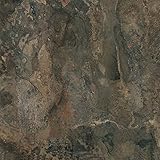
I remember standing in my buddy Dave’s kitchen, drooling over the floor. It had this timeless, almost regal look, and he casually dropped, “Oh yeah, it’s Biltmore tile.” My ears perked up. I’d been wrestling with my own kitchen floor dilemma for months, sick of the chipped laminate and the grout lines that seemed to collect every speck of dust known to man. So, the question nagging at me, and probably at you too if you’re asking, is: are the kitchen floors AR Biltmore tile? It’s a specific question, but the truth behind it is more about understanding what makes a kitchen floor ‘look’ like something special, and if Biltmore tile is the secret sauce.
This isn’t about chasing a brand name; it’s about figuring out if a particular style or material lives up to the hype, especially in a high-traffic zone like the kitchen. I’ve wasted enough cash on ‘designer’ looks that fell apart faster than a cheap spatula, so I’m here to give you the straight dope.
The Biltmore Tile Myth: What It Actually Is
Let’s get one thing straight right off the bat: when people talk about ‘Biltmore tile’ for their kitchen floors, they’re usually not referring to a specific product line manufactured under a brand called ‘Biltmore Tile.’ Instead, they’re almost invariably talking about a style of tile that evokes the grandeur and classic aesthetic associated with the Biltmore Estate, the massive historic house museum in Asheville, North Carolina. Think ornate patterns, rich colors, and a sense of enduring elegance. The estate itself features a stunning array of flooring, including intricately laid marble, terracotta, and various forms of decorative tilework that have stood the test of time. So, when someone says their kitchen floors are ‘Biltmore tile,’ they generally mean they have a tile that looks like it could belong in a place like that – high-quality, visually striking, and often with a classic or traditional design.
This is where the confusion often starts. There isn’t a single manufacturer churning out ‘Biltmore’ branded kitchen tiles in the same way you’d find ‘Brand X’ ceramic. Instead, the term has become a descriptor for a vibe.
This means you’re looking for tiles that mimic the look and feel of the flooring found in historical, high-end estates. This often translates to ceramic, porcelain, or even natural stone tiles that feature intricate patterns, rich earthy tones, or a sophisticated, aged appearance. The key takeaway is that ‘Biltmore tile’ isn’t a product you can just order by name from a catalog; it’s a stylistic aspiration. You’re hunting for tiles that capture that particular essence of historic luxury and durability, commonly seen in grand old homes.
This is why you’ll find people using the term to describe anything from a high-end porcelain with a damask pattern to a beautifully laid mosaic of natural stone that feels old-world. It’s less about a brand and more about a design philosophy that prioritizes timeless beauty and a sense of history.
The Biltmore Estate itself has a rich history of architectural detail, and its flooring is a significant part of that. The designers and builders of the estate used materials and patterns that were considered top-of-the-line for their era, aiming for both aesthetic appeal and longevity. When modern homeowners refer to ‘Biltmore tile,’ they’re often trying to replicate that sense of permanence and visual richness.
This might involve searching for specific types of encaustic tiles, which are known for their patterned surfaces created by using different colored clays, or even high-quality porcelain tiles that are designed to mimic the look of these historical materials. The desire for ‘Biltmore tile’ floors is basically a desire for a kitchen that feels grounded in history, elegant, and built to last, rather than simply a pursuit of a particular brand label. It’s about achieving that understated, yet undeniably luxurious, feel.
What to Look for: Capturing the Biltmore Aesthetic
So, if ‘Biltmore tile’ isn’t a product, how do you get that look for your kitchen floors? You need to focus on the characteristics that define that opulent, timeless style. First off, patterns are huge. Think about the kind of intricate geometric designs, floral motifs, or even faux-wood grain patterns you might see in old mansions.
These aren’t your basic subway tiles. You’re looking for something with a bit more visual punch. Porcelain and ceramic tiles are your best bet here because they can be manufactured with incredibly detailed designs and durable glazes.
Brands that offer a wide range of patterns, often inspired by historical European tiles, are worth investigating. Look for terms like ‘encaustic-look porcelain,’ ‘Victorian-style tiles,’ or ‘Moroccan-inspired patterns.’ These will get you closer to that Biltmore vibe.
Color palettes are also important. While you can find ‘Biltmore-style’ tiles in almost any color, the most authentic looks often lean towards rich, deep tones or classic neutrals. Think deep reds, blues, greens, and earthy browns for patterned tiles, or sophisticated creams, grays, and beiges for more subtle designs. Avoid overly bright or trendy colors if you’re aiming for that historical feel.
Texture plays a role too. Some tiles might have a slightly raised pattern or a matte finish that adds depth and mimics the feel of older, handcrafted materials.
Natural stone, like slate or travertine with a honed finish, can also contribute to this aesthetic, offering a more organic and undeniably luxurious feel, though these can be pricier and require more maintenance in a kitchen. My first attempt at replicating a high-end look involved some cheap ceramic tiles with a faux-marble print.
It looked… well, cheap. The pattern was too repetitive, and the gloss finish showed every single water spot. (See Also: Can Baking Soda Be Use To Clean Tile Floors )
Total waste of about $150 and a weekend of my life.
Here’s a little breakdown of what I’ve found works best when trying to achieve that grand estate look, moving away from the obvious fakes:
| Tile Type/Style | Aesthetic Match | Kitchen Suitability (My Verdict) | Price Range (per sq ft, rough est.) |
|---|---|---|---|
| Encaustic-look Porcelain | High. Can mimic intricate patterns and colors accurately. | Excellent. Durable, water-resistant, and easy to clean. | $5 – $15 |
| High-Quality Ceramic (patterned) | Medium to High. Depends heavily on the specific design. | Good. Less water-resistant than porcelain, but still viable. | $3 – $10 |
| Natural Stone (Honed Slate/Travertine) | High. Offers organic beauty and a timeless feel. | Medium. Can stain and etch, requires sealing. Beautiful, but be prepared for maintenance. | $8 – $25+ |
| Luxury Vinyl Tile (LVT) with authentic pattern | Medium to High. Some modern LVT can look surprisingly good. | Excellent. Very durable, waterproof, and forgiving. | $3 – $8 |
| Cheap Ceramic/Vinyl with faux patterns | Low. Often looks obviously fake, patterns repeat too much. | Poor. Doesn’t capture the essence. | $1 – $5 |
The key is not just the visual pattern but the quality of the reproduction or the inherent beauty of the material. A truly convincing ‘Biltmore’ style floor isn’t about slapping on any old patterned tile; it’s about selecting something that has depth, quality, and a design that feels intentional and timeless, not just decorative. Think about how natural materials age and develop character – you want a tile that offers a similar sense of substance, even if it’s a porcelain replica.
Durability and Practicality: The Kitchen Floor Reality Check
Now, let’s talk about the elephant in the room: kitchens are messy. They’re high-traffic areas, prone to spills, dropped pots, and general wear and tear. So, while we might be inspired by the grandeur of the Biltmore, we also need our kitchen floors to be practical. This is where the ‘Biltmore tile’ concept really needs to be grounded in reality. The original flooring at the Biltmore Estate was, for the most part, the best available at the time, built for longevity. Modern equivalents need to stand up to contemporary kitchen demands. This means looking beyond just the pretty pattern and focusing on materials that can handle grease, moisture, and impact.
Porcelain tile is often the go-to for a reason. It’s incredibly dense, non-porous, and resistant to staining and chipping. If you’re going for that intricate, patterned look often associated with the Biltmore aesthetic, high-quality porcelain with a durable glaze is your safest bet.
It can mimic the look of encaustic tiles or even natural stone without the same maintenance headaches. Ceramic is a step down in durability; it’s more prone to chipping and is more porous, making it susceptible to staining if not sealed properly.
For a busy kitchen, I’d steer clear of standard ceramic unless it’s a very solid porcelain-ceramic blend with a really tough glaze. I learned this the hard way when I installed some beautiful, but surprisingly brittle, ceramic tiles in my first apartment kitchen. Dropped a can of soup from waist height, and it spider-webbed across three tiles.
Lesson learned: ‘pretty’ isn’t always ‘practical’ in the kitchen.
Natural stone, while undeniably luxurious and capable of evoking an old-world charm, presents its own set of challenges. Marble can etch from acidic spills (hello, tomato sauce and lemon juice!), and granite can stain if not sealed regularly.
Slate can be beautiful but has a texture that can be tricky to clean thoroughly. If you are set on natural stone for that authentic, historic feel, be prepared for the upkeep. Regular sealing, prompt spill cleanup, and using the right cleaning products are a must. Luxury Vinyl Tile (LVT) has come a long way, too.
Some high-end LVT can convincingly mimic the look of patterned tile or stone, and it offers excellent durability, water resistance, and comfort underfoot. It might not have the exact same gravitas as real stone or high-fired porcelain, but for many, it hits the sweet spot between aesthetics and practicality. When considering ‘Biltmore tile’ for your kitchen, prioritize a material that can withstand spills, heavy foot traffic, and the occasional dropped utensil. The visual appeal is important, but the floor needs to function as a workhorse.
Common Mistakes When Choosing ‘biltmore’ Style Tiles
People often get so caught up in the idea of a grand, Biltmore-esque floor that they overlook some important practicalities. The most common mistake, as I’ve mentioned, is choosing based purely on looks without considering the material’s suitability for a kitchen environment. A tile that looks stunning in a showroom might be a nightmare to maintain in a space that’s constantly subject to moisture, grease splatters, and foot traffic. You might fall in love with a delicate, intricately patterned ceramic tile, only to find it chips easily or stains within months of installation. This is where the ‘overpromised, underdelivered’ scenario plays out all too often.
Another pitfall is going overboard with the pattern. While the Biltmore Estate features intricate designs, trying to replicate that level of complexity in a small, modern kitchen can sometimes make the space feel cluttered or overwhelming. It’s about finding a balance.
A single statement floor might be fantastic, but if the rest of your kitchen is also very busy with patterns or colors, the whole effect can be jarring. Consider the scale of the pattern relative to the size of your kitchen. (See Also: Can Ceramic Tile Flooring Harm Her )
Sometimes, a simpler, elegant pattern or even a beautiful solid color tile in a high-quality finish can evoke that classic, luxurious feel more effectively than a super busy design. I’ve seen kitchens where the floor looked like a chaotic circus because the pattern was just too much for the room’s dimensions.
It’s like wearing a loud tie with a loud shirt – sometimes less is more.
Here’s a quick rundown of things to avoid:
- Ignoring the Grout: The grout lines can make or break a patterned floor. Dark grout can hide stains but can also visually break up a pattern. Light grout looks classic but shows dirt easily. Consider epoxy grout for superior stain resistance and durability, especially in kitchens.
- Buying Based on Price Alone: While you don’t need to spend a fortune, extremely cheap tiles often lack the quality and detail needed to achieve a sophisticated look. They might look fine initially but will show wear quickly.
- Not Ordering Samples: Pictures online can be deceiving. Always order samples and view them in your kitchen lighting, at different times of the day. See how they look next to your cabinets and countertops.
- Underestimating Installation: Intricate patterns or natural stone can be more challenging and costly to install. Make sure your installer is experienced with the type of tile you choose.
The desire for ‘are the kitchen floors ar biltmore tile’ is about aspiration, but achieving it means being smart about material selection and design execution. It’s about finding a tile that captures the spirit of historic grandeur while holding up to the rigors of daily life in a busy kitchen. Don’t let the dream of elegance blind you to the need for resilience.
Real-World Use: My Experience and What I’ve Seen
I’ve been there, staring at tile samples, imagining my kitchen transformed into something out of a magazine. My own journey with kitchen flooring has been a long, winding road, paved with a few too many questionable choices.
I remember agonizing over my last kitchen floor. I wanted that old-world charm, that sense of depth and history. I ended up with what I thought was a clever compromise: a porcelain tile that looked like reclaimed wood.
It was beautiful, I’ll give it that. The ‘grain’ was detailed, and the colors were varied. For about six months, it looked fantastic.
Then, the inevitable happened. Little nicks and chips started appearing where the ‘wood’ planks met, and the texture, which was great for hiding dust, was a nightmare for sticky spills.
I swear I spent an hour scrubbing a dried-up spaghetti sauce incident out of one of those ‘wood’ grains.
The ‘reclaimed wood’ tile, while visually appealing, completely failed the kitchen test. It was too soft for the kind of wear and tear a kitchen floor endures. What I should have looked for, in hindsight, was a tile with a more consistent, less textured surface for those high-traffic areas. My neighbor, Carol, went a different route.
She installed a stunning encaustic-look porcelain tile in her kitchen – deep blues and geometric patterns. It looks absolutely gorgeous, like something you’d find in a Spanish villa. She’s had it for five years, and it still looks brand new.
The key, she told me, was picking a high-quality porcelain with a dense glaze and opting for dark, charcoal-colored grout. She also admitted that she’s meticulous about wiping up spills immediately. So, while the Biltmore aesthetic is achievable, the durability depends heavily on the specific material and how you maintain it.
I’ve also seen friends opt for large-format, matte-finish porcelain tiles in muted, earthy tones. These often have a subtle texture that provides grip but is still easy to clean. They don’t scream ‘Biltmore’ in an obvious, ornate way, but they convey a similar sense of understated elegance and permanence. It’s a more modern interpretation of that classic, stately feel.
The common thread among the successful kitchen floors I’ve seen – whether they mimic historic patterns or go for a more minimalist look – is the combination of a durable, water-resistant material and a design that is both beautiful and practical for the specific demands of a kitchen. It’s about finding that sweet spot where aesthetics meet the harsh reality of daily cooking and cleaning. The question ‘are the kitchen floors ar biltmore tile’ is really asking about achieving that classic, high-end look, and the answer lies in smart material choices and a realistic approach to kitchen functionality. (See Also: Can I Epoxy Over Vinyl Tile Floor )
Practical Tips for Achieving the Look
If you’re aiming for that sophisticated, timeless look often associated with the Biltmore Estate, here are some practical tips to guide you. First and foremost, embrace the power of samples. Don’t just look at them on the store floor; take them home.
Lay them out in your kitchen, under your specific lighting conditions. See how they look next to your cabinets, your countertops, and your wall color.
Natural light and artificial light can drastically alter how a tile appears. Spend a few days with them, walk on them (with clean socks!), and maybe even spill a little water or coffee on them (on a spare sample, of course) to test their stain resistance. This step alone has saved me from more than one regrettable purchase.
Secondly, consider the scale. If you have a smaller kitchen, a very busy or large-scale pattern might overwhelm the space. Conversely, a tiny, intricate pattern in a vast kitchen can get lost. Think about the overall visual weight of the tile and how it will interact with the room’s dimensions.
Sometimes, a simpler, repeating geometric pattern or a tile with a subtle variation in tone can achieve the desired elegance without making the room feel visually cramped. Another tip is to pay close attention to the grout. Grout is often the unsung hero – or villain – of a tiled floor. For patterned tiles that aim for that historic look, darker grout colors (like charcoal, dark brown, or even black) tend to be more forgiving in a kitchen setting, hiding grease splatters and daily grime better than lighter shades.
However, if the pattern itself is very dark and dense, a contrasting lighter grout can sometimes make the design pop more dramatically. For ultimate stain resistance and longevity, especially in a kitchen, consider epoxy grout. It’s more expensive and can be trickier to install, but it’s a big deal for durability. I once installed a gorgeous cream-colored tile with white grout in my first house kitchen.
Within a year, the grout looked like it had aged 20 years, despite my best efforts. Never again.
Finally, don’t underestimate the impact of installation. A beautiful tile poorly installed will never look as good as it should.
If you’re going for intricate patterns, or if you’re using natural stone that requires precise cuts and leveling, make sure you hire an experienced tile installer who understands the nuances of your chosen material. A skilled installer can help make sure the pattern flows correctly, the lines are straight, and the finished product looks as professional and timeless as you envisioned. For those seeking the ‘Biltmore tile’ aesthetic without the immense cost or potential maintenance of antique materials, modern porcelain tiles designed to mimic historical patterns are a fantastic option.
Look for high PEI ratings (Porcelain Enamel Institute) for wear resistance, typically a PEI 4 or 5 for kitchen floors. This indicates the tile is suitable for heavy residential traffic. When you combine smart material selection with a thoughtful design approach and skilled installation, you can absolutely achieve that sophisticated, grand-estate feel in your own kitchen.
What Is the ‘biltmore Style’ of Tile?
The ‘Biltmore style’ of tile refers to a look that evokes the grandeur, classic elegance, and historical richness associated with the Biltmore Estate. It’s not a specific brand or product line but rather a descriptive term for tiles that feature intricate patterns, traditional motifs, deep color palettes, and a sense of timelessness. This often includes designs inspired by Victorian, European, or Moroccan tilework, frequently seen in high-quality porcelain or ceramic reproductions.
Are Patterned Tiles Good for Kitchens?
Patterned tiles can be excellent for kitchens, especially when chosen for their durability and ease of maintenance. High-quality porcelain tiles with intricate patterns can hide everyday dirt and scuffs better than plain tiles, and they add significant visual interest and character to the space. The key is to select a material that is water-resistant, stain-resistant, and durable enough for a high-traffic, high-mess environment like a kitchen.
What Kind of Tiles Are Used in Historic Estates?
Historic estates like the Biltmore used a variety of high-quality materials available in their eras, including natural stones such as marble, granite, and slate, as well as intricately patterned ceramic and encaustic tiles. These materials were chosen for their durability, aesthetic appeal, and the craftsmanship they represented, aiming for a look that was both luxurious and built to last for generations.
What Is the Most Durable Kitchen Floor Tile?
The most durable kitchen floor tile is generally considered to be high-quality porcelain tile. Porcelain is denser, less porous, and more resistant to chipping, scratching, staining, and moisture compared to standard ceramic tile. For heavy residential traffic, look for porcelain tiles with a high PEI rating (typically 4 or 5).
Conclusion
So, to circle back to the burning question: are the kitchen floors ar biltmore tile? The honest answer is usually no, not in the sense of a specific brand. It’s more about achieving a look inspired by that iconic estate. You’re aiming for timeless elegance, intricate patterns, and a sense of lasting quality. This means carefully selecting materials that can not only mimic that aesthetic but also stand up to the daily grind of kitchen life. Don’t get fooled by cheap imitations; invest in quality, whether that’s a solid porcelain replicating an old-world design or a well-maintained natural stone.
My advice? Focus on durability and a pattern or color scheme that resonates with you and complements your kitchen’s overall style. Think about the long game. A floor that looks great for a year or two and then starts to show its age isn’t a win, no matter how fancy it looked initially. The real beauty of a kitchen floor lies in its ability to be both a stunning visual element and a reliable workhorse for years to come. If you’re planning a renovation or just looking to refresh your kitchen, take this as your permission slip to be a little picky and a lot practical.