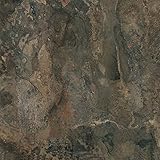
I remember eyeing this gorgeous granite tile for my kitchen backsplash. It looked like a million bucks, and the salesperson practically guaranteed it would make my old kitchen feel brand new. Fast forward six months, and I was scrubbing grout lines until my arms ached, wondering if I’d made a colossal mistake. So, when you’re thinking about granite tile, especially for your floors, you’ve got to ask: are there any special considerations with granite tile flooring that a smooth-talking salesperson might gloss over?
The truth is, granite is tough stuff, but that doesn’t mean it’s foolproof, especially when you’re talking about it underfoot. It’s not quite like a solid slab, and the reality of dealing with individual tiles can catch you off guard.
Why Granite Tile Isn’t Just Another Pretty Stone
Let’s get one thing straight: granite itself is a workhorse. It’s igneous rock, born from volcanic pressure, so it’s naturally hard, dense, and resistant to scratches and heat. That’s why people go nuts for granite countertops. But when you’re talking about tiling a floor, you’re dealing with smaller pieces, grout, and a whole different set of challenges and benefits.
I learned this the hard way when I decided to tile my mudroom. I figured, ‘It’s granite, it’ll be indestructible!’
Turns out, while the tile itself is tough, the installation and maintenance have their own quirks. I ended up with a few chips around the doorway from dropped tools, and the grout was a constant battle. For a high-traffic area like a mudroom, I should have really dug deeper into the specifics of tile versus slab, and especially the grout situation.
The key difference with tile is the grout. Grout lines are porous. Period.
No matter how fancy the grout is, it will absorb stains if not properly sealed, and it’s a pain to keep looking pristine. With granite tile, you’re not just buying stone; you’re buying a commitment to grout maintenance. Think about that mudroom again. Every speck of dirt, every splash of mud, every spilled drink on the grout?
It’s a small war you’re signing up for. While the granite tile itself resists staining and etching like a champ, the grout between the tiles is the Achilles’ heel of any tiled surface.
This is where many folks go wrong, expecting the granite’s bulletproof reputation to extend to the entire floor system. It doesn’t. You have to actively manage the grout, or it will look dingy faster than you can say ‘re-grout.’ I’ve found that using a darker colored grout can help mask minor stains, but it’s still not a set-it-and-forget-it solution.
Another point that often gets overlooked is the sheer number of grout lines you end up with. Imagine a 10×10 foot room. That’s 100 square feet of floor. If you’re using standard 12-inch tiles, you’re looking at potentially dozens and dozens of grout lines running across that space.
More grout means more maintenance, more places for dirt to hide, and a busier visual texture on your floor. It’s not a bad thing inherently, but it’s something to consider if you’re aiming for a sleek, minimalist look. For me, the visual texture of all those lines started to feel a bit overwhelming in a larger area, and it definitely made cleaning take longer because you have to get into every single one.
The Nitty-Gritty: What to Actually Look For
When you’re shopping for granite tile, don’t just grab the first shiny slab you see. There are variations, and they matter. First off, consider the finish.
You’ll find polished, honed, and leathered finishes. Polished is gorgeous, super shiny, and shows off the granite’s natural flecks and colors.
But beware: it can also be slippery when wet, which is a big no-no for floors, especially in kitchens or bathrooms. I once slipped on a polished granite floor in a hotel lobby and nearly broke my elbow.
That experience alone steered me clear of polished finishes for any flooring application in my own home. Honed is a matte finish, less slippery, and hides scratches better. It has a softer, more subtle look. Leathered has a textured, slightly uneven surface that adds a lot of character and is also very forgiving when it comes to hiding minor scuffs and dirt.
I opted for a honed finish in my entryway, and it’s been much easier to live with day-to-day. It still looks sophisticated without the high-gloss slipperiness.
Then there’s the thickness. Granite tiles come in different thicknesses, typically ranging from 3/8 inch to 3/4 inch. Thicker tiles are more durable and less prone to cracking under heavy foot traffic or if something heavy is dropped on them. For floors, I’d lean towards at least 1/2 inch thick, and preferably 3/4 inch if you can swing it. Thinner tiles are cheaper, sure, but you’re sacrificing longevity. I’ve seen thinner tiles develop hairline cracks over time, especially around doorways or where furniture is frequently moved. It’s like buying a cheap suit; it might look okay for a while, but it won’t hold up to daily wear and tear. (See Also: Can Baking Soda Be Use To Clean Tile Floors )
Color and pattern consistency are also important. Granite is a natural product, so no two tiles will be exactly alike.
That’s part of its charm, but you want to make sure the variations don’t look like flaws. Before you buy, lay out a bunch of tiles from different boxes to get a feel for the overall look. Check for any obvious color mismatches or distracting mineral inclusions that might look out of place. I once bought a batch of tiles where one box had a distinctly different veining pattern, and it stuck out like a sore thumb.
It’s worth spending a bit of extra time to make sure the batch you get is as uniform as possible, or at least has variations that complement each other rather than clash. Consider the source of the tiles too; reputable suppliers are more likely to have better quality control. Ordering samples beforehand is a smart move, even if it costs a few extra bucks.
Installation: Where Things Can Go Terribly Wrong
This is where a lot of DIYers get tripped up. Installing tile, especially a heavy, hard material like granite, is not for the faint of heart. First, you need a solid subfloor. Granite is heavy, and if your subfloor is bouncy or not perfectly level, you’re asking for trouble. A flexible subfloor can lead to cracked tiles and grout. I’ve heard horror stories from friends who didn’t properly reinforce their subfloors, only to have tiles start to loosen and crack within a year. It’s not a cheap fix to go back and rip it all up. Make sure your subfloor is rigid and sound; this might mean adding extra plywood or cement board, depending on your existing floor structure.
Then there’s the adhesive and the setting process. You need a high-quality thin-set mortar specifically designed for natural stone. Don’t skimp here. Using the wrong adhesive can lead to tiles not bonding properly, resulting in hollow spots or tiles coming loose down the line.
The trowel size is important too; you need to achieve full coverage under each tile. If you miss spots, you’re creating weak points.
I learned this when I tried to save a few bucks on adhesive for a small bathroom project and ended up with a few tiles that sounded hollow when tapped. It was a constant annoyance until I finally replaced them. Proper coverage means applying enough mortar with the correct notch size on both the subfloor and the back of the tile (back-buttering) to make sure a solid bond.
Cutting granite tiles is another beast. These things are hard and brittle. You’ll need a wet saw with a diamond blade specifically designed for stone.
Trying to cut them with a standard tile saw or a less aggressive blade will result in chipped edges, slow progress, and a lot of frustration. I bought a cheap wet saw for my initial project, and it was a nightmare.
The cuts were rough, and I ended up with a lot of wasted tile. Investing in a decent quality wet saw or hiring a professional for the cuts is often worth the cost.
Be prepared for dust and water, and wear appropriate safety gear, especially eye protection. I always wear a respirator when cutting stone because of the fine dust.
Finally, let’s talk about leveling. Granite tiles are not perfectly uniform like porcelain can be. Even with careful installation, you can end up with slight variations in height between tiles. This is where tile leveling systems come in handy.
They help you make sure that all the tile edges are flush with each other, creating a smooth, even surface. Without them, you can end up with a floor that feels uneven underfoot and is a tripping hazard.
My first tiled floor project was before I knew about these systems, and I ended up with subtle lippage, which was annoying and made sweeping more difficult. They’re a small investment that makes a huge difference in the final appearance and usability of your floor.
Maintenance: It’s Not Always ‘wipe and Go’
Here’s the contrarian take: while granite is incredibly durable, the notion that granite tile flooring is low-maintenance is, in my opinion, a bit overblown, and it’s all thanks to that grout. Yes, the granite itself is tough. It resists scratches, etches, and is pretty much impervious to most common household spills if wiped up quickly.
But that grout? It’s a different story. (See Also: Can Ceramic Tile Flooring Harm Her )
You absolutely must seal the grout regularly. I recommend sealing it at least once a year, maybe even twice a year in high-traffic areas or kitchens where spills are more frequent. A good quality impregnating sealer will help prevent stains from penetrating.
I use a penetrating sealer that doesn’t leave a film, so it doesn’t change the grout’s appearance. Without regular sealing, spills like red wine, coffee, or grease can become permanent fixtures in your grout lines.
Cleaning is another area where people can fall into bad habits. For daily cleaning, a damp mop with a pH-neutral cleaner is your best bet. Avoid harsh chemicals, acidic cleaners (like vinegar or lemon juice), or abrasive scrubbers, as these can degrade the sealer and even etch the granite itself over time, especially if it’s a polished finish. Ammonia-based cleaners can also dull the finish.
Stick to cleaners specifically designed for natural stone or a simple solution of water and a tiny bit of mild dish soap. I found that using too much soap left a residue that attracted more dirt, so less is definitely more. Wiping up spills immediately is a must. Don’t let them sit and soak in, especially on the grout.
The frequency of sealing and the care needed for the grout are the main reasons granite tile might not be the ‘easy’ flooring choice some imagine. I’ve had friends who thought they could just mop it like any other floor and were shocked when their grout started looking stained and grimy after a year. It requires a bit more attention than, say, a quality vinyl plank or a sealed porcelain tile. It’s a trade-off: you get the natural beauty and inherent hardness of granite, but you have to be diligent with the grout.
If you’re looking for a floor that you can truly ignore for years on end with minimal upkeep, granite tile might not be your ideal pick. However, if you don’t mind a little bit of focused maintenance, especially on the grout, it’s still a fantastic and beautiful option.
Real-World Use: Where Does It Shine (and Where Does It Grumble)?
So, where does granite tile flooring actually make sense? I’ve seen it perform exceptionally well in areas where durability is most important and a bit of a fuss is acceptable. Entryways and mudrooms, for example, are perfect candidates.
These are the zones where you’re tracking in dirt, mud, and moisture. The granite tile itself can handle it all. The key here is selecting a less slippery finish (honed or leathered) and being prepared to clean the grout more often, or opting for a darker, stain-resistant grout.
I installed it in my back entryway, and despite the mud my dog tracks in, the tile itself remains pristine. The grout, though, requires a good scrub every few weeks.
It’s a compromise I’m willing to make for the stone’s resilience.
Kitchens are another area where granite tile shines, primarily because of its heat and scratch resistance. Spills happen, hot pots are set down (though trivets are always recommended!), and knives can be dropped. Granite tile can take a beating. Again, the grout is the limiting factor.
You need to be vigilant about sealing and cleaning. I’ve seen granite tile floors in kitchens that look stunning years later because the homeowners were diligent with maintenance.
However, I’ve also seen kitchens where the grout lines became dark and stained, detracting from the overall beauty. If you’re a messy cook or not keen on meticulous cleaning, you might want to reconsider for the kitchen, or at least choose darker grout and be prepared for it.
Where it might not be the absolute best choice: high-traffic hallways that are constantly exposed to gritty dirt, or bathrooms where extreme slipperiness is a major concern. While granite is hard, if you go with a polished finish in a bathroom, you’re asking for trouble. Even with sealers, water can make it treacherous. For hallways, the constant abrasion from grit can wear down the grout and sealer over time, making them look dull.
In these cases, something like a high-quality porcelain tile with a textured finish might offer similar durability with less grout-related maintenance. I’ve seen some excellent porcelain tiles that mimic natural stone so well, you’d be hard-pressed to tell the difference without touching them, and they often come with fewer maintenance headaches.
The visual aspect is also worth noting. The natural variations in granite tile create a unique look. Some people love the busy, natural pattern. Others find it too much for a large floor. It’s a matter of personal preference. If you’re going for a uniform, modern look, granite tile might be too ‘loud’ visually. However, for a rustic, natural, or traditional aesthetic, it can be absolutely perfect. It adds a warmth and depth that synthetic materials often lack. Think about the overall style of your home before committing. (See Also: Can I Epoxy Over Vinyl Tile Floor )
| Feature | Pros | Cons | My Verdict |
|---|---|---|---|
| Durability (Tile) | Extremely hard, scratch-resistant, heat-resistant, dense. | Can chip if very heavy objects are dropped from height. | Top-notch. The tile itself is built to last. |
| Maintenance (Tile) | Easy to clean surface. | None significant for the tile itself. | Excellent. The stone is low-fuss. |
| Maintenance (Grout) | Can be sealed to resist stains. | Porous, requires regular sealing and cleaning, can stain. | The Achilles’ heel. Requires diligence. |
| Appearance | Natural beauty, unique patterns, wide range of colors. | Grout lines can look busy. Polished finish can be slippery. | Stunning, but choose finish wisely. |
| Installation | DIY possible for experienced individuals. | Requires specialized tools (wet saw), solid subfloor, specific adhesives. Can be labor-intensive. | Not for the absolute beginner. Hire a pro if unsure. |
| Cost | Generally more affordable than granite slabs. | Installation costs can add up. | Good value if you appreciate natural stone and are prepared for installation/maintenance. |
Common Mistakes and How to Dodge Them
One of the biggest mistakes I see people make is underestimating the importance of the subfloor. You can have the best granite tiles and the most skilled installer, but if the subfloor beneath isn’t rigid and well-supported, you’re asking for problems.
Think of it like building a house: a shaky foundation means the whole structure is compromised. For granite tile, this often means adding a layer of cement board over plywood, especially in areas prone to moisture or with older subflooring.
Don’t just slap it down on particle board or even just plywood without checking for flex. I once had a friend whose tiles started cracking within a year because they skipped the cement board in their bathroom.
Lesson learned the hard way. If your floor has any noticeable bounce when you walk on it, address that first.
Another common pitfall is choosing the wrong grout. Many people opt for white or light-colored grout, thinking it looks cleaner or brighter. While it can look nice initially, it’s a magnet for dirt and stains, especially in a kitchen or entryway. Darker grouts, or those with built-in stain resistance, are far more forgiving.
Also, make sure the grout you choose is suitable for natural stone. Some grouts can be too harsh and damage the stone’s sealer or surface. Always check the manufacturer’s recommendations. I also strongly advise against using unsanded grout for wider joints, as it doesn’t hold up as well; epoxy grout is a fantastic, albeit more expensive and difficult-to-work-with option for maximum stain resistance, but a good quality sanded grout properly sealed is usually sufficient for most homes.
People also tend to forget about expansion joints. Tile, like most materials, expands and contracts with changes in temperature and humidity. If you don’t leave adequate space around the perimeter of the room and at transition points, the tile can buckle or crack. These expansion joints are usually filled with a flexible sealant (like silicone caulk) rather than grout. It’s a detail that’s easy to overlook, especially if you’re a DIYer, but it’s important for the long-term integrity of your floor. Most tile installation guides will specify where and how to incorporate these, so read up or consult a professional. Failing to do so can lead to significant damage down the line, and it’s a real headache to fix.
Finally, and this ties back to maintenance, is the expectation of a completely stain-proof floor. While granite is resistant, the grout isn’t. Expecting granite tile to be entirely maintenance-free is a recipe for disappointment. You will need to seal the grout, and you will need to clean up spills promptly. If you’re someone who wants a ‘set it and forget it’ kind of floor, granite tile might not be the best fit. It’s beautiful and durable, but it demands a certain level of ongoing care, particularly for the grout lines. I’ve found that the satisfaction of having a natural stone floor is directly proportional to the effort you put into its upkeep. It’s a trade-off that’s worth understanding upfront.
Do I Need to Seal Granite Tile Flooring?
While the granite tile itself is dense and doesn’t typically require sealing, the grout lines in between absolutely do. Grout is porous and can absorb stains, dirt, and moisture, leading to discoloration and potential damage. Sealing the grout creates a protective barrier, making it much more resistant to spills and easier to clean. You should plan to seal your granite tile grout at least once a year, and possibly more frequently in high-traffic or spill-prone areas like kitchens and bathrooms.
Is Granite Tile Slippery When Wet?
Polished granite tile can be quite slippery when wet, much like a wet mirror. This makes it a potential hazard in areas like bathrooms or kitchens where water is frequently present. Honed or leathered finishes offer a more textured, less slippery surface and are generally recommended for flooring applications to improve traction and safety. Always consider the finish in relation to the room’s intended use.
Can Granite Tile Flooring Be Repaired?
Yes, granite tile flooring can be repaired. Minor chips or cracks in individual tiles can sometimes be filled with a color-matched epoxy or filler. More significant damage might require replacing the affected tile. Grout can be repaired or replaced if it becomes damaged or stained beyond cleaning. However, it’s important to note that finding an exact match for older granite tiles can be challenging due to natural variations.
Is Granite Tile More Expensive Than Ceramic or Porcelain?
Generally, granite tile is more expensive than standard ceramic tile and can be comparable to or slightly more expensive than high-quality porcelain tiles, especially when you factor in installation costs. The raw material cost for granite is higher, and it requires specialized tools and techniques for cutting and installation, which can increase labor expenses. However, it often offers superior durability and a unique natural aesthetic.
Final Thoughts
So, are there any special considerations with granite tile flooring? Absolutely. It’s not just about the beauty of the stone; it’s about understanding the whole system—the tile, the grout, the installation, and the ongoing care. Granite tile is a fantastic choice for its inherent toughness and natural appeal, but it demands respect. You’re getting a durable surface that can withstand a lot of wear and tear, but you’re also signing up for a relationship with your grout that requires attention.
If you’re prepared to seal your grout regularly, clean up spills promptly, and invest in a solid installation, granite tile flooring can be a stunning and long-lasting addition to your home. Just don’t expect it to be maintenance-free; that’s where the disappointment creeps in. Think about your lifestyle and how much effort you’re willing to put into upkeep before you commit.
Ultimately, the decision comes down to balancing that incredible natural beauty and durability against the reality of grout maintenance and installation nuances. It’s a material that can make a house feel like a home, but only if you go into it with your eyes wide open to all the considerations.