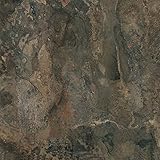
You see these fancy flooring options pop up everywhere, and Lanoilium is one that’s been making some noise. The big question on a lot of people’s minds, and one I get asked about a fair bit, is: are Lanoilium floors hard tile? It sounds simple enough, but the reality is a bit more nuanced than a quick ‘yes’ or ‘no’.
I remember the first time I saw Lanoilium advertised. The pictures looked slick, and the claims about durability and ease of care were enough to make me pause. But having been burned by ‘miracle’ materials before – remember that self-healing screen protector that just ended up looking like a spiderweb? – I was skeptical.
So, let’s cut through the marketing fluff and talk about what Lanoilium really is and how it stacks up against traditional hard tile. Because if you’re planning a reno, you need the straight dope, not just pretty pictures.
What Exactly Is Lanoilium Flooring? Forget the Hype.
Let’s get one thing straight right out of the gate: Lanoilium isn’t some magical new material that materialized from thin air. It’s basically a type of luxury vinyl tile (LVT) or luxury vinyl plank (LVP), but with some specific manufacturing processes and potentially proprietary additive blends that the marketing folks have decided need a fancy, unique name. Think of it like calling a specific brand of cola ‘carbonated brown sugar water’ – it’s technically accurate, but it misses the point and sounds way less appealing.
The core of Lanoilium, like most high-quality LVT/LVP, is a multi-layered composition. You’ve got a backing layer for stability, often a core layer made of PVC (polyvinyl chloride) or stone-plastic composite (SPC), then a printed design layer that mimics wood, stone, or tile, and finally, a transparent wear layer on top. This wear layer is the unsung hero, dictating how well the floor resists scratches, scuffs, and fading. The ‘Lanoilium’ part might refer to a specific type of top coating or a particular density of the core material that they claim offers superior performance. Does it? Sometimes. Is it radically different from other premium LVTs on the market? Probably not.
When people ask if are Lanoilium floors hard tile, they’re usually thinking about the feel underfoot, the sound it makes when you walk on it, and its general robustness. Traditional ceramic or porcelain tile is, well, tile. It’s fired clay, it’s rigid, it’s heavy, and it’s unforgiving. Lanoilium, being a vinyl product, has a degree of flexibility and a slightly softer feel.
It doesn’t have that brittle, resonant ‘clack’ of ceramic tile. It’s also generally warmer underfoot because vinyl is a better insulator than fired clay. So, in terms of pure hardness and rigidity, no, it’s not exactly like ceramic tile.
But in terms of durability for daily life? It often gives tile a run for its money, and in some scenarios, it might even be better.
My first encounter with a high-end LVT that I suspect might have been a precursor to whatever Lanoilium is now was in a rental property. The landlord advertised it as ‘new composite flooring.’ It looked like brushed concrete, felt solid underfoot, and survived my dog’s claws and a couple of dropped pots without a scratch. I was genuinely impressed. It wasn’t as cold or as loud as the old linoleum it replaced, and it certainly felt more substantial than cheap peel-and-stick vinyl. This experience really shifted my perspective on what vinyl flooring could be.
The key takeaway here is that ‘Lanoilium’ is likely a brand’s marketing term for a premium vinyl product. The important thing is to look at the specifications: the wear layer thickness, the core material (SPC is generally harder and more rigid than WPC or standard PVC), and the manufacturer’s warranty. Don’t get lost in the fancy name; focus on the substance.
How Does Lanoilium Stack Up Against Real Tile? The Feel and Sound Test.
This is where the rubber meets the road, or rather, the foot meets the floor. When you’re standing on a floor, particularly barefoot or in socks, you notice things. The primary difference when asking ‘are Lanoilium floors hard tile?’ is in that tactile sensation. Ceramic and porcelain tiles are inherently hard and rigid. They offer very little give, and if you drop something heavy, it’s likely to shatter. If you drop yourself, well, that’s going to hurt more than on vinyl. (See Also: Can Baking Soda Be Use To Clean Tile Floors )
Lanoilium, being a vinyl product, possesses a degree of inherent flexibility. Even SPC (Stone Plastic Composite) cores, which are designed to be more rigid than traditional LVT, still have more ‘give’ than fired clay. This translates to a warmer, slightly more forgiving feel underfoot. For kitchens, bathrooms, or high-traffic areas where you’re on your feet for extended periods, this can be a significant comfort advantage. Think about standing at the kitchen sink for 20 minutes – a little bit of cushioning makes a noticeable difference.
Then there’s the sound. Ceramic tile can be quite resonant. Every step can echo, especially in a larger, open-plan space. Dropping keys, a utensil, or a toy can create a sharp, loud noise. Lanoilium, with its vinyl core and often a built-in underlayment, tends to absorb sound better. It’s quieter. This might seem like a small detail, but in a house, especially one with kids or pets, a quieter floor can contribute to a more peaceful environment. I’ve lived in places with both, and the difference in ambient noise levels is palpable.
My own experience with this was a stark contrast. I once renovated a small bathroom using large format porcelain tiles. They looked fantastic, mimicking a smooth marble slab. But every time my wife dropped her hairbrush, it sounded like a gunshot. The dog hated walking on it because it felt so cold and unforgiving. Later, in a similar-sized bathroom, I installed a high-quality SPC vinyl plank that looked very similar. The sound difference was night and day. It was significantly quieter, and even the dog seemed more at ease. It didn’t feel exactly like walking on a cloud, but it was a huge improvement over the tile in terms of comfort and noise.
So, while Lanoilium might not have the absolute, unyielding hardness of a ceramic tile, it offers a different kind of resilience. It’s the resilience of a material that can absorb minor impacts without shattering, that offers a degree of comfort, and that contributes to a quieter home. If ‘hard’ to you means ‘unbreakable and unyielding,’ then Lanoilium isn’t quite there. But if ‘hard’ means ‘tough, durable, and capable of withstanding daily life,’ then it absolutely fits the bill.
One thing to consider, however, is the subfloor. Lanoilium, especially SPC, requires a flat and rigid subfloor. If your subfloor isn’t perfectly level, you can get ‘hollow spots’ or areas that feel less stable, which can affect the perceived hardness and even lead to premature wear. This is true for tile too, but vinyl is often more forgiving of minor imperfections in the subfloor compared to the grout lines and potential for cracking in tile.
Common Mistakes People Make When Choosing Lanoilium (and Tile).
When you’re trying to figure out if Lanoilium floors are hard tile, or just generally choosing flooring, people tend to trip up in a few predictable ways. The biggest one, hands down, is focusing solely on the look. You see a picture online, or a sample in a showroom, and you fall in love. But that beautiful wood-look plank or stone-look tile might have a paper-thin wear layer that’s going to be shredded by your dog’s nails or your kids’ toy trucks within a year.
Another mistake is confusing marketing terms with actual specs. Like we talked about with ‘Lanoilium,’ a fancy name doesn’t automatically mean superior quality. You need to look at the wear layer thickness. For residential use, I’d never go below 12 mil for LVT/LVP, and 20 mil is even better if you have pets or kids. For tile, the hardness is usually measured by the PEI rating (Porcelain Enamel Institute), which indicates resistance to abrasion. A PEI rating of 3 is generally suitable for residential floors, while 4 is good for moderate commercial use, and 5 for heavy commercial. Not understanding these ratings means you could end up with a floor that looks great but performs poorly.
I made a classic mistake years ago when installing some laminate flooring. I skimped on the underlayment, thinking it was an unnecessary expense. The resulting floor felt hollow, sounded like a drum when walked on, and any minor spill that seeped between the planks caused swelling and damage. I learned the hard way that the ‘extras’ – the quality underlayment, the proper adhesive, the right grout – are often just as important as the main product itself. For Lanoilium or any LVT/LVP, the subfloor prep and potentially a good quality underlayment are a must for a good result.
People also often underestimate the cost. While Lanoilium and high-end LVT/LVP can be cheaper than natural stone or high-quality porcelain tile, they aren’t cheap. The material cost can range from $3 to $7+ per square foot, and installation can add another $2 to $5 per square foot, sometimes more if complex cuts or subfloor repairs are needed. Cheaper vinyl options exist, but they often sacrifice durability and aesthetics. Conversely, some people think tile is always wildly expensive and skip it without getting quotes, only to find out that budget-friendly porcelain options are competitive.
Here’s a contrarian take: Many people obsess over getting the absolute hardest tile. They’ll go for the highest PEI rating and the densest porcelain. While that’s great for extreme durability, it often means sacrificing comfort and increasing the risk of breakage for anything dropped. For a home kitchen or living area, a PEI 3 or 4 porcelain or a good quality SPC vinyl might offer a better balance of durability, comfort, and practicality. You don’t always need industrial-grade hardness for a residential setting. (See Also: Can Ceramic Tile Flooring Harm Her )
Finally, there’s the ‘DIY trap’. While LVP/LVT is often marketed as DIY-friendly (especially click-lock systems), professional installation still yields a far superior result, particularly when it comes to making sure perfect seams, proper alignment, and a smooth finish that will last. Trying to cut corners here can lead to gaps, unevenness, and premature failure, making you wonder why you didn’t just pay a pro. This is especially true for glue-down LVT or when tiling requires complex cuts around fixtures or doorways.
Real-World Performance: Does Lanoilium Hold Up?
This is the million-dollar question, or at least the several-thousand-dollar question if you’re redoing your floors. When you’re evaluating a product like Lanoilium, you’re not just buying it for how it looks on day one; you’re buying it for how it will look and perform in five, ten, or fifteen years. The promise of Lanoilium, like other premium vinyls, is that it offers a high level of durability that rivals or even surpasses traditional hard surfaces like tile, with added benefits like water resistance and ease of maintenance.
In my experience, high-quality SPC (Stone Plastic Composite) vinyl flooring, which I strongly suspect is what Lanoilium is akin to, performs exceptionally well in high-traffic areas. I installed it in a mudroom that sees daily abuse from muddy boots, dropped groceries, and general chaos. After three years, it still looks fantastic. The wear layer has held up beautifully against scratches, and it’s completely waterproof, which is a massive plus in a mudroom. Spills are wiped up in seconds, and even standing water from snowmelt hasn’t caused any issues.
Compared to ceramic tile in a similar high-traffic area, the main difference I’ve noticed is that the vinyl doesn’t chip if something heavy hits it just right. Tile, even porcelain, can chip at the edges or corners. Grout lines in tile can also be a weak point, staining over time or cracking if the subfloor shifts. Lanoilium, especially if it’s a click-lock system with well-designed joints, offers a more monolithic surface that is less prone to these specific types of failure. It’s also significantly easier to clean grout lines, or rather, the lack thereof.
However, it’s not invincible. Extreme heat can sometimes cause vinyl to expand or warp, though this is less common with SPC than with older types of LVT. Also, while the wear layer is tough, it’s not impervious to damage from very sharp objects or prolonged exposure to harsh chemicals. I once saw a situation where someone used a highly abrasive cleaner on LVT, and it dulled the finish over time. So, while it’s durable, you still need to use a bit of common sense and appropriate cleaning products. Stick to pH-neutral cleaners designed for vinyl or tile.
The claim that it’s ‘hard tile’ is where the marketing gets a bit fuzzy. It’s hard enough for most residential applications. It’s designed to resist denting and scratching far better than laminate or standard linoleum. It offers a rigid feel that’s closer to tile than softer vinyl. But it’s not going to have the same sheer density and unyielding nature of a fired ceramic or porcelain tile. For most people, this is a good thing, offering a better balance of performance and comfort. If you’re looking for a floor that will survive a meteor shower, tile might be your best bet. For everything else, a quality Lanoilium-type product is more than up to the task.
It’s worth noting that the installation method matters for longevity. Floating floors (click-lock) are generally easier to install and can accommodate subfloor imperfections better than glue-down. However, glue-down LVT/LVP often provides a more rigid and stable feel, closer to tile. The choice depends on your priorities and the subfloor condition.
Lanoilium vs. Tile: A Quick Comparison Table
To give you a clearer picture, here’s a breakdown of how Lanoilium (representing high-quality SPC vinyl) compares to traditional hard tile. This isn’t exhaustive, but it hits the main points you’ll care about when making a decision.
| Feature | Lanoilium (High-Quality SPC Vinyl) | Hard Tile (Ceramic/Porcelain) | Verdict |
|---|---|---|---|
| Hardness/Rigidity | High (but with some flex) | Very High (unyielding) | Tile is harder, Lanoilium is more forgiving. |
| Comfort Underfoot | Moderate to High | Low to Moderate | Lanoilium generally wins for comfort. |
| Warmth Underfoot | Moderate | Low (can feel very cold) | Lanoilium is warmer. |
| Water Resistance | Excellent (waterproof) | Excellent (tile itself), but grout can stain/fail. | Lanoilium often superior due to smooth nature. |
| Durability (Scratches/Dents) | Very Good (wear layer dependent) | Very Good (tile itself), but chips/cracks possible. | Both are good, Lanoilium less prone to chipping. |
| Sound Absorption | Good | Poor | Lanoilium is quieter. |
| Installation Difficulty (DIY) | Moderate (click-lock) to Hard (glue-down) | Hard | Lanoilium click-lock is easier. |
| Cost (Material + Install) | $$ – $$$ | $$ – $$$$ | Can be comparable; tile often higher for premium. |
| Repairability | Difficult (replacing planks/tiles) | Difficult (replacing tiles/grout) | Both can be tricky, depends on specific issue. |
As you can see, there’s no single ‘winner.’ It really depends on your priorities. If you need an absolutely rock-hard, unyielding surface and don’t mind the cold, noise, and potential for chipping, tile is a solid choice. If you prefer a bit more comfort, warmth, and quieter acoustics, while still getting excellent durability and water resistance, Lanoilium or a similar high-quality SPC vinyl is a fantastic option. The question ‘are Lanoilium floors hard tile?’ is best answered by understanding these trade-offs.
Practical Tips for Lanoilium and Hard Flooring Choices.
So, you’re leaning towards Lanoilium or still weighing it against tile. Here are a few practical tips that have saved my bacon (and my wallet) over the years. First, always, always, always order extra material. I’m talking at least 10% more. Why? Because you’ll mess up cuts, you’ll have damaged pieces in the boxes, and sometimes, years down the line, you’ll need to replace a plank or tile due to an accident. Trying to find an exact match for a discontinued product is a nightmare, so having spares is gold. (See Also: Can I Epoxy Over Vinyl Tile Floor )
Second, for Lanoilium or any LVT/LVP, check the wear layer thickness. I cannot stress this enough. The ‘Lanoilium’ name might sound fancy, but if it’s got a thin wear layer (say, under 12 mil), it’s not going to hold up well in a busy household. If the specs aren’t clear, ask. If they can’t give you a clear number for the wear layer, walk away. The same applies to tile – know your PEI rating and make sure it’s appropriate for the intended traffic. For example, using a PEI 1 or 2 tile in a kitchen is asking for trouble; it’ll scratch and wear out way too fast.
Third, consider the subfloor. For Lanoilium and SPC flooring, a perfectly flat and smooth subfloor is most important. I’ve seen DIY jobs go south because the installer didn’t properly prepare the subfloor, leading to an uneven, creaky floor that felt cheap. For tile, the subfloor needs to be rigid and stable to prevent cracking. If you’re going over an existing floor, make sure it’s suitable, or factor in the cost and effort of removing it and preparing the subfloor properly. A little upfront investment in subfloor prep saves a world of pain later.
Fourth, think about transitions. Where your Lanoilium floor meets other flooring types (carpet, tile, wood), you need appropriate transition strips. These aren’t just decorative; they allow for expansion and contraction of the flooring, preventing buckling or lifting. Poorly installed transitions can lead to trip hazards and a less professional look. For tile, you might have a simple grout line or a transition strip depending on the adjacent material.
My personal rule of thumb when I’m stuck between two good options is to consider the ‘worst-case scenario’ cleaning. Can I easily clean spilled red wine off it? Can I get dog hair out of it without it clinging to the surface? Can I mop it without worrying about water seeping into unwanted places? Lanoilium, with its waterproof nature and generally smooth surface, excels here. Tile is also easy to mop, but grout can be a pain. If ease of cleaning is high on your list, this is a big factor.
Finally, if you’re not a seasoned DIYer, seriously consider professional installation for both Lanoilium and tile. The cost might seem high, but a professional will get it right the first time, saving you headaches, potential damage, and the cost of redoing a botched job. They also have the right tools and know-how to handle tricky cuts and make sure a flawless finish. It’s an investment in the longevity and appearance of your floor.
People Also Ask:
Are Lanoilium Floors Slippery?
Generally, Lanoilium floors are not excessively slippery, especially compared to highly polished natural stone tiles. Most high-quality vinyl products, including those marketed as Lanoilium, have a textured wear layer that provides good traction. However, like any smooth floor surface, they can become slippery when wet. It’s always advisable to use caution on any floor when it’s damp and to use appropriate cleaning products that don’t leave a slippery residue.
Is Lanoilium Flooring Waterproof?
Yes, Lanoilium floors, being a type of luxury vinyl product, are typically waterproof. This is one of their biggest advantages. The vinyl material itself doesn’t absorb water, and high-quality versions often feature a dense core (like SPC) and tightly interlocking edges that prevent moisture from seeping through to the subfloor. This makes them ideal for kitchens, bathrooms, laundry rooms, and basements.
How Long Does Lanoilium Flooring Last?
The lifespan of Lanoilium flooring, like other premium vinyl products, can vary significantly based on quality, installation, and maintenance. However, high-quality Lanoilium with a solid wear layer (20 mil or more) can last anywhere from 10 to 25 years or even longer in residential settings with proper care. Factors like heavy foot traffic, exposure to direct sunlight, and the use of harsh cleaning chemicals can shorten its lifespan.
Is Lanoilium Flooring Good for Kitchens?
Absolutely, Lanoilium flooring is an excellent choice for kitchens. Its waterproof nature means spills and splashes are not an issue. It’s also durable enough to withstand the high traffic typical of a kitchen, and it’s generally more comfortable and warmer underfoot than ceramic tile. The ease of cleaning is another major bonus for a busy kitchen environment. Just make sure you choose a product with a good wear layer for maximum longevity.
Final Verdict
So, to circle back to the original question: are Lanoilium floors hard tile? The short answer is no, not exactly. They don’t have the brittle, unyielding hardness of ceramic or porcelain tile. But that’s often a good thing. Lanoilium offers a superior balance of durability, comfort, warmth, and water resistance that makes it a fantastic alternative for many areas of the home where tile might traditionally be used.
What they are is tough, resilient, and capable of handling the daily grind of family life. They’re a modern flooring solution that often outperforms older materials while looking great. Don’t get hung up on the name; focus on the specs – wear layer, core material, and warranty – and you’ll likely find Lanoilium, or a similar high-quality SPC vinyl, to be a wise investment.
My advice? Get samples. Put them through your own tests. Drop a key, spill some water, walk on them with your everyday shoes. See how they feel. Because ultimately, the best floor is the one that works for your life, not just the one that sounds the hardest.