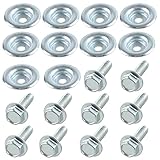
I remember the first time I tried to build something substantial without really understanding the fasteners. It was a simple workbench, or so I thought. I grabbed a handful of what looked like perfectly good bolts from the hardware store, figuring any bolt was a bolt. Two weeks later, after wrestling with warped pieces and a wobbly top, I realized my mistake. Those bolts weren’t just loose; they had actually stretched slightly under load. It taught me a hard lesson: not all bolts are created equal, and the question of whether are a2 bolts high tensile is more important than you might think.
It’s easy to get lost in the jargon of metallurgy and tensile strength ratings. Most of us just need something that holds tight and doesn’t buckle. But for anything beyond the most basic DIY project, understanding your hardware can save you a lot of grief, and frankly, a lot of wasted money on products that fail prematurely.
The Real Deal on A2 Stainless Steel Strength
So, let’s cut through the noise: are A2 bolts high tensile? The short answer is: it depends on what you mean by ‘high tensile’. A2 stainless steel, often referred to as 304 stainless steel, is a workhorse material for a reason. It’s corrosion-resistant, readily available, and relatively inexpensive. But when you stack it up against dedicated high-tensile fasteners, it falls short.
Think of it this way: A2 stainless is like a good, all-around athlete. It can run, jump, and play a bit of every sport. It’s great for outdoor furniture, kitchen gadgets, and general construction where extreme forces aren’t the primary concern. Its typical tensile strength ranges from about 500 to 700 MPa (megapascals). That’s not chump change, mind you. For most everyday applications, that’s more than enough strength to keep things from falling apart. I’ve used A2 bolts for countless projects, from building raised garden beds that withstand the weather to assembling the frame for a small greenhouse, and they’ve held up beautifully. They don’t rust, they don’t corrode, and they generally do the job without fuss.
However, when you start talking about true ‘high tensile’ bolts, you’re entering a different league. These are often made from carbon steel alloys with specific heat treatments to maximize their strength. We’re talking about grades like Grade 8.8, 10.9, or even 12.9. These grades can easily push tensile strengths into the 800 MPa, 1000 MPa, and even 1200+ MPa range. That’s double, sometimes triple, the strength of standard A2 stainless. So, if your project involves heavy loads, structural integrity under stress, or applications where failure could be catastrophic – like automotive suspension, heavy machinery, or important building structures – A2 stainless is likely not going to cut it. You’ll need to step up to those higher-grade carbon steels.
My first real ‘aha!’ moment with this came when I was helping a friend reinforce an old, rickety shed. We were dealing with significant racking forces from wind. I suggested using some readily available stainless steel bolts because, hey, no rust! Big mistake. After a particularly windy week, the shed started to sag noticeably. We ended up having to replace those A2 bolts with proper high-tensile, zinc-plated carbon steel bolts (around Grade 8.8), and the difference in rigidity was immediate and dramatic. Lesson learned: corrosion resistance is great, but strength is most important when the forces are high.
What ‘tensile Strength’ Actually Means for You
Okay, so we’ve established that A2 stainless isn’t typically in the ‘high tensile’ category compared to dedicated steel alloys. But what does ‘tensile strength’ really mean in practical terms for someone holding a bolt in their hand? It’s the maximum stress a material can withstand while being stretched or pulled before it breaks. Imagine trying to stretch a rubber band; tensile strength is how hard you can pull before it snaps.
For bolts, this is measured in megapascals (MPa) or pounds per square inch (psi). A higher number means the bolt can handle more force before it deforms permanently (yield strength) or breaks completely (ultimate tensile strength). When you’re looking at bolt specifications, you’ll often see numbers like 4.6, 8.8, 10.9, or 12.9.
These are metric grades, and they give you a pretty good idea of the bolt’s strength. The first digit (or digits) represent roughly 1/10th of the minimum tensile strength in hundreds of MPa, and the second digit represents 1/10th of the yield strength ratio.
So, a Grade 8.8 bolt has a minimum tensile strength of about 800 MPa and a yield strength ratio of 0.8 (meaning it starts to deform permanently at about 0.8 times its ultimate strength).
A2 stainless steel, on the other hand, doesn’t usually follow these metric grade markings. When it’s specified, you’ll see ‘A2’ or ‘304’. Its tensile strength typically falls in the 500-700 MPa range. This is perfectly adequate for many applications where the load isn’t extreme. Think about assembling a bookshelf, attaching a doorknob, or putting together patio furniture. These don’t require bolts that can stop a runaway train. They need to hold things together securely against everyday forces.
However, if you’re working on something that will be subjected to significant vibration, dynamic loads, or sheer weight, you need to pay attention. For example, if you’re replacing bolts on a car engine, a trailer hitch, or even a particularly sturdy swing set, you absolutely want to opt for higher-grade bolts. The risk of a bolt failing under stress is much higher in these scenarios. I once tried to use A2 bolts to secure a heavy-duty shelf bracket in a workshop.
The shelf itself was fine, but the bracket started to pull away from the wall after a few months, and upon inspection, the bolts had visibly deformed. It was a clear sign that the load exceeded their tensile capacity. I immediately upgraded to Grade 8.8 bolts, and the problem was solved.
It was a cheap lesson at the time, costing me about $15 for new bolts and an hour of work, but it hammered home the importance of matching the bolt’s strength to the application. (See Also: Are All Honda Atv Bolt Patterns The Same )
What’s the Difference Between Tensile Strength and Yield Strength?
Tensile strength is the absolute maximum stress a bolt can take before breaking. Yield strength is the point at which the bolt starts to permanently deform, even if it doesn’t break immediately. For important applications, you want to make sure the forces are well below the bolt’s yield strength to prevent any permanent bending or stretching.
A2 Bolts vs. Higher Tensile Steel: When to Choose What
The choice between A2 stainless steel bolts and higher tensile steel bolts boils down to a balancing act between corrosion resistance, strength, cost, and the specific demands of your project. It’s not about one being inherently ‘better’; it’s about being the right tool for the job.
Let’s break it down with a comparison. Imagine you’re building a simple outdoor bench for your garden. You want it to look good and not rust away after one rainy season. Here, A2 stainless steel is often the ideal choice. It offers excellent corrosion resistance, which is key for outdoor use, and its typical tensile strength of 500-700 MPa is more than sufficient to handle the weight of people sitting on it. Plus, it’s widely available and reasonably priced. You won’t be breaking the bank, and you won’t have to worry about unsightly rust streaks ruining your nice woodworking.
Now, consider a completely different scenario: you’re installing a heavy-duty winch on the frame of a truck, or you’re assembling a structural support for a large piece of industrial equipment. In these cases, the forces involved are immense. Vibration can loosen fasteners, and sheer weight can cause them to stretch or shear. Here, A2 stainless is a definite no-go.
You need bolts with significantly higher tensile strength, like Grade 10.9 or 12.9 carbon steel bolts. These are engineered to withstand extreme loads and are often coated (like with zinc or black oxide) for some level of corrosion protection. While they might not offer the same level of rust-proofing as stainless steel, their superior strength is a must for safety and reliability in such demanding applications.
I made a mistake early on when I was trying to replace some bolts on an old motorcycle. I wanted them to look clean and new, so I opted for stainless steel bolts.
They looked great initially, but during a ride, I hit a pothole that put a lot of stress on the components. I later discovered that a few of the stainless bolts had actually bent slightly. Thankfully, nothing catastrophic happened, but it was a stark reminder. The original bolts were likely a much higher tensile grade, designed for the dynamic stresses of a motorcycle.
I ended up replacing them with the correct grade of black-coated, high-tensile steel bolts, and they’ve held firm ever since. The cost difference was minimal – maybe $20 more for the correct fasteners – but the peace of mind was invaluable. It’s a classic case of prioritizing appearance over important function, a trap many DIYers fall into.
Here’s a quick rundown:
| Application Type | Recommended Bolt Type | Key Considerations | Verdict on A2 Stainless |
|---|---|---|---|
| Outdoor Furniture, Garden Structures, Kitchen Appliances | A2 Stainless Steel (304) | Corrosion resistance, moderate strength, aesthetics | Excellent choice. Provides durability without rust. |
| General Woodworking, DIY Shelving, Interior Fixtures | A2 Stainless Steel or Zinc-Plated Carbon Steel (Grade 4.6/4.8) | Ease of use, cost-effectiveness, adequate strength | Good option, especially for indoor use where rust isn’t a concern. |
| Automotive Repairs (non-important), Trailers, Heavy-Duty Brackets | High-Tensile Steel (Grade 8.8 or 10.9) | High strength, vibration resistance, load-bearing capacity | Generally NOT suitable. Strength is often insufficient. |
| Structural Components, Machinery, High-Stress Applications | Very High-Tensile Steel (Grade 10.9 or 12.9) | Extreme strength, load tolerance, safety-important | Completely unsuitable. Lacks the required strength. |
Common Mistakes When Buying Bolts
It’s amazing how many ways people can mess up buying something as seemingly simple as a bolt. Most of these errors stem from not understanding the basic principles I’ve been talking about, or just grabbing whatever looks cheapest or shiniest at the hardware store. If you’re wondering about ‘are a2 bolts high tensile’, you’re already ahead of many people making these common blunders.
One of the biggest mistakes is assuming all bolts that look the same are interchangeable. You might have a bolt that’s been in a piece of equipment for years, and it’s corroded.
You go to the store, find a stainless steel bolt that looks identical, and swap it in. What you’ve likely done is replaced a strong, load-bearing fastener with one that has significantly lower tensile strength. This is particularly dangerous in automotive or mechanical applications where precise material properties are designed for safety. I learned this the hard way when I was rebuilding a bicycle frame.
I used stainless steel bolts for the crankset because they looked so much better than the old, rusted ones. About fifty miles in, one of the crank bolts loosened and started to creak ominously. (See Also: Are Ak Bolts Interchangeable )
It wasn’t just about aesthetics anymore; it was about performance and safety. I had to find the exact grade of high-tensile steel bolts specified by the manufacturer. It cost me about $12 and a trip back to the shop, but it saved me from a potentially nasty fall.
Another common pitfall is confusing metric and imperial sizes. While less about tensile strength directly, using the wrong thread pitch or diameter can lead to poor fastening, stripped threads, or even the inability to properly torque the bolt. This can indirectly compromise the overall strength of the assembly. Always double-check your measurements and the specifications of the bolts you’re buying.
Then there’s the ‘shiny is better’ trap. Stainless steel looks great, and it resists rust. But as we’ve discussed, A2 stainless isn’t about brute force. People often choose it for applications where high tensile strength is the priority, like structural supports or heavy-duty hinges, simply because it won’t corrode.
This is a important error in judgment. While rust is unsightly and weakens steel over time, a bolt that breaks under load due to insufficient tensile strength is a far greater hazard. You might end up with a rusty but intact Grade 4.8 bolt holding a shelf, while a non-rusty but bent A2 bolt might fail completely under a similar load in a more important area.
The key is to match the material properties to the requirements of the job, not just its appearance or environmental exposure.
Finally, people often buy bolts in bulk without considering the specific grade. You might see a giant box of M6 bolts for a great price. But if those are standard, low-carbon steel bolts and you need something for a high-stress joint, you’ve just bought a lot of weak fasteners. Always look for the grade markings on the bolt head or packaging. These markings (like 8.8, 10.9, 12.9) are your guarantee of strength. Without them, you’re basically guessing.
What Happens If I Use a Bolt with Too Low Tensile Strength?
If you use a bolt with insufficient tensile strength for the load it’s subjected to, it can permanently deform (yield) or even break. This can lead to the assembly loosening, failing, or causing damage to surrounding components. In safety-important applications, it can result in serious accidents.
Real-World Uses and When to Be Skeptical of A2
I’ve spent years tinkering, building, and fixing things, and I’ve seen firsthand where A2 stainless steel bolts shine and where they really, truly fall short. My garage is a testament to this; I’ve got drawers full of A2 bolts for general assembly and outdoor projects, but also a separate stash of high-tensile bolts for anything remotely mechanical or structural.
When do I reach for A2? Almost any time I’m building something that will be exposed to the elements and doesn’t require extreme load-bearing capacity. Think about:
- Outdoor furniture frames and hardware
- Garden gates and fencing hardware
- Marine applications (where corrosion is a major enemy, and loads are often moderate)
- Kitchen and bathroom fixtures
- General home repairs where aesthetics and rust prevention are important
For instance, I recently built a custom cedar planter box. The screws holding the wood together were stainless, but the hardware connecting the corner posts and the legs were A2 bolts.
This makes sure the structural integrity against the weight of wet soil and the wood, while the stainless steel prevents the fasteners themselves from degrading in the garden environment. It’s a perfect marriage of form and function.
Now, when do I get skeptical of A2? Anytime the word ‘structural’, ‘load-bearing’, or ‘important component’ comes up. This includes:
- Vehicle repairs: Especially suspension, steering, or engine mounts. While some internal engine components might use stainless for heat resistance, important structural fasteners are almost always higher grades.
- Heavy machinery assembly or repair: Think industrial equipment, large workshop tools, or anything subjected to significant, repeated stress.
- Anything involving significant vibration: The constant jarring can work weaker bolts loose or fatigue them over time.
- Building structures: Unless it’s a very light-duty, non-load-bearing decorative element, standard A2 is probably not code-compliant or safe.
I once tried to use A2 bolts to reassemble a faulty lawnmower deck. The idea was to prevent rust from the constant exposure to grass and moisture. (See Also: Are All Bolt Patterns The Same )
Within a few mowing sessions, one of the bolts holding a blade adapter vibrated loose, and the adapter started to wobble. Thankfully, it didn’t detach completely, but it was a clear sign that the vibration and torque were more than the A2 bolt could handle long-term. I had to replace it with a much stronger, likely black-oxide coated, higher-grade steel bolt. This experience hammered home that corrosion resistance is a great feature, but it doesn’t magically imbue a bolt with higher tensile strength.
If the job requires the force resistance of, say, an 8.8 grade bolt, A2 stainless simply won’t measure up, no matter how nice it looks.
The common advice you’ll find online, often from people who haven’t actually stressed these materials, is that stainless steel is ‘strong enough’ for most things. I fundamentally disagree with that blanket statement. It’s strong enough for many things, but not for most things that require true ‘high tensile’ properties. Always err on the side of caution and check the specifications.
Practical Tips for Choosing the Right Bolts
Navigating the world of bolts can feel like a minefield, but a few practical tips can save you a lot of headaches, wasted money, and potentially dangerous failures. When you’re looking at a project, the first thing you should ask yourself isn’t ‘Will this rust?’ but ‘How much force will this fastener be under?’ The answer to that second question dictates the bolt grade you need, and the answer to the first determines if you can afford to go with stainless steel.
Here’s my go-to checklist:
- Identify the Load: Is it static weight (like a shelf)? Dynamic force (like a moving part or vibration)? Shear force (trying to cut the bolt)? Pure tension (pulling it apart)? Understanding the primary forces your fastener will experience is step one. For most DIY, static loads are common. For anything more complex, you need to investigate further.
- Check for Grade Markings: This is a must for any application beyond very light-duty. Look for the numbers on the bolt head (e.g., 8.8, 10.9) or on the packaging. If there are no markings, it’s likely a lower-grade bolt, and you should assume A2 stainless (or equivalent) strength at best, unless explicitly stated otherwise. For A2 stainless, you’re generally looking at the 500-700 MPa range.
- Consider the Environment: Will it be exposed to moisture, salt, chemicals, or extreme temperatures? This is where stainless steel (A2 or A4) shines. If the environment is benign (indoors, dry), then corrosion resistance is less of a concern, and you can prioritize strength. A plain or zinc-plated carbon steel bolt might be perfectly adequate and significantly cheaper.
- Don’t Be Fooled by Appearance: Stainless steel looks great, but it doesn’t automatically mean it’s strong enough. I’ve seen too many beautiful, but weak, stainless steel fasteners fail in demanding situations. A slightly rusty but correctly graded bolt is always superior to a pristine, but under-spec’d, one.
- When in Doubt, Go Stronger (and Stainless if Needed): If you’re genuinely unsure and the application could have safety implications, err on the side of caution. Opt for the next higher tensile grade. If corrosion is also a concern, you might look for higher-grade stainless steel alloys (like A4/316) if available, or use a high-tensile bolt with a suitable protective coating. For example, if you think you need 8.8, but you’re not sure and it’s outdoors, an A4 stainless bolt might be a good compromise if its strength is comparable or if the load is just at the edge of the 8.8’s capacity.
- Read Manufacturer Specs: If you’re working on something specific, like a piece of furniture, equipment, or a vehicle, always try to find the manufacturer’s recommendations for replacement parts. They’ve done the engineering for you.
I recently helped a neighbor fix a fence gate that kept sagging. He’d already replaced the hinges twice. Upon inspection, I saw he’d used standard zinc-plated bolts that looked okay but had clearly bent under the gate’s weight and constant motion. We swapped them out for M8 Grade 8.8 bolts, and the gate now swings smoothly and stays perfectly aligned. It was a $5 fix that solved a persistent problem, all because we used a bolt with adequate tensile strength for the load. The question of whether are a2 bolts high tensile is fundamental to avoiding these kinds of issues.
Faq About A2 Bolts and Tensile Strength
Are A2 Bolts Stronger Than Regular Steel Bolts?
Not typically. ‘Regular steel’ is a broad term, but A2 stainless steel generally has a tensile strength of 500-700 MPa. Higher-grade carbon steel bolts, like Grade 8.8 or 10.9, can have tensile strengths exceeding 800 MPa and 1000 MPa respectively. While A2 is corrosion-resistant, it’s not inherently stronger than many dedicated high-tensile steel bolts.
Can I Use A2 Stainless Steel for Structural Applications?
For most structural applications, especially those involving significant loads or safety concerns, A2 stainless steel is generally not recommended. While it offers good corrosion resistance, its tensile strength is often insufficient compared to engineered high-tensile steel grades (like 8.8, 10.9, 12.9) required for such purposes.
What Is the Tensile Strength of A2 Stainless Steel?
A2 stainless steel (equivalent to 304 stainless steel) typically has a minimum tensile strength ranging from about 500 to 700 MPa. This is adequate for many general-purpose and decorative applications but falls short of what is considered ‘high tensile’ for demanding mechanical or structural uses.
When Should I Avoid Using A2 Stainless Steel Bolts?
You should avoid A2 stainless steel bolts in applications where high load-bearing capacity, resistance to extreme stress, or significant vibration are factors. This includes most automotive repairs (especially suspension or engine components), heavy machinery, structural supports, and situations where a bolt failure could lead to injury or significant damage.
Verdict
So, to wrap it all up: are A2 bolts high tensile? In the grand scheme of fasteners designed for extreme stress, the answer is a clear no. They offer a fantastic balance of corrosion resistance and adequate strength for a huge range of everyday tasks, from your garden shed to your kitchen cabinets. I rely on them constantly for their ability to resist rust and look good doing it.
But when your project involves serious forces, vibration, or important structural integrity, you absolutely must look beyond A2 stainless. You need to seek out those higher-grade carbon steel bolts, marked with their specific strength ratings. Don’t let the shiny appeal of stainless steel blind you to the fundamental need for the right material properties. It’s about safety, reliability, and making sure your work actually lasts.
Next time you’re at the hardware store, take a moment to check those markings. It might just save you a world of trouble down the line. For anything beyond light-duty, understanding bolt grades is far more important than just picking the one that won’t rust.