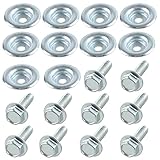
I remember a few years back, wrestling with a stubborn bit of outdoor furniture. The instructions called for aluminum bolts, and I, armed with a toolbox and a healthy dose of misplaced confidence, grabbed my trusty magnetic screwdriver. Big mistake. That little tool just spun uselessly, refusing to pick up a single bolt. It was a moment of pure, face-palm realization: not all metal is the same. And if you’re wondering, are aluminum bolts magnetic? The short answer is a resounding no, and here’s why that matters when you’re actually trying to get a job done.
It’s easy to get caught up in what looks like metal and assume it’ll behave like, well, metal you’re used to. But the properties of different metals vary wildly. Aluminum is one of those materials that often throws people for a loop because it’s so common, yet so different from, say, steel.
Why Your Magnet Won’t Stick to Aluminum
So, let’s get straight to it: are aluminum bolts magnetic? No. They are not. And the reason is all about the atomic structure and how certain elements interact with magnetic fields. Magnets work by aligning the magnetic domains within a material. For a material to be strongly magnetic (ferromagnetic), it needs to have unpaired electrons that can be easily aligned by an external magnetic field. Think of it like a bunch of tiny compasses all pointing in the same direction. Materials like iron, nickel, and cobalt have these properties and are therefore attracted to magnets.
Aluminum, on the other hand, is classified as a paramagnetic material. This means it’s very, very weakly attracted to magnetic fields. So weakly, in fact, that for all practical purposes, especially when you’re dealing with everyday items like bolts and screws, you won’t notice any attraction at all. The attractive force is so minuscule it’s basically zero in the real world. This fundamental difference is why you can’t rely on a magnet to pick up an aluminum bolt, to keep track of it during assembly, or to test if a bolt is actually aluminum.
This can be a real pain in the backside when you’re working on a project. I was once trying to assemble a lightweight patio set, and the instructions were a bit vague about which fasteners were which. I’d grabbed a handful of bolts that looked similar, and I was trying to sort them using a magnet to see which ones were steel (which I needed for structural parts) and which were aluminum (for the lighter, decorative bits).
My magnet happily clung to about half of them, and the other half just sat there, mocking me. I ended up having to meticulously check each one visually and by weight, which added a good hour to a job that should have taken forty-five minutes.
Lesson learned: assume your magnet will tell you nothing about aluminum.
The confusion often stems from the fact that aluminum is a metal. And in our minds, metals are magnetic. But that’s an oversimplification. There are many types of metals, and their magnetic properties are dictated by their elemental composition. Aluminum’s atomic number is 13, and its electron configuration doesn’t lend itself to strong magnetic interactions. It’s more reactive than iron, which is why it forms a protective oxide layer on its surface, but that oxide layer doesn’t suddenly make the bulk aluminum magnetic.
When ‘aluminum’ Might Actually Be Steel
Here’s where things get dicey and where a lot of DIYers get tripped up. Sometimes, a product is advertised as having aluminum components, or the fasteners are described as aluminum, but they’re not. Or, more commonly, the manufacturer might use steel fasteners that are coated to look like aluminum. This is a classic case of overpromising and underdelivering, or just plain misleading marketing. I’ve seen it countless times with cheap furniture, bike parts, and even some consumer electronics.
You buy something, expecting it to be lightweight and corrosion-resistant because it’s ‘aluminum.’ Then you get it home, and it feels heavier than it should. You drop a fastener, and instead of clattering onto the floor, it makes a satisfying metallic ‘thud’ and… your magnetic screwdriver picks it up. Bingo. It’s steel. Often, it’s zinc-plated steel, which is cheap and strong, but it’s not aluminum. Why do they do this? Cost, mostly. Steel is generally cheaper than aluminum, and coatings can make it look good for a while.
I had a particularly frustrating experience with a set of bolt-on shelf brackets for my garage. The description online explicitly stated ‘aluminum construction’ and ‘corrosion-resistant fasteners.’ I needed something light and that wouldn’t rust in my humid garage. When the package arrived, I immediately noticed the weight. (See Also: Are All Honda Atv Bolt Patterns The Same )
I picked up one of the bolts to screw it in, and my magnetic wrench stuck to it like glue. Turns out, the brackets themselves were indeed aluminum, but the accompanying bolts were plain old steel. They looked okay, but I knew in a year or two, I’d be dealing with rust stains.
I ended up having to make a special trip to the hardware store to buy actual stainless steel or aluminum bolts, costing me an extra $30 and a lot of annoyance. It’s not just about whether aluminum bolts are magnetic; it’s about understanding what you’re actually buying.
This is why you can’t rely solely on visual cues or even the product description if you need specific material properties. If you absolutely need aluminum fasteners for a project where magnetism is a concern (though this is rare for aluminum bolts themselves), or if you need to identify if a fastener is truly aluminum, you’ll need to do more than just wave a magnet at it. You can check the packaging, look for markings on the bolt head (though these often indicate size or grade, not material), or even do a quick weight comparison if you have a known aluminum bolt to compare it against. The common advice to “just use a magnet to sort your hardware” is, in this context, completely wrong.
So, What is Aluminum Used for in Fasteners?
Even though aluminum bolts aren’t magnetic, aluminum itself is a fantastic material for certain applications, and fasteners are no exception. The primary reason aluminum is chosen for bolts and screws is its incredibly low weight. For applications where every ounce counts – think aerospace, high-performance bicycles, drones, and lightweight camping gear – aluminum fasteners are a no-brainer. They provide sufficient strength for many non-important load-bearing applications without adding significant heft.
Another major advantage is corrosion resistance. Pure aluminum forms a protective oxide layer when exposed to air, which prevents further oxidation. This makes aluminum fasteners excellent for use in wet or corrosive environments where steel fasteners would quickly rust and degrade. Think outdoor furniture, marine applications (though stainless steel is often preferred here for higher strength and specific corrosion resistance), and even in some food processing equipment where rust contamination is a concern. However, it’s important to note that aluminum can corrode in certain chemical environments, so suitability depends on the specific conditions.
When you buy aluminum bolts, you’re often looking at alloys like 6061-T6 or 7075-T6. These alloys are heat-treated to increase their strength, making them suitable for more demanding tasks than pure aluminum. For example, 7075-T6 is one of the strongest aluminum alloys and is used in aircraft components. So, while they aren’t magnetic, they can be surprisingly strong and lightweight for their size.
The choice between aluminum and steel fasteners often comes down to a trade-off between weight, strength, cost, and corrosion resistance. If you’re building a heavy-duty workbench or a structural frame for a shed, steel is almost always the better choice due to its superior strength and lower cost. But if you’re building a custom mountain bike frame, assembling a drone, or putting together lightweight garden furniture, aluminum fasteners offer the performance benefits you need. Understanding these properties is key to choosing the right fastener for your project, and knowing that aluminum bolts aren’t magnetic is just the first step.
Identifying Aluminum Fasteners: Beyond the Magnet Test
Since a magnet won’t help you distinguish aluminum bolts from steel ones, you need other methods. This is where paying attention to detail really pays off. The first thing to do is simply look at the packaging. Reputable manufacturers will clearly label the material of their fasteners. If it says ‘Aluminum Alloy’ or lists a specific aluminum alloy number (like 6061), you’re good to go. If it just says ‘metal bolts’ or ‘hardware,’ assume it’s standard steel unless stated otherwise.
Next, consider the weight. Aluminum is significantly less dense than steel. Pick up a bolt you know is steel (maybe an old one from a different project) and then pick up the aluminum bolt you’re trying to identify. If the aluminum bolt feels noticeably lighter, that’s a strong indicator. This is a practical tip I use all the time when I’m sorting through bins of hardware at the store. I’ll often pick up a bolt and just feel its heft.
Look for color and finish. While some steel bolts are coated to look like aluminum (often with a silvery zinc plating), true aluminum bolts usually have a duller, more matte silver appearance. They might also have a slight grayish tint. High-strength aluminum alloys can sometimes have a slightly golden or bronze hue depending on the alloy and finish. Steel, especially if it’s galvanized or zinc-plated, will often have a brighter, more reflective sheen. However, this is not a foolproof method, as surface treatments can be deceptive. (See Also: Are Ak Bolts Interchangeable )
Another, albeit less common, method is to look for markings. Some manufacturers stamp a small ‘AL’ or ‘A’ onto the head of aluminum bolts, similar to how steel bolts are marked with their grade (e.g., ‘8.8’, ‘10.9’). This is rare, and you’d need to have a reference to know what to look for. For most DIYers, checking the packaging and feeling the weight are the most reliable ways to confirm if you have aluminum fasteners in hand.
Common Mistakes When Using Aluminum Fasteners
The biggest mistake, as I’ve already alluded to, is assuming aluminum bolts are magnetic and can be easily sorted or handled with magnetic tools. This leads to wasted time and frustration. But there are other pitfalls to watch out for.
1. Overtightening: Aluminum is softer than steel. If you apply too much torque, you can strip the threads of the aluminum bolt or, worse, damage the threads in the material it’s being screwed into. This is especially true for aluminum housings or components. Always use a torque wrench if precision is needed, and start with less force than you think you need. I once overtightened an aluminum bolt on a bike pedal, and the threads inside the crank arm were toast. It was an expensive lesson in not using brute force with softer metals.
2. Using Them in High-Stress Applications: While aluminum alloys can be strong, they generally don’t match the tensile strength and sheer strength of steel. If your project involves significant loads, vibrations, or potential impact, stick with steel or hardened stainless steel fasteners. Using aluminum in a place where a steel bolt would normally go can lead to premature failure of the fastener and the assembly. For example, I wouldn’t use aluminum bolts for mounting a heavy engine component or a load-bearing shelf bracket that will hold hundreds of pounds.
3. Incompatible Chemical Environments: While aluminum resists general corrosion, it can be susceptible to galvanic corrosion when in direct contact with more noble metals (like stainless steel) in the presence of an electrolyte (like saltwater). This can cause the aluminum to degrade rapidly. If you’re using aluminum bolts in a marine environment or anywhere with dissimilar metals and moisture, consider using a dielectric grease or a specific coating to prevent this. The common advice to just grab ‘any bolt’ is often wrong here.
4. Expecting Them to Be Like Steel: People often treat aluminum fasteners with the same disregard as common steel ones. They might hammer them into place, force them with undersized tools, or subject them to conditions they aren’t designed for. Remember, aluminum is lighter and often softer. Treat it with a bit more care. Using the correct tools – like the right size Allen wrench or socket, and making sure the bolt head is clean – will make a world of difference.
Here’s a little table that sums up some key differences when choosing fasteners:
| Feature | Aluminum Bolts | Steel Bolts | Verdict |
|---|---|---|---|
| Magnetic Attraction | No (Paramagnetic) | Yes (Ferromagnetic) | Aluminum wins for non-magnetic needs. |
| Weight | Very Light | Heavy | Aluminum is best for weight savings. |
| Strength (General) | Moderate | High | Steel is typically stronger. |
| Corrosion Resistance | Good (Oxide Layer) | Poor (Rusts without coating) | Aluminum is better for general corrosion. |
| Cost | Moderate to High | Low | Steel is usually cheaper. |
| Thread Stripping Risk | Higher | Lower | Be gentle with aluminum. |
Practical Tips for Working with Aluminum Fasteners
Okay, so you’ve decided you need aluminum bolts for your project, or you’ve ended up with some and need to use them. Here are a few practical tips that have saved me a lot of headaches. First off, always use the correct tool. For hex-head bolts, use a properly sized socket or wrench.
For Allen bolts, use an Allen key that fits snugly – no wiggling. A loose tool will round off the head of an aluminum bolt much faster than it would a steel one.
I learned this the hard way when trying to quickly tighten some aluminum bolts on a motorcycle exhaust heat shield with a slightly worn Allen key. The head got mangled, and I had to use pliers to get it out later. Not fun. (See Also: Are All Bolt Patterns The Same )
When you’re screwing them in, especially into a tapped hole in aluminum, apply steady, even pressure. Don’t try to force them. If they start to bind, back them out, check the threads on both the bolt and the hole for any debris or damage, and then try again. A little bit of anti-seize compound can also be beneficial, especially if you anticipate needing to remove the fasteners later or if you’re joining aluminum to another metal that might cause galvanic corrosion. Just a tiny dab goes a long way.
If you’re buying new aluminum bolts, check the specifications. Don’t just grab the cheapest ones. Look for the alloy type if you need specific strength or corrosion resistance. For example, if you’re working on a bike, you might want 7075-T6. If it’s for garden furniture, a less expensive alloy might be fine. Always consider the environment the fastener will be in. If it’s exposed to salt, moisture, or harsh chemicals, you might need more than just standard aluminum. Sometimes, anodized aluminum fasteners offer an extra layer of protection and color, which can be a nice bonus.
Finally, if you’re ever unsure about a fastener’s material and it’s important to know, and a magnet doesn’t work (because it’s aluminum), you can try a spark test if you have a grinding wheel. Steel will produce long, bright sparks, while aluminum produces very few, short, dull sparks. However, this is destructive and generally not practical for small fasteners. For most people, sticking to the packaging and visual/weight checks is sufficient. The key is to not assume and to understand that aluminum is different. Knowing that aluminum bolts aren’t magnetic is just the start of working with them effectively.
Frequently Asked Questions About Aluminum Bolts
Are Aluminum Bolts Strong Enough for Structural Applications?
Generally, no, not for heavy-duty structural applications where steel would typically be used. While aluminum alloys can be quite strong, they usually don’t match the tensile and shear strength of steel. For applications requiring high load-bearing capacity, vibration resistance, or impact resistance, steel or hardened stainless steel fasteners are a safer and more reliable choice. Aluminum fasteners are best suited for lighter-duty applications where weight savings or corrosion resistance are primary concerns.
Can Aluminum Bolts Rust?
Aluminum bolts do not rust in the way that iron or steel does. Rust is the oxidation of iron. Aluminum does oxidize when exposed to air, forming a protective layer of aluminum oxide. This oxide layer prevents further corrosion under normal conditions, making aluminum highly resistant to environmental degradation. However, aluminum can be susceptible to other forms of corrosion, such as galvanic corrosion when in contact with dissimilar metals in an electrolyte, or pitting corrosion in certain aggressive chemical environments.
How Can I Tell If a Bolt Is Aluminum or Stainless Steel?
Since a magnet will stick to stainless steel but not to aluminum, that’s your first and best test. If a magnet sticks, it’s likely stainless steel or another ferrous metal. If the magnet does not attract the bolt, it’s likely aluminum or another non-ferrous metal like brass or titanium. Visually, stainless steel often has a brighter, more reflective finish than aluminum, which tends to be duller and more matte. Weight is also a good indicator: stainless steel is significantly denser and heavier than aluminum.
Why Are Some Aluminum Bolts Colored?
The color on aluminum bolts is typically due to an anodizing process or a coating. Anodizing is an electrochemical process that builds a durable, corrosion-resistant oxide layer on the aluminum surface, and dyes can be added during this process to create various colors like red, blue, black, or gold. Some colored fasteners might also use paint or powder coating. These colors are often for aesthetic purposes, like on bicycles or custom automotive parts, or sometimes for identification, such as color-coding different fastener sizes or types.
Final Verdict
So, to settle the score: are aluminum bolts magnetic? Absolutely not. And while that might seem like a trivial piece of trivia, understanding this fundamental difference can save you a heap of time and prevent costly mistakes on your projects. Don’t be like me, fumbling with a magnetic screwdriver and wondering why nothing’s happening. Aluminum is chosen for its lightness and corrosion resistance, not its magnetic properties. When you’re choosing fasteners, think about the real-world demands of your build.
Whether you’re building a bike, assembling outdoor furniture, or working on some lightweight gear, knowing the properties of aluminum bolts is key. They’re not a direct replacement for steel in every situation, but for the right job, they’re invaluable. Pay attention to specifications, use the right tools, and treat them with the respect their material deserves.
Next time you’re at the hardware store, or tackling a project, remember this. It’s not just about whether aluminum bolts are magnetic, but about understanding what makes them useful and where they excel. Make informed choices, and your projects will thank you for it.