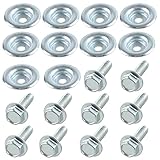
I still remember staring at that pile of assorted nuts, bolts, and washers after a particularly frustrating weekend project. It looked like a jumbled treasure chest, except the treasure was just… more mess. That’s when I first saw those fancy, organized bolt kits, and I remember thinking, ‘Are the AMK products complete bolt kit worth the money?’ It felt like a steep price for a box of metal bits, but the promise of sanity was tempting.
Years later, after assembling more flat-pack furniture, tinkering with countless gadgets, and generally making a mess of my garage, I’ve got a pretty solid opinion on whether these pre-packaged solutions actually save you time and money, or if they’re just another way for companies to charge you a premium.
Let’s cut to the chase: it’s not always a straightforward yes or no. It depends heavily on what you’re doing and how you work.
The Siren Song of Organization: Why You Might Consider a Bolt Kit
Look, nobody enjoys rummaging through a dusty coffee can overflowing with mismatched fasteners. It’s a time sink. You need a 5mm screw, and you end up with three 4mm ones, a stray carriage bolt, and a washer that’s definitely too big.
This is where the idea of a complete bolt kit shines. The appeal is obvious: everything you need, neatly categorized, ready to go.
For those who value their time and sanity over a few extra bucks, this is a powerful draw. Think about those projects where you’re under a deadline, or you’re just trying to get something functional quickly. Digging for the right fastener can feel like a punishment. A well-stocked kit means you grab the right size and thread pitch, and you’re off to the races.
It’s like having a personal hardware assistant who never complains.
I’ve seen kits that are ridiculously specific, like ‘bicycle repair bolt kit’ or ‘deck screw assortment.’ These can be gold if you’re constantly working on that specific thing. My first real foray into a bolt kit was for assembling some custom shelving units.
I was tired of running to the hardware store three times for different screw sizes I hadn’t anticipated. The kit I bought had hundreds of pieces, all sorted by size and type in little labeled compartments.
It felt like I was a professional builder, not just some guy with a drill. The sheer volume of options meant I always had something that would work, and the time saved not hunting was significant.
I remember finishing the shelving in one afternoon, a task that would have easily stretched over two days with my usual chaotic approach.
One of the common misconceptions is that these kits are just for beginners. Honestly, I find them incredibly useful even as an experienced DIYer.
It’s about efficiency. When you’re working on a project that involves multiple different types of fasteners, having them all in one place, pre-sorted, saves you from buying a whole box of 100 of something you’ll only use three of.
That’s money saved in the long run, and less waste. Plus, the sheer variety in some of the larger kits means you’re prepared for unexpected needs.
It’s that ‘just in case’ factor that really appeals to the pragmatic side of me. You never know when a project will throw a curveball, and having the right hardware readily available can be a lifesaver. It’s not just about having a bolt; it’s about having the right bolt, right then. (See Also: Are All Honda Atv Bolt Patterns The Same )
The Amk Product Approach: What Exactly Are You Getting?
When you look at AMK (which, for clarity, is often associated with high-quality fastener solutions, particularly in automotive restoration and performance), their complete bolt kits are generally a cut above your average hardware store grab bag. They aren’t just throwing random screws into a box.
These kits are typically hand-picked for specific applications. For instance, a classic car restoration kit will contain the exact types of bolts, nuts, washers, and sometimes even clips that were original to that make and model. This means you’re not guessing about thread pitch, length, head style, or material. It’s about authenticity and correctness, which is most important when you’re dealing with vintage vehicles or high-performance builds where the wrong fastener can cause serious issues, or at the very least, look like a glaring mistake.
So, what’s inside? Expect a meticulous selection. This usually includes various grades of steel bolts (often with specific coatings like zinc or black oxide, depending on the application), stainless steel options for corrosion resistance, and sometimes specialized fasteners like U-bolts, J-bolts, or specific clip types. The organization is usually top-notch, with compartments labeled clearly, often referencing OEM part numbers or specific applications within the vehicle. This level of detail is what differentiates a true ‘complete’ kit from a generic assortment. You’re paying for that research, that precision, and that assurance that you’re using the correct hardware.
I remember working on a friend’s ’67 Mustang. We needed a bunch of small, specific bolts for the interior trim. Going to the local auto parts store was a nightmare.
They had shelves and shelves of generic stuff, but nothing that quite matched the original Phillips head screws with that specific, slightly rounded profile. It took us hours of sifting and trying. Then, we got an AMK kit specifically for that car’s interior. It was like a magic wand.
Every single bolt and clip was there, perfectly matched. The time and frustration saved were immense, and the final result looked factory-perfect.
That’s the value proposition: precision and completeness for a specific job. It’s not just a bolt; it’s the right bolt, in the right place, at the right time.
When Buying a Complete Kit Is a Dumb Move
Now, let’s get real. For all the organization and convenience, there are plenty of situations where buying a complete bolt kit is just plain wasteful. If you’re just doing a simple DIY project, like assembling a bookshelf or fixing a wobbly chair, you don’t need a $200 kit with 5,000 pieces. You probably only need a handful of specific screws and maybe some wood dowels. Buying a massive assortment kit for a small job is like bringing a bazooka to a water gun fight – overkill and expensive. You’ll end up paying for thousands of fasteners you’ll never use, and they’ll just sit in their fancy compartments, collecting dust.
My rule of thumb: if you can identify precisely what you need and you only need a few of each type, go to the hardware store or order just those specific items online. Buying a general-purpose bolt assortment is only worthwhile if you anticipate needing a wide variety of fasteners for multiple projects over time, or if your specific project demands a high degree of standardization and specific types that are hard to source individually.
I’ve learned this the hard way. I once bought a huge ‘general hardware’ bolt kit for my garage, thinking it would cover everything.
Turns out, most of the stuff was too small or the wrong thread for any of the actual projects I ended up doing. I ended up buying individual boxes of the sizes I actually needed anyway, and the giant kit just became clutter. It was a $150 lesson in not overbuying.
Another big red flag is when the kit’s contents aren’t clearly listed or are described vaguely. If a company can’t tell you exactly what sizes, types, and quantities of fasteners are in their kit, or if they just say ‘assorted,’ be very suspicious. They’re likely just offloading surplus stock or lower-quality items.
Reputable kits, especially those from brands like AMK that cater to specific industries, will provide detailed lists. If you’re looking at a kit and you can’t find a clear breakdown of its contents, walk away. You’re better off buying individual fasteners from a reliable source. It’s a bit more work upfront, but it’s cheaper and you get exactly what you need, not a box of ‘maybes’ that might not fit your project at all.
Real-World Use: When Amk Kits Shine Brightest
Okay, so we’ve established that for general household repairs, a massive, specialized kit is probably overkill. But where do these AMK complete bolt kits truly earn their keep? The answer is almost always in areas where precision, specific standards, and a high degree of complexity are involved. Think automotive restoration, high-performance vehicle builds, certain types of industrial equipment repair, or even specialized aerospace applications (though those kits are a whole other ballgame and price point). In these fields, using the wrong fastener isn’t just inconvenient; it can be dangerous or lead to catastrophic failure. The cost of a mistake, in terms of safety, repair time, and potential damage, far outweighs the cost of a precisely hand-picked kit. (See Also: Are Ak Bolts Interchangeable )
For example, I’ve seen mechanics use AMK kits for restoring classic muscle cars. These cars often have very specific requirements for bolt grades, head styles, and finishes to maintain originality and structural integrity.
Trying to source these individually from various suppliers can be a monumental task, and the risk of getting a slightly ‘off’ fastener that doesn’t sit right or compromise strength is high. The kit provides peace of mind.
It means every bolt used is correct for that specific application, reducing the chance of errors and making sure the project meets a high standard. It’s not just about having fasteners; it’s about having the correct fasteners that contribute to the overall integrity and authenticity of the build. I’ve heard stories from friends who spent weeks trying to track down the right set of metric bolts for a European sports car engine rebuild, only to find the complete kit online in an afternoon.
That’s the kind of time and sanity saving we’re talking about.
Beyond automotive, consider some high-end woodworking projects where specific types of metal fasteners are used for structural joins or decorative elements. Or even some specialized electronics assembly where specific torque values and material compatibility are important. While AMK might not always be the direct supplier for every niche, their model of providing application-specific, high-quality fastener kits is invaluable. It’s about eliminating variables and making sure that one important element – the connection – is absolutely solid and correct. The value isn’t just in the metal bits themselves, but in the research, quality control, and application-specific knowledge that goes into assembling them into a usable package.
Comparing Your Options: Kits vs. Individual Purchases
Deciding between a complete bolt kit and buying individual fasteners comes down to a cost-benefit analysis for your specific situation. Let’s break it down.
Buying individual fasteners is generally the most cost-effective option if you know exactly what you need and only need a relatively small quantity of each. Most hardware stores sell bolts and nuts in small packs (often 5-10 pieces) or larger boxes (50-100 pieces). If your project calls for, say, eight M6x20mm bolts and four M8x30mm bolts, buying them individually will almost always be cheaper than buying a kit that contains thousands of fasteners, most of which you won’t use. The downside?
You have to know exactly what you need, measure carefully, and potentially make multiple trips or online orders if you miscalculate. This can be time-consuming, and if you’re not experienced, you might guess wrong on thread pitch or length.
A complete bolt kit, on the other hand, offers convenience and preparedness at a higher upfront cost. For specialized applications like vintage car restoration (where AMK often excels), the kit’s value comes from its completeness and accuracy. You’re not just paying for the fasteners; you’re paying for the research that went into identifying every single correct fastener for a specific make and model. This saves immense time and guesswork.
You’re also less likely to encounter issues like using a bolt of the wrong grade or finish, which could compromise safety or aesthetics. The ‘worth the money’ question here hinges on how much you value your time, how important accuracy and authenticity are, and how difficult it would be to source those specific fasteners individually.
For a weekend warrior working on a deck, it’s probably not worth it. For someone meticulously restoring a classic car, it’s likely a a must sanity saver.
Here’s a quick comparison table:
| Factor | Complete Bolt Kit (e.g., AMK for specific application) | Buying Individual Fasteners | My Verdict |
|---|---|---|---|
| Cost per fastener | Generally higher | Generally lower | Depends on quantity needed. Kits can be cheaper per fastener if you use most of them. |
| Convenience | Very high | Low to moderate (requires planning, trips/orders) | Kits win if time is money and you’re prepared to use most items. |
| Accuracy/Specificity | Very high (for intended application) | Depends on your knowledge and the supplier | Kits are superior for specialized tasks needing OEM specs. |
| Waste/Leftovers | Potentially high if not all used | Low if you buy exactly what you need | Kits are wasteful for general projects. |
| Ideal Use Case | Restoration, performance builds, complex assemblies | General DIY, small repairs, simple projects | Match the solution to the complexity of the problem. |
Practical Tips for Using and Choosing Bolt Kits
So, you’ve decided a bolt kit might be for you. Great. Now, how do you make sure you’re getting good value and not just a box of disappointment?
First and foremost, research the kit thoroughly. If it’s an AMK kit for a specific car, look at reviews specifically for that kit and that vehicle model. Does it contain everything? (See Also: Are All Bolt Patterns The Same )
Are there any known omissions? Sometimes, even the most complete kits might require a few miscellaneous clips or fasteners that are hard to categorize. Check forums or communities dedicated to your project.
For example, on a Mustang restoration forum, someone might mention that the AMK kit for a ’67 Fastback is fantastic but you’ll still need to grab some specific interior door panel clips separately. That kind of intel is invaluable.
Secondly, understand the quality of the fasteners themselves. Don’t just assume because it’s a specialized kit that the bolts are top-tier. Look for information on the material grade (e.g., Grade 5, Grade 8, or specific automotive standards), plating (zinc, black oxide, stainless steel), and head types. If you’re working on something that requires corrosion resistance, you’ll want stainless steel or a high-quality coated fastener.
If it’s for a structural component, you’ll need the appropriate grade. A cheap kit might use lower-grade steel that can rust or shear under load, completely negating the benefit of organization. I once bought a generic ‘metric bolt assortment’ that looked great, but after a few months in my humid garage, half the bolts had started to rust. Not ideal.
For anything important, sticking with brands known for quality or buying from reputable suppliers is key.
Finally, consider the storage. Even the best kit is useless if the organizer falls apart or the compartments are too small to easily get fasteners in and out. Many higher-end kits come in sturdy plastic cases with well-designed dividers.
If the organizer seems flimsy, you might be better off transferring the contents to a better container yourself. Some people even buy empty, high-quality organizers and fill them with individual fasteners they’ve sourced themselves, which combines the best of both worlds if you have the time and expertise.
But for the sheer convenience and accuracy, especially for those niche automotive applications, are the AMK products complete bolt kit worth the money? For the right project, absolutely yes.
For general household repairs? Probably not.
It’s about matching the tool to the task.
What Is the Main Benefit of a Complete Bolt Kit?
The primary benefit of a complete bolt kit is unparalleled convenience and time-saving. Instead of hunting for individual fasteners at hardware stores or dealing with disorganized collections, you have a pre-sorted, application-specific set of hardware readily available. This is especially valuable for complex projects like automotive restoration, where using the correct, original-style fasteners is important for authenticity and proper function. It eliminates guesswork and reduces the risk of errors or delays.
Are Amk Bolt Kits Suitable for General DIY Projects?
Generally, no. AMK bolt kits are typically designed for very specific applications, most notably automotive restoration and performance. They contain a high volume of specialized fasteners often matching OEM specifications for particular makes and models. For general DIY projects like furniture assembly or minor home repairs, these kits are usually overkill and far too expensive. You’d be paying for thousands of fasteners you’ll likely never use. It’s more economical and practical to buy individual fasteners for such tasks.
How Do I Know If a Bolt Kit Is Good Quality?
You can assess the quality of a bolt kit by looking at the material of the fasteners themselves (e.g., Grade 5, Grade 8 steel, stainless steel for corrosion resistance), the type of plating or coating (zinc, black oxide, etc.), and the head styles. Reputable kits will clearly list the specifications of the included hardware. For specialized kits like AMK’s, their reputation within the automotive restoration community is a good indicator, as is the organization and durability of the storage case. Always check for detailed content lists to make sure accuracy and quality.
Conclusion
So, are the AMK products complete bolt kit worth the money? My honest take is that for the right job, they absolutely are. If you’re painstakingly restoring a classic car, meticulously rebuilding an engine, or tackling a project where every fastener needs to be exact to maintain integrity or originality, then the investment in a specialized, high-quality kit like those from AMK can save you an immense amount of time, frustration, and potential mistakes.
However, if your needs are more general – fixing a leaky faucet, assembling IKEA furniture, or putting up shelves – then buying a massive, specialized bolt kit is likely a waste of your hard-earned cash. You’re better off buying the few specific screws or bolts you need from your local hardware store. It’s about understanding the complexity and specificity of your task.
Before you click ‘buy’ on any bolt kit, especially a pricey one, do your homework. Check reviews, understand the exact contents, and consider if you’ll truly use most of what’s in the box. Sometimes the most expensive solution isn’t the best one.