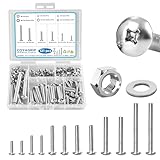
I remember staring at a stubborn wheel on my old Civic. It just wouldn’t budge. The mechanic told me the lug bolts were seized. Seized? I thought they were just… bolts. Turns out, the question ‘are lug bolts removable’ isn’t as simple as you’d think. Some come out with a gentle tap, others fight you like a cornered badger. This isn’t usually a sign of a faulty part, but a symptom of neglect, bad installation, or just plain bad luck.
They’re designed to be removed for tire changes, brake jobs, or replacing a damaged wheel. But if they’re stuck, it can turn a simple DIY job into a roadside nightmare or an expensive shop visit. Let’s cut through the confusion.
Why Some Lug Bolts Act Like They’re Welded On
Look, lug bolts are simple pieces of metal designed to hold your wheel onto the hub. They’re basically threaded studs that screw into the hub assembly. When you tighten your lug nuts (or bolts, depending on your car), they clamp the wheel against the hub. So, the question ‘are lug bolts removable’ seems silly, right? Well, not always. The enemy here is corrosion and improper torque. Salt from winter roads is a major culprit. It gets into the threads, mixes with moisture, and creates rust. This rust expands, effectively locking the bolt in place.
Then there’s the issue of overtightening. If a lug bolt or nut is torqued down way past its spec, it can stretch the metal or even gall the threads. Galling is a fancy word for metal surfaces welding themselves together under extreme pressure and friction.
It’s like trying to unscrew a bolt that’s been hammered into its hole. The friction and heat generated during installation, especially with impact wrenches used by rushed technicians, can also play a role. Some people even use anti-seize compound on the threads.
While it sounds like a good idea, it can mess with torque readings, leading to overtightening, which then leads back to seized bolts. My first car had the wheels on there so tight, I swear the previous owner must have used a jackhammer to finish the job. Took me ages to get them off, and one bolt snapped clean off, leading to a $200 repair bill I absolutely could have avoided.
Material matters too. Cheaper, lower-grade steel bolts are more susceptible to rust and wear than higher-quality ones. You might see this on older vehicles or cars that have seen heavy use in harsh climates. So, while they’re designed to be removable, a perfect storm of neglect, misuse, and environmental factors can make them a real pain.
What to Look for: Good Bolts vs. Bad Bolts
When you’re dealing with wheels and tires, you’re looking at safety-important components. So, understanding what makes a lug bolt ‘good’ or ‘bad’ is more than just an academic exercise. It’s about preventing a wheel from coming off on the highway, which is as terrifying as it sounds. First off, let’s talk about the bolt itself.
You want to see clean, sharp threads. No nicks, no burrs, no signs of rust creeping in. The head of the bolt should be in good condition, with the socket drive (like hex or spline) intact and not rounded off. If the head is already starting to look like a chewed-up piece of metal, you’re in for trouble. (See Also: Are Bolt Carrier Groups Interchangeable )
That’s a sign it’s been subjected to a lot of force, maybe from an ill-fitting wrench or excessive tightening.
Now, let’s consider the hub threads where the bolt screws in. Ideally, you’d be able to see clean, shiny threads in the hub. If you see rust or debris in there, that’s a red flag. This is where the corrosion starts, and it’s the most common reason why bolts become difficult to remove. The color of the bolt can sometimes tell you something too. Standard steel bolts are usually silver or black. If you see a bolt that’s turned a weird, dull brown or red, that’s rust. If it’s got a bluish tint, that might indicate it’s been overheated, which can weaken the metal.
The type of lug bolt also matters. Most cars use either standard lug bolts or wheel locks. Wheel locks have a unique pattern on the head that requires a special key to remove. They’re a theft deterrent. If your wheels have wheel locks, you absolutely MUST have the correct key, or they are NOT removable without damaging the wheel or the lock. I once borrowed a friend’s car and forgot to ask about the wheel lock key. Spent two hours trying to get the spare tire on before realizing my mistake. Paid for a tow that day, all because I didn’t check for the little key.
Here’s a quick table summing up what to keep an eye on:
| Feature | Good Sign | Bad Sign | Verdict |
|---|---|---|---|
| Threads | Clean, sharp, shiny | Rusty, nicked, rounded, galled | Good: Safe. Bad: Potential removal issues. |
| Bolt Head | Intact socket drive, no rounding | Rounded, stripped, damaged | Good: Easy socket fit. Bad: Wrench may slip, difficult removal. |
| Hub Threads | Clean, visible | Rusty, full of debris | Good: Bolt spins freely. Bad: Corrosion is setting in. |
| Bolt Color | Silver, black (standard) | Dull brown/red (rust), bluish (overheated) | Good: Normal. Bad: Indicates underlying issues. |
| Wheel Locks | Correct key present | Key missing or damaged | Good: Removable. Bad: Requires special tools or damage. |
Common Mistakes People Make When Removing Lug Bolts
This is where things get dicey for the average person. The biggest mistake is simple impatience. When a lug bolt is stuck, the natural instinct is to apply more force. This often means reaching for that breaker bar and putting your whole body weight into it. While sometimes necessary, without the proper technique, you’re just asking for trouble. You can round off the bolt head, making it impossible to grip with a socket. You can strip the threads on the bolt or, worse, in the hub. Or, you can snap the bolt clean off. A snapped bolt is a mechanic’s best friend and your worst nightmare.
Another common error is using the wrong tool. Not all sockets are created equal. If you use a worn-out socket, or one that’s slightly the wrong size, you’ll chew up the bolt head. This is especially true for those funky security bolts that require special spline or star sockets. If you don’t have the exact right one, don’t force it. Go buy the right tool, or take it to someone who does. I’ve seen guys mangle brand-new wheels trying to get a stubborn lug bolt out with the wrong socket. The cost of a proper socket set is nothing compared to a damaged alloy wheel.
People also underestimate the power of lubrication and heat. Spraying a penetrating oil like PB Blaster or Kroil and letting it soak for a while can work wonders. Sometimes, a bit of gentle heat from a propane torch (be careful not to overheat aluminum wheels or tires!)
can help expand the metal around the bolt and break the corrosion bond. Many DIYers just grab the wrench and start yanking, skipping these important preparation steps. They think it’s just a bolt, and it should just come out. It’s this kind of ‘brute force and ignorance’ approach that leads to more problems than it solves. (See Also: Are Wheel Bolts Universal )
My neighbor once spent an entire Saturday trying to remove a seized lug bolt on his pickup truck, only to end up snapping it. Then he called me. We ended up having to drill it out, which took hours and left a nasty scar on the hub.
Using an impact wrench without finesse is another classic mistake. While they’re great for speed, they can easily overtighten or, if used improperly on a stuck bolt, can shock the threads and cause damage. It’s better to use a breaker bar for stubborn bolts and feel the resistance. If you’re using an impact wrench, set it to a lower setting and use short bursts, trying to get the bolt to ‘walk’ out rather than brute-forcing it.
The Real Deal: How to Actually Remove Stubborn Lug Bolts
Okay, so you’ve got a lug bolt that’s putting up a fight. What do you do? First, and I cannot stress this enough, use the correct size and type of socket. A 6-point socket is generally better than a 12-point because it grips the flats of the bolt head more securely, reducing the chance of rounding. Make sure the socket is snug on the bolt head. If it feels loose, find a better-fitting one.
Next, grab a breaker bar. This is a long, strong bar that gives you more use than a standard ratchet. Apply steady, increasing pressure. Don’t just yank it. Try to apply smooth, consistent force. If it doesn’t budge, try tightening it just a tiny bit first. Sometimes this small movement can break the corrosion bond. Then, try loosening it again. This back-and-forth technique can be surprisingly effective.
If that still doesn’t work, it’s time for some chemical assistance. Spray a good penetrating oil (PB Blaster, Kroil, Liquid Wrench) directly onto the bolt threads where they meet the hub. Let it soak for at least 15-30 minutes, or even overnight if it’s really bad. You can tap the bolt head lightly with a hammer to help the oil penetrate the threads. After the soak, try the breaker bar again. Repeat the penetrating oil process if needed.
Heat is your friend, but use it wisely. A propane torch can be used to heat the area around the bolt (the hub). The idea is to expand the hub slightly, creating a gap for the bolt to move. Heat it for a minute or two, then try the breaker bar. Be extremely careful not to overheat aluminum wheels, as they can be damaged or discolored. Never heat a tire. If you’re not comfortable with heat, skip this step. For extremely stubborn bolts, sometimes an induction heater is used by professionals, but that’s beyond most DIY setups.
If the bolt head is already damaged, you might need a bolt extractor set. These are hardened sockets with internal spiral flutes that bite into a rounded-off bolt head. You hammer the extractor onto the damaged head and then use a breaker bar to turn it. This works well, but it’s a last resort as it will further damage the bolt head. For truly catastrophic situations where the bolt is broken off flush or below the surface, you’re looking at drilling it out. This is a precise job that requires careful centering to avoid damaging the hub threads. Once drilled, you might need to re-tap the threads or use a thread insert.
Faq: Are Lug Bolts Removable?
Can I Reuse Lug Bolts After They’ve Been Removed?
Generally, yes, you can reuse lug bolts as long as they are in good condition. Look for clean, undamaged threads and a head that isn’t stripped or rounded. If you had to use excessive force or an extractor, it’s safer to replace the bolt to avoid potential future issues. Always inspect them carefully. (See Also: Can Am Maverick X3 Xrs Wheel Bolt Pattern )
What Happens If a Lug Bolt Breaks Off?
If a lug bolt breaks off, it means you won’t be able to properly secure the wheel. You’ll need to have the broken bolt removed, which usually involves drilling it out. This can be a complex repair, and if not done correctly, can damage the hub. It’s best to address this as soon as possible to avoid further damage or safety risks.
How Tight Should Lug Bolts Be?
Lug bolts should be tightened to the manufacturer’s specified torque. This information is usually found in your vehicle’s owner’s manual. Overtightening can damage the bolt and hub, while undertightening can lead to the wheel loosening. Use a torque wrench for accurate tightening.
Can I Use Anti-Seize on Lug Bolts?
Using anti-seize on lug bolts is generally not recommended by most vehicle manufacturers. It can alter the torque readings, leading to undertightening or overtightening if you’re not careful. The recommended torque values are usually for dry threads. If you do use it, be aware that the actual clamping force might be different from what your torque wrench indicates.
Practical Tips and Tricks for Lug Bolt Removal
Here are a few things I’ve learned the hard way that might save you some grief. First, always clean the wheel hub area before reinstalling wheels. Get rid of any rust flakes or debris that could interfere with a flush fit or cause corrosion. A wire brush on a drill works wonders here. Second, when you’re putting the wheels back on, tighten lug bolts in a star pattern. This makes sure the wheel seats evenly against the hub. Do it in stages: snug them all up, then torque them down in the star pattern.
When torquing, use a good quality torque wrench and double-check the manufacturer’s specs. Don’t guess. A torque wrench might seem like an unnecessary expense, but it’s important for proper wheel installation and safety. I used to think ‘snug’ was good enough, but after a scary wobble at highway speeds that turned out to be a slightly loose wheel, I learned my lesson. About $80 for a decent torque wrench saved me a lot of potential headaches and danger.
If you live in an area that uses road salt heavily, consider applying a thin layer of copper anti-seize compound only to the center bore of the wheel where it meets the hub, not the lug bolt threads. This prevents the wheel itself from seizing to the hub, which is a different but equally annoying problem. Make sure you wipe off any excess that gets on the bolt holes or studs. For the lug bolts themselves, if you’re not in a rust-prone area, dry threads are usually best. If you are, some people have good luck with a very light application of a ceramic brake lubricant (designed for high heat) on the bolt threads, but again, be mindful of torque specs.
Finally, if a lug bolt feels excessively tight during removal, stop. Don’t force it. Go back to the penetrating oil, heat (if applicable), and breaker bar technique. A snapped bolt is almost always a bigger problem than a stuck one. It’s better to spend an extra hour trying to free it than an extra day trying to drill it out.
Final Verdict
So, are lug bolts removable? For the most part, yes, they are designed to be taken out. But ‘designed to be’ and ‘actually are’ can be two very different things in the real world of automotive maintenance. Corrosion, improper installation, and simple neglect can turn a routine removal into a battle. The key is preparation, the right tools, and a bit of patience. Don’t rush it, and don’t assume brute force is the answer.
If you’re dealing with a stubborn bolt, try the methods we’ve discussed: penetrating oil, steady use with a breaker bar, and gentle heat. If you’re not comfortable with any of these steps, or if the bolt head is already damaged, it’s absolutely okay to take it to a professional. They have specialized tools and experience that can save you time, frustration, and potential damage to your vehicle.
Next time you need to take a wheel off, or if you’re buying a used car, give those lug bolts a quick inspection. A little foresight can save you a lot of trouble. Knowing how to properly remove and reinstall your lug bolts is a fundamental part of keeping your car safe and roadworthy.