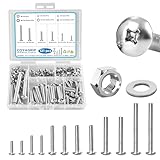
You’ve seen the advice online, probably scrolled past a dozen threads. ‘Need longer bolts if you’re running spacers,’ they all chime in. It sounds simple enough, right? But like most things in the car world, it’s not always that black and white. I remember staring at a set of shiny new wheels, itching to slap them on my old Civic. Then came the spacer question. Suddenly, I was drowning in forum posts and conflicting opinions about lug bolt length. Are longer lug bolts only needed with spacers, or is there more to it? It’s a question that can trip up a lot of folks, leading to dodgy setups or unnecessary expense.
The Lug Bolt-Spacer Connection: It’s About Thread Engagement
Alright, let’s cut to the chase. The primary reason you’re told you need longer lug bolts when running wheel spacers is simple physics: thread engagement. Your lug bolts screw into the wheel hub and then into the wheel itself. The depth of this connection is called thread engagement. Think of it like a screw; the more threads that bite, the stronger the hold. Wheel spacers push your wheel further out from the hub. This extra distance means the original lug bolt, which was designed to mate perfectly with the original wheel thickness and hub depth, simply doesn’t have enough length to reach and properly secure the wheel through the spacer.
If you don’t use longer bolts with spacers, the factory bolts will bottom out in the spacer’s threaded holes before they can properly engage the threads in your wheel hub. This leaves you with severely compromised thread engagement. You might get a few turns, but nowhere near the six to eight full turns that are generally considered the minimum for safe and secure mounting. This is a recipe for disaster. Imagine those wheels coming loose at speed. It’s not a fun thought, and it’s a situation that absolutely should be avoided. The common advice isn’t just for show; it’s a safety requirement born from understanding how forces work on a rotating wheel.
There are two main types of spacers: slip-on and bolt-on. Slip-on spacers are the ones that slide over your existing studs, and these always require longer lug bolts. The original studs are too short to pass through the spacer and still have enough thread length to engage the wheel. Bolt-on spacers, on the other hand, bolt directly to your hub, and they have their own studs that pass through your wheel. In this case, the spacer comes with its own studs, and you’ll use nuts to attach your wheel to those studs. The length of your original lug bolts becomes irrelevant here because you’re not using them to secure the wheel to the hub.
I made this mistake myself once, thinking I could get away with my stock bolts on some mild 5mm slip-on spacers on my old Mazda 3. I torqued them down, felt good about it, and drove off. Within about 50 miles, I started hearing a faint clunking. By 100 miles, it was a distinct rattle. Pulled over, and sure enough, the wheels felt loose. I was lucky it didn’t cause a catastrophe. Ever since then, I’ve religiously used the correct length bolts or gone with bolt-on spacers when needed. It’s just not worth the risk.
When Are Longer Lug Bolts actually Needed?
So, are longer lug bolts only needed with spacers? Generally, yes, for slip-on spacers. But let’s explore the nuances. The ‘need’ for longer bolts hinges entirely on whether your existing bolts provide adequate thread engagement with the wheel after the spacer is installed. For slip-on spacers, this is almost always the case. The spacer adds thickness between the hub face and the wheel mounting surface. Your original bolts are designed for zero or minimal spacer thickness.
Consider different spacer thicknesses. A thin 3mm spacer might sometimes still allow for sufficient thread engagement with stock bolts, especially if the original bolts were already on the longer side for that specific hub. However, this is a dangerous gamble. The rule of thumb is that for slip-on spacers, you need to increase the bolt length by the exact thickness of the spacer. So, a 10mm spacer means you need 10mm longer bolts. It’s a straightforward calculation.
Now, what about aftermarket wheels? This is where things get tricky and where some people incorrectly assume longer bolts are always needed.
Many aftermarket wheels have different ‘offset’ or ‘backspacing’ compared to stock wheels. Some might have thicker mounting pads, meaning the actual surface where the lug bolt seats is deeper into the wheel. In these instances, you might actually need shorter or different style lug bolts than stock, even without spacers. Conversely, some aftermarket wheels are designed to accommodate spacers more easily, perhaps with recesses in the back of the spokes to clear bolt heads or slightly thinner mounting pads.
The key takeaway here is that aftermarket wheels change the equation, and you must verify compatibility with your specific bolts and any intended spacers independently.
The common mistake is assuming that because a wheel looks ‘flush’ or ‘aggressive’ without spacers, it’s inherently compatible with them. It’s not. The physics of thread engagement don’t care about looks. They care about surface area and grip. A properly functioning lug bolt system provides that grip. (See Also: Can I Buy A Full Auto Bolt Carrier )
Here’s a simple way to think about it: If you install a spacer, and your original lug bolt doesn’t thread in as deeply into the wheel hub as it did before, you need longer bolts. It’s that simple. If you’re unsure, it’s always best to err on the side of caution. You can often test this by hand-tightening a bolt with the spacer on. Feel how many turns it takes to snug up. Then do the same without the spacer. If it’s significantly less, you have a problem.
Measuring and Choosing the Right Lug Bolts
So, you’ve decided you need longer lug bolts. How do you figure out exactly how much longer and what type? This is where you can’t just grab any old bolt from the auto parts store. You need precision. First, you need to know your vehicle’s lug bolt pattern (e.g., 5×114.3), the thread size (e.g., M14x1.5), and the seat type (e.g., conical/acorn, spherical/ball, flat). These are a must specs.
When you add a slip-on spacer, the spacer’s thickness is the minimum amount you need to add to your lug bolt length. For example, if you have 10mm slip-on spacers, you’ll generally want lug bolts that are 10mm longer than your stock ones. However, there’s a important caveat: you also need to make sure that the new bolt length doesn’t cause the bolt to bottom out in the hub itself, or protrude through the back of the hub assembly, which is rare but possible on some setups. The best practice is to measure your stock bolts from the underside of the seat to the tip. Then add your spacer thickness to that measurement. That’s your target length.
For bolt-on spacers, you’re not using your original lug bolts to secure the wheel to the hub. The spacer has its own studs, and you use lug nuts to attach the wheel to these studs. The length of your original lug bolts is irrelevant here. You’ll need to buy lug nuts that fit your aftermarket wheels and the studs on the bolt-on spacer. Make sure the seat type of the lug nuts matches your wheels.
I once bought a set of ‘extended’ bolts that were supposed to work with spacers, only to find they were too long and hit something inside the brake caliper assembly. It was a $100 lesson in measuring twice and buying once. Always confirm the overall length and the threaded portion length. Many reputable aftermarket wheel and spacer companies will provide charts or calculators to help you determine the correct bolt length based on your vehicle, spacer size, and wheel type.
Here’s a simple table to illustrate:
| Scenario | Spacer Type | Lug Bolt Needed? | Verdict |
|---|---|---|---|
| Stock Wheels, No Spacers | N/A | Stock Bolts | Safe |
| Stock Wheels, 5mm Slip-on Spacer | Slip-on | +5mm Longer Bolts | Likely Needed (verify engagement) |
| Stock Wheels, 15mm Slip-on Spacer | Slip-on | +15mm Longer Bolts | Almost Always Needed |
| Stock Wheels, 20mm Bolt-on Spacer | Bolt-on | N/A (uses spacer studs & lug nuts) | Original bolts irrelevant |
| Aftermarket Wheels (variable pad thickness), No Spacers | N/A | Check Compatibility | Could be stock, shorter, or different seat type |
| Aftermarket Wheels, 10mm Slip-on Spacer | Slip-on | +10mm Longer Bolts (from the aftermarket wheel’s required bolt) | Important to verify engagement |
Common Mistakes and Why They’re Dangerous
The biggest, most common mistake people make is assuming their stock lug bolts are ‘good enough’ when adding slip-on spacers. They might get a few threads to catch, and in their mind, that’s good enough. This is a fundamentally flawed understanding of how important lug bolt engagement is. We’re talking about the single point of connection holding your wheel to your car. It’s not like a Wi-Fi signal where ‘a little bit’ is okay. You need substantial, secure engagement.
Another frequent error is buying spacers and then trying to find the ‘longest’ bolts available without considering the specific thread pitch, seat type, or overall length. You can end up with bolts that are too long and interfere with other components, or bolts with the wrong seat type that don’t sit flush against the wheel, leading to uneven pressure and potential wheel damage. I once saw a friend’s car where the extended bolts were so long they were actually hitting the brake caliper rotor hat. It was a miracle they hadn’t caused a catastrophic failure.
People also get confused by the terminology. They hear ‘extended lug bolts’ and think it’s a universal solution. But ‘extended’ just means longer than stock. How much longer? What kind of seat? What thread? These details matter immensely. A bolt that’s 10mm longer might be perfect for a 10mm spacer on one car, but on another, the stock bolts might already be quite long, and you only need 5mm more. Or, conversely, the stock bolts might be short, and you need 15mm more for that 10mm spacer.
The ‘everyone does it’ mentality is another trap. You’ll see plenty of cars running spacers with stock bolts, and they might seem fine for a while. But that’s the insidious part. It might take thousands of miles, hitting a pothole, or a hard cornering maneuver for the failure to occur. By then, the damage is done, and the consequences can be severe – from damaged wheels and hubs to a complete wheel separation. It’s like playing Russian roulette with your car’s safety. The common advice to use longer bolts with slip-on spacers isn’t just an upsell; it’s a important safety recommendation based on fundamental engineering principles. (See Also: Are Mercruiser 5 7 Engines Four Bolt Mains )
The risk isn’t just to your vehicle. If a wheel comes off and causes an accident, you are liable. That’s a heavy burden for the sake of saving a few bucks on the correct hardware. Always prioritize safety over perceived cost savings or aesthetic compromises.
When Looks Trumps Safety (and Why It’s Dumb)
Let’s be blunt: sometimes people add spacers not for performance, but purely for the ‘stance.’ They want their wheels to sit flush with the fender flares, or even poke out a bit. This is where the line between modification and recklessness gets blurred. While achieving a desired look is a valid reason to modify a car, it should never come at the expense of safety. The desire for a slammed look or aggressive wheel fitment often leads people to cut corners, and the lug bolt situation is a prime example.
I’ve seen setups where people are running massive spacers, like 20mm or 25mm, on slip-on applications and are still trying to use stock-length bolts, or bolts that are only slightly longer. They figure, ‘It looks good, and it hasn’t fallen off yet.’ This is the height of arrogance and ignorance. The physics of use and stress are not forgiving. When you increase the offset of a wheel by adding a spacer, you’re basically increasing the use the wheel exerts on the hub and the bolts. If the bolts aren’t properly engaged, that use can quickly lead to premature wear, stress fractures, or outright failure.
The temptation is to think, ‘It’s just a few millimeters difference.’ But those millimeters translate directly into lost thread engagement. For example, if your stock bolts typically engage 8-10 full turns into the hub, and adding a 15mm spacer means you only get 3-4 turns, you’ve lost over half your secure connection. That connection is what’s preventing your wheel from flying off while you’re doing 70 mph down the highway. There’s no such thing as ‘good enough’ when it comes to lug bolt engagement.
My contrarian take? Forget the look if it means compromising safety. Everyone might be running spacers with ‘just enough’ thread engagement, but that doesn’t make it right. It just means they’re lucky, or they haven’t encountered the right set of circumstances to expose the flaw. I’d rather have a slightly less aggressive wheel stance with wheels securely bolted to my car than a perfect look with a ticking time bomb attached to my hubs. This is why understanding the fundamental reason for longer bolts – thread engagement – is most important.
When people ask me about spacers and bolts, I tell them this: ‘Do you want your car to look cool, or do you want it to stay on the road?’ The answer should be obvious, but the prevalence of unsafe setups suggests it’s not for everyone. Always prioritize the mechanical integrity of your vehicle over aesthetics. If you can’t achieve your desired look safely and affordably with the correct hardware, then perhaps it’s time to reconsider the modification.
Faqs: Your Burning Questions Answered
Do I Need Longer Lug Bolts If I Use Bolt-on Spacers?
No, you generally do not need longer lug bolts if you are using bolt-on spacers. Bolt-on spacers have their own studs that pass through your wheel. You will use lug nuts to secure your wheel to these studs, making your original lug bolts irrelevant for attaching the wheel. The spacer itself is bolted to the hub using its own set of bolts.
Can I Use My Stock Lug Nuts with Extended Lug Bolts?
This depends entirely on the seat type of your stock lug nuts and the seat type of the extended lug bolts you are using. If both have the same seat type (e.g., conical), and the extended bolts are designed to work with your wheels, then yes, you might be able to reuse them. However, it’s always best to check the specifications of both the bolts and your lug nuts, and consult the manufacturer for compatibility. Some extended bolt kits come with matching lug nuts.
How Do I Know If My Lug Bolts Are Long Enough with Spacers?
The easiest way to check is to install the spacer, then thread in a lug bolt by hand as far as it will go. Count the number of full turns it takes to snug up. Then, remove the spacer and do the same thing with the stock bolt. If the number of turns is significantly less with the spacer installed, your bolts are not long enough. A general rule of thumb is to have at least 6-8 full turns of thread engagement.
What Happens If My Lug Bolts Are Too Short with Spacers?
If your lug bolts are too short when using spacers, they will not provide sufficient thread engagement with the wheel hub. This means the connection is weak and can lead to the wheel becoming loose, wobbling, or even detaching from the vehicle while in motion. This is extremely dangerous and can cause serious accidents, damage to your vehicle, and injury or death to occupants and others on the road. (See Also: Can Am Merverick X3 Max Xrs Wheel Bolt Pattern )
Are Wheel Spacers Safe to Use?
Wheel spacers can be safe to use, provided they are installed correctly with the appropriate hardware, including correctly sized and installed lug bolts. Using spacers that are too thin for the application, or failing to use longer lug bolts when required for slip-on spacers, significantly increases the risk of failure. High-quality spacers from reputable manufacturers, when installed properly, are generally considered safe for street use.
Real-World Use: When Spacers Are a Good Idea
Despite the potential pitfalls, there are legitimate reasons to use wheel spacers. Sometimes, aftermarket wheels just don’t sit quite right. Maybe you have a set of wheels from a different trim level or a previous generation of your car, and the offset is slightly off. A mild slip-on spacer, say 5mm or 10mm, can be just the ticket to bring that wheel out to a more aesthetically pleasing and mechanically sound position relative to the fender. It can give your car that subtle ‘stanced’ look without going overboard.
Another common use is for clearing suspension components or brakes. On some performance vehicles, especially those with larger brake calipers, a wheel might rub against the caliper. A thin spacer can provide the necessary clearance. Similarly, if you’re fitting wider tires or a suspension with more aggressive geometry, a spacer might be needed to prevent the tire from rubbing on the fender liner or suspension arms during turns or compression.
Bolt-on spacers, in particular, are often used for more aggressive setups or when significant wheel offset changes are desired. Because they bolt directly to the hub and have their own studs, they can sometimes offer a more solid connection than slip-on types, especially for larger spacer widths. They’re also a popular choice for certain off-road or rally-style builds where track width needs to be significantly increased.
The key to real-world success with spacers is moderation and precision. Using small spacers (under 10mm for slip-on) combined with the correct, longer lug bolts is generally safe. For larger offsets or more extreme applications, bolt-on spacers from reputable brands are often the preferred route. Always research your specific vehicle and the wheels you intend to use. Websites like Eibach, H&R, or even dedicated forums for your car model can offer invaluable insights into what works and what doesn’t. I’ve seen too many people ruin perfectly good wheels or, worse, compromise their car’s safety by going too aggressive with spacers without understanding the underlying requirements.
When considering spacers, ask yourself why you need them. Is it for a minor aesthetic tweak, clearing a specific component, or a major track width modification? The answer will guide you toward the right type of spacer and, importantly, the correct accompanying hardware. Never guess. Always verify, measure, and choose quality components. This is where the question of ‘are longer lug bolts only needed with spacers’ gets its true answer: yes, for slip-on spacers, they are a safety imperative, not an option.
Verdict
So, to wrap this up, are longer lug bolts only needed with spacers? For slip-on spacers, the answer is a resounding ‘yes.’ It’s not a suggestion; it’s a safety requirement dictated by the need for adequate thread engagement. If you’re adding thickness between your hub and wheel, your original bolts likely won’t reach far enough to provide a secure connection. Bolt-on spacers are a different beast; they replace the need for your original bolts to connect the wheel to the hub.
The temptation to cut corners here is strong, especially if you’re chasing a certain look or trying to save a few bucks. But trust me, I’ve seen and heard the horror stories. A loose wheel isn’t a funny anecdote; it’s a genuine danger. Always measure, always use the correct hardware for your specific setup, and never compromise on safety for aesthetics. If in doubt, ask a professional or consult reputable manufacturers’ guides.
The next time you’re thinking about adding spacers, remember this: your lug bolts are the unsung heroes keeping your wheels attached. Give them the respect and the correct length they need to do their job. It’s a small detail that makes a world of difference.