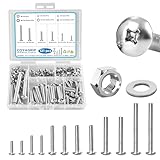
You know that feeling. You’re cruising along, windows down, enjoying the ride, and then it hits you. A tiny, persistent rattle. At first, you might dismiss it. “It’s just the road,” you tell yourself. But then it happens again. And again. And you realize, with a sinking feeling, that a bolt is rattling in my car door. It’s enough to drive a sane person mad, and frankly, it’s a common nuisance that most of us have dealt with at some point.
I’ve spent more hours than I care to admit trying to pinpoint and silence these phantom noises. Some are easy fixes, others are a real pain. This one, the rattling door bolt, is usually in the ‘manageable nuisance’ category, but only if you know where to look and what you’re actually dealing with.
That Annoying Rattle: What’s Actually Loose?
Okay, so you’ve got that god-awful sound coming from your door. It’s not a constant squeak or a groan; it’s a distinct rattle, like a few pebbles are loose inside. The first thing you need to understand is that your car door isn’t just a slab of metal. It’s a complex assembly. Inside, there are a bunch of components: the window regulator, the lock mechanism, the speaker, wiring harnesses, and yes, various bolts and screws holding it all together. When a bolt is rattling in my car door, it means one of these fasteners has worked itself loose. It could be holding something minor, or something fairly significant, but the key is that it’s no longer snug.
Think of it like the trim on an old piece of furniture. If a tiny screw comes out, the whole piece can start to wobble and make noise. Same principle here.
The vibration from the road, the engine, or even just closing the door firmly can be enough to get a slightly loose bolt to jiggle around. Most of the time, these are small machine screws or carriage bolts that are either secured by a nut on the other side or threaded directly into a metal bracket.
Over time, due to vibration and temperature changes, the threads can lose their grip. Sometimes, it’s not even the bolt itself that’s loose, but the component it’s supposed to be holding tight.
The bolt might be tight, but the plastic bracket it goes into has cracked, allowing the whole assembly to shift and the bolt to rattle.
My first encounter with this was on a ten-year-old sedan. I was convinced it was something serious, maybe the window mechanism was about to give up the ghost. I spent an entire Saturday taking the door panel off, meticulously checking every visible screw and bolt. I even pulled out the entire window assembly, thinking that was the culprit. Turns out, it was just one tiny M5 bolt holding the speaker grille in place that had worked itself loose. The plastic grille had a bit of play, and the bolt would just bounce around inside the recess. A bit of threadlocker and it was silent. I felt like a complete idiot, but also relieved it wasn’t a five-hundred-dollar repair.
The best way to start is by trying to isolate the sound. Drive over different surfaces. Hit a speed bump slowly. Open and close the door a few times. Does it rattle more when the window is up or down? When the door is locked or opened? These small clues can help you narrow down the area of concern before you even start pulling things apart.
Diagnosing the Rattle: Tools and Techniques
Alright, so you’ve accepted that there’s a rattle, and you’re ready to tackle it. The first step is getting the door panel off. Now, I know for some people, this sounds daunting. It involves clips, maybe a few hidden screws, and the fear of breaking something expensive. But honestly, it’s usually straightforward if you’re methodical. You’ll need a basic trim removal tool kit. Seriously, don’t try to use screwdrivers or pry bars; you’ll just scratch paint and damage plastic. These kits are cheap, maybe $15-$20 for a decent set, and they’re invaluable. You’ll also need a Phillips head screwdriver, and sometimes a socket set with a few common sizes (8mm, 10mm are frequent offenders).
Once the panel is off, you’re looking at the guts of the door. The goal here is to identify anything that looks loose. Gently push and pull on components. Wiggle the speaker, the door handle assembly, the window regulator mechanism. If you feel something move that shouldn’t, that’s your prime suspect. Pay attention to any bolts or screws that are obviously not seated correctly or have excessive play. Sometimes, you’ll see a shiny spot on a bolt head or a washer, indicating it’s been rubbing against something. That’s a dead giveaway it’s been moving.
A common mistake is assuming the rattling bolt is the only problem. Sometimes, a bolt might be loose because the plastic clip it threads into is broken. Or a bracket that the bolt secures has a crack. You need to inspect the entire assembly. I once spent hours tightening bolts, only to find the noise was coming from a loose metal bracket that was vibrating against the inside of the door skin. The bolt holding the bracket was tight, but the bracket itself was the issue. This is where a good flashlight is your best friend. Shine it into all the nooks and crannies. Look for anything out of place.
Here’s a quick rundown of what you’re typically looking for inside a door panel: (See Also: Can I Buy A Full Auto Bolt Carrier )
| Component | What to Look For | Opinion/Verdict |
|---|---|---|
| Window Regulator | Bolts holding the motor and tracks. Any obvious bending or wear. | Usually solid, but track bolts can loosen. |
| Door Lock Mechanism | Actuator arm connections, bolts holding the mechanism to the door. | Can get sticky or loose, causing operational issues too. |
| Speaker Mounts | Screws holding the speaker. Check if the speaker itself is loose in its housing. | Often overlooked, but a loose speaker can rattle like crazy. |
| Wiring Harnesses | Are they secured? Are any wires rubbing against metal or moving parts? | Less likely to cause a bolt rattle, but loose wires can make their own noises. |
| Door Handle Cables/Rods | Make sure they are properly seated and not snagging. | Can cause operational issues if not right. |
The key is to be patient. Don’t rush. If you’re unsure about a component, take a picture with your phone before you touch it. That way, you have a reference for how it should go back together.
Common Culprits and Why They Fail
So, you’ve got the door panel off and you’re staring into the abyss. What are the most likely culprits for that rattling bolt? Well, it breaks down into a few categories. First, the fasteners holding major components: the window regulator motor, the actual window glass mechanism, and the door latch assembly. These have more substantial bolts, often with nuts or self-locking washers. If one of these works loose, it’s usually a bigger deal. The vibration can be significant, and it might affect the function of the component.
Then there are the smaller, more numerous bolts. Think about the speaker mounting screws, the screws holding the door handle trim, the bolts that secure the external door handle, or even the bolts that hold the mirror assembly. These are often smaller machine screws or even sheet metal screws. They are much more prone to loosening over time due to vibration and thermal expansion/contraction cycles. I’ve seen speaker screws vibrate loose so badly that the speaker cone starts to hit the grille. Not a good sound.
A classic, and I mean classic, offender is the bolt that holds the actual exterior door handle on from the inside. There’s usually a bracket or a rod that connects to the handle, and that assembly is bolted into the door structure. If that bolt loosens, the entire handle can feel wobbly and might rattle. It’s a pain to get to because it’s often buried deep behind the window regulator mechanism.
Here’s my contrarian take: Everyone talks about the big, obvious bolts. But honestly, it’s often the small, seemingly insignificant ones that cause the most persistent rattles. The tiny screws holding a piece of plastic trim, or the M4 bolts securing a small bracket for a wire harness. They don’t seem like they’d cause much noise, but when they’re just loose enough to vibrate against a metal surface, they can create a high-frequency, annoying rattle that’s hard to ignore. Don’t dismiss the little guys.
Another reason fasteners fail is simple corrosion. If you live in an area with salt on the roads, or if your car has seen a lot of moisture, the threads can corrode. This can weaken the grip of the bolt or nut, making it more susceptible to vibration. Sometimes, the nut itself might have rusted away, leaving the bolt hanging on by a thread or two. Inspect for any signs of rust or damage to the bolt threads or the surrounding metal.
Fixing the Rattle: From Simple Tightening to Threadlocker
Once you’ve identified the offending bolt or loose component, the fix can range from ridiculously simple to moderately annoying. The easiest fix, of course, is just tightening the bolt. If you find a loose screw or bolt, grab the appropriate tool and snug it up. Don’t overtighten, especially if it’s going into plastic or a thin metal bracket. You want it secure, not stripped. A good rule of thumb is to tighten until you feel resistance, then give it about a quarter to a half turn more, depending on the bolt size and material.
If simply tightening doesn’t hold, or if you suspect it will loosen again soon (especially common with vibration-prone areas like doors), it’s time for some help. This is where threadlocker comes in. You’ve probably seen it: it’s that liquid that hardens and holds fasteners in place.
It comes in different strengths. For most car door applications, you’ll want a medium-strength blue threadlocker (like Loctite 242 or similar).
Red is permanent and a real pain to get out later, so avoid that unless it’s a truly important, non-serviceable fastener. Clean the bolt threads and the threaded hole with a degreaser or brake cleaner before applying threadlocker.
A few drops on the male threads are usually enough. Then screw it in and let it cure according to the product instructions (usually a few hours to overnight).
For stripped threads or situations where a bolt just won’t grab anymore, you have a few options. Sometimes, you can use a slightly larger bolt or a self-tapping screw if it’s going into a plastic or thin metal boss. If it’s a bolt that goes through two pieces of metal with a nut on the back, and the nut is stripped, you can replace the nut. (See Also: Are Mercruiser 5 7 Engines Four Bolt Mains )
If the threads in the metal boss are stripped, you might need to drill it out and install a helicoil or a threaded insert. This is getting into more advanced territory, but it’s doable with the right tools and patience. For a rattling bolt, you usually want to avoid that level of complexity if possible.
One technique I’ve found surprisingly effective for certain types of rattles, especially where a bolt might be slightly too short, is using a lock washer. A good quality split lock washer can provide constant tension and absorb some vibration. Sometimes, just adding a strategically placed washer can make all the difference. It’s cheap, it’s easy, and it’s reversible. I used this on a loose bolt holding a small plastic trim piece inside my trunk that was constantly rattling. Just adding a thin, serrated lock washer stopped it dead.
Here’s a process for fixing common rattling bolts:
- Identify and Access: Locate the loose bolt or component. This usually involves removing the door panel.
- Assess the Fastener: Is the bolt itself stripped, or is the threaded hole stripped? Is the component it secures cracked?
- Tighten First: If it’s just loose, try tightening it first.
- Apply Threadlocker: If it feels like it will loosen again, use a medium-strength blue threadlocker on the threads.
- Replace or Repair: If the threads are stripped, consider a slightly larger fastener, a self-tapping screw, or a threaded insert. Replace any cracked plastic parts.
- Add Washer/Nut: If applicable, a lock washer or a new nut might be necessary.
- Test: Reassemble the door panel partially or fully and test.
Remember to clean the area thoroughly before applying any adhesives or threadlockers.
When to Call a Professional (or Just Live with It)
Look, I’m all for DIY. I’ve fixed more cars than I can count with nothing but a few tools and a lot of YouTube videos. But there comes a point where you have to ask yourself: is this worth my time, my sanity, and potentially my knuckles?
If the rattling bolt is part of a major safety system – like the door latch mechanism that keeps your door from flying open, or the mirror assembly that’s important for visibility – and you’re not 100% confident in your fix, it’s probably time to hand it over to a pro. A dealership or a trusted independent mechanic will have the specialized knowledge and tools to make sure it’s done right. I had a rattling bolt on the door handle of my old truck that, if it came loose enough, could have meant the door wouldn’t open from the outside. I spent hours trying to fix it, realized the internal bracket was slightly bent, and decided to pay a mechanic about $150 to fix it properly. It was worth the peace of mind.
Another time, I had a really persistent rattle from the rear door of an SUV. I’d pulled the panel, checked everything, and it just kept coming back. Turns out, it was a tiny metal clip inside the door frame that had come loose and was vibrating against the window channel. It was so small and so buried, I never would have found it without taking the whole door apart, which I wasn’t willing to do. I ended up just turning the radio up a notch and living with it. For some rattles, especially if they’re minor and only happen at specific speeds or road conditions, the cost and effort of fixing them might outweigh the annoyance. It’s a personal call.
Consider the age and value of your car. If you’re driving a classic beauty, you’ll likely want to fix every little squeak and rattle. If you’ve got a ten-year-old commuter car that’s already got a few dings, maybe a minor rattle is just part of its charm. I’ve definitely reached that point a few times. When the cost of parts and your time starts approaching the car’s actual market value, you have to re-evaluate.
The specific types of fasteners also matter. Some are proprietary or require special tools. If you’re faced with something like that, and you can’t find the right replacement part or tool easily, that’s a signal to consult someone who does. Don’t force it. You’ll only make the problem worse, and more expensive to fix.
Ultimately, if you’ve tried the common fixes, you’ve done your due diligence, and the noise persists, or if the fastener is part of a important component, it’s time to get a professional opinion. It’s better than a costly mistake or a safety hazard.
Frequently Asked Questions About Car Door Rattles
How Do I Find the Source of a Rattle in My Car Door?
Start by trying to replicate the rattle in a controlled environment, like your driveway. Gently push and pull on various parts of the door panel – speakers, window edges, trim pieces. Drive over different surfaces (smooth pavement, rough patches, speed bumps) and listen for when the rattle occurs. Sometimes, the sound is more apparent when the window is up or down, or when the door is locked or opened. Use a flashlight to visually inspect for anything obviously loose or out of place once the door panel is removed.
What Are the Most Common Things That Rattle in a Car Door?
The most common culprits are loose bolts or screws holding internal components like the window regulator, door lock actuator, or speakers. Sometimes, the plastic clips that attach the door panel itself can break or become dislodged. Other possibilities include loose wiring harnesses, internal door handle linkages, or even small pieces of debris that have found their way inside the door cavity. (See Also: Can Am Merverick X3 Max Xrs Wheel Bolt Pattern )
Can a Rattling Door Bolt Be a Safety Issue?
Yes, it can be a safety issue depending on which bolt is rattling. If the rattling bolt is part of the door latch mechanism, the door handle assembly, or the window regulator that could cause the window to suddenly drop, it can pose a safety risk. A loose door handle might not open properly, or a faulty latch could lead to the door unlatching. Always err on the side of caution if the rattling is associated with a important function of the door.
Do I Need Special Tools to Fix a Rattling Door Bolt?
For most common rattling bolt issues, you’ll need a basic set of trim removal tools (to safely pry off the door panel without damage), Phillips head screwdrivers, and possibly a small socket set. If you discover stripped threads, you might need tools for installing threaded inserts (like a helicoil kit). For simple tightening, your standard tools should suffice. If the problem is complex or involves specialized fasteners, then yes, special tools might be required.
Real-World Fixes: My Door Panel Adventures
I’ve had my fair share of door panel removal and subsequent rattle hunting. One of the most memorable was on a mid-2000s hatchback. The passenger door had developed a persistent rattle that sounded like a small metal object was loose. I pulled the panel off, and it was a jungle in there. Wires everywhere, a huge window mechanism, and the speaker seemed to be the most accessible component.
I wiggled everything I could. The speaker itself was bolted in securely, but the plastic grille over it had a bit of give. Turns out, there were four tiny M4 screws holding the grille onto the speaker basket. Two of them were completely missing, and the other two were so loose the grille could vibrate against the speaker cone. The fix? I found some M4 screws of the right length at the local hardware store, threw a tiny dab of blue threadlocker on them, and tightened them down. Boom. Silent. It cost me about $2 for the screws and took maybe 15 minutes. It’s funny how the simplest things can be the most annoying.
Another one, this time on a pickup truck, was a rattle that seemed to come from the upper part of the driver’s door, near the window. After much investigation, I found a single bolt holding a small metal bracket for a wiring harness had worked its way loose. The bracket was vibrating against the inside of the door skin with every bump. This one was a bit harder to reach because it was tucked up high. I ended up using a magnetic extension on my socket wrench to get to it. A bit of blue threadlocker, and that rattle vanished. The key was being able to feel the vibration of that specific bracket when I gently tapped it.
My wife’s old sedan had a rattle that sounded like it was coming from the door handle itself. I pulled the panel, and everything looked tight. I couldn’t find anything visibly loose.
After hours of frustration, I realized the issue wasn’t a bolt, but the internal plastic rod that connected the exterior handle to the latch mechanism. The clip that held the rod in place had cracked.
The rod was still functional, but it had enough play to rattle. I ended up fabricating a tiny shim out of a plastic bottle cap, wedging it into the cracked clip to tighten things up. It was a hack, but it worked for years. Sometimes, you just have to get creative with what you have on hand.
These experiences taught me to be incredibly thorough. Don’t just look for the obvious loose bolt. Wiggle everything. Tap on things. Listen carefully to where the sound is loudest. The smallest components can be the biggest culprits. And always, always keep a small container for all the clips and screws you remove, so you don’t lose them.
Verdict
So, that annoying rattle in your car door? It’s usually just a loose bolt or screw, and often, it’s a pretty simple fix. You’ve got the knowledge now to go in there, find the offending fastener, and silence that noise. Don’t let it drive you crazy for another day. Grab your tools, maybe a good podcast, and get to it.
Most of the time, you’re looking at a fix that costs next to nothing and takes less than an hour, especially if you’re already comfortable removing door panels. It’s a win-win: save money and restore your sanity.
If you’ve gone through the steps and the rattle persists, or if it’s clearly related to a important safety component, don’t hesitate to seek professional help. But for the vast majority of rattling door bolt issues, you can absolutely conquer it yourself.