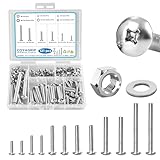
You’re settled in your seat, maybe watching the scenery blur past, or perhaps trying to catch a few Z’s. Then, clatter. Something small, metallic, and utterly unexpected just fell from above, landing with a ping somewhere near your head. A bolt drops from the ceiling of a train car, and your serene journey just got interesting, and frankly, a bit unnerving.
It’s not the kind of thing you expect when you buy a train ticket. You’re trusting that metal behemoth to get you from A to B safely, and loose hardware isn’t exactly part of the advertised service.
So, what’s the deal when this happens? Is it a sign of impending disaster, or just a minor annoyance?
That Little Piece of Falling Metal: What’s Really Going on?
Let’s get this straight: when a bolt drops from the ceiling of a train car, it’s rarely a sign that the entire train is about to fall apart. These are massive, complex machines, and they have layers upon layers of safety checks and redundancies. However, it’s also not something to just shrug off and pretend didn’t happen.
Think about it. Trains are constantly vibrating. They’re exposed to extreme weather, temperature fluctuations, and the sheer stress of moving at speed. Bolts, screws, and other fasteners are everywhere, holding together panels, electrical conduits, lighting fixtures, and structural components. Over time, vibrations can loosen even the tightest connections. A tiny bit of corrosion, a slightly less-than-perfect installation job years ago, or just the cumulative effect of millions of miles can all contribute.
Most of the time, the things that can come loose are non-important. It might be a cover plate for a ventilation shaft, a bracket for a luggage rack that’s slightly ajar, or a piece of trim. These are usually minor cosmetic or access-related items. The really vital structural bolts are typically secured with much more solid methods, like lock washers, thread-locking compounds, or even specialized locking mechanisms. You won’t find those coming loose and dropping onto your head during a normal journey.
I remember one time, I was on a long-haul sleeper train, trying to sleep in my bunk. It was dead quiet, except for the rhythmic clickety-clack of the wheels. Suddenly, I heard a distinct ‘thwack’ followed by a metallic skitter across the floor.
I sat bolt upright, my heart doing a drum solo. It turned out to be a small plastic clip that held a piece of the interior paneling in place. It wasn’t a bolt, but it felt like a significant event in the stillness of the night.
The conductor, when I mentioned it later, just gave a tired smile and said it was probably just the train settling. Made sense, but it still made me a bit jumpy for the rest of the trip.
The key takeaway here is that while it’s unsettling, a single, small dropped object from the ceiling is usually a minor issue. It’s a symptom of wear and tear, or perhaps a slight oversight in maintenance, rather than an indicator of imminent catastrophic failure. The train’s primary structural integrity is designed with much more solid fastening systems.
The ‘why Me?’ Factor: Randomness and Routine Maintenance
So, why does a bolt drop from the ceiling of a train car, specifically when you’re right there? Pure, unadulterated chance, mostly. Think of all the thousands of bolts and fasteners on a train. Now think about how many miles each train travels. The odds are that at some point, a fastener will loosen somewhere. You just happen to be in the wrong place at the wrong time, or maybe the right place at the right time to notice it.
It’s a bit like lightning striking. We hear about it, but the vast majority of us never experience it. The same goes for loose train parts. Millions of people ride trains every year without incident. The ones that make the news are the rare, more dramatic failures, not the occasional dropped screw. Your chances of being hit by a train because a bolt fell are astronomically low. The chances of a bolt falling near you are higher, but still relatively uncommon.
Regular maintenance is supposed to prevent these things. Trains undergo rigorous inspection schedules. Every few months, depending on the type of service and mileage, they get pulled into a depot for checks. Mechanics inspect the bogies, the brakes, the electrical systems, the bodywork, and yes, they check fasteners. They look for signs of wear, corrosion, and loose fittings. They tighten what needs tightening, replace what’s worn out, and grease what needs greasing. It’s a continuous battle against entropy. (See Also: Can I Buy A Full Auto Bolt Carrier )
However, maintenance isn’t perfect. Sometimes, a bolt can loosen between inspections. It might be a less accessible bolt that’s missed, or one that loosens faster than expected. It could also be that the maintenance crew is under pressure, or that a particular part is known to be problematic but hasn’t been prioritized for replacement yet. It’s a complex system, and like any complex system maintained by humans, there’s always a small chance of error or oversight.
I once bought a used motorcycle that looked pristine. On my first ride, a tiny screw vibrated out of the dashboard and into the engine casing. It wasn’t a important part, but it freaked me out. Turns out, the previous owner had done a rushed job of replacing a headlight bulb, and hadn’t tightened everything back properly. It was a simple fix, but it taught me that even seemingly minor things can go wrong due to human error during maintenance or repairs.
The fact that a bolt drops from the ceiling of a train car is usually an anomaly. It’s a reminder that even sophisticated engineering is subject to the wear and tear of daily use and the fallibility of human maintenance. The system is designed to withstand much greater stresses, and the likelihood of this being a harbinger of major failure is exceedingly slim.
What to Do When It Happens: Stay Calm, Report It
Alright, so you’ve experienced the unexpected. A bolt drops from the ceiling of a train car, landing with a clink near your foot. What’s the first thing you should do? Panic? Start shouting about safety regulations? No, let’s keep it cool.
Step 1: Assess the immediate situation. Was it a large, heavy bolt, or something small and light? Did it hit you or anyone else? If it caused injury, that’s a more serious matter, and you should alert the train staff immediately and seek first aid. If it was just a minor object, take a deep breath.
Step 2: Locate the bolt. Try to see where it came from if you can. Sometimes, you can spot a missing fastener on a ceiling panel or light fixture. Knowing its origin can help the train crew identify the problem faster.
Step 3: Find a train attendant. This is the most important step. Don’t just pick up the bolt and put it in your pocket and forget about it. Discreetly flag down a conductor or any uniformed staff member. Politely explain what happened: “Excuse me, a small metal object, possibly a bolt, just fell from the ceiling near my seat.”
Step 4: Be specific, but not alarmist. Describe what you saw and heard. The staff are trained to handle these situations. They will likely want to inspect the area, log the incident, and potentially secure the fallen object. They might also send a maintenance crew to check it out at the next stop or when the train is taken out of service.
Step 5: Don’t ignore it. Even if it seems insignificant, reporting it is important. Every report contributes to the overall maintenance and safety record of the train. It helps identify potential issues before they become bigger problems. Think of it as being a good citizen on your journey.
I learned this the hard way. Years ago, on a bus, a piece of trim came loose and dangled precariously. I just ignored it, thinking it wasn’t my problem. A week later, I read in the local paper about a minor accident on that same bus route, where a similar piece of trim had fallen and caused a passenger to swerve, leading to a small collision. It was a wake-up call. Ever since then, I make a point to report even minor anomalies I notice during travel.
This is why the advice is simple: stay calm, report the incident to the train staff. It’s their job to make sure your safety, and your report helps them do that effectively. They’re not going to fault you for pointing out a potential issue.
Comparing Common Train Interior Materials and Their Potential Failure Points
When we think about things falling from the ceiling, it’s often the panels, the lights, or the luggage racks that are the culprits. The materials used in train interiors are chosen for durability, weight, and fire resistance. But even the toughest materials can have fasteners that loosen. (See Also: Are Mercruiser 5 7 Engines Four Bolt Mains )
Here’s a quick look at some common materials and what you might expect:
| Material Type | Common Location | Potential Failure Point | My Verdict |
|---|---|---|---|
| ABS Plastic | Interior panels, light covers, seat components | Cracking, UV degradation, fasteners loosening from vibration. Easy to chip or scratch. |
Ubiquitous and cheap, but can feel a bit flimsy. Fasteners here are often small screws that are prime candidates for working loose. |
| Aluminum Alloy | Luggage racks, structural framing, sometimes ceiling panels | Corrosion (though less common with modern alloys), fatigue from repeated stress, fasteners can corrode or loosen if not properly secured. |
Generally very strong and lightweight. If a bolt comes from an aluminum structure, it’s more likely to be from a connection point that’s seen a lot of load. |
| Fiberglass Reinforced Polymer (FRP) | Some ceiling panels, wall sections, structural components | Delamination, impact damage, fasteners can pull through if the material is stressed. Can be brittle if not properly manufactured. |
Tough stuff, but if a bolt is attached to FRP and it fails, it might mean the material itself has deteriorated or taken a significant hit. |
| Steel (Painted/Coated) | Support structures, some paneling, older train models | Corrosion if coating is compromised, fasteners can rust and seize or loosen. Heaviest option. |
The workhorse. If it’s steel, it’s usually for a reason. A bolt from a steel part is less likely to be a structural failure and more likely to be a secondary attachment. |
The point is, the material itself usually isn’t the primary cause of a bolt dropping. It’s the fastener and how it’s secured to that material. Even the most solid steel structure relies on bolts, and those bolts can loosen. Similarly, a lightweight ABS panel might seem fragile, but the screws holding it up might be perfectly fine for years.
When you hear about a bolt dropping from the ceiling of a train car, it’s usually a fastener related to a panel or a fixture. These are often attached with standard bolts, nuts, and washers. The question is whether they were properly torqued and if any locking mechanisms (like lock washers or thread locker) were used. The trend in modern train manufacturing is towards lighter materials, which can sometimes mean smaller or fewer fasteners, but also with a greater reliance on precise engineering and secure fastening techniques.
I once had a small piece of decorative plastic trim fall off a rental car’s dashboard. It was held on by tiny clips and a couple of very small screws. The car was only a few years old. It made me realize that even in cars, which don’t face the constant, heavy-duty stresses of a train, fasteners can fail. It was a stark reminder that no mechanical system is entirely immune to wear and tear, no matter the material.
Common Mistakes People Make (and Why You Shouldn’t)
When something unexpected happens, like a bolt dropping from the ceiling of a train car, people react in all sorts of ways. Some overreact, some underreact, and some just don’t know what to do. Here are some common mistakes I’ve seen or heard about, and why you should steer clear of them:
Mistake 1: Ignoring it. This is probably the most common one. You hear the clink, see the object, and think, “Eh, it’s probably nothing.” You might not want to cause a fuss, or you might just be lazy. But as we’ve discussed, even small issues can be indicators of larger problems down the line. Ignoring it means that a potentially loose fastener remains loose, and could cause further issues, or fail completely later.
Mistake 2: Overreacting and causing a scene. On the flip side, some people might jump up and down, shouting about imminent danger and demanding an immediate stop to the train. While it’s good to be safety-conscious, creating panic on board doesn’t help anyone. The train staff are trained to handle these situations calmly and efficiently. A calm, polite report is far more effective. (See Also: Can Am Merverick X3 Max Xrs Wheel Bolt Pattern )
Mistake 3: Trying to fix it yourself. I’ve heard stories of passengers who, thinking they’re being helpful, try to screw a loose panel back in or even wedge a bolt back into its hole. This is a bad idea. You don’t know the proper torque, the type of fastener, or the structural implications. You could make the problem worse, or even injure yourself trying to reach something awkward.
Mistake 4: Speculating wildly online. Once the incident is over, people love to jump onto forums or social media and start posting dramatic accounts. “A bolt fell from the ceiling of my train! It was terrifying! The whole carriage was shaking!” This kind of sensationalism can spread unnecessary fear and misinformation. Stick to the facts when you report it, and when you talk about it later.
Mistake 5: Assuming it’s a sign of a major structural failure. This is a big one. While a dropped bolt is a sign that something isn’t right, it’s incredibly rare for it to be related to the train’s primary structural integrity. The big, load-bearing bolts are usually massive and secured with multiple safety measures. The parts that tend to come loose are more often related to interior fittings, access panels, or non-important components.
I once saw a passenger on a ferry become convinced the vessel was sinking because a small drain cover popped off in the restroom. He was yelling for everyone to get to the lifeboats. Turns out, the drain cover was just loose and it was a minor issue. The ferry captain had to make an announcement to calm everyone down. It was a classic case of jumping to conclusions based on limited information.
The best approach is always to be informed, stay calm, and communicate clearly with the relevant authorities – in this case, the train crew. They have the knowledge and the tools to assess and address the situation appropriately.
The Lsi Keywords: Let’s Talk Train Mechanics
When we talk about why a bolt drops from the ceiling of a train car, we’re really talking about a few core aspects of mechanical engineering and maintenance. One of the key concepts is vibration analysis. Trains are constantly subjected to significant vibrations from the tracks, the wheels, and the engines. This constant shaking can, over time, cause fasteners to loosen. Engineers use vibration analysis to understand these forces and design components and fastening methods that can withstand them. They might use specific types of lock washers, self-locking nuts, or even specialized adhesives to keep bolts in place under these conditions.
Another related area is material fatigue. Repeated stress cycles, even if they are below the ultimate breaking point of a material, can lead to microscopic cracks that grow over time. If a bolt or the material it’s attached to experiences fatigue, it could eventually fail, leading to a dropped part. This is why regular inspections are so important – they look for signs of fatigue that might not be visible to the untrained eye.
Then there’s the whole field of predictive maintenance. Instead of just waiting for something to break, modern maintenance practices aim to predict when a component is likely to fail based on its usage, operating conditions, and sensor data. For a train, this could involve monitoring the torque on important bolts, or using sensors to detect unusual stress patterns. If a particular bolt shows signs of potentially loosening, maintenance can be scheduled before it actually falls.
Finally, fastener technology itself is constantly evolving. There are hundreds of different types of bolts, screws, nuts, and locking mechanisms, each designed for specific applications. The choice of fastener is important. For instance, in a high-vibration environment like a train, a standard nut might not be sufficient. You might need a nylon-insert lock nut, a prevailing-torque nut, or a bolt with a specific type of thread locker applied. The effectiveness of these technologies is what keeps most bolts securely in place, making the rare instance of a dropped bolt a notable event.
So, when a bolt drops from the ceiling of a train car, it’s usually a failure of one or more of these systems. It could be that the vibration levels were higher than expected, the material experienced unexpected fatigue, the predictive maintenance system missed a warning sign, or perhaps the wrong fastener was used or it wasn’t installed correctly in the first place.
Conclusion
Look, nobody wants unexpected metal projectiles raining down on them. But if a bolt drops from the ceiling of a train car, remember it’s usually a minor hiccup, not a sign of imminent doom. The vast majority of these fasteners are for interior trim, lighting, or access panels, not the important structural components holding the train together.
Your best bet? Stay calm, and report it to the train crew. They’re the ones who can properly assess the situation and make sure it gets addressed. It’s their job, and your report helps them do it better.
So next time you’re on a train and hear a clatter from above, take a breath. It’s probably just a loose piece of plastic, but reporting it is the responsible thing to do. And hey, at least you’ll have a good story to tell, right?