I once stripped a valve cover bolt head so badly that it looked like a melted crayon. That little disaster cost me a weekend of wrenching and a trip to the machine shop. It all came down to one question: can you tighten valve cover bolts without torque wrench? The short answer is… yes, you can. But whether you should is a whole different ballgame, and one many DIYers, myself included, have learned the hard way.
We’ve all been there, staring at a bolt, feeling that little bit of resistance, and wondering, “Is that tight enough?” Or worse, pushing past that point until something gives way. Relying on feel alone for important engine components is a gamble, and valve cover bolts are definitely in that category.
This isn’t about making you buy more tools. It’s about understanding what happens when you skip the precise measurement and what that means for your engine.
Feeling the Torque: Is It Really That Bad?
Look, I get it. Torque wrenches can be expensive, and sometimes you just need to get a job done. I’ve done plenty of repairs where I’ve eyeballed it, or used my trusty ratchet and just… tightened. For some things, like that old garden shed door hinge, it’s fine. But the valve cover? That’s a different beast. The valve cover’s job is to seal the top of your engine, keeping oil in and dirt out. It’s usually made of aluminum or stamped steel, and it bolts onto an aluminum cylinder head. These materials have different expansion rates and strengths, which is why the torque specs are so precise.
The issue with just tightening by feel is consistency. Every bolt needs a specific amount of clamping force. Too little, and you’ll have oil leaks. The gasket won’t be compressed evenly, and oil will seep out, usually in those annoying little drips that turn into big puddles. Too much, and you can warp the valve cover itself, leading to even worse leaks. Worse still, you can strip the threads in the cylinder head – a repair that’s a massive pain and can get costly fast. I’ve seen guys snap off bolts trying to get that “extra snug” feel. Aluminum threads are soft, man.
The common advice is to tighten them in a specific sequence, usually a crisscross pattern, and in stages. This helps to seat the gasket evenly. But without knowing the actual force you’re applying, you’re guessing. You might get lucky on one bolt, but the next one could be way over or under. My first valve cover job, years ago, I didn’t have a torque wrench. I just went around, snugged them up, then gave them another little turn. It leaked like a sieve. Took me two more tries and a new gasket to figure out I was way off.
When Guessing Goes Wrong: Common Valve Cover Blunders
The biggest mistake people make is relying on the “good old days” mentality. “I’ve been doing this for 30 years without a torque wrench!” Yeah, well, maybe you’ve also been lucky. Cars and engines have gotten more sophisticated. Tolerances are tighter. You might have gotten away with it on an old carbureted V8, but try that on a modern DOHC four-cylinder and you’re asking for trouble. The engineers put those torque specs in for a reason. They’re not just making stuff up to sell more tools.
Another common error is overtightening. People think, “Tight is good.” No, tight can be too tight. Stripped threads are the most common catastrophic failure from overtightening valve cover bolts. It means you’ve gone past the yield strength of the aluminum threads in the cylinder head. Once that happens, the bolt might still feel like it’s tightening, but it’s just spinning in a widened hole. You’ll usually know because the bolt will feel unusually loose after a bit of turning, or you’ll hear a grinding sound.
Under-tightening is also a huge problem. This is the classic oil leak scenario. If the bolts aren’t pulling the valve cover down with enough force, the gasket can’t seal properly. You’ll see oil weeping from the edges, often getting blown around by the engine’s movement and making it look worse than it is. A small leak can quickly become a bigger one, and you’ll be constantly topping up oil. (See Also: Do You Need Torque Caliper Bolts )
Here’s a table of common issues and their causes:
| Problem | Likely Cause | My Verdict |
|---|---|---|
| Oil Leaks (around edges) | Under-tightened bolts, uneven tightening, old/damaged gasket. | Needs re-tightening (correctly!) or a new gasket. |
| Stripped Threads | Overtightened bolts, forcing a bolt that’s cross-threaded. | Expensive repair (thread insert or helicoil needed). Avoid at all costs. |
| Warped Valve Cover | Uneven or excessive overtightening, especially on aluminum covers. | New valve cover likely needed. |
| Broken Bolt | Excessive overtightening, or trying to force a seized bolt. | Difficult extraction, potential for head damage. |
Don’t be the guy who ends up needing a helicoil because you didn’t want to spend $30 on a decent torque wrench. It’s just not worth the headache.
The Case for Torque Wrenches: Why They’re Worth It
So, why is a torque wrench so important for valve cover bolts? It’s all about applying a precise, measured amount of rotational force. This force, measured in foot-pounds (ft-lbs) or Newton-meters (Nm), directly translates to the clamping force that seals the gasket. The manufacturer has calculated the optimal clamping force needed to prevent leaks without damaging any components.
When you use a torque wrench, you’re basically guaranteeing that each bolt is tightened to the same specification. This makes sure even pressure across the entire gasket surface. For valve covers, this is important because they often have a rubber or cork gasket that needs to be compressed just right. Too much, and it squishes out. Too little, and it doesn’t seal. A torque wrench takes the guesswork out of it. You set the spec, tighten until it clicks or breaks, and you’re done. It’s a simple tool, but it’s incredibly effective at preventing common, annoying problems like oil leaks.
I remember the first time I used a proper click-type torque wrench. It was on an old Honda Civic. I’d always struggled with getting the valve cover to seal perfectly. Following the service manual, I set the torque wrench, went around in the specified pattern, and it clicked at every bolt. No leaks. Zero. It was almost anticlimactic, but incredibly satisfying. That experience cemented my belief that for engine work, especially on components like valve covers, oil pans, and intake manifolds, a torque wrench is a must. It saves you time, money, and frustration in the long run. It’s like having a little mechanical conscience telling you when to stop.
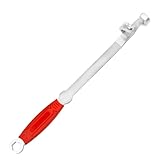
There are different types of torque wrenches, too. The click-type is the most common and user-friendly for DIYers. Beam-type are cheaper but harder to read accurately. Digital ones are super precise but can be pricey. For most car work, a decent 1/4-inch or 3/8-inch drive click-type wrench will serve you well for years.
DIY Tactics: What to Do If You really Can’t Use a Torque Wrench
Okay, so you’re in a bind. Maybe your torque wrench just broke, or you’re stranded in the middle of nowhere and must do this repair. What can you do? This is where you need to be incredibly careful and rely on experience, but it’s still a gamble. The most common method people resort to is the “snug and a quarter turn” or “snug and an eighth turn” method. This is highly dependent on the bolt size, thread pitch, and the gasket material.
First, clean everything. Get the valve cover, the cylinder head mating surfaces, and the bolts spotless. A clean surface is most important for a good seal. Next, loosely install all the bolts. Then, go around and snug each bolt down finger-tight. After that, you’ll go around again, in the correct sequence (usually a crisscross pattern), and tighten each bolt a specific amount. For example, you might do a quarter turn on each bolt the first time around, then another eighth turn the second time. This is where the “feel” comes in. You’re trying to gauge resistance. You want it firm, but not so tight that you feel the metal starting to flex or the bolt head begin to deform. (See Also: Do I Need Special Replacement Bolts For Car Engines )
Another common DIY technique is using a small adjustable wrench or a ratcheting wrench and getting a feel for the resistance. You tighten until you feel firm resistance, then give it maybe another 15-30 degrees of turn. This is still incredibly subjective. What feels like 30 degrees to me might be 60 degrees to you. The key is to go slowly and incrementally. It’s better to have a slight leak that you can address later by carefully tightening a bit more than to strip a thread immediately.
Here’s a process you can try if you’re in a pinch:
- Clean all mating surfaces and bolt threads thoroughly.
- Install the new gasket onto the valve cover (if it’s not already seated).
- Install all bolts finger-tight.
- Using your ratchet or wrench, go around in the manufacturer’s specified sequence (usually a crisscross pattern). Tighten each bolt until you feel firm resistance.
- Go around again in the same sequence. This time, turn each bolt an additional 1/8 to 1/4 turn. Listen and feel carefully. Stop if you feel the bolt head start to deform or if the resistance suddenly increases dramatically.
- If you have a small, lightweight hammer (like a rubber mallet), you can gently tap around the valve cover to help seat the gasket before tightening.
- After running the engine and letting it cool, re-check all bolts. If you see any weeping, carefully try tightening that specific bolt a tiny bit more – no more than 1/16th of a turn at a time.
This is still a risky method, and honestly, I wouldn’t recommend it for anything other than an absolute emergency. The risk of damage is significantly higher.
Real-World Use and When It Matters Most
So, when does this question of “can you tighten valve cover bolts without torque wrench†really come into play? It’s often when you’re doing a quick fix, maybe you bought an old car that’s leaking a bit and you’re just trying to get it roadworthy without spending a fortune. Or perhaps you’re a student on a tight budget, or someone who doesn’t have a lot of tools yet. In these situations, people look for shortcuts.
But here’s the harsh reality: the components you’re working with under the valve cover are pretty important. You’ve got camshafts, lifters, rocker arms – the top end of your engine. Damage here can be catastrophic and expensive. The valve cover itself is usually made of aluminum, and the cylinder head is almost always aluminum. Aluminum threads are notoriously soft and easy to strip. Once you strip those threads in the head, you’re looking at a repair that typically involves drilling and tapping for a thread insert like a Helicoil or Time-Sert. That’s not a beginner job, and it costs a good chunk of change, easily more than a decent torque wrench.
I remember a buddy of mine who bought a classic Mustang. It had a nasty oil leak from the valve covers. He decided to just “tighten them up.” A week later, he was calling me in a panic because one of the bolts wouldn’t tighten anymore. He’d stripped the threads. He ended up paying a mechanic nearly $400 to fix it. He swore he’d buy a torque wrench after that. He did buy one, but he also learned a valuable, albeit expensive, lesson.
The other factor is gasket material. Modern engines often use multi-piece rubber gaskets or gaskets with metal inserts. These are designed to be compressed to a very specific height and pressure. Over-compressing them can cause them to split or deform, leading to leaks. Under-compressing them means they won’t seal. This is where the precision of a torque wrench really shines. It’s not just about avoiding stripped threads; it’s about making sure the seal itself functions as intended. For anyone working on newer vehicles, especially those with high-performance engines or sensitive emissions systems, using a torque wrench is a really good idea. It’s a small investment for peace of mind and engine longevity.
When Is a Torque Wrench Absolutely Necessary?
For valve cover bolts, especially on modern vehicles, a torque wrench is highly recommended. While you can tighten them without one, the risk of oil leaks, stripped threads, or warped components is significantly higher. The precise torque values are there to make sure proper gasket compression and prevent damage to the aluminum threads in the cylinder head. (See Also: Can You Use A Torque Wrench To Break Bolts Loose )
Can You Overtighten Valve Cover Bolts?
Absolutely. Overtightening is one of the most common mistakes. It can lead to stripped threads in the cylinder head, a warped valve cover, or a damaged gasket. The aluminum threads are particularly vulnerable, and once stripped, they require a costly repair.
What Happens If Valve Cover Bolts Are Too Loose?
If valve cover bolts are too loose, the gasket won’t be compressed enough to create a proper seal. This will result in oil leaks. The oil can then drip onto hot engine components, creating smoke and a fire hazard, or simply pooling on the ground.
Can I Use a Regular Wrench to Tighten Valve Cover Bolts?
You can use a regular wrench to tighten them, but it’s not recommended. A torque wrench allows you to apply a specific, measured amount of force, which is important for sealing the valve cover correctly and avoiding damage. Using a regular wrench relies on feel, which is highly subjective and prone to error.
The Final Verdict: To Torque or Not to Torque?
My honest opinion? If you’re doing anything more than a quick, temporary fix on a vehicle you don’t care too much about, you should use a torque wrench. The money you spend on a decent 3/8-inch drive torque wrench, probably in the $30-$60 range for a reliable one, is peanuts compared to the potential cost of fixing stripped threads or replacing a warped valve cover. I’ve learned this lesson multiple times over the years with different projects, from leaky oil pans to fiddly exhaust manifolds. The peace of mind alone is worth it.
Think about it: the valve cover is a pretty important seal. You don’t want oil sloshing out onto your exhaust or making a mess of your engine bay. The torque specs are there for a reason. They’re not suggestions; they’re engineering requirements. Skipping this step is like building a house and deciding you don’t need to measure the foundation. It might stand for a while, but eventually, something’s going to go wrong.
If you absolutely, positively cannot get your hands on a torque wrench and have to proceed, do it with extreme caution. Cleanliness is key. Tighten in stages, in the correct pattern. Go slow. Feel the resistance. But understand that you are operating without a safety net. You are betting against the engineers who designed the engine. And in my experience, the engineers usually win.
Final Verdict
So, can you tighten valve cover bolts without a torque wrench? Yes, technically you can. I’ve done it, and I know plenty of people who have too. But should you? For the sake of your engine and your wallet, the answer is a resounding no, if you can possibly avoid it. The risk of oil leaks, stripped threads, or warped parts is just too high to rely on guesswork.
If you’re serious about wrenching on your own vehicles, investing in a good torque wrench is one of the smartest moves you can make. It’s not just a tool; it’s a preventative measure that saves you headaches and money down the road. Even a basic click-type wrench will do the job for valve cover bolts.
Next time you’re doing a valve cover gasket job, take the extra step. Get the torque wrench, set it to spec, and tighten those bolts correctly. Your engine will thank you, and you’ll sleep better knowing you didn’t gamble with important components.