Remember that time I thought I was being super efficient, just eyeballing the tightness on my new wheels? Yeah, didn’t end well. That’s when I learned, the hard way, that not all fasteners are created equal. Some, like the ones holding your wheels on, absolutely demand precision. So, do lug nuts and bolts need to be torqued? The short answer is a resounding yes, especially when safety is on the line. It’s not just about ‘snug’; it’s about the exact right amount of squeeze.
Why Guessing ‘tight Enough’ Is a Recipe for Disaster
Look, I get it. When you’re in the garage, maybe you’ve got a new set of shiny aftermarket wheels or you’re just doing a routine tire rotation. You grab your trusty lug wrench, get a feel for it, and crank ’em down until they feel ‘right’. I’ve definitely done that.
For years, I figured if it took some serious muscle to turn, it was good to go. I mean, how much difference can a few extra foot-pounds of torque make, right? Wrong. So, so wrong.
The first time a lug nut backed off just enough to cause a wobble at highway speed, I nearly soiled myself. It was terrifying. The wheel wasn’t about to fly off, but the vibration was intense, and the thought of what could have happened was chilling.
That experience turned me into a torque-worshipper, at least for important components. It taught me that there’s a science to this, and guessing is a gamble you don’t want to take with your car’s safety. The common advice that you can just ‘feel’ it is often misleading for anything important.
The Nitty-Gritty: What Torque Actually Means
So, what the heck is torque, anyway? In simple terms, torque is a twisting force. When we talk about torquing lug nuts or bolts, we’re talking about applying a specific amount of rotational force to tighten them.
This force is measured in foot-pounds (lb-ft) or Newton-meters (Nm). Why is this precise measurement so important? Because fasteners aren’t just about holding things together; they’re designed to work within a specific tension range. When you tighten a bolt, you’re actually stretching it ever so slightly, creating a spring-like tension that holds the parts together.
Too little torque, and that tension isn’t enough. Vibration, road shock, and thermal expansion can easily loosen the fastener over time.
On the other hand, over-torquing is just as bad, if not worse. You can stretch the bolt beyond its elastic limit, permanently deforming it, or even snap it. You can also damage the threads in the hub or the wheel itself. For wheels, specifically, an uneven torque can cause the wheel to sit crooked, leading to vibrations and uneven tire wear.
It can also warp your brake rotors, which is a whole other expensive headache. (See Also: Are Battery Terminal Bolts Made Of Anything Special )
My ‘almost Lost a Wheel’ Moment and What I Learned
I’ll never forget it. I’d just put on some nice alloy wheels myself, feeling pretty pleased with my DIY skills. I’d tightened all the lug nuts with my breaker bar, figuring I’d gotten them good and snug. About fifty miles down the road, I started hearing this rhythmic clunking.
Then came the shimmy. My heart sank. I pulled over, and sure enough, one of the lug nuts was noticeably loose. I could spin it with my fingers.
The wheel was clearly not centered properly anymore. My stomach was in knots. I didn’t have a torque wrench with me, obviously.
I ended up having to call a tow truck because I was too freaked out to drive it further, even after tightening it by hand. The tow truck driver, a grizzled old mechanic named Frank, just shook his head.
He said, ‘Son, you gotta use a torque wrench. It ain’t about how much grunt you got.
It’s about numbers. These wheels have a spec for a reason.’ He explained that the spec, usually around 100 lb-ft for most cars, makes sure the wheel is clamped down evenly and with the right amount of clamping force. He also mentioned that overtightening can actually weaken the studs.
That day cost me a tow fee, a few hours of my life, and a hefty dose of humility. Ever since, I’ve religiously torqued every important fastener, starting with my wheels and brakes. It’s a small step that makes a huge difference in safety.
The Tools of the Trade: Torque Wrenches Explained
Alright, so you’re convinced you need to torque things. What do you actually use? A torque wrench.
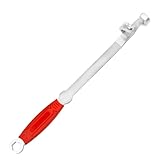
They come in a few main types, and understanding them is key to getting it right. The most common for DIYers are click-type torque wrenches. You set the desired torque value, and when you reach it, the wrench makes an audible ‘click’ and often breaks slightly, letting you know you’ve hit the mark. They’re generally affordable and accurate enough for most automotive applications. (See Also: A C Compressor Bolt Torque 2007 Dodge Magnum )
Beam-type torque wrenches are simpler, with a needle that moves along a scale as you apply force. They’re cheap but can be harder to read precisely, especially if you’re working in an awkward spot.
Digital torque wrenches are the fancy ones, giving you a precise digital readout and often an audible or visual alert when you reach the set torque. They’re usually the most expensive but offer the highest accuracy. For lug nuts, a good quality click-type in the 20-150 lb-ft range is usually perfect.
You’ll also need the right socket size for your lug nuts. Always check your vehicle’s owner’s manual or a reliable online resource for the exact torque specification for your specific make and model. Don’t guess this number; it’s usually printed right there.
| Type | Pros | Cons | Verdict |
|---|---|---|---|
| Click-Type | Affordable, easy to use, audible click is clear. | Can be slightly less precise than digital, requires calibration over time. | My go-to for most jobs. Great balance of price and performance. |
| Beam-Type | Very inexpensive, simple mechanism. | Harder to read accurately, less forgiving of angle. | Okay for very occasional, non-important use. I avoid it for anything important. |
| Digital | Highly accurate, clear digital readout, often with alerts. | Most expensive, requires batteries, more delicate. | Excellent for important jobs or if you need absolute precision, but overkill for just lug nuts. |
Common Mistakes When Torquing Fasteners
Even with a torque wrench, people mess this up. One big one is not re-torquing after a short drive. Especially with new wheels or brake jobs, the fasteners can settle. You should always re-check the torque after about 50-100 miles.
Another goof is using the wrong socket. A loose-fitting socket can round off the lug nut or bolt head, making it a nightmare to remove later. Always use a snug-fitting, high-quality socket.
Some folks also overtighten the torque wrench itself, like trying to get an extra ‘click’ out of it. That defeats the purpose. Just stop at the first click.
And for goodness sake, if you’re working on wheels, always tighten in a star pattern. This makes sure even pressure distribution.
Tighten one lug nut a bit, then the one opposite it, and so on. This prevents the wheel from being pulled on crooked. Lastly, don’t lube threads unless the manufacturer specifically says to. Lubrication reduces friction, meaning the same torque setting results in higher actual bolt tension, which can lead to over-stretching.
When Does Torquing Matter Most?
So, do lug nuts and bolts need to be torqued? Yes, but it’s more about when they need to be torqued precisely. For everyday items around the house, like assembling IKEA furniture, ‘snug’ is usually fine. But when the safety of yourself, your passengers, or other road users is involved, precision matters. (See Also: Does Anti Seize Affect Bolt Torque )
This absolutely includes:
- Wheels and Tires: This is the big one. Loose wheels are incredibly dangerous. The torque spec makes sure your wheels stay attached and properly seated.
- Brake Components: Calipers, rotor mounting bolts, and suspension parts that connect to the brakes. Failure here can lead to a loss of braking power.
- Suspension Components: Control arms, ball joints, tie rods. These handle massive forces and need to be securely fastened.
- Engine and Transmission Mounts: While not an immediate catastrophic failure, loose mounts can cause excessive vibration and strain on other components.
- Steering Components: Anything directly involved in the steering linkage needs to be torqued.
For less important items, like a cabinet hinge or a decorative bracket, it’s usually not a major concern.
However, if a manufacturer provides a torque spec in their instructions, it’s generally a good idea to follow it, even if it seems like overkill. It’s always better to be safe than sorry, and with automotive parts, there’s often a thin line between properly secured and dangerously loose or broken.
Do I Need to Torque Every Bolt on My Car?
No, not every single bolt on your car requires a torque wrench. For non-important components like trim pieces or interior components, simply tightening them securely is usually sufficient. However, for any part related to safety, steering, suspension, brakes, or the wheels, adhering to the manufacturer’s specified torque is highly recommended.
How Do I Find the Correct Torque Spec for My Vehicle?
The best place to find the correct torque specifications for your vehicle is in your owner’s manual. If you don’t have the manual, reputable automotive repair websites or specific service manuals for your car model will also list these important values.
Can I Use an Impact Wrench to Torque Lug Nuts?
It’s generally a bad idea to use an impact wrench for the final torquing of lug nuts. Impact wrenches can easily over-tighten fasteners, leading to stretched studs or damaged threads. You can use an impact wrench for the initial snugging, but always finish the job with a torque wrench set to the manufacturer’s specification.
Should I Lubricate Lug Nut Threads Before Torquing?
Typically, no. Unless your vehicle manufacturer specifically states to lubricate the threads (which is rare for lug nuts), you should torque them dry. Lubricants can alter the friction, meaning the torque wrench reading doesn’t accurately reflect the actual clamping force on the fastener, potentially leading to over-tightening.
Final Verdict
So, to circle back, the question of do lug nuts and bolts need to be torqued is a pretty clear ‘yes’ for anything remotely important to safety. It’s not just about keeping things from falling apart; it’s about maintaining the engineered integrity of the components. I learned that lesson the hard way, and I’m telling you, that wobble at 70 mph is something you don’t want to experience.
Investing in a decent torque wrench isn’t some corporate up-sell; it’s buying yourself peace of mind and, more importantly, safety. It’s a tool that pays for itself the first time you avoid a potential disaster or an expensive repair bill caused by a loose or broken fastener.
Next time you’re working on your car, especially its wheels, grab that torque wrench. Set it to the spec, and listen for that click. Your car, and more importantly, you, will thank you for it.